
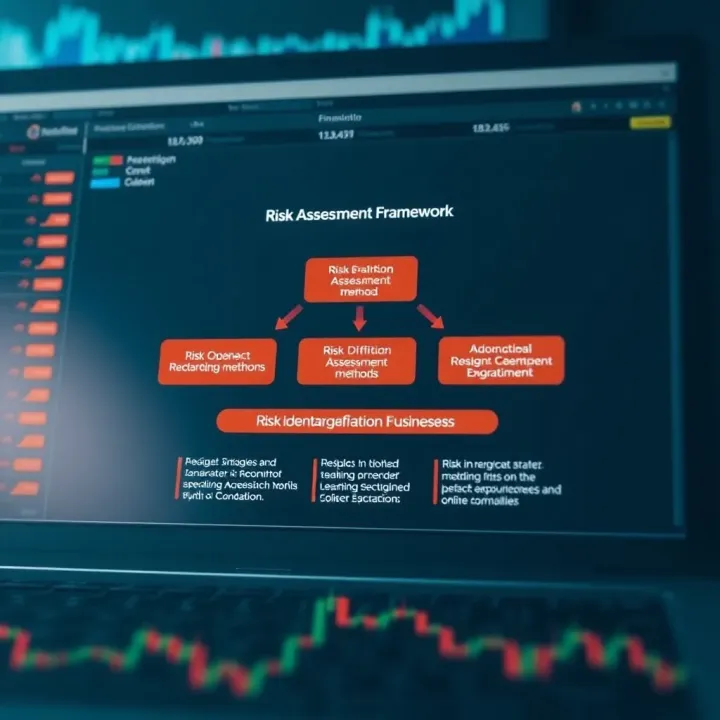
Risk Management for South African Businesses
📊 Learn how South African businesses can manage risks effectively with local tools, comply with POPIA & Companies Act, and foster a strong risk-aware culture.
Edited By
Oliver Matthews
Risk management isn't just for the big players on the JSE or multinational firms with sprawling operations. Every South African business, whether a small shop in a township or a medium enterprise in Gauteng, faces risks that can impact its financial health, reputation, and ability to operate. Understanding and tackling these risks head-on has become non-negotiable, especially given the unique economic and regulatory pressures here.
South African businesses must contend with challenges like volatile exchange rates, loadshedding disruptions, changing tax laws from SARS, and stringent industry regulations overseen by bodies like the FSCA. Ignoring risk can lead to costly setbacks in this environment. Thankfully, effective risk management practices can make all the difference.

The basics start with identifying potential threats — from cyber attacks on small traders reliant on online sales, to fluctuating commodity prices that impact manufacturers and investors. Once these threats are pinpointed, assessing their likelihood and potential impact becomes key. That way, resources can be focused where they matter most.
A robust risk strategy is more than just paperwork. It's a dynamic toolkit that helps businesses turn uncertainty into manageable challenges.
Several practical techniques have proven useful in South Africa’s context:
Scenario planning: Visualise possible future disruptions and prepare responses. For example, a retailer could plan for various levels of loadshedding by investing in inverter systems or alternative suppliers.
Risk transfer: Using insurance or contractual agreements to pass on certain risks. Many businesses purchase business interruption insurance to soften the blow from unexpected events.
Regular compliance audits: Keeping track of changing laws, especially regarding FICA, POPIA (Protection of Personal Information Act), and B-BBEE requirements, avoids costly penalties.
Technology utilisation: Automated alert systems for market changes or regulatory updates help maintain vigilance.
This article explores such techniques, focusing on how South African firms can practically identify, measure, and manage risks in a way that suits our specific environment. The goal is to arm you with clear steps to shield your business and keep it thriving.
Understanding the fundamentals of risk management is vital for South African businesses aiming to stay resilient amid uncertain economic and regulatory conditions. By grasping the core principles, companies can identify potential threats early and take practical actions to protect their operations and finances. This approach saves costs down the line, avoids disruptions, and supports better decision-making.
South African businesses face a variety of risks that impact their day-to-day and long-term prospects. Economic risks include fluctuating exchange rates and inflation, which affect costs and pricing strategies—especially relevant for importers and exporters. Operational risks cover supply chain interruptions, often worsened by loadshedding-affected production or transport delays. Other risks range from compliance challenges under laws like POPIA (Protection of Personal Information Act) to political instability and labour unrest, which are significant in sectors like mining and manufacturing.
Ignoring these risks can result in severe economic and operational consequences. Financial losses from unmanaged currency risk or regulatory penalties can cripple smaller enterprises quickly. Operational hiccups cause delayed deliveries or production halts, damaging customer trust and brand reputation. For example, a clothing manufacturer in Durban facing unexpected municipal water restrictions might struggle to maintain production schedules, leading to lost contracts and revenue.
Risk identification is the first step where businesses actively pinpoint possible threats. This could involve workshops with different departments to list risks across the business or analysing recent incidents in the industry. Without this clear identification, companies risk being blindsided by avoidable issues.
Once identified, risk assessment and measurement help prioritise which risks need urgent attention. Assigning likelihood and potential impact scores allows decision-makers to focus resources where they matter most. For instance, the risk of cyberattacks would score higher for a fintech start-up than for a traditional agricultural business.
Developing mitigation strategies follows assessment. Strategies may include diversifying suppliers to reduce supply chain risks or investing in staff training to improve compliance. These measures help reduce either the chance of the risk occurring or its potential damage.
Monitoring and review ensure that risk management stays relevant as conditions evolve. Regular reviews help adapt strategies to new threats, such as emerging technologies or changing laws. For example, as South Africa tightens regulations on data privacy, businesses need to revisit their compliance programmes to avoid fines and reputational damage.
Clear, ongoing risk management is not just a box-ticking exercise but a live process that supports business continuity and growth in a South African context characterised by rapid changes and challenges.
By understanding these fundamentals, South African businesses can build sturdy foundations to face the uncertainties ahead effectively.
Identifying and assessing risks forms the backbone of effective risk management for South African businesses. Without a clear understanding of what risks exist and their potential impact, companies can’t take the necessary steps to deal with them. Practical techniques help businesses categorise, prioritise, and quantify risks quickly, ensuring resources target the most pressing concerns.

Risk mapping and heat maps use visual tools to highlight risk areas clearly, making it easier to prioritise risks within an organisation's operational and financial landscape. These maps typically plot risks along two dimensions: the likelihood of occurrence and the potential impact on the business. This visual approach helps decision-makers see at a glance which risks need urgent attention and which ones are less critical, saving time in a busy business environment.
In South Africa, risk maps can vary widely depending on the sector. For example, in mining, a heat map might highlight risks related to equipment failure, regulatory changes, or labour unrest, as these are common operational threats. Meanwhile, a retail business might focus on supply chain disruptions and cash theft risks. The Johannesburg Stock Exchange (JSE) listed companies often create such maps to comply with governance standards and better safeguard shareholder value.
Scenario analysis explores how different risk events could affect a business by examining various realistic outcomes. This technique helps businesses prepare for uncertainties like sudden policy shifts or unexpected market dips. Scenario planning encourages teams to think beyond single risks and consider combinations or sequences of events that could magnify overall risk.
Regarding financial and operational planning, scenario analysis helps forecast impacts on cash flow, capital expenditure, or staffing needs under various conditions. For instance, a small manufacturing company facing Eskom loadshedding might run scenarios to assess how power cuts affect production timelines and calculate backup power costs. These assessments guide budgeting for contingencies, helping firms avoid nasty surprises and maintain stability even when situations change rapidly.
Visual and scenario-based techniques are vital because they transform abstract risks into concrete, manageable challenges. They also enhance communication across departments, ensuring everyone—from finance to operations—gets the full picture and can contribute to risk strategies.
By adopting such techniques, South African businesses can sharpen their risk awareness and make smarter decisions, positioning themselves to weather both local and global uncertainties more confidently.
Managing and mitigating risks is a central part of keeping South African businesses afloat amid economic and operational uncertainties. These strategies aren’t just theoretical but practical actions to ease potential blows before they happen. With our economy facing challenges like exchange rate swings and loadshedding, firms must proactively adapt to stay competitive and compliant.
Altering plans to sidestep risks means consciously changing business activities or plans to steer clear of certain hazards. For example, a Gauteng-based manufacturing firm might shift part of its supply chain to a more stable supplier outside the province to avoid risks linked to local transport strikes or disruptions. Similarly, avoiding markets with unstable regulatory environments prevents potential compliance fines or legal issues down the line.
Deciding to walk away from or not engage in risky ventures can sometimes be the smartest move, particularly if the potential losses overshadow the expected gains.
Implementing controls to lower risk impact focuses on putting safeguards that reduce the severity of risks if they do occur. For instance, a retail business in Cape Town may install backup generators or solar systems due to frequent loadshedding, ensuring continuous operation during power outages. On the data side, accessing only trusted cloud services with encryption helps protect against breaches. Control measures also include strict financial protocols to detect fraud early, or health and safety procedures to limit workplace accidents.
Insurance and contractual agreements spread risk from a business to third parties. South African companies regularly use insurance policies covering theft, fire, or cyber incidents, which can impose significant financial strain otherwise. Contractual agreements may include indemnity clauses transferring liabilities to suppliers or partners, sharing the burden where risks intersect roles. For example, a construction company might require subcontractors to hold public liability insurance.
This tactical handing over of risks allows a business to focus resources on core activities without holding too many vulnerabilities.
Partnerships and joint ventures showcase risk sharing at a strategic level. By teaming up, businesses distribute investment costs, expertise requirements, and operational challenges. For instance, two tech startups in Johannesburg might form a joint venture to pool R&D resources and split market entry risks. This collaboration reduces the strain if one party faces unexpected losses, and it can accelerate innovation through complementary strengths.
Deciding when to tolerate certain risks involves acknowledging some risks are part of doing business and too costly to avoid. An example would be a small retailer accepting minor stock theft as inevitable rather than investing heavily in expensive security systems. The key is to strike a balance—accept risks only when the potential impact justifies the exposure.
Accepting risk should always be a conscious choice supported by analysis rather than passive neglect.
Developing backup plans and reserves prepares businesses for when risks materialise. Practical contingency plans might include arranging alternative suppliers or maintaining emergency cash reserves to cover sudden costs. For example, farms in the Free State often have drought contingency plans that include water storage and crop diversification. Such readiness can mean the difference between quick recovery and prolonged setback.
In summary, these risk management strategies provide a toolbox for South African businesses to anticipate, limit, share, or manage risks efficiently, ensuring resilience in an unpredictable market.
Technology and data have become key tools for South African businesses aiming to manage risks more effectively. With the business environment growing more complex and interconnected, relying on manual risk assessment or outdated reports simply doesn’t cut it anymore. Modern software and data analytics help businesses spot risks early, track developments in real time, and make well-informed decisions to protect their assets and operations.
Risk management information systems (RMIS) centralise the collection, analysis, and reporting of risk-related data. These systems offer a practical advantage by integrating various data points—from financial metrics to operational incidents—into a single platform. South African companies in industries like mining or financial services benefit by having a clear, organised view of their risk exposure, enabling quicker action when trends indicate rising threats.
For example, a Johannesburg-based logistics firm can use RMIS to monitor vehicle maintenance records, driver behaviour, and route safety, which collectively reduce the risk of costly accidents or delays. This systematic approach also aids compliance with local regulations by keeping all risk documentation easily accessible.
Data analytics and real-time risk alerts extend this capability by analysing patterns and anomalies as they happen. With affordable cloud computing and mobile connectivity, even small businesses across Gauteng or the Western Cape can receive notifications about changing market conditions or operational threats instantly. This immediacy allows businesses to respond proactively instead of scrambling after issues escalate.
Consider a retail chain that uses sales data analytics tied with weather forecasts to adjust stock levels ahead of possible floods or storms in coastal areas, minimising potential losses. Such data-driven insights not only improve resilience but also help in optimising resource allocation.
Cyber threats are a growing concern for South African businesses, irrespective of size or industry. Common risks include phishing attacks, ransomware, and data breaches targeting financial and personal information. High-profile incidents have shown the devastating impact such attacks can have on reputation and finances, making cybersecurity an urgent priority.
Local firms often face targeted attacks exploiting vulnerabilities in outdated systems or weak employee awareness. In financial services, for instance, the theft of client data poses significant legal and compliance risks under the Protection of Personal Information Act (POPIA).
Basic practices for preventing breaches begin with regular software updates and robust password policies. Businesses should also prioritise staff training to recognise phishing attempts and suspicious activity. Implementing multi-factor authentication and securing Wi-Fi networks are practical steps that cost little but significantly enhance protection.
Besides technical measures, companies must have clear incident response plans to limit damage if a breach occurs. Combining technology with a culture of vigilance helps build stronger cyber resilience, which is critical in today’s digital-driven economy.
Embracing technology and data-driven tools empowers South African businesses to not just manage risks, but to anticipate and navigate them in ways that traditional methods can’t match.
Navigating compliance and regulatory risk is essential for South African businesses to operate without legal hiccups and costly penalties. With a regulatory landscape that often evolves, companies must stay alert to both national and industry-specific rules. Compliance isn’t just a box-ticking exercise—it guards a company’s reputation and protects stakeholders from unforeseen risks.
South African businesses face several key laws that directly impact their risk exposure. The Protection of Personal Information Act (POPIA) has reshaped how companies handle customer and employee data, demanding stringent data privacy measures. Non-compliance can lead to hefty fines and diminish trust, especially in sectors handling sensitive personal information like finance or healthcare.
The Financial Intelligence Centre Act (FICA) requires businesses to implement procedures to prevent money laundering and financial crime. This affects not just banks but also investment firms and traders. Failure to comply can result in severe penalties and damage to credibility.
The South African Revenue Service (SARS) regulations ensure tax compliance, which, while standard, demands diligence to avoid audits and fines. For instance, incomplete reporting or evading VAT (Value-Added Tax) obligations can lead to extended processing delays and additional costs.
Different industries face their own sets of regulations. For example, the mining industry is governed by the Minerals and Petroleum Resources Development Act, requiring strict environmental compliance and community engagement practices. Meanwhile, the financial sector follows guidance from the Financial Sector Conduct Authority (FSCA), which enforces consumer protection and fair treatment rules. Understanding such bespoke regulatory frameworks helps businesses avoid sector-specific risks that could stall growth or expose them to lawsuits.
A robust compliance programme starts with clear policies tailored to the company’s operational realities and regulatory landscape. Training staff isn’t just about ticking a box; it ensures employees understand their responsibilities and the consequences of non-compliance. Practical training sessions can include topics like recognising phishing emails to prevent data breaches or understanding reporting requirements under FICA.
Regular audits are vital in spotting gaps before they become problems. Routine checks help confirm policies are working, uncover unintentional breaches, and demonstrate good governance to regulators. For example, quarterly internal audits of financial records and data protection processes can reveal gaps that require urgent action, reducing risks of penalties.
Staying ahead with compliance audits and employee training not only shields your business from regulatory pitfalls but builds trust with clients and partners alike.
Reporting completes the cycle by documenting compliance status and incidents. Transparent reporting makes it easier to track improvements over time and is often required by regulatory bodies to demonstrate accountability.
In sum, integrating compliance and regulatory risk management into daily operations reduces legal risks and fortifies a business's resilience against evolving South African regulations.
📊 Learn how South African businesses can manage risks effectively with local tools, comply with POPIA & Companies Act, and foster a strong risk-aware culture.

🔍 Understand how South African businesses manage compliance risk through practical steps, tech tools, leadership focus, and ongoing checks to avoid costly penalties.

🛡️ Learn top fraud risk management tactics for South African businesses—spot threats, set controls, detect issues, and build trust to safeguard your assets.
🛡️ Discover why risk management is essential for protecting businesses from threats, improving decisions, and safeguarding resources effectively.
Based on 9 reviews