

Effective Fraud and Risk Management in South Africa
🔍 Learn how firms in South Africa tackle fraud and risks with top strategies, tech tools, and smart controls to protect money and reputation.
Edited By
Charlotte Mason
Enterprise Risk Management (ERM) is a structured approach that helps businesses identify, assess, and manage risks that could affect their objectives. In South Africa's dynamic economy, with challenges like loadshedding, regulatory changes, and market volatility, ERM is especially crucial for financial advisors, investors, and traders aiming to safeguard assets and make informed decisions.
Unlike traditional risk management, which often focuses solely on insurable or financial risks, ERM takes a holistic view. It looks across the entire organisation, covering strategic, operational, financial, and compliance risks all together. This broad lens ensures no significant threat or opportunity slips through unnoticed.
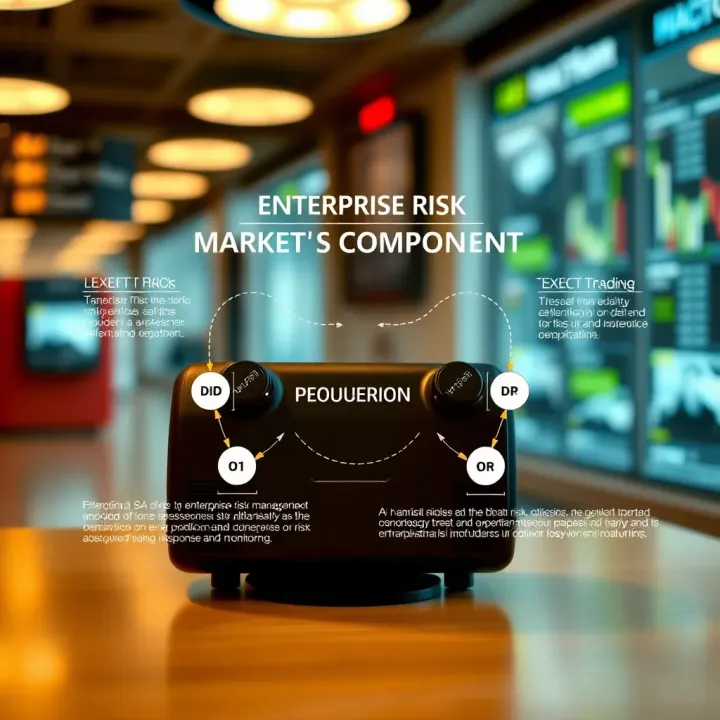
Risk Identification: Pinpointing potential risks relevant to your sector, whether it’s fluctuating commodity prices for miners or cyber threats to fintech firms.
Risk Assessment: Evaluating the likelihood and potential impact of these risks, such as how a prolonged power cut might delay production or affect client confidence.
Risk Response: Deciding whether to avoid, mitigate, transfer, or accept risks based on your organisation’s appetite and capacity.
Monitoring and Reporting: Keeping track of risk factors continuously, adjusting strategies as conditions evolve, and regularly updating stakeholders.
Successful ERM practices turn uncertainty into manageable challenges, enabling better resource allocation and fostering resilience in the face of South Africa's unique economic and political environment.
Take a Johannesburg-based investment firm: by embedding ERM, they can anticipate regulatory shifts from bodies like the Financial Sector Conduct Authority (FSCA) and prepare accordingly, avoiding costly compliance penalties. Meanwhile, a manufacturing company might use ERM to plan for load-shedding disruptions, integrating backup power solutions and supply chain adjustments.
For brokers and traders, ERM supports better market analysis by incorporating risk factors such as exchange rate fluctuations or sudden shifts in commodity demand. Financial advisors can then offer clients strategies that reflect realistic exposure levels.
In sum, ERM in South Africa is more than a compliance exercise; it’s about building a forward-looking culture where risks are openly discussed, weighed, and managed before they escalate.
This broader understanding sets the stage for delving into key ERM frameworks, benefits, and step-by-step implementation strategies suitable for South African enterprises.
Enterprise Risk Management (ERM) goes beyond simply spotting risks. It's a structured approach to identifying, assessing, and managing potential threats that could affect a business’s ability to achieve its goals. In a South African context, where economic and regulatory landscapes can shift quickly, ERM helps firms stay prepared and resilient.
At its core, ERM is about viewing risk as a whole, not piece by piece. Instead of handling risks only when they surface, ERM involves understanding how different risks connect across a business. For example, a manufacturing company in Gauteng might face supply chain delays, fluctuating exchange rates, and changing labour laws all at once. ERM links these factors to help management make better decisions that balance potential downsides with opportunities.
Traditional risk management often tackles risks in silos: health and safety, finance, IT, each managed independently. ERM, however, brings everything together on one platform. This unified view allows companies to spot patterns or compounding risks that might be missed otherwise. Think of it as comparing a localised flood warning to a full weather radar system — the latter offers a clearer picture and helps you prepare more effectively.
ERM covers all risks that might impact an organisation, from operational hiccups to strategic threats. Its purpose isn’t just to avoid losses but also to seize chances for growth with an informed mindset. In South African businesses, ERM helps with meeting strict compliance standards from authorities like the FSCA and SARS, thereby enhancing reputational trust.
ERM shifts risk from being a reactive hassle to a proactive business enabler, helping firms weather storms while spotting when to invest or expand.
In short, understanding what enterprise risk management means ensures your business isn’t caught off guard. It fosters a culture where risks are seen, assessed, and handled collectively for better overall outcomes. This approach makes your company less vulnerable to unexpected shocks, whether from economic downturns or regulatory changes, and better positioned to grow sustainably.
An effective enterprise risk management (ERM) system is built on core elements that help organisations spot vulnerabilities, plan responses, and monitor outcomes. For traders, investors, and financial analysts, understanding these elements sharpens the ability to evaluate a firm's risk maturity and resilience.
The first step is spotting risks before they escalate. This involves scanning internal operations and external factors—from supply chain disruptions to regulatory changes. For example, a Johannesburg-based export company might identify currency volatility and global trade tariffs as key risks. Assessment then gauges the likelihood and potential impact, not just in financial terms but also reputationally or operationally. Clear identification avoids blind spots that can derail strategic decisions.
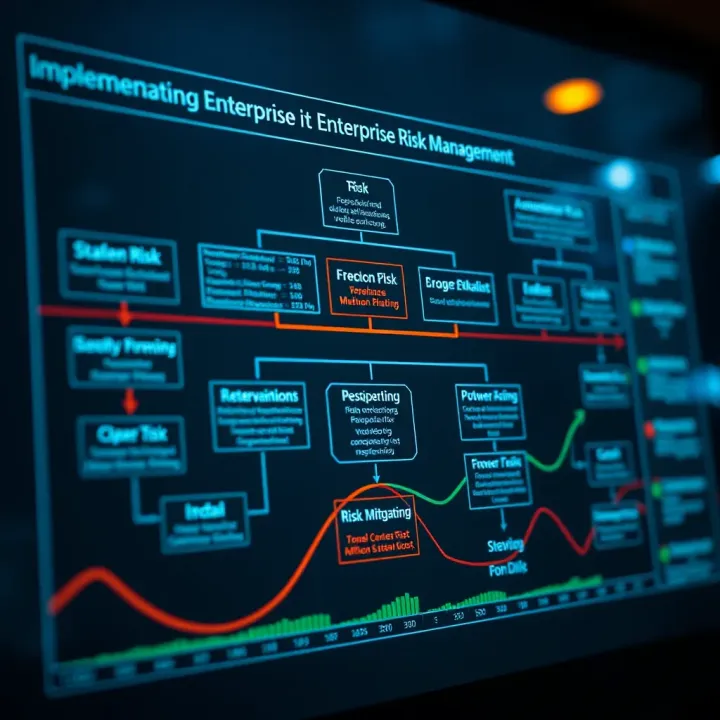
Once risks are identified and assessed, deciding how to handle them is next. Options include avoiding the risk, reducing its likelihood, sharing or transferring it (like insurance), or accepting it where reasonable. For instance, a retailer facing supply chain delays may source secondary suppliers or adopt flexible inventory policies. Control measures are practical steps embedded into everyday processes to mitigate effects. This may mean regular supplier audits or employing hedging strategies against currency shifts. Tailoring responses ensures the firm can withstand shocks without losing momentum.
Risks don’t stay static, so continuous oversight is vital. Monitoring systems track risk indicators and the effectiveness of controls, flagging any anomalies early. Reporting plays a key role in keeping leadership and stakeholders informed with clear, timely data. A South African bank, for example, must regularly report on credit risk exposures to both internal committees and regulators like the Prudential Authority. This transparency supports informed decisions and ongoing improvements, strengthening the ERM framework dynamically.
Effective ERM hinges on an integrated approach where identification, response, and monitoring form a continuous cycle. This ensures no risk slips through unnoticed and every response is verified for impact.
By focusing on these fundamental elements, South African enterprises can navigate complex economic and regulatory waters, safeguarding their assets and stakeholders’ interests more confidently.
Common frameworks and standards for enterprise risk management (ERM) provide a structured approach to identifying, assessing, and managing risks across an organisation. These frameworks are especially vital because they offer tested methods and shared language that businesses can implement to improve consistency and effectiveness in their risk management efforts. Without such frameworks, companies might overlook critical risks or respond to threats in an uncoordinated manner.
In South Africa’s diverse and sometimes volatile business environment, adapting these frameworks helps companies navigate regulatory requirements, operational challenges, and market uncertainties more confidently. Practical benefits include clearer risk ownership, improved communication between departments, and better alignment with strategic objectives.
The COSO ERM Framework, developed by the Committee of Sponsoring Organisations of the Treadway Commission, is one of the most widely adopted standards globally, including in South Africa. It integrates risk management directly with business strategy, urging companies to view risk not merely as a threat but also as an opportunity. COSO breaks down ERM into eight components, ranging from governance and culture to performance and review, ensuring organisations take a holistic view of risk.
For example, a Johannesburg-based manufacturing firm can use COSO to align its risk appetite with business goals, helping executives make informed decisions about investing in new machinery while considering supply chain disruptions or energy load shedding. It encourages continuous monitoring and clear reporting lines, which are essential for keeping risk management dynamic and relevant.
The ISO 31000 standard offers principles and guidelines designed to be adaptable across industries and countries. Its strength lies in its simplicity and flexibility, making it a practical choice for South African businesses of varying sizes and sectors. The standard emphasises leadership commitment, integrated risk management, and continual improvement.
A local retail chain facing frequent stock theft and fluctuating consumer demand can apply ISO 31000 principles to develop tailored controls, employee training, and monitoring systems. Unlike more prescriptive frameworks, ISO 31000 allows businesses to structure processes in a way that fits their resources and risk profile while maintaining international best practices.
Adapting these frameworks to South African realities requires understanding specific challenges like loadshedding, currency volatility, and a complex regulatory landscape. For instance, implementing COSO or ISO 31000 should include risk assessments around power outages impacting production schedules or supply chain delays caused by municipal service delivery issues.
South African companies also need to consider cultural aspects, such as the importance of consultative decision-making and the role of stakeholder engagement within communities and employees, common in local business practices. This engagement often leads to more accurate risk identification and fosters an environment where risk management is embedded across all levels of the organisation.
By integrating established ERM frameworks with South Africa’s unique risks and business culture, organisations can build resilience and improve their ability to navigate uncertainty with confidence.
In short, these frameworks provide the scaffolding, but the real work lies in tailoring them to local conditions, ensuring risk management is not just compliance but a strategic advantage.
Enterprise Risk Management (ERM) offers clear advantages to South African organisations but comes with a set of challenges that require attention for effective implementation. Understanding these benefits and obstacles helps businesses harness ERM to improve resilience and long-term success.
Good ERM practices anchor decisions in a thorough understanding of risks across the organisation. South African businesses facing volatile economic conditions, fluctuating exchange rates, or sector-specific challenges (like those in mining or agriculture) gain a clearer view of threats and opportunities. For example, a JSE-listed company can better assess currency risk exposure and adjust hedging strategies accordingly. This proactive approach leads to smarter investment choices and resource allocation.
South Africa’s regulatory environment demands stringent compliance across sectors. ERM helps companies keep pace with legislation such as the King IV Report on Corporate Governance and industry-specific requirements from regulators like the FSCA. Implementing ERM frameworks equips organisations to document controls and audits systematically, reducing regulatory penalties and reputational damage. Financial firms, in particular, benefit from this structured risk oversight as they navigate SARB regulations and consumer protection laws.
In an environment where trust is hard-earned, ERM plays a role in boosting confidence among investors, customers, and partners. Demonstrating a structured approach to risk shows board members, shareholders, and the market that the company is prepared for uncertainties. This can lower the cost of capital and improve access to funding. A business that transparently reports its risks tends to build stronger relationships and fosters a culture of accountability.
Many South African companies, especially SMEs, wrestle with limited budgets and personnel for dedicated risk functions. It’s a reality that ERM demands time and expertise to set up and maintain. However, an incremental approach can help. Starting with a focused risk register for critical areas, and expanding over time, makes ERM more manageable. Digital tools offering affordable risk tracking can also lighten the load without big investments.
Risk management, by nature, asks people to confront potential failures or uncertainties, which might not align with existing corporate cultures that prefer optimism or informal decision-making. Shifts often meet resistance, from senior leaders to frontline employees. Addressing this calls for clear communication about ERM’s benefits, involving stakeholders early, and integrating risk awareness into everyday discussions. Leadership visibly championing ERM can change mindsets over time.
South African businesses face diverse and sometimes interconnected risks – from loadshedding and water restrictions to political shifts and cyber threats. These overlapping challenges can seem overwhelming to capture comprehensively. Simplifying complex scenarios by prioritising the most impactful risks and developing scenario analyses helps keep ERM pragmatic. Regular reviews help adjust for new developments, ensuring the system stays relevant rather than static.
Setting up ERM is an ongoing process, but the strategic benefits in decision-making, compliance, and stakeholder trust make it well worth the effort in South Africa’s challenging business environment.
Starting an enterprise risk management (ERM) programme is more than ticking boxes; it requires a hands-on approach grounded in the reality of your organisation. These practical steps help embed ERM in your business's daily fabric, ensuring you can spot threats early and react effectively.
Strong leadership buy-in is the bedrock of any successful ERM system. Without backing from the top, risk initiatives can stall or be treated as mere formalities. Leaders need to champion ERM by setting clear priorities and communicating the value of risk management throughout the organisation. For example, a Gauteng-based financial services firm saw notable improvement after its CEO actively communicated risks linked to volatile markets and supported necessary resource allocation. This kind of visible commitment encourages managers and staff to take risk management seriously rather than seeing it as extra work.
Developing a tailored risk management framework provides structure and clarity for risk identification, assessment, response, and monitoring. It lays out who is responsible for what and how risks should be escalated within the organisation. In South Africa, adapting global frameworks like COSO or ISO 31000 to local business realities works well. For instance, incorporating risks related to loadshedding or currency fluctuation in the framework ensures it’s truly relevant. A well-defined framework avoids confusion and gives everyone a shared language and process around risk.
Risk awareness must spread beyond the boardroom to all employees. Training equips staff to recognise risks in their work areas and report them proactively. During a compliance push, a Cape Town retail outfit trained cashiers and managers on fraud risks, which led to faster detection and mitigation of irregularities. Training should be ongoing, practical, and relevant, blending workshops with simple guidelines or quick references suited to daily tasks. This helps cultivate a risk-aware culture that can spot issues before they escalate.
ERM is not a one-off project but a continuous cycle. Regular review of risk data, emerging threats, and framework effectiveness is essential. Many companies schedule quarterly risk review sessions to discuss new trends and tweak controls accordingly. It’s useful to have metrics and reporting tools that provide clear risk indicators, helping leaders make swift decisions. Such ongoing attention also signals to staff that risk management remains a high priority and evolves alongside the business environment.
Embedding ERM into your business is a stepwise process requiring leadership buy-in, a clear framework, trained staff, and ongoing review. It’s about making risk everyone’s business rather than just a compliance chore.
Taking these practical steps ensures your ERM programme is not only well designed but actively supports resilient, informed decision-making — crucial for thriving in South Africa’s dynamic markets.
🔍 Learn how firms in South Africa tackle fraud and risks with top strategies, tech tools, and smart controls to protect money and reputation.

Explore top South African institutions offering risk management courses 🎓, discover key qualifications, and planning your career path wisely in this vital field 📊.
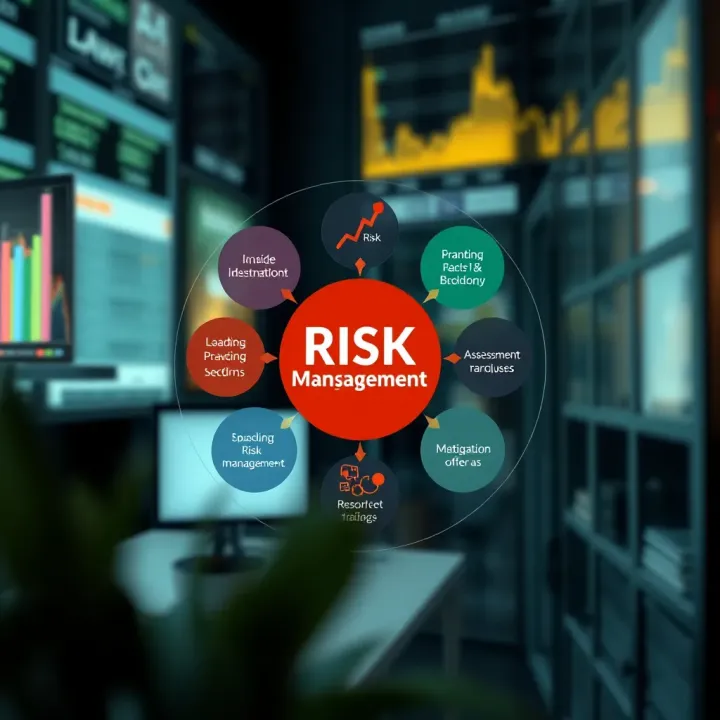
Discover key risk management functions 🔍 and their roles in spotting, assessing, and controlling risks across South African industries for stronger safety.

Explore key risk management frameworks 🛡️, their benefits, and how to tailor strategies for your organisation's unique needs across industries. 📊
Based on 9 reviews