

Effective Fraud and Risk Management in South Africa
🔍 Learn how firms in South Africa tackle fraud and risks with top strategies, tech tools, and smart controls to protect money and reputation.
Edited By
David Mitchell
Risk management in finance is about spotting, assessing, and dealing with uncertainties that could hurt financial health. South African businesses and financial institutions face distinct challenges — from volatile currency fluctuations and loadshedding disruptions to fluctuating commodity prices impacting exports.
Understanding these risks isn’t merely an academic exercise. For example, a Johannesburg-based manufacturer reliant on imported components risks sudden cost hikes from rand weakness. Likewise, a Cape Town investment firm must watch not only local credit risks but also global market swings that ripple through emerging economies.
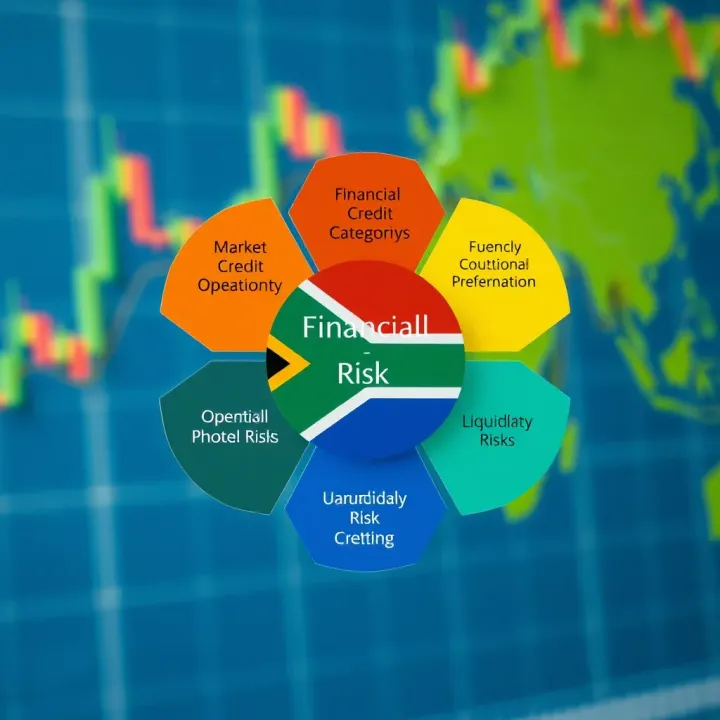
In practice, South African organisations use a mix of traditional and tailored strategies to stay afloat. This includes thorough risk assessments, stress testing, and real-time monitoring reflecting local realities like Eskom’s load-shedding stages or SA Reserve Bank monetary policy changes.
A practical takeaway is the emphasis on diversification—not just across asset classes but across sectors tied to South Africa’s economy. Mining companies, for instance, hedge their exposure through derivatives. Financial advisors often recommend clients include offshore assets and local bonds to balance risks.
Regulatory frameworks also shape risk management. The Financial Sector Conduct Authority (FSCA) and the Prudential Authority require firms to maintain capital adequacy and adhere to sound credit and market risk policies. Compliance isn’t optional; it protects clients and ensures stability across the financial system.
The key for traders, investors, and analysts is integrating risk management into daily decision-making. Proactive tools and a sound understanding of South Africa’s economic nuances make the difference between loss and gain.
In summary, risk management here blends global finance principles with homegrown challenges. Keeping an eye on currency moves, regulatory changes, and operational hurdles like power disruptions equips market participants to make informed decisions with confidence.
Financial risk shapes many decisions within the South African financial sector. Understanding what it is and how it impacts businesses and investors allows stakeholders to make smarter choices and better prepare for uncertainty. For example, a fund manager in Johannesburg must evaluate market trends and regulatory shifts carefully before advising clients. Without this grasp, unexpected losses or compliance issues could arise, affecting portfolios and reputations.
Financial risk refers to the chance that a given investment’s actual return will differ from the expected return, sometimes resulting in losses. In South Africa, this could mean exposure to fluctuating exchange rates between the rand and the US dollar, which impacts importers, exporters, and investors alike. Risks aren’t limited to markets alone; they include credit relationships, operational procedures, and legal compliance.
Practically, financial risk means every business and investor faces uncertainty. A retailer buying stock on credit must assess whether customers will settle payments on time, while an investor needs to gauge economic conditions that might reduce asset values unexpectedly. Ignoring these risks can mean the difference between steady growth and sudden financial strain.
For businesses, financial risks can disrupt cash flow, increase borrowing costs, or lead to regulatory penalties. Take a small Gauteng-based manufacturing company that depends on imported components: currency volatility can raise costs overnight, squeezing margins tightly. Investors, meanwhile, face potential losses if markets fall or if companies underperform.
Moreover, risk influences strategic decisions. A stockbroker advising clients must balance risk and return, guiding them towards investments aligned with their tolerance levels. Similarly, banks in South Africa regularly assess credit risk to decide whom to lend money to, ensuring the loan book remains healthy.
Market risk involves losses due to changes in market prices or rates. For instance, fluctuations in the JSE Top 40 Index can affect share portfolios, while changing interest rates impact bond yields. In SA, the rand’s volatility creates an added layer, influencing multinational firms and local investors exposed to global markets.
Credit risk is the chance of a borrower failing to meet repayment obligations. A township retailer extending credit to regular customers faces this firsthand; late or defaulted payments can force cash crunches. Financial institutions rely on credit scoring and background checks to mitigate this risk.
Liquidity risk emerges when an entity can’t meet short-term financial obligations due to insufficient cash or easily sellable assets. For example, during Eskom’s loadshedding stages, an energy company might struggle to settle supplier invoices promptly if revenues dip unexpectedly. Businesses need contingency plans, such as overdraft facilities or liquid reserves.
This risk arises from failures in internal processes, systems, or people. A practical case involves cyberattacks targeting South African banks or errors in transaction processing that delay payments. Operational lapses can erode customer trust and incur direct financial losses.
Regulatory risk covers the threat of changing laws or government policies that affect financial operations. South Africa’s evolving tax code or financial sector regulations mean businesses must stay alert. Failure to comply with the South African Reserve Bank (SARB) or Financial Sector Conduct Authority (FSCA) requirements can lead to hefty fines or restrictions.
Recognising these risks early helps in crafting policies to avoid or minimise damage, thereby securing financial stability for businesses and investors in a dynamic South African environment.

Understanding and applying key principles and frameworks is essential for effective risk management in the South African financial sector. These frameworks provide structure to identify, evaluate, and respond to risks consistently, helping traders, investors, and financial analysts to safeguard their portfolios and operations.
Risk management frameworks usually start with recognising the specific risks relevant to an organisation, followed by assessing their potential impact, and then deciding on appropriate responses. For example, a local bank facing increased market volatility may prioritise currency fluctuations over operational risks, adjusting strategies accordingly. This systematic approach helps avoid overlooking critical risk areas.
The first step in managing risk is spotting it before it escalates. Techniques include scenario analysis, which imagines possible future financial shocks, and SWOT analysis to assess internal strengths and weaknesses alongside external threats like regulatory changes. In South Africa, factoring in Eskom’s loadshedding schedules or currency volatility is vital during identification.
Once risks are recognised, measuring their potential impact is key. This involves both qualitative assessments—like expert opinions on regulatory risk—and quantitative methods such as value at risk (VaR) calculations for market exposure. Prioritising risks guides where to focus limited resources: a trader might highlight credit risk from a counterparty over liquidity risk if cash flow projections remain stable.
Risk avoidance and reduction are about steering clear of or lessening exposures. For instance, an investor may avoid certain shares vulnerable to political shifts or reduce exposure by diversifying portfolios across industries and regions. Local businesses can lower operational risk by installing backup power systems to cope with frequent outages.
Risk transfer uses tools like insurance or derivatives to shift risk to others. Insurance policies can cover property damage or cyber threats, while derivative contracts such as futures and options enable traders to hedge against fluctuating exchange rates or commodity prices common in South Africa.
Accepting certain risks is sometimes practical, especially when the cost of mitigation is higher than the potential loss. Here, having a robust contingency plan is vital. A small business might accept occasional supply delays but prepare alternative suppliers or stock buffers to minimise disruption.
Effective risk management blends avoidance, transfer, and acceptance based on situation and cost-benefit analysis, tailored to South Africa’s unique market environment.
By applying these principles and frameworks, financial professionals can build more resilient strategies against uncertainty, ensuring stability amid the country’s economic and regulatory shifts.
Managing risk properly is vital for South African financial institutions to safeguard their stability, protect clients, and comply with the country’s regulatory demands. Given the complexities in South Africa’s economic environment—ranging from currency fluctuations, political uncertainty, to the impact of loadshedding—effective risk management helps institutions prepare for shocks and keeps the system reliable.
The South African Reserve Bank plays a central role in overseeing and enforcing risk management frameworks across banks and other financial entities. Its main job includes ensuring these institutions hold enough capital buffers to withstand financial stress and maintain liquidity during tough times. For example, the SARB’s implementation of Basel III regulations means local banks must measure and manage credit, market, and operational risks in a more robust manner.
SARB also conducts regular stress tests simulating adverse scenarios such as sudden rand depreciation or steep interest rate hikes. These exercises reveal vulnerabilities before they become crises. For traders and investors, SARB’s guidance signals the health and resilience of the financial sector, affecting confidence levels and investment decisions.
The FSCA aims to promote fair treatment of financial customers and ensure transparency in financial markets. It sets conduct rules that require institutions to manage risks related to customer protection, including fraud and mis-selling. For instance, FSCA guidelines push financial players to strengthen their anti-money laundering controls and complaint resolution mechanisms.
This focus on conduct risk complements SARB’s prudential regulations by addressing risks from poor governance or unethical behaviours. Analysts and advisors watch FSCA actions closely since these rules impact firms' reputations, legal liabilities, and client trust.
South African institutions must comply not only with SARB and FSCA regulations but also with international standards like the Basel Accords and International Financial Reporting Standards (IFRS). This ensures harmonisation with global practices, helping local firms remain competitive and credible worldwide.
For example, adopting IFRS 9 affects how banks recognise loan impairments, directly influencing their risk provisioning and earnings reports. Meeting global standards also opens doors to foreign investment and reduces cross-border regulatory friction.
Organisations typically set up dedicated risk management committees to oversee risk strategies and policies. These committees bring together risk professionals, senior executives, and sometimes external experts to regularly review risk exposures and mitigation plans.
By having a specialised group focus on risk, institutions can respond quicker to emerging threats and ensure compliance is taken seriously throughout the firm. In South African banks, these committees play a critical role during volatile periods like currency crashes or sudden interest rate changes.
The board of directors holds ultimate accountability for risk oversight. They must approve risk appetite statements and ensure that management implements controls aligned with these limits. The board also demands regular, clear risk reporting and challenges management on stress test outcomes and risk culture.
Proper board engagement means risks won’t be swept under the carpet. Instead, the leadership directs a cautious but forward-thinking approach, balancing growth with stability.
Internal audit functions audit risk management controls and verify compliance. They provide independent assurance that processes work as intended and identify gaps or weaknesses early.
Regular, accurate risk reporting feeds into board and committee discussions, enabling evidence-based decisions. For instance, auditors may uncover lax cybersecurity measures exposing firms to fraud risk, prompting immediate remediation.
A sound internal control system backed by vigilant governance isn't just a regulatory checkbox—it’s the backbone that keeps South African financial institutions resilient amid uncertainties.
With a combination of strict regulatory oversight and solid internal controls, South African financial institutions enhance their ability to navigate risk successfully while protecting their customers and the economy at large.
Technology is no longer a mere support function in finance; it’s become a core player in spotting, analysing, and managing risks. South African financial institutions are increasingly relying on advanced tools to sift through mountains of data swiftly and accurately. These technologies enable organisations to respond faster to emerging threats and comply with stringent regulatory demands, particularly from the South African Reserve Bank (SARB) and the Financial Sector Conduct Authority (FSCA). Embracing technology helps cut down human error and provides a clearer picture of risk exposure, which is vital in a market often impacted by global shifts and local challenges like load-shedding.
Using big data to identify risk patterns means analysing large, complex datasets from diverse sources such as market transactions, customer behaviour, and social media trends. South African banks, for instance, tap into transaction data and credit reports to detect anomalies indicating potential defaults or fraudulent activities. This approach helps businesses move beyond gut feeling, relying instead on concrete patterns that reveal where vulnerabilities lie.
Predictive modelling takes this a step further by using historical data to forecast possible future risks. Algorithms can estimate the probability of loan defaults or currency fluctuations affecting investments. For example, an investment firm might use predictive analytics to adjust portfolios ahead of known political events or changes in commodity prices that influence the rand. This proactive stance allows firms to prepare for potential losses before they materialise.
Software for real-time risk monitoring continuously tracks market movements, credit exposures, and operational metrics. In practice, Johannesburg-based financial institutions are utilising platforms that alert risk teams instantly when thresholds are crossed, such as changes in interest rates or unusual trading volumes. This enables quick decision-making and reduces delays caused by manual reporting.
The integration of artificial intelligence (AI) has become particularly valuable in fraud detection and compliance monitoring. AI systems can scan thousands of transactions within seconds, pinpointing suspicious behaviour that might escape human scrutiny. A retail bank in Cape Town, for example, uses AI to flag transactions inconsistent with a customer’s usual patterns, allowing frontline staff to intervene swiftly. Similarly, AI streamlines compliance checks by automatically assessing whether transactions meet regulatory criteria, saving time and lowering the risk of penalties.
Technology’s impact on risk management lies not just in automation but in giving financial professionals sharper insights and faster responses. This means fewer surprises and stronger safeguards for South African businesses navigating an unpredictable financial environment.
In summary, digital tools and data-driven models equip financial players with sharper vision and quicker reflexes. For South African traders, investors, and analysts, staying abreast of these technological advances is no longer optional but essential to smart risk management.
Managing financial risks in South Africa’s unique environment requires more than just technical measures; businesses need practical, on-the-ground strategies that fit their context and capacity. From small townships to big city campuses, each business faces distinct challenges. Learning to manage risks effectively can mean the difference between weathering a bumpy financial patch or facing severe losses.
Training and employee involvement Training isn’t just for the finance team. It’s vital for all staff to understand what financial risk means and why it matters. When employees grasp the potential impacts of risky behaviour—such as overspending or overlooking compliance—it helps the whole business act cautiously. For example, a small retailer in Jo’burg might train its floor managers on cash handling procedures to prevent theft or mismanagement, which directly protects profit margins.
Employee involvement also builds ownership. When staff can flag issues early or suggest solutions, businesses spot risks before they escalate. This can be as simple as a weekly check-in to report unusual transactions or concerns. Engaged employees become a frontline defence against risks that top management might miss.
Encouraging transparent communication Open communication lines let risk information flow freely across departments. In South African companies, where hierarchies may be steep, encouraging transparency breaks the silence that sometimes surrounds problems. It’s crucial that employees feel safe to report errors without fear of punishment.
A practical example is how some Johannesburg-based fintech firms run anonymous reporting tools or ‘‘whistleblower’’ channels for fraud or compliance breaches. These measures help catch issues early, maintain trust, and reduce potential financial damage.
Approaches for SMEs versus large corporations Small and medium enterprises (SMEs) often operate with tighter budgets and fewer specialised staff, so their risk strategies need to be lean and practical. They might focus on straightforward cash flow forecasts and securing adequate insurance cover for risks like theft or load shedding interruptions.
In contrast, large corporations can invest in comprehensive risk management frameworks, including specialised teams for compliance, market analysis, and cybersecurity. For instance, a major mining company listed on the JSE might employ advanced software to predict commodity price swings and hedge accordingly, while SMEs rely more on experienced advisors and simpler budgeting.
Cost-effective risk controls for small businesses SMEs can’t always afford complex risk tools, but that doesn’t mean they’re powerless. Practical controls like routine financial reconciliations, dual signatories for payments, and straightforward budgeting apps tailored for South African SMEs help prevent errors and fraud.
A bakery in a Cape Town suburb, for example, might use simple spreadsheet tools and regular supplier audits to keep costs in check and avoid disruptions. These low-cost steps build resilience without draining resources.
Creating a risk-aware culture and applying tailored strategies can make financial risk management accessible and effective for all South African businesses, no matter their size.
By embedding these approaches, businesses position themselves not just to survive financial uncertainties but to thrive despite them.
🔍 Learn how firms in South Africa tackle fraud and risks with top strategies, tech tools, and smart controls to protect money and reputation.

Explore top South African institutions offering risk management courses 🎓, discover key qualifications, and planning your career path wisely in this vital field 📊.

📊 Discover how South African businesses can apply enterprise risk management to identify threats, enhance decision-making, and safeguard growth with practical steps.
📊 Explore practical examples of risk management across South African sectors. See how businesses and individuals identify, assess, and handle daily risks effectively.
Based on 13 reviews