
Forex Trading Guide for South African Traders
🌍 Explore forex trading essentials for South African traders, including market basics, strategies, risk control, and local regulations to start confidently.
Edited By
Henry Lawson
Online forex trading has become a popular way for South Africans to participate in global financial markets from the comfort of their own homes. Unlike traditional stock trading, forex involves buying and selling currencies, aiming to profit from fluctuations in exchange rates. The South African rand (ZAR) often features prominently, given local traders' interest in currency pairs involving the rand.
Understanding the local landscape is key before diving into forex trading. The market operates 24 hours a day, opening on Sunday evening and closing on Friday evening South African time, which allows for trading flexibility around work and daily commitments. However, it’s essential to grasp how local conditions affect your trading strategy — for instance, how Eskom’s loadshedding schedules or political developments impact the rand’s volatility.
Traders in South Africa must navigate both international forex markets and the regulatory environment overseen by the Financial Sector Conduct Authority (FSCA). The FSCA ensures brokerages operate fairly and transparently, protecting traders from scams and malpractice. Always check if your chosen forex broker is FSCA-licensed before investing anything substantial.
Accessibility: You only need a computer or mobile device and a decent internet connection, which is increasingly common even outside main urban centres.
Leverage opportunities: Brokers often offer leverage, allowing you to control a larger position with a smaller deposit. This can amplify gains but also losses.
Diverse currency pairs: Besides USD/ZAR, popular pairs include EUR/ZAR, GBP/USD, and emerging market currencies that South African traders find attractive.
Research and pick a reputable FSCA-registered broker.
Open a trading account, usually with low minimum deposits (sometimes as little as R500).
Download the broker’s trading platform, such as MetaTrader 4 or 5, or use their web-based offering.
Start with a demo account to grasp market moves without risking real money.
Starting out informed and cautious helps protect your capital. Forex trading can be profitable, but risks demand respect and good risk management. This guide unfolds the practical steps and considerations you’ll need to trade forex successfully in South Africa, with clear examples and actionable advice.
Getting a firm grip on the forex market in South Africa is vital for anyone looking to trade currencies online. Understanding how this market operates here can help you spot opportunities and avoid common pitfalls. The forex market’s fluctuations directly impact the value of the South African Rand (ZAR), so traders need to grasp both global influences and local factors.
Forex trading involves buying one currency while simultaneously selling another. For example, when trading the ZAR against the US dollar (USD/ZAR), you are essentially speculating on the relative strength between the rand and the dollar. Traders aim to profit from these changes in exchange rates by entering and exiting positions at the right time. It’s an easily accessible market, often open 24 hours a day, making it quite practical for South African traders balancing work and other commitments.
Unlike stock markets, forex trading doesn’t rely on owning a physical asset or shares in a company. It’s highly liquid, meaning you can generally buy or sell currencies without much delay. The forex market also tends to react quickly to global economic news, so currency prices can shift sharply. This contrasts with, say, property or commodities, where price changes happen slower and with different drivers. Forex’s leverage options let traders control larger sums of money, but they also come with higher risk, so a solid understanding is crucial.
The South African Rand (ZAR) is the main local currency traded here. It’s classified as an emerging market currency, which means it tends to be more volatile than major currencies like the USD, euro (EUR), or British pound (GBP). For instance, political developments or Eskom load-shedding schedules can cause fluctuations. Apart from the ZAR, cross-currency pairs involving the USD/ZAR, EUR/ZAR, and GBP/ZAR dominate trading volumes, reflecting South Africa’s trade relationships.
South Africa’s forex market mainly involves commercial banks, financial institutions, brokers, and retail traders. The local market liquidity peaks during overlap with European and US trading sessions, which aligns with Johannesburg’s trading hours. For you as a trader, understanding this helps time your trades to take advantage of higher activity moments, reducing the potential for wide spreads or slippage. With more South African brokers offering local payment methods like electronic funds transfer (EFT), engaging in forex trading is more accessible than ever.
Knowing how the rand interacts with global currencies and local economic events puts traders in a better position to make informed, timely trading decisions.
Forex is a 24-hour market, ideal for South Africans managing different schedules.
The rand's volatility offers both risk and opportunity.
Timing trades during peak liquidity periods can improve trading execution.
With this foundation, you can approach forex trading with clearer expectations and practical knowledge suited to South Africa’s unique environment.
Regulations play a big role in shaping the forex trading environment in South Africa, providing safeguards for traders and maintaining market integrity. Understanding the legal framework helps you avoid pitfalls and choose trustworthy brokers. This section covers the key regulatory elements, focusing on the Financial Sector Conduct Authority (FSCA) and tax considerations relevant to forex traders.
The FSCA oversees financial markets in South Africa, including forex trading. Any broker offering forex services locally must hold a valid FSCA licence. This means they comply with set standards on capital adequacy, fair trading practices, and client fund protection. For example, an FSCA-licensed broker is required to keep your trading funds in segregated accounts rather than mixing them with company operating money. This reduces risk if the broker encounters financial trouble.
Choosing a broker without FSCA approval is risky. Such entities often fly under the radar, leaving traders exposed to scams or poor service. South African traders should verify licence status directly on the FSCA's register before opening any account.
The FSCA also actively works to prevent and respond to fraudulent forex schemes. It investigates complaints and can impose fines or shut down unscrupulous operators. A practical sign of protection is when the FSCA issues warnings about offshore brokers illegally targeting South Africans. Ignoring these alerts can land you in trouble.
Moreover, registered brokers must adhere to the Financial Intelligence Centre Act (FICA), sharing reports on suspicious transactions. This oversight ensures that forex trading remains transparent and that traders aren’t unknowingly involved in money laundering or other illicit activities.
Staying within the FSCA’s regulated framework gives you a layer of security that’s vital in a market known for high leverage and volatility.
Profits made from forex trading are subject to tax in South Africa. Generally, if you trade forex as an individual for speculative gain, the income will be treated as normal income under SARS tax rules, not capital gains. This means profits are added to your taxable income and taxed at your marginal rate, which can be up to 45%, rather than the 18% capital gains tax rate.
This distinction matters because it affects how much tax you owe. For instance, a casual trader making R100,000 profit might owe more tax than expected if incorrectly treated as capital gains. It’s wise to keep detailed records of every trade and consult a tax professional for how your trading fits with your overall tax profile.
SARS requires you to declare all income from forex trading when filing your annual tax return. This includes profits and losses, which can offset one another but must be clearly documented.
Failing to report forex gains can lead to penalties or audits. Traders should maintain a spreadsheet or digital ledger showing transaction dates, currency pairs, investment amounts, and outcomes. Also, any fees or commissions paid to brokers should be tracked as these can reduce taxable income.
Remember, even if you trade through an offshore broker, SARs expects residents to report worldwide income. This can be more complex, so get advice if you trade on international platforms.
Navigating the regulatory and tax landscape is essential for South African forex traders. It’s not just red tape—these rules protect your money and help you trade with confidence knowing you’re on the right side of the law.
Selecting the right forex broker is a foundational step for anyone looking to trade currencies online in South Africa. A reliable broker offers not only smooth access to global forex markets but also safeguards your funds and trading experience. This choice impacts everything from transaction costs to the quality of market data you receive, so trading with a broker aligned to your needs can make a tangible difference.
Dealing with brokers who provide local customer support means you can get help in real time, often during South African business hours. This is especially useful when urgent technical issues arise or clarification is needed about transactions. A broker with a local office or a dedicated South African helpdesk indicates commitment to the local market and understands regional trading challenges like Eskom loadshedding or connectivity hiccups.
For example, brokers such as IG and AvaTrade offer tailored customer service arrangements for South African clients, including support in local languages and payment guidance specific to local banking systems. Being able to speak to someone who knows the South African context can save frustrated hours and prevent costly mistakes.
The ability to deposit and withdraw funds easily and securely is paramount. Brokers offering Electronic Funds Transfer (EFT) seamlessly link to South African banks, allowing transfers without hefty fees or conversion delays. EFT is widely used due to its reliability and traceability through platforms like FNB or Standard Bank online banking.
Credit card deposits add flexibility, allowing for quick capital injection with minimum fuss. However, some brokers might charge a premium for credit card processing or limit withdrawal options to EFT alone, so it's wise to confirm these details beforehand. Practical payment methods reduce friction and help you manage your trading capital efficiently.
MetaTrader 4 (MT4) remains a firm favourite with South African traders for its user-friendly interface and vast array of technical indicators. MT5, its successor, adds more asset classes and improved charting tools but requires a bit of a learning curve for those new to it. Meanwhile, cTrader provides an alternative with more advanced order types and a modern look, favoured by more experienced traders.
Choosing between these platforms depends on your comfort level and trading style. MT4 may suffice for beginners, while MT5 or cTrader better accommodate those seeking advanced tools or algorithmic trading capabilities.
Trading on your mobile device offers flexibility, letting you react swiftly to market moves when away from your desk. South African traders often contend with unstable internet and power interruptions, so platforms that support offline data caching or quick reconnection add real value.
All three major platforms—MT4, MT5, and cTrader—provide mobile apps, but user experience varies. Look for apps that handle spotty network conditions gracefully and provide notifications in real time. Considering bandwidth limitations common in some areas, a lightweight app with essential functions might be preferable.
Choosing a broker and platform that suit your lifestyle and financial goals is not just about convenience; it protects your investments and trading sanity in the long run.
To succeed in forex trading, especially within the South African market, having a clear strategy is essential. Effective trading strategies help you navigate the volatile currency market with confidence, making well-informed moves rather than gambling on luck. Whether you're trading the US dollar (USD) against the South African rand (ZAR) or other major pairs, developing a strategy sharpens your decision-making and improves your chances of consistent profits.
Using charts and indicators is the backbone of technical analysis. Charts show price movements over time, allowing traders to spot trends and patterns. Indicators like the Relative Strength Index (RSI) and Moving Averages add an extra layer of insight. For example, a moving average crossover may signal a trend reversal, alerting you to enter or exit a trade. In practice, South African traders often use MetaTrader 4 (MT4) to plot these charts and indicators, combining visuals with statistical signals to enhance timing.
Economic news heavily influences currency pairs. Impact of economic news on currency rates means staying alert to reports like South Africa’s GDP growth, interest rate decisions by the South African Reserve Bank (SARB), or US Federal Reserve announcements. For instance, a surprise interest rate hike by SARB tends to strengthen the rand, impacting currency pairs featuring ZAR. Traders who monitor the economic calendar can prepare for such events, adjusting their positions or reducing exposure to avoid unwanted losses.
A key safety tool is the stop-loss order. This is an instruction to close a losing trade once it hits a set price, capping your loss before it grows uncontrollably. For example, if you buy USD/ZAR at R18 and set a stop-loss at R17.80, your loss will be limited to 20 cents per unit if the market falls. Using stop-loss orders protects capital and keeps emotions in check during turbulent market moves.
Position sizing and leverage use are about managing how much you risk per trade relative to your total account size. Leverage allows you to control a bigger position than your deposit, but it also magnifies losses. If you have R10,000 and use 10:1 leverage, you’re effectively trading with R100,000. Proper position sizing means risking only a small percentage of your capital on any trade—often 1-2%—to survive losing streaks and avoid blowing your account. Leveraging wisely and sizing positions carefully are practical steps every SA forex trader should take.
Smart traders combine solid analysis with strict risk control. Without both, profits can quickly slip through your fingers.
By mastering technical tools, understanding market-moving news, and managing your risk effectively, you build a foundation for consistent forex trading success in South Africa’s dynamic environment.
Trading forex carries significant risk, especially for those unfamiliar with local and international market dynamics. Managing risks helps you protect your capital and maintain steady growth rather than chasing quick wins that often end in losses. This is crucial in South Africa, where market volatility and economic factors like exchange rate swings or loadshedding interruptions can complicate trading environments. Moreover, avoiding common pitfalls like overtrading, ignoring stop-loss limits, or falling for scams prevents costly mistakes that novice traders frequently make.
Typical warning signs include promises of guaranteed returns or exceptionally high profits with little to no risk. Any broker or trading platform touting ‘sure-fire’ profits should raise red flags. Similarly, unsolicited emails or calls pressuring you to invest quickly often indicate a scam. Watch out for platforms that lack transparent fee structures or display unclear trading terms, as these often hide costly charges.
Another red flag is limited or no access to withdrawal mechanisms. Scammers frequently make it hard or impossible to withdraw your funds. As a practical example, some traders reported being unable to access their money after depositing with unlicensed brokers operating outside South African jurisdiction.
How to verify broker legitimacy involves checking if the broker is licensed by the Financial Sector Conduct Authority (FSCA). This is South Africa’s official body regulating financial services and ensuring brokers comply with local laws. You can visit the FSCA’s register to confirm a broker’s status.
Moreover, legitimate brokers usually provide clear communication channels, including local customer support and verified payment options. It’s wise to test these before making any deposits. Also, look for brokers that provide detailed disclaimers and risk warnings on their websites, reflecting transparency and compliance with regulatory standards.
Demo accounts and simulation offer a risk-free way to gain experience before using real money. Many South African brokers and platforms like MT4 or MT5 provide demo accounts that mimic live market conditions. Using these accounts lets you refine strategies, understand trading tools, and get comfortable with platform features without financial exposure.
Practising regularly on a demo account helps build confidence and teaches discipline — two essential traits for trading success. For instance, applying stop-loss orders consistently in a demo environment can help you resist emotional decision-making in live trades.
Keeping up with market changes is equally important. Forex markets respond quickly to economic news, geopolitical events, and domestic developments like interest rate changes by the South African Reserve Bank or trade data releases. Staying informed through reliable sources such as financial news websites, the FSCA announcements, or economic calendars ensures you adjust your trading strategies accordingly.
Given the fast pace of forex markets, continuous learning can involve reading market analysis, engaging with trading communities, or attending webinars. This ongoing education helps you recognise patterns, anticipate moves, and avoid outdated methods that might no longer work in current market conditions.
Staying alert to risks and maintaining sharp market awareness can make all the difference between consistent profits and significant losses in forex trading.
🌍 Explore forex trading essentials for South African traders, including market basics, strategies, risk control, and local regulations to start confidently.
🌍 New to forex trading? Get a clear, practical guide for South Africans on starting out in the foreign exchange market safely with local tips and smart steps.
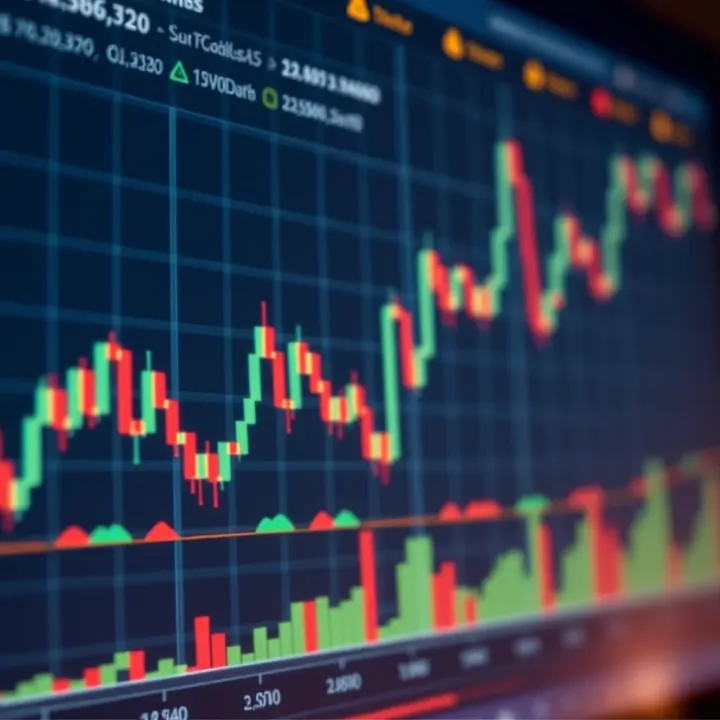
📈 New to forex trading? This practical guide for South African beginners explains market basics, smart strategies, risk control, and safe trading steps—start strong today!
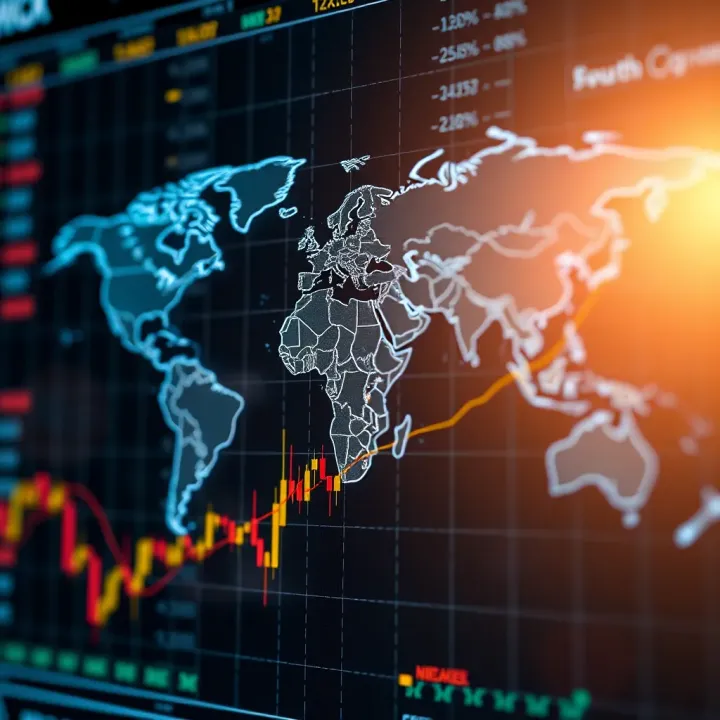
Discover key forex trading sessions, their timings & effects on currency markets 🇿🇦. Learn to boost your trades with expert tips & handy PDF charts 📊.
Based on 14 reviews