

Effective Compliance Risk Management in SA Businesses
🔍 Understand how South African businesses manage compliance risk through practical steps, tech tools, leadership focus, and ongoing checks to avoid costly penalties.
Edited By
Amelia Foster
Business risks in South Africa come in many shapes—economic shifts, regulatory changes, infrastructural challenges, or sudden disruptions like loadshedding. For local companies, managing these risks isn't just about ticking boxes; it’s a vital part of keeping operations afloat and competitive.
Understanding risk management means recognising potential threats and preparing for them in practical ways. This includes identifying what could go wrong, assessing the chances and impact, then putting clear strategies in place to reduce damage or avoid problems altogether.
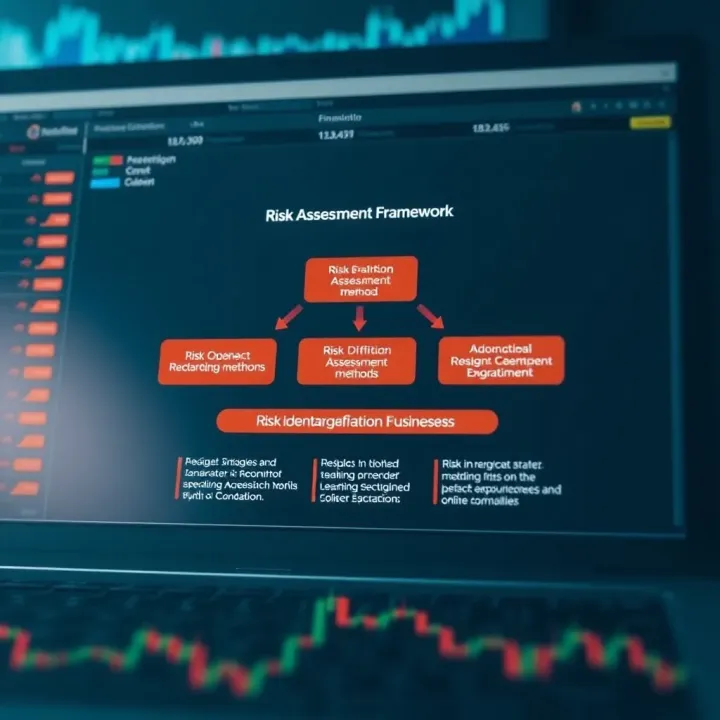
South African firms face unique hurdles, like compliance with the Companies Act or the Protection of Personal Information Act (POPIA). Both demand thorough risk assessments to ensure confidentiality of client data and lawful governance. Ignoring these can lead to hefty fines or loss of trust.
A strong risk culture where everyone from top management to junior staff is conscious of risks greatly improves how a company responds when challenges pop up.
To handle risks effectively, companies usually follow these steps:
Identify risks clearly — for instance, financial risks like currency fluctuations affecting imports, or operational threats such as supply chain delays caused by transport strikes.
Assess risk severity — measure how likely an issue is and how much it could hurt business continuity or profits.
Develop and implement controls — this might involve buying hedging contracts to protect against rand volatility or setting up alternative suppliers.
Monitor constantly — risks evolve, so regular reviews ensure mitigation stays relevant and effective.
For traders and investors, understanding a business’s risk management approach offers insight into its resilience. Analysts and financial advisors will find it crucial for accurate valuations and recommendations.
This guide aims to break down risk management into practical steps tailored for South African conditions, helping businesses safeguard against uncertainties while complying with local laws and standards.
Understanding the different types of business risks is essential for anyone involved in managing or investing in South African companies. It allows you to spot potential hazards that could disrupt operations, impact financial health, or damage a company's standing. Knowing these risks helps you prepare practical strategies that protect value and keep the business resilient amid the country's unique economic and regulatory conditions.
Operational risks arise from everyday activities that can go wrong, affecting delivery, quality, or safety. Many South African companies face challenges like loadshedding interruptions, logistics delays due to road conditions, and unreliable supply chains. For example, a manufacturer relying on imported components might struggle when border delays or exchange rate swings disrupt sourcing. Staff shortages or skill gaps, especially in remote or smaller towns, often add to the strain, leading to production bottlenecks.
To keep operations steady, businesses must invest in contingency plans such as backup generators or solar energy to counter loadshedding. Streamlining processes through automation or digital tools can reduce human error and increase efficiency. Training programmes tailored to bridge local skills deficits often pay off, promoting a culture where employees spot and report issues early. Some firms also diversify suppliers to avoid relying heavily on one source that could fail.
South African businesses often deal with the rand’s volatility, which can quickly erode profit margins. A local retailer importing goods from China might find costs spiking overnight if the rand weakens, forcing price adjustments or squeezed margins. Conversely, export-oriented firms can sometimes gain when the rand falls, but unpredictable swings make budgeting and forecasting tricky.
Credit risk surfaces when customers or partners delay payments or default, threatening cash flow. Companies here often extend generous credit to retain clients but risk unpaid invoices piling up. Liquidity risk relates to the ability to meet short-term obligations, something that tight economic conditions and rising interest rates can worsen. Keeping a careful eye on debtor days, maintaining emergency funds, and negotiating flexible credit terms help manage these risks.
South African companies must navigate a complex legal environment, including the Companies Act and sector-specific requirements. Regulations around B-BBEE compliance also impact business operations, affecting tenders and partnerships. Staying updated and aligning company policies accordingly is non-negotiable to avoid operational disruptions.

The Protection of Personal Information Act (POPIA) demands strict handling of customer and employee data, with hefty fines for breaches. The Companies Act also requires accurate record-keeping and timely submissions to CIPC. Companies should invest in compliance training and robust systems to protect personal data and ensure regulatory paperwork is correctly done, preventing damaging fines and reputational harm.
A company's reputation can make or break it, particularly with the rise of online reviews and social media. Negative perceptions, whether from a service failure or unethical conduct, spread fast and can reach beyond South African borders. Maintaining consistent quality, transparent communication, and engaging positively with customers online helps build trust.
When complaints escalate on platforms like Twitter or Facebook, a swift, honest response is crucial. Ignoring or deleting negative posts can backfire, fuelling further backlash. Companies that monitor social media carefully and respond with empathy and clear remedies tend to control the narrative and resolve issues before they escalate.
Recognising and managing these diverse risks lets South African businesses weather storms better, protecting both bottom lines and hard-earned reputations.
Identifying and assessing risks are vital steps for South African businesses aiming to stay afloat amid economic uncertainties and shifting regulatory landscapes. Knowing where risks lie and how they might impact operations lets companies act before problems spiral out of control. This approach isn't just about ticking boxes — it helps prioritise threats that could drain resources or shake investor confidence.
Using SWOT analysis for internal and external risks
SWOT analysis — looking at Strengths, Weaknesses, Opportunities, and Threats — remains one of the simplest yet most effective tools for risk identification. For South African companies, this means spotting internal weaknesses like outdated IT systems vulnerable to cyberattacks or cashflow constraints. On the external front, SWOT prompts attention to factors like potential policy shifts by SARS or rising tariffs that can slam import costs. For instance, a logistics firm in Gauteng might see a threat in worsening robot congestion delaying deliveries, while identifying an opportunity to streamline routes using GPS technology.
Consulting teams and stakeholders for insights
Risk identification should never be a solo exercise. Frontline employees often spot operational hiccups before management does. Engaging teams across departments — from finance to sales — brings fresh viewpoints on risks clients face or suppliers’ delivery inconsistencies. Similarly, consulting external stakeholders like suppliers and customers helps reveal vulnerabilities otherwise overlooked. A clothing retailer, for example, might learn from suppliers about looming fabric shortages tied to international trade disruptions, alerting them to stock up or find alternatives well in advance.
Risk matrix and likelihood-impact frameworks
A risk matrix helps translate broad concerns into concrete decisions by plotting risks based on their likelihood and potential impact. Imagine a mining company assessing the risk of equipment failure: if breakdowns are frequent but easily fixed, the risk lies lower on the impact scale; yet, a rare but catastrophic mine collapse would rank high in impact and must be front and centre. This tool aids management in allocating funds efficiently, focusing on high-likelihood, high-impact threats first.
Scenario planning tailored for South African contexts
Scenario planning stretches beyond today’s realities to imagine plausible future situations. In South Africa, considering factors like Eskom loadshedding, fluctuating petrol prices, or sudden shifts in municipal regulations sharpens this practice’s relevance. For example, a food manufacturer might plan for scenarios ranging from moderate load shedding causing minor production delays to severe power cuts halting operations for days. By preparing flexible strategies for each scenario, businesses avoid panic and manage resources sensibly when changes hit.
Investing time to identify and assess risks thoughtfully supports stronger, more resilient businesses — a necessity for thriving in South Africa’s dynamic economic environment.
Effective risk management isn’t just about spotting problems before they strike; it’s about crafting clear strategies to handle potential threats and reduce their impact. For South African businesses, dealing with economic fluctuations, regulatory shifts, and operational hiccups calls for practical, well-thought-out approaches. Designing risk management strategies offers companies a way to protect assets, ensure continuity, and maintain stakeholder confidence.
Process improvements and staff training serve as the backbone to managing many operational risks. Streamlining workflows can cut down on human error and inefficiencies, like standardising supplier vetting or upgrading stock management systems to avoid costly hold-ups. Regular staff training keeps employees sharp and prepared to spot risks early, such as understanding POPIA guidelines to prevent data breaches or mastering safe machinery use to reduce accidents.
In a local manufacturing business, for example, introducing a robust quality control system coupled with on-the-job training reduced downtime by 15%, ultimately saving R200,000 annually. This blend of improved processes and ongoing education minimises risks before they escalate.
Technology solutions to address common risks act as both shield and sword in managing business threats. Tools like cloud-based accounting software, fraud detection platforms, and cybersecurity measures can protect businesses from data loss, financial mistakes, or cyberattacks. Many South African small to medium enterprises (SMEs) have benefited from adopting online invoicing and payment reconciliation systems to reduce late payments and credit risks.
Moreover, technology aids compliance. For instance, HR management software can track employee certifications and leave, ensuring alignment with labour laws and UIF (Unemployment Insurance Fund) contributions, reducing compliance penalties.
Types of insurance relevant to South African businesses include asset insurance, business interruption cover, and liability insurance. Given the unpredictability of loadshedding, some companies invest in insurance policies that cover losses during power outages or equipment damage—a practical approach amidst the Eskom crisis. Public liability insurance protects against claims from accidents on business premises, which is essential for retail outlets or factories involving foot traffic.
Tailoring insurance to specific risks saves money and stress. A farming business, for example, may include weather-related crop insurance alongside traditional property cover.
Contract clauses to limit liability protect companies from undue risks in business deals. Clear terms defining responsibilities, indemnities, and dispute resolution methods are vital. For South African businesses entering supplier agreements, including a force majeure clause covering events like civil unrest or natural disasters is prudent.
Additionally, limitations on damages and warranties can deter litigation and clarify expectations, safeguarding both parties. Legal counsel should draft or review contracts to suit local laws and industry standards.
Developing response plans for loadshedding and other disruptions ensures a business doesn’t grind to a halt when Eskom switches off the lights. Contingency planning involves identifying critical operations, alternative energy sources like generators or solar inverters, and backup communication protocols. A call centre in Durban, for instance, installed a generator and UPS (uninterruptible power supply) systems to maintain service during rolling blackouts, preserving customer trust.
Plans should also tackle transport strikes or supplier delays, common in South African contexts. Preparing these scenarios in advance helps teams respond quickly and decisively.
Communication strategies during crises are indispensable for maintaining transparency and control. Clear internal communication keeps staff informed of changes, safety measures, and expectations, reducing confusion and frustration. External messaging to customers, suppliers, and the public updates stakeholders on disruptions and expected resolution timelines.
Using multiple channels—email, SMS, social media, or WhatsApp groups—ensures messages reach everyone swiftly. Companies that communicate openly during the mining strikes in the North West Province preserved goodwill, whereas those that stayed silent faced reputational damage.
A well-designed risk management strategy blends avoidance, transfer, and contingency elements to keep businesses resilient amid South Africa's unique challenges.
Embedding a risk-aware culture means making risk management a normal part of daily business at every level, from the boardroom to the shop floor. Governance ensures that this culture is supported by structures, policies, and clear accountability, which helps South African companies stay resilient amid local challenges like loadshedding, regulatory changes, and market volatility. When risk awareness is widespread, businesses respond quicker and more decisively to threats, reducing potential damage.
Leadership must set the tone for risk management. Boards and top management are responsible for overseeing risk policies and making sure they align with business goals and regulatory requirements, such as POPIA or the Companies Act. For example, a company experiencing frequent supply chain disruptions should have executives actively involved in monitoring and managing these risks rather than delegating completely without oversight. Clear accountability ensures risks are managed consistently, and management knows the consequences of ignoring red flags.
Broad-Based Black Economic Empowerment (BEE) principles influence corporate governance by encouraging transparency and inclusivity. Companies with strong BEE compliance often demonstrate better risk oversight because their boards tend to have diverse perspectives and stakeholder representation. This can uncover risks that a homogenous leadership team might miss. For instance, a Gauteng-based firm with diverse leadership might be more alert to community-related reputational risks that affect townships near their operations.
Risk awareness should not be confined to top management. Staff at every level need to understand potential risks relevant to their roles. Regular training sessions help demystify risk concepts and encourage employees to spot and report issues early. For example, store employees noticing fraudulent transactions or data breaches should feel confident to alert managers immediately. This collective vigilance prevents small problems from snowballing.
Encouraging employees to spot and flag risks actively makes risk management dynamic rather than reactive. Some businesses reward staff financially or through recognition programmes when they contribute useful risk insights. This can be as simple as acknowledging an individual in monthly meetings or offering small bonuses. In South Africa’s competitive retail sector, such incentives help companies stay ahead of fraud, stock theft, or customer service risks.
Key risk indicators (KRIs) provide measurable signals that help track risk levels over time. Businesses can use KRIs relevant to South African realities, such as the frequency of power outages or compliance breaches. Monitoring these allows early detection of risk buildup. For instance, a manufacturing firm might track machine downtime as a KRI to anticipate operational disruptions and avoid costly production halts.
Consistent risk reporting keeps everyone informed—from shareholders and employees to regulators. Reports should be clear, actionable, and focused on how risks are evolving and how management plans to mitigate them. For example, a listed company on the JSE includes risk updates in its quarterly reports, reassuring investors and preventing surprises during economic shifts or policy changes.
Embedding risk awareness in daily practices and governance structures is not just a compliance exercise—it’s a strategic approach that safeguards South African companies against the unpredictable and the unavoidable.
🔍 Understand how South African businesses manage compliance risk through practical steps, tech tools, leadership focus, and ongoing checks to avoid costly penalties.

🛡️ Learn top fraud risk management tactics for South African businesses—spot threats, set controls, detect issues, and build trust to safeguard your assets.
🛡️ Discover why risk management is essential for protecting businesses from threats, improving decisions, and safeguarding resources effectively.

🔍 Learn how firms in South Africa tackle fraud and risks with top strategies, tech tools, and smart controls to protect money and reputation.
Based on 8 reviews