

Effective Fraud and Risk Management in South Africa
🔍 Learn how firms in South Africa tackle fraud and risks with top strategies, tech tools, and smart controls to protect money and reputation.
Edited By
Liam Foster
Risk management isn't just a fancy buzzword in South Africa's financial and corporate sectors—it's a crucial skill set that helps businesses navigate uncertainty and make informed decisions. Whether you're a trader eyeing market shifts, an investor weighing portfolio risks, or a financial advisor crafting strategies, understanding risk management is key.
This article sheds light on the best places to study risk management in South Africa, helping you pick the right institution and program that align with your career goals. We'll unpack the types of qualifications on offer and why honing these skills matters so much in the South African landscape, where economic volatility and regulatory changes are everyday realities.

Getting a solid foundation in risk management isn’t just academic—it’s a practical shield to protect your investments, your clients, and your reputation in a tough marketplace.
So, if you're curious about where to study and how this knowledge can open doors for you professionally, keep reading. We’ve got the key info to guide your next move.
Risk management is more than just a business buzzword—it's a vital practice for navigating the tricky waters of South Africa's economic and social environment. With the country facing unique financial and regulatory landscapes, understanding risk management equips businesses and individuals to make smarter decisions, avoid pitfalls, and safeguard their interests.
South Africa’s markets are marked by rapid changes, from fluctuating currency values to shifting political climates. Each of these elements can throw a spanner in the works if not properly managed. By getting a grip on risk management, professionals — especially traders, investors, and financial advisors — can spot vulnerabilities early and respond effectively, protecting both assets and reputation.
In a marketplace shaped by its historical legacies and current economic challenges, risk management plays a crucial role. It helps companies evaluate potential hazards like currency volatility, credit risks, or supply chain disruptions that are common in South Africa.
For instance, a mining company dealing with fluctuating commodity prices and strict environmental policies relies heavily on risk management to stay profitable and compliant. Without it, they’d be flying blind, vulnerable to sudden market shifts or regulatory fines.
Risk management isn't a one-trick pony either; it supports business continuity and builds confidence among investors. A well-managed risk profile attracts better financing conditions and encourages local and international partnerships.
South African companies frequently encounter various risks that require careful management:
Political and Regulatory Risks: Sudden policy changes or delays in approvals can halt projects.
Economic Volatility: Inflation and exchange rate swings can erode profits.
Operational Risks: Infrastructure hiccups, including electricity shortages, can disrupt daily functions.
Cybersecurity Threats: With rising digital adoption, cyber-attacks are becoming more common.
Effective risk management means anticipating these challenges and setting up controls. For example, businesses might hedge currency exposure or diversify suppliers to mitigate supply chain issues.
Skilled risk managers are the unsung heroes behind South Africa's economic stability. By assessing and mitigating risks across sectors, they help create markets where businesses and investors feel secure to operate.
Think about it like this: an experienced risk manager at a financial institution might detect early signs of credit default risk and adjust loan terms accordingly, preventing a domino effect of failures during tough times. Their expertise fuels confidence, which is critical for sustained economic growth.
Compliance monitoring in South Africa is no walk in the park, thanks to an intricate web of regulations across industries. Risk managers play an essential role ensuring companies stick to these rules, reducing the chances of costly penalties or legal issues.
For example, the Financial Sector Conduct Authority (FSCA) mandates strict governance standards. Risk professionals design systems to meet these without stifling business agility. This balance helps protect consumers and maintain market integrity.
Skilled risk management is not just about avoiding disaster; it underpins trust and resilience in South Africa’s economy, serving as the backbone for both small businesses and large corporations.
By grounding decisions in solid risk analysis, South African businesses can better face tomorrow’s uncertainties today, turning challenges into opportunities.
Who these programs suit
Certificate and diploma programs in risk management are typically aimed at individuals looking to gain foundational knowledge or those seeking career advancement without committing to full degree studies. They work well for working professionals wanting to upskill quickly, or fresh school leavers who want practical insights before diving into more advanced courses. These programs often offer flexible scheduling, which is handy for those juggling work and study.
Typical course content
The content usually covers the basics of risk identification, assessment, and control strategies. Expect subjects like health and safety risk, financial risk, and compliance management. For example, a diploma might offer hands-on case studies on managing credit risk in South African banks or addressing operational risks within mining companies. The practical approach ensures students can apply skills directly to real-world settings.
Degree structure and duration
Undergraduate degrees typically take three to four years to complete. These take a more comprehensive approach, combining theory with case-based learning and internships. Lectures often delve into the principles of enterprise risk management alongside economics and statistics, providing a solid theoretical framework.
Integration with related fields like finance and insurance
Risk management doesn't stand alone. Many degree programs integrate modules from related fields such as finance, insurance, and business administration. For example, you might explore how financial derivatives are used to mitigate market risk or how insurance policies help cover operational and liability risks. This cross-disciplinary approach sharpens your understanding and increases career flexibility.
Master’s degrees in risk management
Postgraduate options like Master of Risk Management or MBA with a risk focus usually run for one to two years. These programs demand a higher level of analytical thinking and often emphasize leadership and strategic decision-making. Working professionals commonly pursue these degrees to boost their qualification and move into senior roles.
Fields of specialization and research opportunities
Specializations can range from credit risk, operational risk, market risk to compliance and governance. For instance, a Master’s student might concentrate on cyber risk management, a growing concern in South African businesses. Universities often encourage research projects that respond to local industry challenges, giving students the chance to contribute practical solutions based on South Africa’s unique economic and regulatory environment.
Choosing the right qualification depends on where you want your risk management career to go. A certificate might get your foot in the door, while postgraduate studies prepare you for leadership and specialized roles. It’s about matching your career goals with the program that offers the best practical and academic fit.
Taking the time to understand these qualification types helps you make an informed choice, ensuring you gain skills that are valuable and respected in South Africa’s growing market for risk professionals.
The University of Pretoria (UP) has carved out a solid reputation in risk management education. Their programs range from short courses and diplomas to full-fledged postgraduate degrees, tailored to suit different career goals. What stands out is their emphasis on risk assessment techniques specific to South Africa’s unique economic and regulatory environment. Fieldwork opportunities and case studies from local industries help students apply theories in a real-world context, which is a big plus for those aiming to work in sectors like mining or banking.

Getting into Pretoria’s risk management programs usually means meeting basic academic qualifications — a National Senior Certificate with good marks in mathematics and English is essential. For postgraduate studies, a relevant undergraduate degree, such as finance, economics, or business management, is generally required. UP also looks at professional experience for some of their diplomas, so if you’ve been working in a related field, that might tip the scales in your favor. Applicants should be ready to submit transcripts, proof of qualifications, and sometimes letters of recommendation.
The University of Johannesburg (UJ) offers flexible course formats, including part-time options that cater to working professionals. Their risk management programs are accredited by the South African Qualifications Authority (SAQA) and supported by professional bodies like the Risk Management Institute of South Africa. This backing can be crucial for future career development and professional recognition. Unlike many programs that rely heavily on theory, UJ leans into practical training via simulations and projects designed with industry input.
UJ is well-known for its strong career services and actively helping students connect with potential employers. Regular workshops, internships, and networking events build a bridge between the academic and professional world. Students often gain access to mentorship programs and industry forums where they meet practitioners from insurance firms, banks, and auditors — making it easier to land job opportunities once they graduate.
The University of Cape Town (UCT) is a top choice for those wanting a research-oriented approach. Their risk management studies often tie into broader themes such as financial risk, operational risk in emerging markets, and sustainability risk – areas highly relevant to South Africa’s complex economic landscape. UCT encourages interdisciplinary learning, with risk management modules overlapping with economics, law, and environmental studies.
UCT benefits from longstanding partnerships with South Africa’s financial institutions and government agencies. These connections translate to research projects that address current industry challenges and policy development. Students can get involved in cutting-edge research or internships that involve regulatory compliance work or risk audits for major corporations. This access boosts both learning and employability, making UCT a pragmatic choice for those targeting consultancy or policy roles.
Choosing the right university to study risk management isn’t just about prestige. It’s about finding programs aligned with your professional goals, offering practical experience and recognized credentials that open doors in South Africa’s competitive job market.
Besides the prominent universities in South Africa, a variety of other institutions offer valuable pathways into risk management education. These providers often focus on more practical, hands-on training or flexible options tailored to working professionals. It's important to consider these alternatives as they can provide quicker access to industry-relevant skills and sometimes more affordable programs.
Universities of Technology (UoTs) emphasize applied learning, which is a big draw for risk management aspirants who want to get their hands dirty rather than just sit through theory-heavy lectures. These institutions integrate real-world scenarios into their coursework, equipping students with the skills to identify, assess, and manage risks in live situations. For example, the Durban University of Technology offers diplomas that include case studies from local industries such as manufacturing and mining, which are major sectors in South Africa.
Diplomas and certificates at UoTs are typically designed for quick entry into the job market. They cover core areas like risk assessment techniques, compliance frameworks, and crisis management. A Diploma in Risk Management from Cape Peninsula University of Technology prepares students for practical challenges by involving industry experts during coursework, making it easier to translate classroom knowledge to workplace readiness.
Flexibility is the name of the game when it comes to private colleges and online courses. These options work well for people juggling jobs and studies or those who want to upskill without uprooting their daily lives. For instance, the Institute of Risk Management South Africa offers online certificate courses tailored for mid-career professionals looking to boost their credentials without taking extended leave from work.
When choosing private or online providers, it’s crucial to verify their recognition in the South African education sphere. Providers like EduConnect and the Risk Management Institute of South Africa (RiSA) have their courses accredited and acknowledged by industry bodies. This recognition ensures that your qualification holds weight when applying for jobs or professional certification later on.
Remember, not all certificates pack the same punch—always check if the program is accredited and aligns with your career goals.
In summary, whether you’re after hands-on learning from a University of Technology or need the adaptability of online classes from a private college, South Africa offers plenty of solid alternatives to traditional university degrees in risk management. Weigh your options based on your learning style, career focus, and time constraints for the best fit.
Picking the right risk management program is more than just glancing over course titles. It’s about weighing several key factors that can make a real difference in your career and learning experience. These elements ensure you get a qualification that holds water in the industry and prepares you practically for challenges ahead.
When looking at risk management courses, make sure the qualification is officially registered with South Africa’s relevant education authorities, like the South African Qualifications Authority (SAQA). This registered status guarantees that the qualification meets national standards and is recognized by employers. For example, a diploma registered with SAQA is more likely to open doors than one without this mark.
Employers often ask if your certification is legit and officially recognized, so don't overlook this step. It’s not just papers — it’s your ticket to a smoother job hunt.
Professional accreditation from industry bodies such as the Risk Management Society of South Africa (RMSA) or the Institute of Risk Management South Africa (IRMSA) adds another layer of credibility. These endorsements mean the curriculum aligns well with industry expectations and current best practices.
For instance, a program endorsed by IRMSA might offer better networking opportunities or pathways to professional development courses. This is where you find the programs that not only teach theory but also connect you with the risk management community.
A solid program won't just drown you in theories. It balances conceptual knowledge with practical skills, teaching you how to analyse and mitigate risks in real-world business settings. Look out for courses that include case studies based on South African industries like mining or finance.
For example, the University of Johannesburg’s risk management degree mixes classroom theory with simulation exercises reflecting challenges in the local market. Such balance equips you to hit the ground running.
Hands-on experience is worth its weight in gold. Programs offering internships or partnerships with companies give you a keyboard-to-the-ground feel of risk work. An internship at a bank in Johannesburg or a project assessing risk for a mining company in Limpopo offers practical insights you can't get from books.
Seek out courses that coordinate industry projects or internships — they often lead to job offers and valuable professional contacts.
Tuition fees can vary widely between universities and colleges. It’s wise to get a clear picture of all costs, including registration, books, and any extra fees. For example, the fees at the University of Pretoria might be different from those at a private college like Varsity College.
Don’t just focus on sticker price. Sometimes a cheaper course might lack needed benefits like internships or accreditations, which can cost you more down the line.
Many institutions and industry bodies offer scholarships and bursaries for risk management students. Universities like the University of Cape Town and the University of Johannesburg run financial aid programs specifically targeting finance and risk students.
Researching these aid options early can save you stress. Some bursaries even come with work-back agreements, giving you job security post-study, which is a win-win.
Picking the right program means looking beyond the surface: check accreditation, practical experience, and financial fit to make an informed choice that pays off long-term.
Understanding the career landscape is crucial once you've decided to pursue risk management studies. South Africa's diverse economy creates a variety of job openings that require solid risk management skills. This means your education can open doors across multiple industries, offering a practical way to apply what you’ve learned and build a rewarding career. Knowing where your skills fit helps you target your job search and professional growth.
The finance and banking sector is one of the biggest employers of risk management graduates in South Africa. Here, managing credit, market, and operational risks is part of the daily routine. Banks like Standard Bank and Nedbank employ risk analysts to monitor loan portfolios and ensure compliance with regulations like Basel III. For a risk management graduate, this means a chance to work closely with data, assess financial health, and help prevent losses through smart risk assessments.
Insurance companies like Discovery and Old Mutual rely heavily on risk management professionals to evaluate underwriting risks and develop policies that reflect real-world challenges. Compliance is increasingly important because regulations from bodies like the Financial Sector Conduct Authority (FSCA) must be met to avoid heavy penalties. Graduates often find themselves tailoring risk strategies to protect companies and clients alike, making this an area with steady demand.
Mining companies such as Anglo American and Sasol face inherent physical and environmental risks. A risk management graduate in this sector works to minimize accidents, manage environmental compliance, and handle price volatility risks for materials. Similarly, manufacturing industries use risk experts to oversee supply chain risks and workplace safety. The hands-on nature of these roles means you will be at the frontline of identifying and solving risks before they spiral.
Earning certifications like the Chartered Risk Analyst (CRA) can boost your credibility and make you stand out in the job market. The CRA, offered by the Global Academy of Finance and Management (GAFM), signals your proficiency and commitment to the field. Other certifications, such as the Risk Management Professional (RMP) designation from the Project Management Institute, layer additional practical skills, confirming your expertise to employers.
The world of risk is always shifting, especially with changing regulations and emerging technologies. Continuous learning is vital to stay ahead. Participating in workshops, attending seminars by groups like the South African Risk and Insurance Association (SARIA), or online courses is common among professionals. This commitment not only sharpens your skills but can lead to promotions and higher salary brackets.
Gaining practical experience and certifications alongside your degree makes a powerful combo for long-term career success in risk management.
By focusing on growth and industry-specific skills, risk management graduates in South Africa can find rewarding roles tailored to their interests and strengths, making their career path both stable and fulfilling.
Studying risk management can open the door to many career paths, but knowing how to apply and thrive in these programs makes all the difference. This section breaks down the essential steps and tips to not just get accepted into a good risk management program, but to also make the most of your studies when you’re there.
Getting into a risk management program usually means meeting certain academic criteria. Most universities and colleges in South Africa require you to have a National Senior Certificate (matric) with a specific minimum percentage—often around 50-60% in key subjects like Mathematics or Business Studies. Some undergraduate courses might also ask for prior knowledge in economics or accounting.
For example, the University of Pretoria typically expects at least a level 5 (60-69%) in Mathematics and English, which helps ensure that prospective students can handle the analytical and communication demands of risk management.
Understanding and meeting these prerequisites is crucial. It prevents applications from being rejected on technical grounds and assures that you’re prepared for the coursework ahead. If you don’t meet the exact criteria, some institutions offer bridging courses or foundation programs to help you get up to speed.
Almost all programs require proficiency in English, as it’s the primary medium of instruction. Some colleges may require an English language test or proof of previous study in English at the matric level. This is important since clear communication and understanding complex material are daily parts of studying risk management.
Other entry requirements can vary. Certain universities might ask for an interview or a motivation letter explaining why you want to study risk management. This helps them assess your passion and commitment—two things that weigh heavily on success once accepted.
In some cases, relevant work experience can be considered, especially for postgraduate or diploma courses designed for working professionals. Always double-check each institution’s specific requirements to avoid hiccups during application.
When you land a spot in a risk management program, don’t just show up and attend lectures. Universities pack tons of valuable resources into their campuses. Think about the library’s special collections, online databases like EBSCOhost, or software tools such as Excel and SAS used for risk analysis. These can drastically boost your understanding and save you hours searching for good info.
Many institutions also offer tutoring sessions, writing labs, and career services. For instance, the University of Johannesburg has a dedicated student support unit where you can get extra help with your coursework or advice on managing study stress.
Taking advantage of these can mean the difference between scraping by and excelling. Plus, showing initiative often catches the eye of professors, who can become mentors or references down the line.
Risk management is a field that benefits hugely from who you know, not just what you know. Starting to build a network from your first year can set you up for job offers and internships before you even graduate. Join student chapters of professional bodies like the Risk Management South Africa (RMSA) or attend guest lectures and workshops.
Making connections with industry professionals gives you insight into current challenges companies face, and can even lead to mentorship or shadowing opportunities. Consider volunteering for events or taking on group projects with real-world applications—these moments get you noticed and give your CV a meaningful boost.
Remember, a strong network and proactive use of your educational resources create a power combo for career success in risk management.
By understanding admission criteria and leveraging campus assets alongside industry connections, you’re not just surviving your studies—you’re gearing up to lead in the field.
🔍 Learn how firms in South Africa tackle fraud and risks with top strategies, tech tools, and smart controls to protect money and reputation.
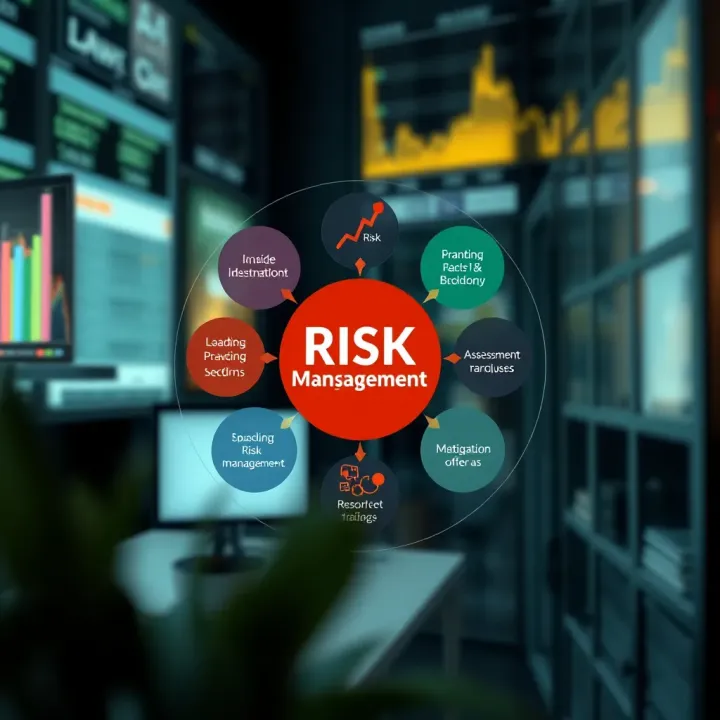
Discover key risk management functions 🔍 and their roles in spotting, assessing, and controlling risks across South African industries for stronger safety.

🛡️ Learn top fraud risk management tactics for South African businesses—spot threats, set controls, detect issues, and build trust to safeguard your assets.

🛡️ Learn practical risk management essentials: types, steps, tools, and challenges to boost your business strategy and safeguard success.
Based on 7 reviews