

Effective Fraud and Risk Management in South Africa
🔍 Learn how firms in South Africa tackle fraud and risks with top strategies, tech tools, and smart controls to protect money and reputation.
Edited By
Michael Hughes
Risk management isn’t just a fancy term for big corporations; it’s something everyone deals with daily, especially in South Africa’s diverse economic landscape. Whether you’re a trader navigating volatile JSE shares or a small business owner in Durban worried about loadshedding disruptions, understanding how to spot, assess, and handle risks can save you trouble and money.
South Africa has unique challenges—loadshedding stages affecting production, fluctuating exchange rates impacting imports, and regulatory changes shaping industries. This means risk management here isn’t ‘one size fits all’. Instead, each sector requires tailored strategies that respond to its specific threats and opportunities.
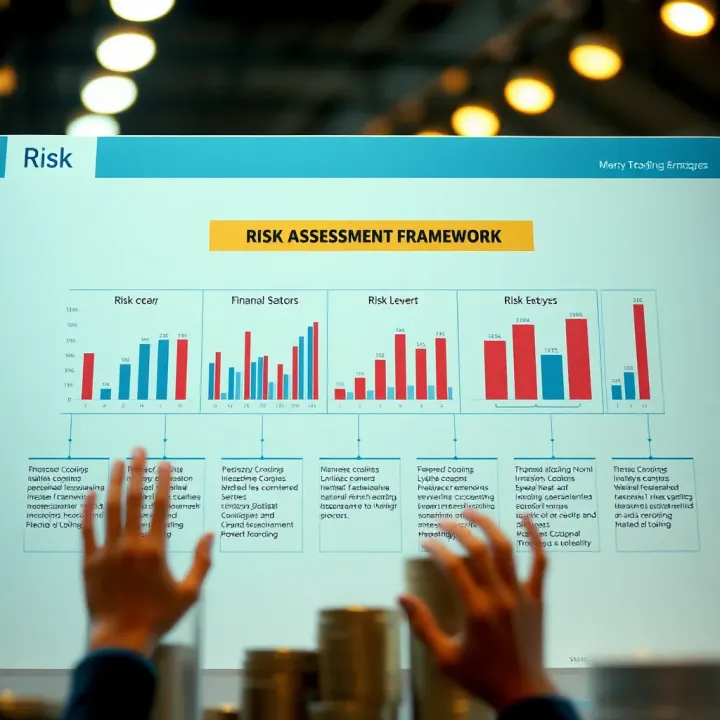
In this article, we’ll explore practical examples from various sectors that traders, investors, analysts, brokers, and financial advisors will find useful. You’ll see how companies and individuals identify risks early, assess their potential impact, and apply controls to keep losses in check.
Effective risk management is about balancing potential rewards with the real risks involved, helping you make smarter, confident decisions in unpredictable markets.
From agriculture’s weather-related challenges like drought affecting crop yields, to financial services managing credit risk amid economic shifts, each example will highlight actionable methods relevant to your role.
We’ll also touch on common tools and approaches, such as scenario planning, risk registers, and insurance cover, placing them firmly in the South African context. By sharing real-world applications, you’ll get a clear picture of how risk management shapes daily business decisions here, offering practical insights to apply immediately.
Grasping the basics of risk management is essential for anyone involved in trading, investing, or financial analysis. It helps you spot danger early, weigh its possible impact, and take steps to avoid or lessen losses. Whether you're watching the JSE or managing a diversified portfolio, knowing how to handle different kinds of risks ensures smoother decision-making and stronger returns.
Risks come in several forms, each affecting businesses and individuals differently. Financial risks deal with the chance of losing money due to market fluctuations, credit defaults, or currency swings. Operational risk includes failures in daily processes, such as system breakdowns or supply chain hiccups. Reputational risk hits when a company’s name takes a knock, often from bad publicity or customer dissatisfaction. Meanwhile, environmental risks concern natural factors like droughts or floods, which are quite relevant here in South Africa.
South Africa faces unique risk sources tied to its economic and social environment. For instance, power cuts due to Eskom's loadshedding regularly disturb business operations, adding operational strain. Crime and security concerns contribute to both financial and reputational risks, especially for retail and small businesses. Political shifts or changes in regulatory frameworks also affect market stability and investor confidence.
Risk identification is the starting point. This means listing all potential risks your business or investment might face. For example, an investor might note currency volatility and local political uncertainty as key risks before allocating funds.
Once identified, risk analysis and evaluation come next. This involves figuring out how likely each risk is to happen and the severity of its impact. Think of a retailer calculating the chance and cost of stock theft; knowing this helps prioritise risk handling.
Next, risk treatment and control focuses on managing those risks. Strategies could include buying insurance, diversifying investments, renegotiating contracts, or installing backup power systems. A small business in Gauteng might, for instance, invest in a generator to reduce loadshedding disruptions.
Finally, monitoring and review ensures that risk measures stay effective over time. Regular checks help spot new threats early and adjust controls as the market or environment changes. In financial markets, this might mean revisiting investment risks after major political events or shifts in SARB’s interest rates.
Effective risk management is not a one-off task but a continuous cycle that keeps you prepared and resilient against uncertainties.
By mastering these basics, you build a solid framework that lets you anticipate challenges, make smarter choices, and protect your financial interests in the real South African context.
Small businesses in South Africa face unique challenges that make risk management an essential part of their survival and growth. With a volatile economic environment, frequent loadshedding, and tough competition, understanding and managing risk can make the difference between folding and thriving. Effective risk management helps small businesses prepare for uncertainties, protect their cash flow, and maintain customer trust.
Cash flow remains the lifeblood of any small business, yet managing it in South Africa comes with hurdles like irregular client payments and unexpected costs such as Eskom’s loadshedding. The practical step is to develop a tight budget with a clear forecast of income and expenses, taking into account seasonal trends or slow periods common in industries like retail or hospitality.
Small business owners can benefit from keeping a buffer for at least three months’ worth of operating costs. For instance, a hair salon in Soweto might reduce stock orders during winter when demand drops but still keep funds for rent and salaries. This proactive budgeting limits surprises and ensures the business can continue running smoothly despite external shocks.

Extending credit to customers without proper checks can strain a small business’s finances. It pays off to carry out credit enquiries with recognised bureaus or ask for references before offering payment terms, especially for first-time customers or larger orders.
Clear, written payment terms can prevent misunderstandings and late payments. For example, a small manufacturing firm in Durban might insist on 30-day credit terms with penalties for late payment. Consistently enforcing these terms improves cash flow reliability, helping the business plan investments or handle urgent expenses without constant stress.
Loadshedding disrupts day-to-day operations for many small businesses, especially those reliant on constant power like bakeries or tech firms. Investing in backup power solutions like generators or inverters is a key risk control strategy.
Some businesses opt for solar panels coupled with battery storage to reduce reliance on the grid altogether. A restaurant in Cape Town, for example, may run a small solar system to keep refrigeration and payment systems operational during power cuts, thus avoiding product spoilage and upsetting customers.
Backup plans for loadshedding not only protect revenue but also safeguard a business’s reputation.
Small businesses often depend on suppliers who themselves may face logistical challenges. Delays in receiving stock can lead to lost sales and unhappy customers. Managing this risk requires diversifying suppliers where possible and building strong relationships to get timely updates.
For instance, a clothing retailer in Pretoria might source goods from both local manufacturers and regional importers, reducing the impact if one supplier can’t deliver on time due to transport strikes or customs delays. Maintaining a small buffer stock for key items further cushions the blow and keeps shelves stocked.
By focusing on these financial and operational aspects, South African small businesses can better withstand shocks, maintain steady operations, and build resilience in an unpredictable market. Practising smart risk management is no luxury; it's a necessity for survival and growth in Mzansi’s dynamic business landscape.
Agriculture in South Africa faces unique challenges that make risk management especially vital. Climatic shifts, unpredictable weather patterns, and market price swings all pose threats to farmers’ livelihoods and business stability. This section illustrates practical measures farmers use to mitigate those risks, ensuring their operations remain viable despite the unpredictability.
South African farmers contend with frequent droughts and varying rain patterns, which makes water management a priority. Water restrictions imposed by municipalities during dry spells mean that farmers can't rely solely on rainfall. Effective irrigation planning is critical: many now use drip irrigation systems that deliver water directly to plant roots, reducing wastage and ensuring crops receive adequate moisture even during restrictions.
This targeted approach conserves limited water resources and helps crops survive dry periods without excessive cost. For example, maize farmers in KwaZulu-Natal may schedule irrigation around early morning or late evening to minimise evaporation losses, stretching their scarce water further. Thoughtful irrigation planning is a straightforward risk reduction step that can significantly improve yields despite climate pressures.
Crop insurance offers a backup for when weather causes significant losses despite best efforts. Many South African farmers diversify their crops to spread climate risk, growing maize alongside soya or sunflowers. This way, if one crop fails due to drought or flooding, the others might still produce income.
Crop insurance schemes, provided by insurers like Santam or through government subsides, compensate farmers for losses caused by extreme weather. Though these may add costs upfront, they cushion against total financial ruin during bad seasons. Some farmers also join producer cooperatives that negotiate group insurance, reducing premiums and improving coverage.
Price swings in agricultural commodities can dramatically affect farmers’ earnings. To manage this, hedging strategies and forward contracts come into play. Selling future delivery contracts at locked-in prices allows farmers to secure revenue and protect against sudden drops in market prices.
For instance, a wheat farmer in the Free State might sign forward contracts with a grain miller before harvest. This guarantees payment regardless of how global wheat prices fluctuate. It reduces financial uncertainty and allows better budgeting.
Accessing financial support and subsidies also forms part of the risk management toolkit. Government schemes, such as those by the Department of Agriculture, provide grants or low-interest loans to farmers during tough periods. This support can finance equipment improvements, increase irrigation systems, or cover operational costs when prices dip.
Support programmes also encourage small-scale farmers to enter formal markets, improving access to better insurance and credit facilities. Knowing these financial cushions exist helps farmers plan longer term, confident they won’t be wiped out by a single bad season.
Practical risk management in agriculture combines smart resource use, diversification, and financial tools to stabilise income and production in a tough, unpredictable environment. Adaptation and planning remain key to surviving fluctuating weather and market conditions in South Africa.
Retailers face risks that range from theft to stock shortages, both affecting profitability and customer satisfaction. Managing these risks well helps keep shelves stocked, staff motivated, and premises secure—vital for surviving competitive markets and erratic supply chains common in South Africa.
Store security measures are essential to protect stock and deter criminal activity. This involves a mix of physical barriers, such as strong CCTV cameras, alarm systems, and security gates, alongside visible security personnel. For example, a clothing retailer in Johannesburg might use strategic camera placement near exits and high-theft areas to discourage shoplifting. Beyond equipment, good lighting and clear sightlines also reduce blind spots where theft can occur unnoticed.
Employee training and awareness play a pivotal role in security. Training staff to spot suspicious behaviour and understand loss prevention techniques creates a human layer of defence. For instance, cashiers trained to be vigilant about counterfeit notes or unusual transactions help prevent financial loss. Regular refresher sessions ensure everyone stays alert, fostering a culture where staff feel responsible for store security, which can be more effective than technology alone.
Inventory management systems offer retailers precise control over stock levels, helping prevent both overstocking and running out of popular items. Modern retailers in South Africa increasingly rely on digital tools that use real-time sales data to forecast demand accurately. For example, a supermarket chain may use these systems to track products through the supply chain, adjusting orders and deliveries based on actual sales trends and seasonal demands.
Supplier reliability checks protect against delays and quality issues from suppliers, which can ripple through operations causing lost sales or damaged reputation. Retailers frequently assess suppliers on delivery punctuality, compliance with contracts, and product standards. By maintaining a whitelist of trusted suppliers and performing periodic audits, a retailer selling electronics can avoid stock outages that would otherwise disappoint customers during peak periods like December holidays.
A well-rounded risk management approach in retail combines technology, human vigilance, and solid supplier partnerships. This mix ensures smoother operations and builds trust with customers and staff alike.
Managing risks in day-to-day life is fundamental for individuals looking to safeguard their financial stability and personal well-being. Every choice, from how you budget your income to how you prepare your home for emergencies, matters. This section tackles practical strategies that help people in South Africa, including traders and investors, navigate common risks effectively.
Managing debt smartly is the cornerstone of personal financial health. High-interest loans, such as those from micro-lenders or credit cards, can quickly spiral out of control. Keeping track of debt obligations and making payments on time prevents unnecessary penalties and protects your credit score. For instance, prioritising paying down short-term, high-interest debt before tackling longer-term debts helps reduce overall interest burden.
Building an emergency savings fund is equally essential. Aim for at least three months’ worth of living expenses stashed away, so unexpected events like loadshedding-related costs or urgent car repairs don’t derail your finances. Regular saving, even small amounts, adds up and creates a buffer against uncertainty.
Insurance serves as a critical risk transfer tool. Personal insurance products—such as funeral cover, life insurance, and household contents insurance—can shield your finances from the blow of unforeseen events. Choosing the right cover means assessing your unique needs: for example, if you live in an area with frequent theft or natural risks like flooding, contents insurance is vital.
Review your policies regularly to avoid overlaps or gaps. Sometimes people have multiple funeral policies without realising; streamlining these can save costs without losing protection. Additionally, understanding policy exclusions and claim procedures helps prevent surprises when you need to use the insurance.
Securing your home reduces both safety risks and financial losses. Simple steps like installing burglar bars, securing windows and doors, and investing in a basic alarm system can deter criminals. For those dealing with Eskom loadshedding, having reliable lighting solutions—like solar lamps or UPS units for essential appliances—also mitigates safety risks.
Fire hazards are another concern; regularly checking electrical wiring and maintaining smoke detectors can prevent disasters. Sometimes, small actions like keeping a torch and first aid kit readily available make a huge difference during emergencies.
Access to quality healthcare is a significant part of managing risk for individuals. Medical aid schemes in South Africa vary widely, so choosing one that matches your health needs and budget is important. For example, younger, healthy individuals might opt for low-cost options focusing on savings accounts, while families with dependants may require comprehensive coverage.
Moreover, understanding what your medical aid covers, such as chronic illness treatment or hospital costs, helps avoid unexpected medical bills. Regularly reviewing plans ahead of renewal dates also enables adjustments for changing circumstances, such as growing families or developing health conditions.
Practising everyday risk management means acting before problems arise—not just reacting after the fact. Whether it’s budgeting carefully or ensuring your home and health are safeguarded, these steps build resilience against life’s uncertainties.
🔍 Learn how firms in South Africa tackle fraud and risks with top strategies, tech tools, and smart controls to protect money and reputation.

Explore top South African institutions offering risk management courses 🎓, discover key qualifications, and planning your career path wisely in this vital field 📊.
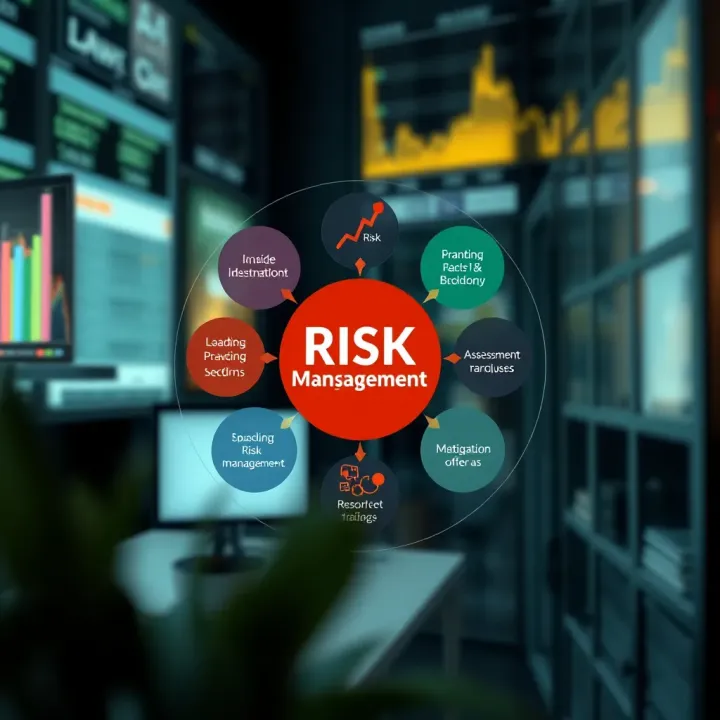
Discover key risk management functions 🔍 and their roles in spotting, assessing, and controlling risks across South African industries for stronger safety.

🛡️ Learn top fraud risk management tactics for South African businesses—spot threats, set controls, detect issues, and build trust to safeguard your assets.
Based on 12 reviews