
Best Forex Trading Apps for South African Traders
Find the best forex trading app in South Africa 🇿🇦. Discover top features, safety tips, cost insights, and what each app offers for smarter trading decisions 📈.
Edited By
Thomas Grant
Choosing the right forex trading app can mean the difference between a smooth experience and one filled with frustration. Whether you're managing your trades during your daily commute or following market moves from the comfort of your stoep, having the right tool is crucial. For South African traders, the choice goes beyond flashy interfaces — it’s about reliability, cost-efficiency, regulatory compliance, and features tailored to local market quirks.
Forex trading apps today come packed with features like real-time charts, economic calendars, and seamless order execution, but not every app performs equally under local conditions like fluctuating internet speeds or the impact of loadshedding. It’s worth keeping in mind that trading apps linked to reputable brokers registered with the Financial Sector Conduct Authority (FSCA) offer better security and compliance, reducing risks related to fraud or unfair practices.
When selecting a forex trading app, consider these key factors:
Regulation and Safety: Ensure the app is offered by an FSCA-regulated broker or a reliable global broker with good standing.
Cost Structure: Look closely at spreads, commissions, and any withdrawal fees. Apps differ widely, and costs add up fast, especially for active traders.
Trading Tools: Are you getting real-time quotes, comprehensive charting options, and access to technical indicators? Consider whether the app supports automated trading or has social trading features if you're interested.
User Experience: The app should be intuitive and responsive on your mobile or tablet. Also, check the quality of customer support — quick, local support can be a lifesaver when the market is moving.
Payment Options: Convenience is key. Look for apps that let you deposit and withdraw using popular South African payment methods like EFT, credit cards, and even instant payment platforms.
Remember, no app is perfect. Your choice depends on your trading style, frequency, and risk appetite. Trying a demo version can unearth usability issues before you commit your rand.
In South Africa, popular forex apps include MetaTrader 4 and 5, Plus500, and IG Markets—all offering different balances of features and fees. Start by listing what matters most to you, then narrow your options accordingly. This way, you’re better positioned to trade smarter in the fast-moving forex market.
Choosing the right forex trading app means focusing on several core aspects that can shape your trading success. Each feature, from how intuitive the app is to how secure your information remains, affects your overall experience and profitability. Let's unpack these elements one by one to give you a clear picture.
Navigation and layout: A smooth, intuitive layout makes a world of difference. Look for apps where menus and trading functions are easy to find without fuss. For instance, MT4 offers a straightforward layout that even beginners can pick up quickly, making it easy to switch between currency pairs and chart views without hunting through multiple screens.
Customisation options: Trading preferences vary wildly, and your app should reflect that. Customisable dashboards, such as adding your preferred technical indicators or rearranging quick-access buttons, allow you to tailor the platform to match your style. This flexibility means you spend less time clicking around and more time making confident decisions.
Mobile responsiveness: Given trading on the go is the norm now, your app must perform well on various devices. It should adapt seamlessly to different screen sizes and maintain fast loading times. Apps like Plus500 are praised for their snappy mobile versions, allowing traders to react quickly, even when away from a desktop.
Real-time charts and technical indicators: Markets move fast, so lagging data isn't an option. Reliable apps provide accurate, live charts backed by a suite of technical tools like Moving Averages, RSI, and Fibonacci retracements. This helps you spot trends and entry or exit points swiftly, crucial in volatile forex markets.
Market news and analysis: A decent trading app keeps you informed with up-to-date news feeds and expert analysis. This is more than just background noise — sudden economic announcements or geopolitical events can swiftly shift market sentiment. Access to this info within the app means you don’t have to juggle multiple sources.
Order types and execution speed: Flexibility in order types — such as market, limit, stop-loss, and take-profit orders — allows for precise trade control. Coupled with speedy order execution, you avoid slippage and missed opportunities, especially in rapid market moves where seconds count.
Data protection measures: Protecting your personal and financial data is non-negotiable. Look for apps that use encryption standards, like SSL certificates, to guard your information. Data leaks or breaches can cost dearly, both financially and in terms of trust.
Regulation by financial authorities: In South Africa, trading apps regulated by bodies like the Financial Sector Conduct Authority (FSCA) offer a layer of safety. These regulators ensure apps meet certain standards, reducing chances of fraud or unfair practices.
Account safety features like two-factor authentication: Extra security layers, such as two-factor authentication (2FA), prevent unauthorised access even if passwords get compromised. Apps supporting 2FA provide peace of mind especially when your account holds significant funds.
Spreads and commissions: These are the direct costs of trading. Low spreads mean smaller gaps between buying and selling prices, which can keep your trading costs down. Some brokers charge commissions on top, so knowing the total cost upfront helps avoid surprises. For example, certain MT5 brokers offer zero-commission accounts but slightly wider spreads.
Deposit and withdrawal fees: Money moving in and out should be as painless as possible. Check if the app or broker charges fees on deposits or withdrawals. High fees can eat into profits, especially for smaller accounts or frequent transactions.
Hidden charges: Be wary of any sneaky costs like inactivity fees, overnight financing (swap rates), or currency conversion charges. Clear, upfront disclosure about these keeps your trading budget under control, avoiding nasty shocks down the line.
Choosing a forex app isn't just about flash looks or popular names—it's about how well it suits your trading needs reliably, safely, and cost-effectively. Keep these points in mind and you'll be trading smarter, not harder.
South African traders benefit greatly from understanding the most popular forex trading apps on the market. With multiple options available, knowing which platforms offer the best combination of tools, reliability, and local relevance can shape trading success. Popular apps often come with strong local broker partnerships and support, making them practical choices for traders navigating South Africa’s unique market environment.
MetaTrader 4 (MT4) and its successor MetaTrader 5 (MT5) remain the go-to forex platforms globally, and South African traders are no exception. MT4 is well known for its straightforward interface, multiple chart types, and a broad selection of technical indicators. MT5 builds on this by offering more timeframes, more order types, and an economic calendar directly integrated.
Customization is where these platforms shine; traders can tailor almost every element, from chart layouts and technical indicators to the use of automated trading bots (Expert Advisors). This flexibility suits advanced traders who want to execute complex strategies or automate routine tasks.
MT4 and MT5 enjoy widespread broker support, including many South African-friendly brokers regulated locally or internationally. This compatibility ensures smooth account integration, competitive spreads, and local payment options, such as EFT or SnapScan deposits and withdrawals.
Trading through brokers like IG Markets or HotForex on MT4/MT5 gives South African traders access to a broad spectrum of currency pairs and CFDs, catering to a range of trading styles.
Particularly for MT4, the large global user base means plenty of free and paid resources are available. Forums, strategy guides, and custom indicators provide valuable insights and support. Local online trading communities also often gravitate towards MT4, sharing tips in Zulu and Afrikaans forums, which can make the learning curve less steep.
Plus500 scores highly for its simple, clean layout. For South African traders preferring a less cluttered experience, the app’s intuitive design helps avoid confusion and makes essential trading functions quick to find. Buttons for placing trades, adjusting stops, and checking balances are clearly marked, even on smaller mobile screens.
Beyond forex, Plus500 provides access to shares, indices, commodities, and cryptocurrencies. This makes it attractive for traders who want to diversify without hopping between different apps. The variety also means traders can react easily to events impacting local markets, such as JSE share movements or commodities crucial for SA’s economy.
The platform’s straightforwardness couples well with no-deposit-demo accounts, allowing beginners to learn without risking real money. Its limited advanced features mean this isn’t the place for complex, algorithmic trading, but beginners find the gentle learning curve valuable before stepping up to bigger platforms.
eToro stands out with its social trading feature, allowing users to copy the trades of experienced forex traders automatically. This is especially useful for South African novices wanting to learn by following successful strategies in real-time, offering a practical way to build confidence.
The platform encourages interaction by enabling traders to chat, post market ideas, and discuss strategies. This social element can help South African traders tap into collective market knowledge, blending learning with actual trading.
While eToro offers unique features, it charges spreads and withdrawal fees that may be higher than some local broker platforms. Also, there are limits on leverage for South African traders due to local regulatory considerations, which can affect potential profit and risk. Understanding these fees and limits helps traders avoid surprises and manage costs carefully.
When choosing a forex trading app, South African traders should weigh features against practical factors like broker compatibility, user experience, and costs. Apps like MT4/MT5 offer powerful customisation and broad broker support, Plus500 provides simplicity and variety, while eToro adds a social twist with copy trading. Your choice depends on your trading style, experience, and what suits your day-to-day needs in Mzansi’s market context.
Getting the hang of your forex trading app is key to making consistent, well-informed decisions. It’s not just about downloading the app but knowing how to set it up properly, manage risks, and track your progress. Mastering these basics helps you avoid simple mistakes and maximises the app's potential to boost your trading results.
Verification and KYC processes are mandatory steps in creating your trading account. Most reputable platforms require you to provide identification documents like your South African ID or passport and proof of residence, such as a utility bill. This not only meets regulatory requirements but also protects your account from fraud or unauthorised access.
When choosing account types, consider your trading experience and budget. Many apps offer options like demo accounts for practice, standard accounts with fixed spreads, or ECN accounts with tighter spreads but commissions. For instance, starters might prefer demo accounts to trial strategies risk-free before committing real Rand.
Linking payment methods is straightforward but requires attention to detail. Most apps support bank transfers, credit/debit cards, and e-wallets like PayPal or Skrill. Always check which methods have the lowest fees and fastest processing, especially if you plan on frequent deposits or withdrawals. Ensuring your payment method aligns with your personal banking habits keeps your money flow smooth.
Understanding risk management basics means recognising that forex trading carries real financial risks. A common rule is to risk no more than 1-2% of your trading capital on a single trade. This shields your account from severe losses and keeps you in the game during rough patches.
Applying stop-loss and take-profit orders allows you to automate exits from trades. A stop-loss order closes your position once the price hits a level you define to limit losses. Conversely, take-profit secures your gains by selling when the price hits your target. For example, if you buy EUR/USD at 17.50 and set a stop-loss at 17.30, your losses won't exceed R200 (assuming a certain lot size).
Setting realistic leverage levels is essential. Leverage lets you control larger positions with a smaller deposit but amplifies losses as much as gains. South African traders should heed regulatory limits that often cap leverage at 1:30 or 1:50 for major currency pairs. If you’re new, stick to lower leverage to avoid blowing your account overnight.
Using in-app analytics helps you understand which trades work and which don't. Many apps provide reports on your winning ratio, average returns, and risk exposure, all in a simple dashboard. Regularly reviewing these stats lets you spot patterns or errors, such as chasing losses or overtrading.
Keeping a trade journal takes this a step further. By writing down why you entered a trade, your emotional state, and the outcome, you build a personalised record. This habit is invaluable for learning from mistakes and refining your approach over time.
Finally, reviewing and refining strategies is about acting on the insights gained. If certain currency pairs consistently underperform or your stop-loss settings are too tight, adjust accordingly. Forex isn’t a set-and-forget game; steady improvement comes from analysing your trades and making smart tweaks.
Trading forex on your mobile or desktop app isn’t just about speed but discipline. Setting up right, managing risks carefully, and tracking your trades gives you the best shot at trading successfully in the often volatile forex market.
Master these steps, and you won’t just use your forex trading app—you’ll make it work for you.
Trading forex comes with its fair share of hurdles. Understanding common challenges and how to navigate them will save you from costly mistakes and frustration. Issues like emotional bias, technical hiccups, and leverage misuse are typical pain points, but with the right approach, you can trade more effectively and with less stress.
Trading on impulse happens when emotions take the wheel, often leading to overtrading. A sudden loss or an unexpected market move can spark fear or greed, pushing traders to open unnecessary positions or double down recklessly. Spotting these triggers—like anxiety after a losing streak or euphoria from quick gains—helps you pause and reassess. For example, if you catch yourself chasing losses late at night, it's time to step back.
A solid trading plan acts as your compass during volatile times. It should outline entry and exit criteria, risk limits, and position sizes tailored to your goals. Sticking to this plan avoids knee-jerk reactions and keeps emotions in check. Say you decide to risk only 1% of your account per trade; this prevents you from blowing your bankroll on impulsive bets.
Continuous screen time can wear down your focus and inflame emotional bias. Taking regular breaks—especially after a string of trades—clears your head and resets your discipline. Discipline isn’t about rigidly resisting all temptation but maintaining awareness so you trade based on strategy, not mood swings. Even a 10-minute pause can prevent rash decisions during volatile moments.
Forex markets demand stable and fast connections since even a second’s delay can affect trade execution. Using dependable internet providers and having a backup like mobile data prepares you for outages. In South Africa, where Eskom’s loadshedding can disrupt services, it’s wise to arrange uninterrupted power supply or use devices with good battery life during trades.
Trading platforms often roll out updates to fix bugs or introduce new features. Ignoring updates can lead to crashes or limited functionality at crucial moments. Schedule regular app checks and install updates promptly. For instance, missing an update might cause your stop-loss orders not to trigger properly, exposing you to bigger losses.
Don’t rely solely on one device or app version. Having access via both mobile and desktop apps, or through web browsers, ensures you can react swiftly if one platform bugs out. Some brokers also provide USSD codes for quick balances, a handy fallback if the app is down.
Leverage amplifies gains but also magnifies losses, so it’s a double-edged sword. Using 1:100 leverage means a small price movement can wipe out your deposit quickly. Wise traders use leverage conservatively, matching it to their risk appetite and market conditions. For example, swing traders often prefer lower leverage than scalpers.
The Financial Sector Conduct Authority (FSCA) keeps an eye on forex brokers to protect traders. Many brokers comply with FSCA rules limiting leverage to 1:30 or less for retail clients, shielding them from excessive risk. Always check that your broker respects these limits to avoid surprises.
Understanding your total market exposure means accounting for leverage and position size combined. If you trade EUR/USD with R10,000 at 1:50 leverage, you control R500,000 worth of currency. Misjudging exposure can lead to taking on too much risk unknowingly. A simple formula to keep handy:
Exposure = position size × leverage
> Keeping a clear head and preparing for tech or emotional hurdles ensures you stay in the game longer and more profitably. Traders who track these common pitfalls tend to perform steadier in South Africa’s fast-moving forex market.

## Final Thoughts on Choosing Your Forex Trading App

Choosing the right forex trading app isn't just about glitzy interfaces or flashy tools—it's about finding one that fits your unique trading style and financial goals. Each trader approaches the market differently, so the app you pick should align with how you operate, your budget, and what you aim to achieve.

### Matching Your Trading Style and Goals

Your trading style—whether scalping, day trading, or swing trading—shapes the kinds of tools and features you'll need. Scalpers thrive on rapid order execution and real-time data, so an app with lightning-fast execution and tight spreads is essential. In contrast, swing traders often take longer positions and can prioritise apps that offer thorough charting tools and detailed market analysis rather than speed alone.

Budget plays a big role, too. If you're starting with a modest amount, apps that offer low minimum deposits and minimal fees make more sense. On the other hand, larger investors might look for advanced order types and enhanced risk management features, which sometimes come with higher subscription costs. For example, an app like MT4 might suit traders with limited funds as it's widely accessible, whereas eToro's social trading might appeal to those ready to invest more but aiming to copy seasoned traders.

Consider also whether your focus is on short-term gains or long-term growth. Short-term traders often require frequent market updates and fast order execution to capitalise on quick moves. Conversely, investors looking for long-term gains might prioritise apps providing fundamental data, news feeds, and portfolio tracking features.

### Continuous Learning and App Updates

Forex markets evolve quickly, and so do trading platforms. Keeping up with updates and new features is crucial to maintain an edge. For example, an app could introduce new instruments or enhanced analytics tools that better suit your trading strategy. Ignoring these updates might leave you stuck in the past while others benefit from improved technology.

Many apps offer educational sections or webinars that can boost your skills. Using these resources turns your trading app into a learning companion, which is especially valuable in the volatile forex environment. Even experienced traders can refine tactics or discover new strategies by engaging with continuous education.

Staying informed on both local South African and international markets helps you make smarter decisions. News affecting the rand, changes in SARB’s interest rates, or geopolitical events can shift forex dynamics sharply. Apps that deliver timely news and economic calendars help you anticipate movements rather than just react to them.

> The ideal forex trading app is more than just a tool—it’s a partner that grows with you and supports your evolving needs.

Ultimately, your choice should balance your trading style, financial means, and commitment to ongoing learning. That way, your app not only reflects who you are as a trader but also helps you become more confident and successful in South Africa’s forex landscape.Find the best forex trading app in South Africa 🇿🇦. Discover top features, safety tips, cost insights, and what each app offers for smarter trading decisions 📈.
Find the best forex trading app in South Africa 🇿🇦 with expert tips on costs, security, and regulation to start trading smartly and safely 💹📱
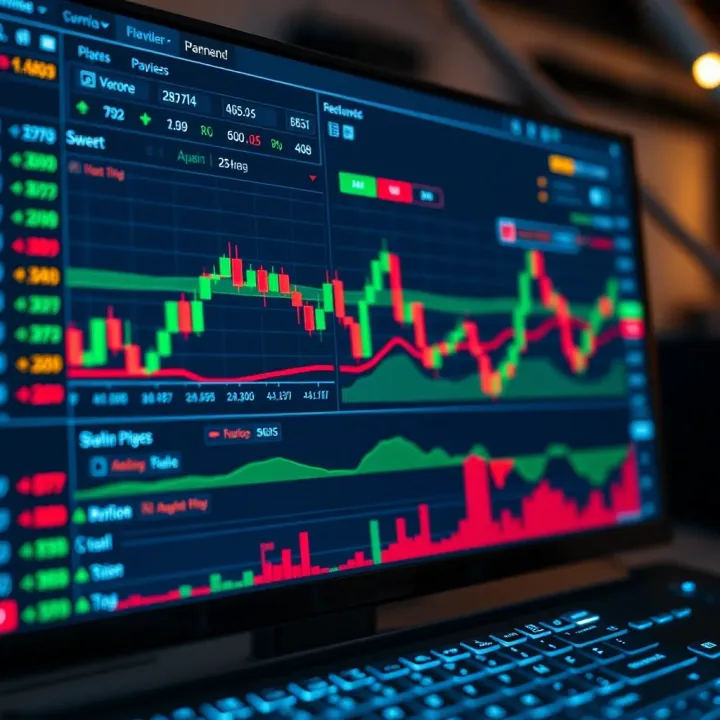
📈 Discover top forex trading systems tailored for South African traders. Learn how to choose, test, and manage risk for better forex results locally.
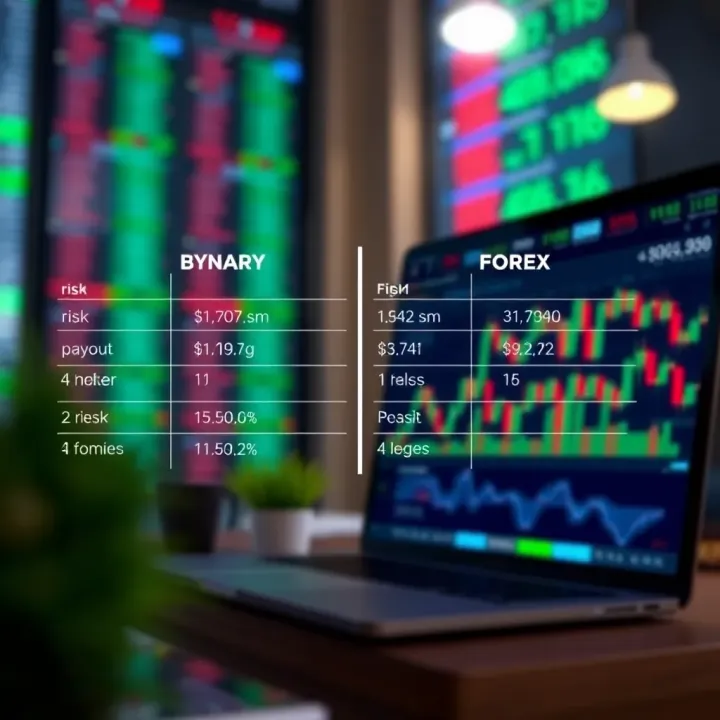
📈 Explore the main differences between binary and forex trading, plus key tips for South African traders on regulation, risks, and effective trading strategies.
Based on 15 reviews