
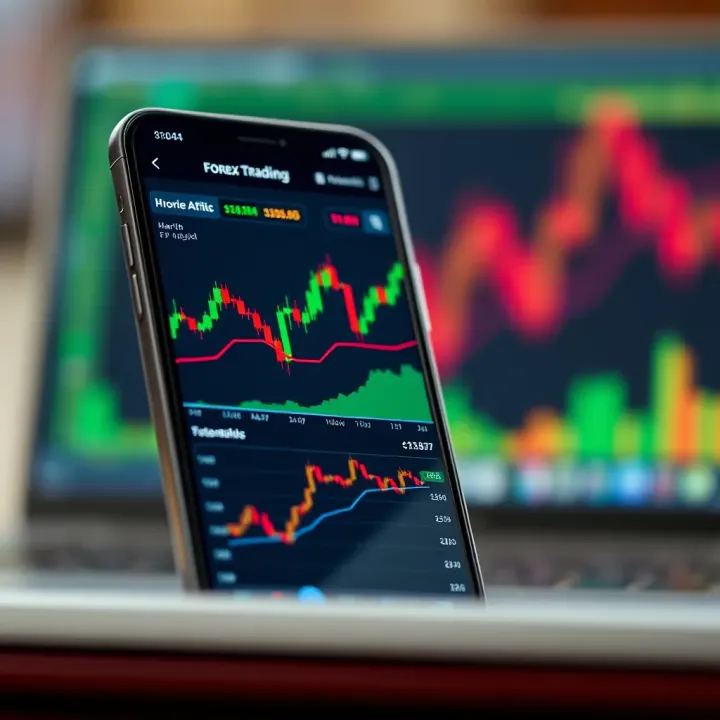
Best Forex Trading Apps for South African Traders
Find the best forex trading app in South Africa 🇿🇦. Discover top features, safety tips, cost insights, and what each app offers for smarter trading decisions 📈.
Edited By
Henry Wilson
When you’re looking to trade forex in South Africa, picking the right app can make a huge difference. With a good forex trading app, you get access to live rates, charts, and execution speeds that actually give you a shot at making decent returns. But not every app is cut out for the South African market, so you need to be careful.
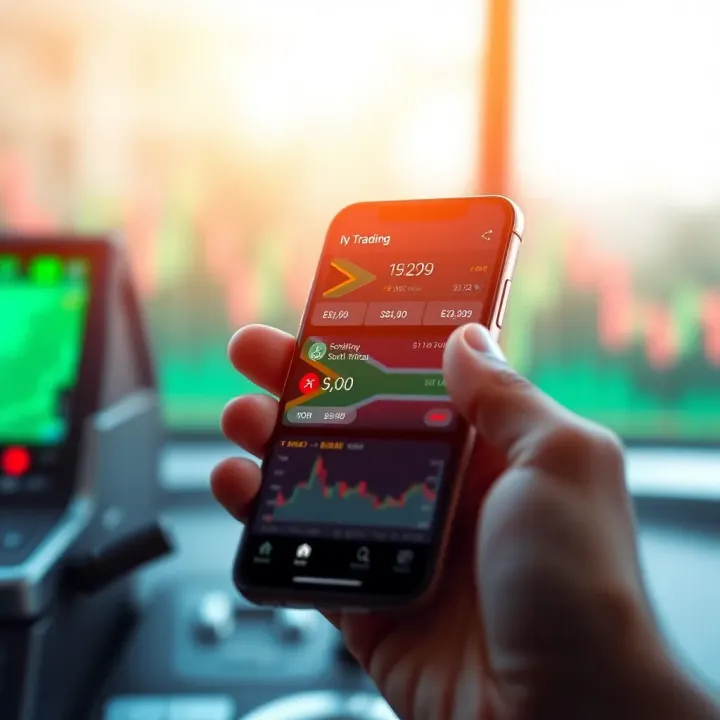
Regulation: Only choose apps regulated by the Financial Sector Conduct Authority (FSCA). This protects your money and ensures fair play.
Costs and spreads: Trading fees can eat into profits quickly. Look for transparent spreads and low commission.
Local bank support: It’s easier when the app supports Rand deposits and withdrawals without excessive charges.
User interface: A clean, easy-to-navigate app helps you react faster to market moves.
Some well-known apps South Africans trust include IG, Plus500, and AVAtrade, which have good local payment options and FSCA registration. Still, your choice should depend on your trading style—whether you prefer scalping, day trading, or longer-term positions.
"Always double-check the app’s regulation status and payment methods before you start trading. It’s not worth risking your hard-earned Rands with dodgy platforms."
Even the best app won’t convert you into a profitable trader overnight, but it can reduce hassles and keep your funds more secure. Remember, forex trading carries risk, so only invest money you can afford to lose.
Next up, we’ll look at how to assess security features and regulation details to keep your trading safe in South Africa’s unique environment.
Forex trading apps have become essential tools for anyone serious about participating in the currency markets. These apps put the power of the forex market right into your pocket, offering direct access without being tied to a desktop or office. For South African traders, using a robust app means you can respond swiftly to currency movements influenced by both local developments—like SARB announcements—and international events.
Forex trading apps let you tap straight into the global currency market 24/5, which is crucial since forex operates across different time zones. Whether you want to trade the USD/ZAR pair or EUR/GBP, apps connect you to prices in real time. This eliminates the need for middlemen and gives you the same rates banks and institutions see. For example, with an app like MetaTrader 4, you can watch the rand's movement against the dollar during South Africa’s business day and act instantly.
Good forex apps come loaded with charting tools and technical indicators to help you analyse market trends. Features like candlestick charts, moving averages, and RSI (Relative Strength Index) calculations are standard. Using these, you can spot entry and exit points without needing complicated software. For instance, a beginner testing swing trading might use the charting tools to identify support and resistance levels right on their mobile device.
Trading apps simplify placing orders—whether it’s market orders, limit orders, or stop-losses—directly from your phone. You don’t miss out on timely opportunities because the app handles order entry and modifications swiftly. Many apps also let you track your open positions and manage risk by adjusting stop-loss orders on the fly, which is particularly handy during volatile periods like unexpected SARB rate announcements.
Trading on a mobile app means you’re not chained to a desk. In South Africa, where internet access varies and commuting can take hours, having a reliable app means you can check market conditions or adjust trades during a taxi ride or coffee break. A good forex app ensures you’re never out of touch when opportunities arise—your market is always within reach.
Forex markets react fast to news, often within seconds. Trading apps provide real-time price feeds and alerts, keeping you updated 24/5. For example, if there’s sudden volatility in the rand due to political announcements or Eskom developments, your app can notify you immediately so you can decide whether to hold or close your position.
Managing multiple trades simultaneously becomes smoother on a mobile app. You can easily monitor your portfolio, close losing positions, or scale profits while on the move. For traders juggling daily life and forex, this flexibility means no missed chances, unlike traditional desktop setups.
Using a forex trading app isn’t just about convenience—it’s about staying competitive and responsive in a market where seconds can make a big difference.
By understanding what these apps offer and why mobile access matters, South African traders can better choose a platform that fits their style, risk appetite, and schedule.
Choosing the right forex trading app involves more than just picking the flashiest platform. For South African traders, certain factors make a bigger difference. These include regulatory compliance, cost transparency, security, and how user-friendly the app is. Paying attention to these elements helps you trade smarter, protect your funds, and avoid pitfalls.
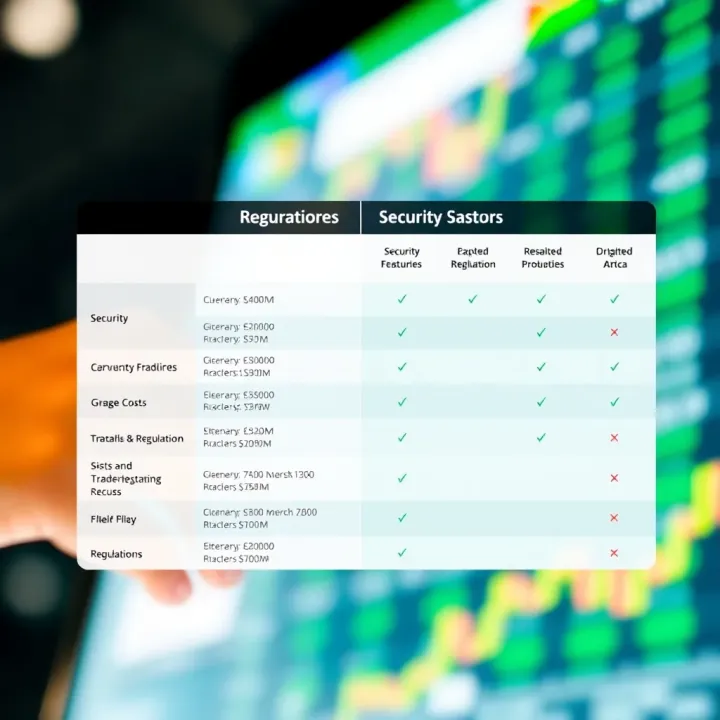
South Africa’s Financial Sector Conduct Authority (FSCA) regulates forex trading to protect traders from shady operators. Using an app linked to an FSCA-licensed broker gives you legal recourse if things go wrong. For example, some offshore brokers might claim to serve South Africans but don’t comply with FSCA rules. Choosing licensed brokers ensures your trades operate within a monitored framework and your funds have a layer of safeguarding.
Trading apps handle sensitive details—from ID documents (due to FICA requirements) to banking info. South African laws like the Protection of Personal Information Act (POPIA) require that apps keep your data locked tight. That means apps should have clear privacy policies and take measures like encryption to prevent unauthorized access. Traders need to ask, “Who holds my data, and do they respect privacy rules?” Before committing, check if the app complies with local data laws.
Basic passwords won’t cut it for forex trading apps. Two-factor authentication (2FA) adds a necessary extra step, commonly via mobile SMS or authenticator apps, to verify it’s really you logging in. This cuts the risk of hacks, especially on mobile devices that might be lost or stolen. An app without 2FA is like leaving your cellphone unlocked — risky territory for your trading account and personal info.
The spread is the difference between buying and selling prices of currency pairs. Brokers might offer tight spreads but load commissions on top. Alternatively, some advertise zero commission with wider spreads. For active traders, these small differences add up fast. For example, a spread of 2 pips on EUR/USD versus 1 pip can affect profits substantially over many trades. Choose apps with transparent, competitive spreads that fit your trading style.
Funding your account with rand or withdrawing profits can attract fees, especially when using some international brokers. Some apps accept local payment methods like EFT or PayFast, keeping costs low. Others charge percentage fees or fixed amounts that chip away at your balance. It's smart to compare these fees upfront, considering how often you plan to move money. Avoid nasty surprises that reduce your effective capital.
Costs don’t just reduce your bottom line; they can sway your overall strategy. High fees make scalping or day trading less viable because profits get eaten up quickly. Conversely, longer-term swing traders might absorb moderate fees better. When costs pile up, even a winning strategy can turn unprofitable. Factor these into your calculations when picking an app and broker.
An intuitive app saves time and avoids costly mistakes during fast market moves. Apps should clearly display charts, trading options, and account information without clutter. For instance, apps that let you place stop-loss orders with a simple tap reduce errors. Look for clean layouts and easy navigation to make trading comfortable, especially on smaller screens.
Markets move fast, and delays can cost you money. Apps must process orders quickly and maintain stable connections even during peak trading times. Poorly performing apps might show delayed price feeds or fail to execute trades instantly, often the difference between profit and loss. Prioritise platforms with high uptime and fast trade execution.
The app should run smoothly on your preferred device—whether that’s Android smartphones, iPhones, or tablets—and offer the core features across all. Some traders like having desktop access alongside mobile, especially for detailed chart analysis. Also, check compatibility with your broadband or mobile data limits, as heavy data apps can be tricky with South Africa’s pricey mobile internet.
Selecting a forex trading app is about finding a balance between trust, cost, and convenience. Keeping these key factors in focus will help you find an app suited to your trading needs and local realities.
Choosing the right forex trading app is a key step for any South African trader looking to navigate the currency markets effectively. This section examines some of the top apps available locally, blending international standards with local considerations. By breaking down each app's features and accessibility, traders can make informed decisions that suit their trading style and needs.
MetaTrader 4 and 5 are among the most popular forex platforms worldwide, and for good reason. They offer a powerful set of tools for technical analysis and automated trading via Expert Advisors (EAs). Both versions support numerous indicators and charting options, making them ideal for traders who value depth in analysis. In South Africa, many brokers integrate these platforms, allowing rand deposits and local payment options. The drawback is that the interface isn’t as fresh or straightforward as some modern apps, but veteran traders often prefer MetaTrader for its reliability and community support.
IG Trading provides a more user-friendly, sleek mobile app with a broad range of markets beyond forex, including shares and indices. It caters to those who want a clean interface and easy navigation without sacrificing performance. IG also offers educational materials and daily market insights that help South African traders stay up to speed. Its regulation by the UK's FCA and local FSCA oversight through partners adds an extra layer of safety.
ForexTime (FXTM) has gained traction among South African traders for its flexible account types and localised support, including the ability to fund accounts in South African Rand. FXTM’s app suits beginners and intermediate traders alike, with instant trade execution and clear tools for risk management. South African traders appreciate FXTM’s webinars and local events that provide insight into trading strategies and market behaviour.
Simbank FX App stands out as a homegrown option tailored for local traders. It offers rand account support and optimises for mobile devices commonly used in South Africa. Since Simbank is locally regulated, the app integrates FSCA compliance checks like FICA verification, speeding up account opening. Its straightforward and fast platform appeals to users looking for no-nonsense trading.
EasyEquities Trading App with forex options expands its well-known share trading platform to include forex. The app is highly accessible and perfect for casual traders who want to manage various asset types through a single interface. It supports rand deposits and withdrawals via standard South African banking methods, so making deposits during loadshedding or outside business hours becomes less of a hassle.
CM Trading Mobile App combines an intuitive design with features such as copy trading and market analysis, which appeal to South Africans new to forex or those who prefer passive strategies. The localised approach of accepting payments in rand and supporting popular deposit methods helps it bridge the gap between international forex dynamics and local trading realities.
Account set-up process varies from app to app but is crucial in choosing which platform to trust. South African regulations require brokers to comply with the Financial Intelligence Centre Act (FICA), meaning identification documents and proof of address must be verified before trading. Apps like Simbank and EasyEquities streamline this process directly from the mobile interface, which cuts down waiting times significantly.
Payment methods including rand deposits significantly affect convenience and cost. Platforms allowing direct rand deposits avoid costly currency conversion fees. Look out for apps offering local e-wallets, EFT payments, or card options from South African banks. This flexibility can make funding quicker, especially during weekends or load shedding periods.
Customer support channels also matter when things go sideways. The best apps offer swift communication via live chat, WhatsApp, or phone calls during South African business hours. Support in local languages or at least clear English makes a difference, especially for newer traders needing guidance with technical or account issues.
When evaluating a forex trading app in South Africa, consider how well its features fit your trading approach and daily life. A well-regulated, locally supported app that makes deposits and communication easy will save both time and money down the line.
Starting forex trading through an app simplifies access to global currency markets, making it easier for South Africans to engage with forex on their own terms. A smooth onboarding process combined with practical funding options ensures traders can begin quickly without unnecessary hassle. Understanding the basics early, including how to manage your account and trades, lays a solid foundation.
Completing the registration process is your first port of call. This usually involves submitting basic personal details such as your name, email address, and residential address. Most reputable apps walk you through this quickly, but be ready with supporting documents. The app should clearly explain each step to avoid confusion — for example, showing required fields or loading indicators keeps the process straightforward.
Verifying identity under FICA rules is mandatory in South Africa to prevent fraud and money laundering. The Financial Intelligence Centre Act (FICA) requires traders to provide proof of identity and residence, often a South African ID document and a recent utility bill or bank statement. Many apps integrate this step directly, allowing you to upload photos or scans through the app, speeding up approval. Keep in mind, delays can happen if documents aren't clear or up to date, so check beforehand.
Methods to deposit rand and manage withdrawals are critical for a hassle-free experience. Leading apps offer multiple local payment methods like EFT (Electronic Funds Transfer), credit/debit cards, or even instant EFT options through platforms such as Instant EFT or Zapper. Some also accept payments via South African mobile wallets. Withdrawals usually take a bit longer due to security checks, but straightforward processes with clear timelines help keep things transparent. Avoid apps that charge excessive fees on deposits or withdrawals, as these erode your trading capital.
Understanding currency pairs is fundamental before trading. Forex always involves trading one currency against another, like the US dollar against the South African rand (USD/ZAR). Each pair behaves differently depending on economic factors, political events, and even commodity prices. Learning how these pairs move helps you make informed decisions rather than guessing. For instance, the rand often shows volatility around local events like SARB rate announcements or changes in commodity exports.
Risk management and stop-loss techniques help protect your investment from unexpected shifts. A stop-loss order automatically closes your trade at a specified loss level, limiting how much you can lose on any trade. Without these, a single bad move could drain your account quickly. Beginner traders should set stop-loss levels carefully, balancing room for market fluctuations with protection from serious hits.
Demo accounts to practice trading give you a risk-free chance to get comfortable with the app and try strategies. These simulated accounts use virtual money but reflect real market conditions. They let you test timing, order types, and risk limits without losing cash. Many South African brokers, including international platforms like MetaTrader and local apps from brokers like Simbank, offer demo accounts. Starting here builds confidence before live trading.
Taking the time to properly open, verify, and fund your account while learning the basics in a demo environment can save you from costly mistakes later on. The right start is key to trading success.
Navigating the world of forex trading in South Africa demands more than just choosing the right app. Practical advice and caution can spare traders from costly mistakes and unnecessary risks. This section highlights essential warnings and tips that every trader should bear in mind, especially considering the unique local environment and regulatory landscape.
Recognising unregulated brokers is vital. Traders who deal with brokers not licensed by the Financial Sector Conduct Authority (FSCA) expose themselves to serious risk. These brokers may not adhere to safety standards or client fund segregation rules common in South Africa, leaving you vulnerable to losing your investment without recourse. Always check the FSCA’s list of authorised forex brokers before opening an account.
Beware of unrealistic promises from brokers or platforms promising guaranteed overnight profits or miracle strategies. Forex markets are volatile and unpredictable; no app or broker can guarantee consistent gains. Such promises often signal high-risk schemes or outright scams, so keeping a critical eye on claims is essential.
Protecting your personal and financial information is another crucial aspect. Fraudsters can exploit weak security to access your bank details or trading account. Ensure your forex app uses strong encryption, offers two-factor authentication, and never shares your login data. Avoid using unsecured public Wi-Fi when trading or managing your account.
Volatility and market risks mean forex trading isn’t for those expecting smooth sailing. Price swings can be sharp and sudden, influenced by local events like interest rate decisions by the South African Reserve Bank (SARB) or unexpected municipal unrest affecting the rand. Understanding these risks helps manage your position sizes and avoids blowing your account in a short time.
Continuing education resources prove invaluable. Platforms like the Investopedia forex section or local online courses from the JSE can deepen your understanding of trading mechanics, technical analysis, and risk control. Regular learning helps you avoid repeating common beginner mistakes and adapt to changing market conditions.
Keeping up with global and local economic news is non-negotiable. Forex markets react quickly to political developments, commodity price shifts, and economic data releases—whether it’s the SARB’s repo rate announcements or the US Federal Reserve’s decisions. Following reliable sources and economic calendars allows traders to anticipate volatility and adjust their strategies accordingly.
Staying cautious, informed, and disciplined in forex trading isn’t just good practice—it’s a necessity to protect your capital in a complex and fast-moving market.
By applying these practical warnings and advice, South African traders can increase their chances of trading successfully while steering clear of common traps and misleading offers.
Find the best forex trading app in South Africa 🇿🇦. Discover top features, safety tips, cost insights, and what each app offers for smarter trading decisions 📈.
🌍 Learn the essentials of forex trading, from currency pairs to risk management, with practical tips tailored for South African traders. 📈💰

Explore top Forex trading seminars in South Africa 🇿🇦. Learn how to select the best seminar, key topics, and tips to get the most from your experience 📈📝.
Stay alert to forex trading scams targeting South Africans 🚨 Learn key signs, protect your money, and report fraud to keep investments safe.
Based on 10 reviews