
Best Forex Trading Indicators Explained
📈 Discover the best forex trading indicators! Learn how to use top tools, identify strengths, weaknesses, and combine them for smarter trades in South Africa.
Edited By
Thomas Grey
In forex trading, knowing exactly when to enter and exit the market can make all the difference between a tidy profit and a frustrating loss. Entry points refer to the specific moments when a trader decides to open a position, while exit points indicate when that position should be closed. Nailing these decisions requires more than gut feeling—it calls for understanding market signals, managing risk, and staying disciplined.
Unlike stocks or bonds, the forex market moves rapidly, sometimes shifting dramatically within minutes. This volatility offers both opportunities and risks, so recognising precise entry and exit points is vital to safeguard your capital and optimise returns.
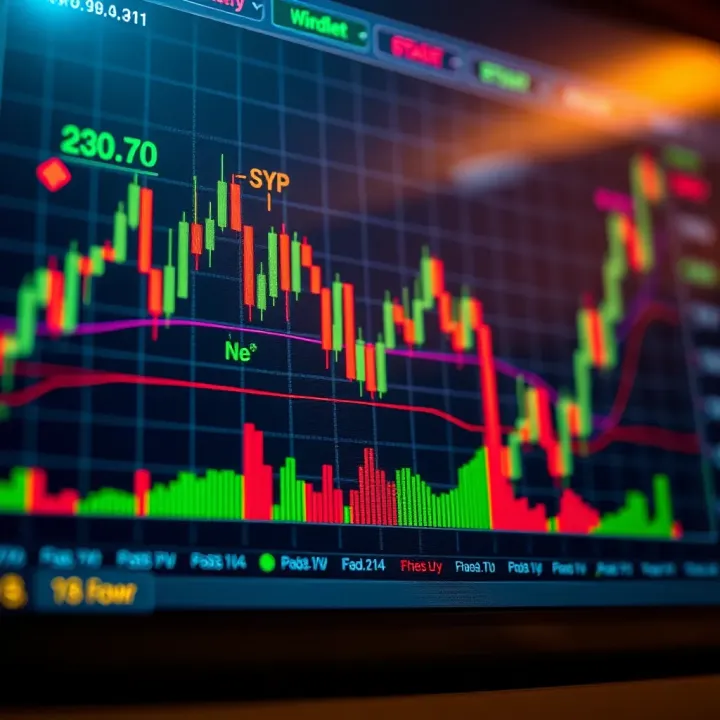
Smart trading is about timing. Plunging in without clear entry and exit criteria often leads to unnecessary losses and emotional stress.
Several factors come into play when spotting good entry and exit points, including:
Technical indicators: Tools like Moving Averages, Relative Strength Index (RSI), and Fibonacci retracements help outline support and resistance levels where price reversals might occur.
Market trends: Identifying whether a currency pair is in an uptrend, downtrend, or sideways movement guides your decision on when to buy or sell.
Risk management: Calculating stop-loss and take-profit levels based on your risk tolerance protects your investments from major setbacks.
Psychological readiness: Emotional discipline ensures you stick to your trading plan rather than reacting impulsively.
For example, say the EUR/USD is trending upwards on a one-hour chart, and the RSI shows the pair just bounced off a support level around 1.0800. A trader might enter a long position there, placing a stop-loss just below 1.0780, and decide to exit near the next resistance level at 1.0850.
Use multiple indicators to confirm signals. Don’t rely on a single tool; cross-checking reduces false alarms.
Watch for candlestick patterns. Reversals like hammer or shooting star formations often signal turning points.
Stick to your trading plan. Predetermine your entry, exit, and risk levels before executing.
Keep an eye on news. Unexpected economic releases can impact currency movements swiftly.
Mastering entry and exit points takes time and practice but focusing on clear, data-driven signals, combined with solid discipline, puts you in the best position to succeed in forex trading.
Entry and exit points are the backbone of any forex trading strategy. They mark the exact moments when a trader decides to buy or sell a currency pair, setting the stage for potential profits or losses. Understanding these points is key because even a well-researched trade can falter without timely execution. For example, entering a trade just as the market reverses can wipe out gains quickly.
In practice, identifying good entry points involves spotting moments when the price is likely to move favourably. An exit point, meanwhile, signals when to close the position — either to lock in profits or cut losses. These two decisions directly influence the overall trading outcome. Timing is crucial: getting in too early or too late, or holding on for too long, can all affect your bottom line.
In its simplest form, an entry point is the price level at which you open a trade. It’s where you commit your capital to buy (go long) or sell (go short) a currency pair. For instance, a trader might see a breakout above a resistance level on the EUR/USD chart and enter a buy position at that price.
An exit point is the price at which you close the trade, either to realise profits or to stop further losses. This might be a pre-set profit target, or a stop-loss order placed to limit damage if the market goes against you. Using the previous example, if the EUR/USD reaches a set target or shows signs of reversal, the trader exits to protect their capital.
The choice of entry and exit points can make or break a trade. Good entry points increase the probability of riding a profitable trend, while smart exit points ensure gains are captured before the market swings back.
Consider two traders: one enters a position at the breakout and sets a reasonable stop-loss and take-profit. The other jumps in later after the price has surged and exits too late, letting profits slip away or turning a winner into a loser. The first trader’s odds of success are higher because the entry and exit were aligned with market signals and risk management.
Precise entry and exit decisions are not guesswork—they rely on analysis, discipline, and a clear plan. Muddling those decisions often leads to unnecessary losses.
Trading without clear entry and exit points is like walking in the dark—unplanned and risky. Conversely, defining these points sharply helps traders control risk, improve consistency, and build confidence in their approach. Keeping a trading journal that records entry and exit rationale can also sharpen your decision-making over time.
In short, mastering the timing of entry and exit points puts you in the driver’s seat of your forex journey — not just a passenger hoping for the best.
Successful forex trading depends largely on choosing the right entry point. Entry points determine when you start a trade, affecting your potential profit and risk exposure. Considering multiple factors, such as market trends, technical tools, and fundamental drivers, helps pinpoint those moments when opening a position makes more sense.
Market trends offer a clear direction, and understanding them helps you align trades with the bigger picture rather than fighting the current. For instance, when the rand is steadily strengthening against the US dollar due to a positive economic report, jumping in early during an uptrend can boost your profit chances.
Price action, or how price moves on the chart without relying on indicators, helps confirm trend strength or turning points. Observing candlestick patterns, like bullish engulfing or hammer formations on an hourly chart, could suggest a short-term reversal, signalling a potentially good entry. It's essential to combine trend analysis with price action to refine entry timing and avoid entering amidst market noise.
Technical indicators assist traders in identifying precise moments to enter trades by analysing historic price data.
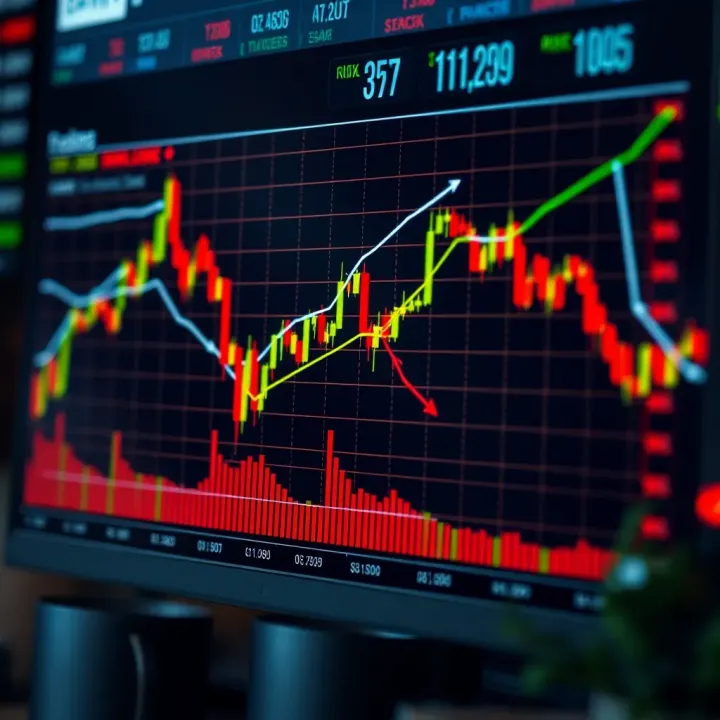
Moving averages smooth out price fluctuations to reveal the underlying trend. For example, a common method uses the 50-day and 200-day moving averages. When the 50-day crosses above the 200-day—a "golden cross"—it often signals a bullish entry point. Conversely, a "death cross" warns of a downtrend.
In the forex market, shorter moving averages like the 10-day or 20-day on shorter timeframes can also suggest entry points when they cross or bounce off price levels. This tool is particularly useful when paired with volume data or other indicators to confirm signals.
RSI measures momentum by indicating whether a currency pair is overbought or oversold. An RSI reading above 70 suggests overbought conditions where a price drop might be imminent, while below 30 indicates oversold levels that might bounce back.
For example, if the EUR/ZAR shows an RSI dropping below 30, a trader might consider that an opportunity to enter a buy position anticipating a reversal. However, using RSI alongside other tools prevents premature entries during strong trends.
MACD helps identify shifts in momentum and trend direction by comparing short-term and long-term moving averages. When the MACD line crosses above the signal line, it can mark a bullish entry, and vice versa for a bearish entry.
In practical terms, if the GBP/USD MACD crosses above its signal line while the price remains above a key support level, it could indicate a strong buy opportunity. This indicator also helps spot divergence between price and momentum, which might hint at upcoming reversals.
Fundamentals like interest rate decisions, geopolitical events, or trade balances directly affect currency values. For example, if the South African Reserve Bank announces a surprise rate cut, the rand might weaken against major currencies, signalling a potential short entry.
Monitoring economic calendars for scheduled releases—such as GDP figures or employment data—allows traders to avoid volatile periods or take advantage of predictable movements. Integrating fundamental insights with technical analysis offers a fuller picture when choosing entry points, especially for swing or position traders.
Good entry decisions rely on a mix of trend awareness, indicator signals, and fundamental context. Ignoring one aspect often leaves traders vulnerable to false signals or unexpected market shifts.
It pays to stay patient and disciplined, combining these factors to increase your odds of stepping into trades under more favourable conditions.
Knowing when to exit a forex trade can be just as important as deciding when to enter. A poor exit can wipe out any gains made or even increase losses. That’s why effective exit strategies are essential—they help lock in profits and limit damage during downturns.
Setting clear profit targets and stop-loss levels before entering a trade keeps emotions in check and provides structure. Profit targets are levels at which you plan to take profits, while stop-losses define your maximum tolerable loss.
For example, say you buy EUR/USD at 1.1500 and set a profit target at 1.1600 with a stop-loss at 1.1450. You stand to gain 100 pips if the trade moves your way but only risk 50 pips if it goes against you—a risk-reward ratio of 1:2. This approach helps maintain discipline and avoid greed or panic selling.
Market reversals often mark ideal exit points. Look for technical clues like candlestick patterns (e.g. doji or shooting star), bearish or bullish divergences in momentum indicators such as the RSI, or price failing to break key support or resistance zones.
Take a scenario where USD/ZAR has rallied strongly but forms a double top near a resistance level around 18.00. If the RSI also shows bearish divergence, these signs suggest buyers are tiring. Exiting or tightening stops around this zone can help preserve profits before the trend reverses.
Volatility impacts how wide your stops or targets should be. When market volatility spikes—perhaps due to economic data releases or geopolitical events—it’s sensible to widen stop-losses to avoid getting stopped out prematurely.
For instance, during an unexpected rate cut by the South African Reserve Bank (SARB), the rand may swing wildly against major currencies. Traders who adjust exit levels accordingly stand a better chance of riding out the noise without unnecessary exits.
Effective exit strategies balance locking gains with protecting capital. Setting defined profit and stop levels, watching for signs of trend exhaustion, and adapting to changing volatility are practical steps traders can take to improve overall results.
By applying these methods thoughtfully, forex traders can manage trades more confidently and avoid being caught flat-footed when the market shifts.
Managing risk is a fundamental part of forex trading, especially when deciding where to enter and exit the market. Without a solid risk management framework, even the best trading strategies can fall apart. Every trade carries a risk of loss, and controlling this risk is what separates disciplined traders from those who leave their fate to chance. In practical terms, this means setting clear boundaries before entering a trade, which helps protect your capital and boosts confidence in your decisions.
Risk-reward ratios help you weigh potential returns against possible losses in each trade. A common recommendation is to aim for a minimum risk-reward ratio of 1:2. This means if you're risking R1,000, your potential profit should be at least R2,000. This approach ensures that even if you lose more trades than you win, you can still come out ahead overall.
Consider a scenario where a trader enters the EUR/USD market with a stop-loss set at 50 pips and a take-profit target of 100 pips. The risk-reward ratio here is 1:2, balancing the trade in favour of profit. Consistently applying sound risk-reward ratios prevents traders from chasing losses and falling into traps caused by emotional decision-making.
Stop-loss orders are the most straightforward tool for limiting losses. By setting a stop-loss, you instruct your broker to close a position when the price hits a predetermined level, limiting the amount you can lose on that trade. For example, suppose you buy USD/ZAR at R15.00 but place a stop-loss at R14.80. If the price falls to R14.80, your position automatically closes, capping losses at R0.20 per unit.
The beauty of stop-loss orders is their objectivity; they remove emotions from a trade and ensure that losses don’t spiral out of control, especially important in volatile forex markets like South Africa’s rand crosses during periods of high global uncertainty.
Trailing stops build on the concept of stop-losses but offer more flexibility, especially when prices move favourably. A trailing stop adjusts automatically, moving in line with the market price but never backwards. For instance, if you set a trailing stop 50 pips behind the current price on a long position, the stop-loss will rise as the price moves up, locking in profits while allowing the trade to grow.
This tool is particularly beneficial during trending markets, helping you stay in the trade longer while securing gains. It means you don't have to constantly monitor the charts; the trailing stop follows the price upswing, only triggering if there’s a reversal.
A trading plan should be your roadmap for every trade, clearly outlining entry and exit points, risk parameters, and strategies for different scenarios. Sticking to this plan is critical because the temptation to deviate — driven by sudden market moves or emotional reactions — is strong.
Imagine you plan to risk 2% of your trading account on a particular trade with a 1:3 risk-reward ratio. Sticking to this plan means adhering to your stop-loss and take-profit points and not altering your risk exposure halfway through, no matter what the market is doing. This consistency helps you avoid common pitfalls like overtrading or holding losing positions too long.
Consistent risk management around entry and exit points isn't just about protecting capital — it’s about building habits that allow you to trade with confidence and clarity, even when markets are unpredictable.
In summary, managing risk through a solid grasp of risk-reward ratios, using tools like stop-loss and trailing stops, and following a disciplined trading plan forms the backbone of successful forex trading. These guardrails help maintain your edge and keep you in the game for the long haul.
Trading is not just about charts and technical analysis—your mindset shapes a lot of what happens when you enter or exit a trade. The psychological aspects surrounding entry and exit decisions often make the difference between consistent profits and repeated losses. Understanding how emotions and cognitive biases influence your behaviour will help you stick to your plan and make evidence-based choices rather than impulsive ones.
Maintaining emotional discipline means keeping your feelings in check, especially in the heat of market moves. Impulsive trading, driven by greed or fear, often leads to premature entries or delayed exits. For example, a trader may jump into a position because of a sudden price spike without confirming if the trend is strong or just a quick blip. This tends to result in losses or unnecessary risk exposure.
Staying disciplined means waiting for your predefined signals and sticking to your rules, even when the market tempts you to act differently. It’s like waiting for the green robot to cross the road safely rather than dashing across when cars are still moving. Building this kind of patience is tough but essential. Traders often benefit from journalling their decisions to reflect on emotional triggers behind impulsive moves.
Overtrading happens when a trader takes too many trades in a short period, often out of boredom or the urge to recover past losses quickly. This tends to increase transaction costs and exposes the trader to unnecessary market risk. For instance, a forex trader might overreact to minor price fluctuations during low-volatility hours, entering and exiting repeatedly with small losses that add up over time.
To avoid this, set strict criteria for trade setups and limit your daily or weekly trades. Quality over quantity is the mantra here. Overtrading can also trigger emotional exhaustion, causing even more poor decisions downstream.
Leaving a losing trade open for too long, hoping the market will turn around, is a common pitfall. It ties up capital and inflates potential losses. For example, a trader who ignores a stop-loss and holds onto a position expecting a rebound might find themselves underwater when the market continues against them.
To manage this, always stick to your stop-loss orders and periodically review your open trades objectively. Sometimes, cutting losses early is the smartest move, freeing you to capitalise on better opportunities later.
FOMO is the urge to jump into a trade because you see others profiting or notice a rapid price move. This often results in entering late, at a less favourable price, increasing risk. Suppose a currency pair suddenly rallies due to news, and a trader hastily buys in without verifying if the move is sustainable—they might get caught in a pullback soon after.
Combating FOMO requires trusting your analysis and trading plan. Remind yourself that opportunities will come again, and chasing the market out of fear usually backfires.
Psychological discipline isn’t just a nice-to-have—it’s fundamental for successful forex trading. Mastering your mind protects your capital and sharpens your edge.
By recognising these psychological factors and guarding against them, you make smarter decisions about when to enter and exit positions. The market’s fast pace can be intimidating, but with emotional control and awareness of common traps, you gain steadiness to trade more confidently and effectively.
📈 Discover the best forex trading indicators! Learn how to use top tools, identify strengths, weaknesses, and combine them for smarter trades in South Africa.

🌍 Learn what forex trading is, how the market works, who trades, and key strategies. Understand risks and benefits to trade confidently in South Africa’s markets. 📈💱

Thinking of starting forex trading with just R100? 💸 Learn about platforms, risks, and how to manage small funds in SA's market. Start smart and stay informed! 📊
Learn about halal forex trading 📈, key Shariah compliance principles, practical strategies, and how Muslim traders in South Africa navigate ethical forex markets.
Based on 6 reviews