
Understanding Halal Forex Trading Basics
Learn about halal forex trading 📈, key Shariah compliance principles, practical strategies, and how Muslim traders in South Africa navigate ethical forex markets.
Edited By
Isabella Morgan
Starting forex trading with just R100 might sound a bit like trying to squeeze a full braai into a tiny firepot—possible, but you need the right tools and realistic expectations. While forex markets offer exciting opportunities, kicking off with a small budget means you need to be especially mindful of risks, costs, and trading platforms.
Many traders in South Africa wonder if a modest amount like R100 can stretch far enough to begin trading currencies. The forex market typically demands less capital compared to the JSE or property, but that doesn't mean you can just jump in without preparation or end up with quick profits. Think of R100 as your starting seed—a place to learn, not immediately make big gains.
Leverage is Common but Risky: Trading platforms often offer leverage, letting you control a larger position than your deposit. With R100, you might get leverage of 1:100 or more, theoretically turning your tiny deposit into a trade size of R10,000. But this is a double-edged sword—losses can build fast, wiping out your account in minutes if you’re not careful.
Costs Eat Into Small Balances: Spread and commissions are fees charged by brokers. On such a small stake, these costs take a bigger chunk. For example, if the spread equals a 0.1% move, your trade needs to gain more than that just to break even.
Limited Position Sizes: Not every platform allows micro or nano lots. Some require a minimum trade size that could exceed what R100 can support. Shop for brokers popular with South African traders that offer small trade sizes to accommodate tight budgets.
Look for platforms that:
Accept small deposits (R100 or less)
Offer low spreads and no hidden fees
Provide access to practice/demo accounts
Are regulated by known bodies (FSCA is a plus)
Platforms like EasyEquities and Plus500 are popular locally for beginners, with EasyEquities giving exposure to forex CFDs alongside shares.
Tip: Start with a demo account before risking your R100. This helps you get familiar with how trades work without losing money upfront.
You won’t retire from trading with R100 tomorrow. The focus should be on learning, understanding market movements, and practising risk management. Set small, realistic goals and use your initial trades as lessons.
In sum, starting with R100 requires caution but is not impossible. Selecting the right platform and grasping the inherent risks are your foundations for building from a small pot into a more meaningful trading journey.
Getting the basics right is key if you plan to trade forex, especially with a small amount like R100. Understanding how forex works helps you make smarter decisions, manage risks, and avoid beginner traps. Without a clear grasp of the essentials, it’s easy to lose money quickly or fall for misleading promises.
Forex trading means buying and selling currencies against each other to profit from changes in their exchange rates. Unlike the stock market, which deals in company shares, forex involves global money pairs, like the US dollar against the euro or the South African rand against the US dollar. When you trade forex, you’re basically speculating whether one currency will strengthen or weaken compared to another.
For example, if you think the rand will weaken against the US dollar because of some economic news, you might sell the ZAR/USD pair. If your prediction is correct and the rand loses value, you could close your trade for a profit. However, forex can also be quite volatile, so knowing when and what to trade is crucial.
Currency pairs and exchange rates: Currencies in the forex market are quoted in pairs — the first currency is the base, and the second is the quote currency. The exchange rate tells you how much of the quote currency you need to buy one unit of the base currency. For instance, if the ZAR/USD exchange rate is 0.065, it means R1 buys 6.5 US cents.
Trading revolves around predicting if the base currency will appreciate or depreciate against the quote currency. When the rate changes, so does the value of your trade. This is why staying on top of economic indicators and geopolitical events affecting these currencies is valuable.
Trading hours relevant to South African traders: Forex runs 24 hours a day from Sunday evening to Friday night, cycling through four major sessions: Sydney, Tokyo, London, and New York. For South African traders, the London and New York sessions overlap with local time roughly from 9 am to 5 pm SAST, which are the most liquid and active periods.
Trading during these hours generally means tighter spreads and more opportunities to enter or exit trades without slippage. Being active during low liquidity hours, like the Sydney session, can be riskier because price movements may be erratic and spreads wider. Understanding when the market is busiest helps you plan your sessions effectively, even if your starting capital is just R100.
A solid grasp of how forex operates — from currency pairs to trading hours — sets a foundation that supports sensible trading choices and better money management.
Starting forex trading with just R100 might sound like a tall order, but it's more achievable today than ever before. With growing access to brokers and platforms that cater to small-scale traders in South Africa, this entry-level capital can open doors to the forex market. However, it’s key to understand the limitations and realistic expectations tied to starting with such a modest amount.
When you're working with R100, your main advantage is the chance to gain hands-on experience without risking large sums. This is especially relevant given the volatile nature of forex trading. Think of it like training wheels — you’re learning the ropes but should avoid expecting significant profits right off the bat. Still, having access to brokers who accept low minimum deposits makes this possible without needing a big upfront commitment.
Several brokers welcome South African traders with low minimum deposit requirements. For example, platforms like HotForex, XM, and FBS allow deposits as low as R100, making them accessible for beginners testing the waters. These brokers generally comply with Financial Sector Conduct Authority (FSCA) regulations or have international credibility, offering a safer environment to start.
Choosing a broker familiar with South African regulatory standards can help avoid complications with deposits and withdrawals. This means smoother transactions when linking your South African bank account or using local payment methods. Always check if the broker supports Rands directly or requires a currency conversion — this can affect your initial capital.
Brokers usually offer different account types, with some explicitly designed for small deposits. Micro or nano accounts typically accommodate trade sizes as low as 0.01 lots, letting you trade smaller volumes and limit risk exposure. For instance, a micro account lets you use R100 to open positions in popular pairs like USD/ZAR without needing huge margin requirements.
Be mindful that these accounts may come with wider spreads or additional fees, which could eat into your profits. But for a beginner, the priority should be managing risk and learning rather than chasing big returns.
Leverage lets you control a larger position than your actual deposit, which is tempting when trading with R100. If your broker offers 1:100 leverage, you could open trades worth R10,000. Still, higher leverage means higher risk — even small market moves can cause large losses. South African traders should be careful not to overdo leverage, especially with such a small balance, to avoid blowing the entire account quickly.
Proper risk management techniques such as using stop-loss orders become essential here. If you risk more than 1-2% of your capital per trade, your account might not last long. With R100, that means risking just R1 or R2 per trade, which limits how aggressive you can be but preserves your trading ability in the long run.
It’s crucial to have realistic profit expectations. With a R100 starting capital, profits are generally small and more suited to learning than earning. Even a 10% gain — which takes skill — is just R10. Conversely, without solid risk controls, you could lose R100 quickly, wiping out your account.
That said, some traders use small accounts as stepping stones, growing their balance gradually over weeks or months by compounding profits and limiting losses. Remember, forex trading isn’t a quick way to get rich, especially starting with R100. Patience, discipline, and continuous learning are the best investments you can make with a small deposit.
Trading forex with R100 is doable but demands a realistic mindset, strict risk management, and choosing the right broker and account type to make the most of your starting capital.
Picking the right trading platform and broker is a key step for anyone starting forex trading, especially with just R100. Your broker acts like a gatekeeper to the market, and the platform is your workspace for buying and selling currencies. Getting these right means safer trades, better control over costs, and a smoother experience.
In South Africa, brokers regulated by the Financial Sector Conduct Authority (FSCA) offer a safeguard that you won’t get with unregulated firms. FSCA-regulated brokers must follow strict rules around client money protection, transparent pricing, and fair business practices. This reduces risks linked to scams or brokers disappearing with your funds, which is a genuine worry in forex trading.
Using an FSCA-regulated broker means your trading funds are held separately from the broker’s operating capital, so even if the broker runs into trouble, your money is protected. For instance, well-known brokers like IG Markets and EasyEquities fall under FSCA regulation, making them reliable choices for newcomers in SA.
Trading fees and spreads are the costs you pay to enter and exit trades. Low fees are important when starting with a small amount like R100 because high costs can quickly eat into your limited capital. Spreads represent the difference in price between buying and selling a currency pair, and tighter spreads are better since you'll lose less in each trade.
For example, brokers offering fixed or floating spreads on popular pairs like EUR/USD or USD/ZAR should provide competitive rates. Always check for hidden charges such as withdrawal fees or inactivity penalties. Some brokers, like Plus500, advertise zero commission but still have spreads, so understanding the overall cost structure is vital before committing.
In South Africa, mobile trading apps have become popular due to their convenience and affordability. Apps like MT4 (MetaTrader 4) and MT5 accommodate small trades and are compatible with both Android and iOS devices. They let you place orders, monitor markets, and manage your account on the go — important for those who don’t want to be glued to a computer.
These apps often accept deposits as low as R100 or less and allow fractional trading (mini or micro lots), so you aren’t forced to risk a large chunk of your capital. This setup works well when you’re just dabbling or learning the ropes.
Demo accounts are essential for beginners, especially when starting with a small budget. They let you trade with virtual money, so you can get a feel for the platform and test strategies without risking your R100.
Most brokers offer demo accounts that replicate real market conditions. For instance, AvaTrade and FXTM provide user-friendly demo platforms tailored for South African traders. Spending time on a demo account helps you understand order types, how spreads affect entry and exit points, and build confidence before opening a live account.
Remember, choosing the right broker and platform isn’t just about shiny features or low minimum deposits — it’s about safety, cost-effectiveness, and fit for your trading style and budget. Your initial R100 will stretch further when your broker ticks the right boxes.
Risk management is the backbone of any successful forex trading strategy, especially when starting with as little as R100. Protecting your capital means preserving the small amount you begin with, giving you a chance to build and learn without wiping out your funds too fast. This section outlines practical steps to manage risks actively and avoid common mistakes that could burn through your balance.
Using stop-loss orders is a straightforward but powerful tool to limit losses. A stop-loss is an instruction you give your broker to automatically close a trade once it hits a certain loss level. For instance, if you open a position hoping the euro will strengthen but the market moves against you, the stop-loss will kick in to prevent deeper losses. This is vital when trading small amounts like R100, as even a few percentage points lost without protection could wipe out your entire account. It’s the safety net for your trades, allowing you to plan risk limits instead of gambling blindly.
Limiting leverage is equally important. Leverage lets you control a bigger position than your actual deposit, but it also magnifies losses. With just R100, it might be tempting to use high leverage to make quick profits. However, this approach can be risky. For example, using 100:1 leverage means a 1% move against your position could erase your capital. Limiting leverage to something more modest, like 10:1, reduces the chance of a swift wipeout and helps you learn trading skills without taking catastrophic blows.
Overtrading and emotional decisions are pitfalls many new traders fall into. When your starting capital is small, the urge to jump in frequently and ‘make it back’ after a loss can take over. This leads to entering trades without clear setups, chasing losses, and making knee-jerk moves driven by frustration. Overtrading not only burns your funds but also makes it harder to stick to a consistent, patient trading plan. A cool head and discipline are essential — it's better to take a few well-considered trades than dozens of reckless ones.
Scams and unreliable brokers pose another serious risk. The online forex space attracts dubious operators promising big returns with little risk. Especially when depositing small amounts like R100, some brokers may have hidden fees, poor execution, or might not allow you to withdraw your money easily. Always verify if a broker is regulated by the Financial Sector Conduct Authority (FSCA) in South Africa and look for clear reviews from other traders. Protecting your capital includes choosing a trustworthy broker to avoid nasty surprises that drain your wallet before you even get started.
Protecting your trading capital isn’t just about avoiding losses; it’s about giving yourself the chance to develop skills, understand the market, and trade another day — especially when your starting funds are tight.
By managing risks carefully and steering clear of common mistakes, starting forex trading with R100 becomes a learning process with real growth potential rather than a quick route to losing your cash.
Getting started in the forex market with just R100 demands a clear, practical approach. This section focuses on the key actions to take before placing your first trade, ensuring you’re set up correctly and trading with a plan that fits this modest budget. It’s about understanding the nitty-gritty of account setup and laying out simple strategies that respect both your limited capital and South Africa's trading environment.
In South Africa, to open a trading account with local brokers or platforms, you typically need to complete the Regulations on Interception of Communications and Provision of Communication-Related Information Act (RICA) registration. This process verifies your identity and residential address to comply with anti-money laundering laws and national security regulations. Usually, you’ll submit an ID copy alongside Proof of Residence documents like a utility bill not older than three months. This step is essential to avoid delays or account freezes, ensuring your R100 deposit won’t get stuck in bureaucratic limbo.
Most brokers operating here offer multiple payment options, but the easiest route is usually linking your South African bank account or popular local e-wallets like PayFast or Peach Payments. Connecting your account allows for swift deposits and withdrawals, which is crucial when trading with a small amount, so you don’t lose precious time or money on transfer fees. For example, depositing R100 via EFT from FNB or Nedbank should appear quickly in your trading wallet, letting you seize timely opportunities without hassle.
With only R100 in your trading pocket, concentrating your efforts on a couple of currency pairs is smarter than spreading yourself too thin. Most beginner traders in South Africa start with major pairs like USD/ZAR or EUR/USD due to better liquidity and tighter spreads, which reduces trading costs. Focusing on these pairs also means easier access to relevant news and market trends, allowing you to learn and react without becoming overwhelmed.
Because South Africa shares its time zone with SAST (South African Standard Time), you can align your trades to local market hours for better control. Typically, the Forex market is most active during London’s and New York’s trading sessions, overlapping with South African daytime. Planning trades during these peak hours helps you avoid low liquidity periods, which can cause erratic price moves that risk your small capital. For instance, setting alerts for US session opens around 3 pm SAST lets you jump on potential moves without waiting late into the night.
Starting forex trading with a modest amount like R100 is doable but takes discipline in setup and planning. Following the right practical steps helps protect your capital while you learn the ropes in a real market environment.
Learn about halal forex trading 📈, key Shariah compliance principles, practical strategies, and how Muslim traders in South Africa navigate ethical forex markets.
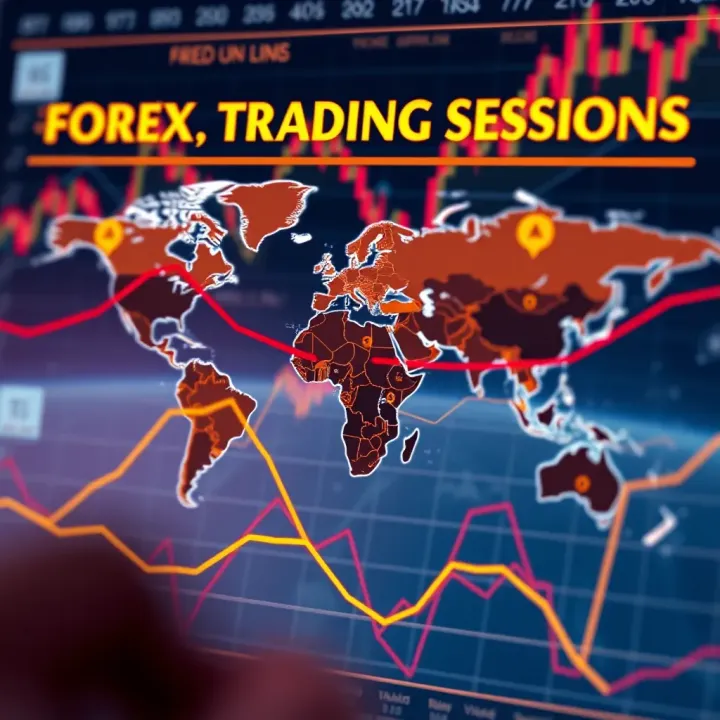
🌍 Learn how different Forex trading sessions affect market moves and volatility. Master session timing to sharpen your trading skills and manage risks better.
🌍 Discover how global forex trading works, exploring market structure, currency factors, strategies, risk control & tech tools for smarter currency trades.
📈 Explore forex trading training in Johannesburg with our detailed guide. Learn types, costs, and how to pick the right course to trade with confidence. 🇿🇦
Based on 5 reviews