

Understanding Enterprise Risk Management
🔍 Learn how enterprise risk management helps South African businesses spot and handle risks strategically, keeping operations safe and compliant locally.
Edited By
Henry Wilson
Information acts as the foundation of effective risk management, allowing businesses to spot potential threats early and react before issues escalate. For traders, investors, and financial advisers in South Africa, the relevance of accurate and timely data can’t be overstated — especially when facing challenges like Eskom’s loadshedding or shifting regulatory environments.
Well-managed information supports every step of risk management:
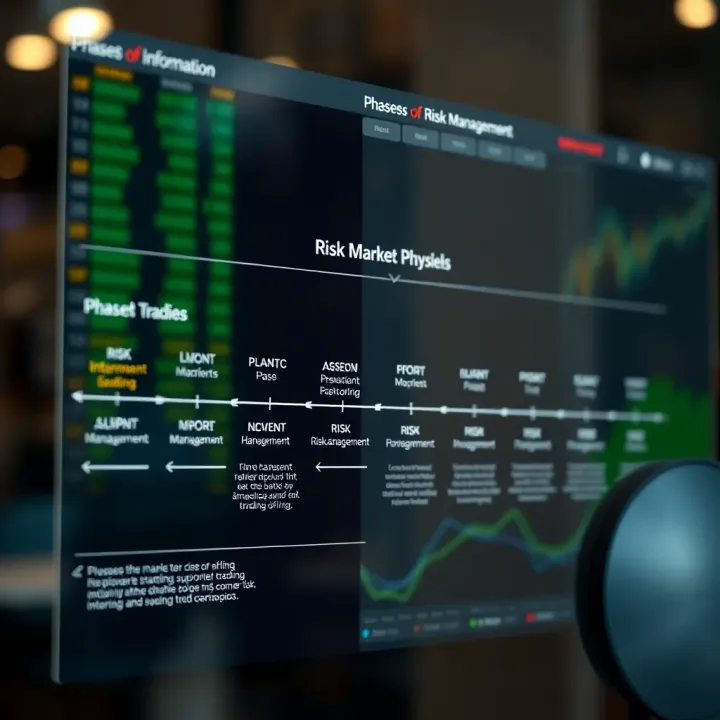
Identification: Spotting emerging risks depends on a steady flow of relevant data, from market trends to economic indicators.
Assessment: Detailed, reliable information helps quantify the potential impact and likelihood of risks, allowing firms to prioritise appropriately.
Response: Clear, up-to-date insights guide decision-making on mitigation measures, whether adjusting portfolios or strengthening operational controls.
A practical example is the impact of loadshedding schedules on trading firms. Having real-time updates on Eskom’s Stage changes and municipal power outages lets traders plan backup power or stagger activities, minimising downtime and financial loss. Similarly, keeping abreast of the latest notices from the Financial Sector Conduct Authority (FSCA) ensures compliance risk is managed without surprises.
That said, challenges around information management remain common:
Data overload can obscure critical signals, making it tricky to distinguish important warnings from noise.
Unverified or outdated information may lead to flawed risk assessments.
Integration gaps between data sources hinder a comprehensive view of risk.
To improve, South African firms should focus on:
Establishing clear data governance controls to ensure accuracy and timeliness.
Using analytical tools tailored to local contexts, such as tracking rand volatility or commodity price shifts.
Encouraging collaboration among departments so risk insights flow across teams instead of getting siloed.
Reliable information isn’t just support for risk management — it is risk management. Without sharp, well-curated data, the best intentions fall flat.
In short, information fuels informed decisions. In a dynamic, sometimes unpredictable South African market, managing that information well provides a crucial edge against risk.
Identifying risks early relies heavily on gathering the right information. Without solid data, risk identification becomes a guessing game, often leaving businesses blind to coming hazards or opportunities. In the South African context, where firms frequently face challenges like loadshedding or sudden regulatory shifts, timely information gathering helps avoid costly surprises.
Internal sources like reports and audits reveal tangible insights about a company’s operational health. Regular audit findings can flag weak spots in processes or compliance issues before they escalate. For instance, a bank's internal audit might uncover gaps in cybersecurity controls, alerting the risk team to potential threats ahead of any breach. These internal reports ground risk identification in familiar realities rather than hypotheticals.
External data shines a light on market shifts and competitor moves which might affect a firm’s risk profile. For example, a mining company tracking commodity prices and global demand can anticipate financial risks tied to price volatility. Similarly, industry news on supply chain disruptions—like a strike at a key South African port—can highlight operational risks before they materialise. Regularly scanning external data prevents firms from being blindsided by broader economic or sector trends.
Staying updated on current laws and compliance requirements is vital, especially in South Africa’s ever-evolving regulatory landscape. Changes in the Financial Sector Conduct Authority (FSCA) rules or new environmental mandates can create legal and financial risks if overlooked. Organisations must monitor gazetted amendments and guidance notices closely, ensuring they spot risks tied to non-compliance. Proactively identifying these regulatory risks supports smoother adaptation and avoids hefty fines.
Information from operational data can highlight weak links in processes that expose firms to risk. For example, a retailer noticing increased returns or damaged stock might identify flaws in warehousing or transport. This early warning lets management intervene before losses mount. Operational data like machine downtime or service delays serve as vital clues in spotting vulnerabilities.
Shifts in the economy or political scene often alter risk landscapes dramatically. In South Africa, the ripple effects of political uncertainties or municipal service delivery protests can disrupt business continuity. Risk teams following news from local government, economic indicators from Stats SA, or labour union talks get ahead of possible unrest or disruptions. Timely awareness here means risk responses can be planned rather than reactive.
Technological changes can both introduce risks and open new opportunities. By monitoring trends—like the rise of mobile payments or shifts toward AI—businesses can anticipate disruptions or chances to innovate. For example, a financial services firm tracking advances in biometric security may spot emerging risks in authentication fraud early. Information on technology development empowers firms to adjust strategies and manage risks linked to digital transformation.
Clear, relevant information across internal and external channels is the first step in reliable risk detection. Without this foundation, organisations operate without a map, vulnerable to avoidable pitfalls.
By actively gathering and analysing diverse data sources, South African businesses can sharpen their risk radar and respond before threats impact firmly on operations or returns.
Effective risk assessment hinges on the quality and depth of information available. Assessing risks isn’t just about spotting them; it’s about understanding their likelihood and potential impact. Accurate data helps to quantify these elements, allowing investors, traders, and financial advisors to make informed decisions. Particularly in South African markets, where economic and political variables can shift quickly, using solid information during risk analysis protects portfolios from unforeseen hits.
Quantitative data involves concrete figures—historical market returns, volatility rates, or credit default probabilities. For example, a stockbroker tracking recent JSE trends can identify sectors prone to load shedding interruptions, estimating how likely losses are and their possible financial extent. Assessing impact typically entails estimating the worst-case financial hit a risk could cause.
Qualitative evaluation, on the other hand, covers softer aspects like leadership quality or customer sentiment. For instance, an investor might weigh how management’s experience in navigating regulatory changes affects a company's resilience. Combining these two risk evaluation types gives a clearer, more rounded picture.
While numbers matter, purely relying on them can miss context. Subjective judgement plays a vital role in interpreting data nuances. For example, economic sanctions or sudden political unrest may not yet appear in quantitative models but greatly influence risk profiles.
Local knowledge and experience add value here. Suppose an analyst recognises early signs of load shedding intensifying in a specific province; this insight shapes risk assessment even before hard data confirms the trend. A balanced approach uses data as foundation but applies human judgement to fill gaps or question outlying figures.

Modelling lets analysts run different "what if" scenarios using existing data. For example, financial advisors can simulate how a sharp rand depreciation against the dollar might impact foreign investment returns. These simulations help anticipate ripple effects that wouldn’t be obvious looking at raw numbers alone.
Simulations also test how shocks like Eskom’s Stage 6 loadshedding can disrupt supply chains, allowing risk managers to prepare contingency actions. It’s a practical way to translate abstract risks into tangible financial consequences.
Scenario planning involves creating multiple future outlooks based on varying assumptions—economic growth rates, interest changes, or commodity price swings. By feeding current data into these scenarios, businesses and investors understand a range of possible outcomes rather than betting on a single forecast.
A trader, for instance, might develop scenarios reflecting different SARB interest rate moves, shaping portfolio adjustments accordingly. Scenario planning shines in South African contexts with frequent policy shifts or uncertain global demands.
Risk matrices visually map risks according to their probability and severity. They help decision-makers prioritise which risks demand immediate attention versus those that can be monitored. Heat maps add intuitive colour coding—red for severe risks, green for low threat—making assessments quicker to grasp.
Consider an asset manager evaluating both market and operational risks. Using a risk matrix, they’d spot that currency volatility rates high in probability and impact, while a minor regulatory change scores lower. This visual tool streamlines communication across teams and supports faster, better-informed risk responses.
Clear, data-backed risk assessment and analysis empower investors and advisors to navigate South Africa’s volatile markets with confidence, turning uncertainty into manageable challenges.
Making sound decisions in risk management depends heavily on the accuracy, reliability, and relevance of the information at hand. In the high-stakes world of trading and investing, one wrong move can cost big. Quality information sharpens focus, reduces guesswork, and helps anticipate challenges before they snowball. This section explores how ensuring data accuracy, maintaining security, and delivering timely information can drastically improve decision outcomes for traders, investors, analysts, financial advisors, and brokers.
Accuracy starts with trusting your sources. Whether it’s market data feeds, corporate financial reports, or news on regulatory changes, confirming origin and reliability is non-negotiable. For example, relying on unverified social media chatter about a JSE-listed company can mislead investment decisions or trigger unnecessary panic. Instead, cross-check data against reputable providers like Bloomberg, financial statements filed with the Companies and Intellectual Property Commission (CIPC), or official announcements from entities such as the South African Reserve Bank (SARB).
Verification also means being alert to outdated or duplicated data, which can distort analysis. In practice, this could involve automated checks in risk management software or manual audits by analysts to flag irregularities. Maintaining stringent data hygiene reduces the risk of making decisions based on ‘noise’ rather than meaningful signals.
Risk decisions often depend on sensitive or proprietary information—client portfolios, trading algorithms, or internal risk models. Protecting this information against unauthorised access or breaches not only guards organisational integrity but also ensures compliance with laws like the Protection of Personal Information Act (POPIA).
In South African financial firms, this means implementing robust cybersecurity measures such as encryption, access controls, and regular security audits. Without these safeguards, leaking sensitive information can erode client trust, expose firms to regulatory penalties, and ultimately undermine risk management efforts. Moreover, disciplined data security encourages more open information sharing internally since staff feel confident that data is handled responsibly.
Markets and risks evolve in the blink of an eye. Real-time data feeds and monitoring tools allow analysts and traders to react swiftly to changes, such as sudden currency fluctuations or political developments impacting market sentiment. For instance, during Eskom loadshedding stages, companies with live monitoring can swiftly adjust operations or hedge exposures to minimise losses.
Systems like these typically pull data directly from stock exchanges, economic indicators, and news outlets, providing dashboards that highlight anomalies or critical alerts. This agility helps risk managers avoid lagging behind events and keeps decision-making current and grounded in reality.
Having the right information isn’t enough; it must be clear and accessible to the right people at the right time. Concise reports with visual tools like risk heat maps, trend charts, or scenario summaries enhance comprehension and quick assessment by decision-makers.
For example, a broker juggling multiple clients benefits from tailored reports that summarise risks relevant to each investor’s profile instead of drowning in raw data. Likewise, regular briefing notes prepared in straightforward language support financial advisors in explaining complex risk scenarios to clients, boosting confidence and informed choices.
Quality information—accurate, secure, timely, and well-presented—is the lifeline of effective risk management. It grounds decisions in reality, mitigates guesswork, and provides the clarity needed to act decisively in South Africa’s dynamic financial landscape.
Managing information comes with its own set of hurdles that can complicate risk management efforts. These challenges range from handling vast amounts of data to overcoming organisational and cultural barriers within South African companies. Addressing these hurdles is essential for making risk management more effective, especially given the complex economic and regulatory environment in Mzansi.
South African organisations often collect an overwhelming amount of data from various sources — financial reports, market trends, compliance updates, and loadshedding schedules, to name a few. The key is separating the wheat from the chaff by carefully filtering data that directly impacts your risk profile. For instance, a trader monitoring JSE stocks must prioritise real-time price movements and economic indicators over less urgent data like long-term demographic trends.
This approach saves time and sharpens focus on what really affects risk decisions. Prioritising relevant data means deciding upfront which information sources consistently provide actionable insights, and which can be safely ignored or reviewed less often.
Having too much data can sometimes trap decision-makers in endless evaluation, delaying urgent actions. This ‘analysis paralysis’ is a common trap, especially in fast-moving environments like trading or investment. When an analyst overthinks every data point, the risk is missing time-sensitive opportunities or failing to respond to emerging threats.
Practical risk management calls for clear decision rules that balance thorough analysis with the need to act swiftly. For example, if a new government regulation impacts a sector, waiting for all possible details before adjusting a portfolio can cost more than acting with reasonable certainty.
Not all information is always available or complete. In South Africa, businesses may struggle with irregular economic data releases, incomplete company disclosures, or sparse market intelligence from smaller enterprises. Risk managers must develop strategies to fill these gaps, such as cross-checking multiple sources or using proxies.
For example, if provincial economic figures are missing, monitoring local business sentiment surveys or electricity consumption data during loadshedding periods can provide indirect signs of economic stress or resilience.
Uncertainty is inevitable in risk management. Some threats resist precise quantification — political shifts, regulatory changes, or sudden currency fluctuations. Managing this ambiguity calls for flexible risk assessments that accommodate a range of possible outcomes, rather than seeking exact predictions.
Scenario planning is valuable here, allowing analysts to prepare for best-, worst-, and most-likely situations even when data is fuzzy. Such an approach helps to avoid getting stuck on uncertain numbers and instead focuses on preparing adaptable responses.
A major challenge in South African firms is breaking down silos that block valuable information flow. Departments may guard their data due to mistrust, competition, or simply lack of communication channels. Creating a culture where sharing risk information is the norm boosts overall resilience.
For example, a compliance team might uncover new regulatory risks that traders are unaware of. If this information isn’t communicated promptly, the company risks non-compliance fines or market losses.
Even when good data exists, staff must know how to interpret and apply it effectively. This calls for ongoing training to build skills in data literacy, risk analysis, and decision-making. Well-trained employees are better equipped to spot risk signals, distinguish noise from facts, and make informed calls.
A Johannesburg-based asset manager might run regular workshops to ensure their analysts understand how to integrate macroeconomic data with company reports — especially critical when volatility spikes or the rand weakens abruptly.
Effective risk management hinges on managing not just risks but the information that reveals them. Overcoming challenges in information handling strengthens decision-making and positions South African firms to navigate uncertainty with confidence.
Using information effectively in risk management means more than just gathering data; it also involves smart strategies to handle, share, and tailor that information to the needs of the organisation. This is especially true in South Africa's complex business environment, where factors like loadshedding and regulatory shifts demand agility and precision in decision-making.
Risk management software simplifies the collection and analysis of risk data. These tools automate routine tasks such as risk identification and monitoring, allowing organisations to spot issues quicker and respond more confidently. For instance, a South African manufacturing firm might use software to track operational risks linked to load-shedding schedules, helping avoid costly downtime.
These platforms also centralise risk information, improving consistency across the organisation. When everyone accesses the same data in real time, confusion reduces and teams move faster to address pressing risks.
Data analytics turns raw figures into patterns that reveal hidden risks or opportunities. Using AI techniques, businesses can predict shifts in market conditions or supplier reliability before they become big problems. For example, a financial services company might use AI to analyse client data and flag unusual transactions, thus managing fraud risk more effectively.
Plus, analytics supports scenario testing—playing out "what if" situations—to prepare for South Africa’s volatile exchange rates or unexpected regulatory changes.
Risk isn’t confined to one department; it often arises where different areas intersect. Encouraging teams to share information breaks down silos and creates a fuller picture of the risks at play. For instance, the procurement and legal teams collaborating could identify contract risks linked to supplier delays due to transport strikes.
When departments communicate regularly, risks that might slip through the cracks come to light earlier, enabling quicker, joined-up responses.
Keeping risk front of mind through frequent updates and training builds staff awareness and competence. This ensures that all employees—not just the risk specialists—are alert to potential threats and know how to report them.
At companies in South Africa, where operational disruptions can be sudden, ongoing training helps embed risk thinking into everyday decisions, from how to handle data securely to managing client complaints.
Not all stakeholders need the same level of detail. Senior managers often want high-level summaries focusing on strategic risks and mitigation plans, while frontline staff need more actionable, specific information relevant to their tasks.
Clear, tailored reports help each group understand their part in managing risk without being overwhelmed or under-informed.
Sharing relevant risk information with suppliers, service providers, and regulators maintains transparency and fosters trust. For example, companies in sectors like mining or telecommunications often must comply with strict rules and prove their risk controls are adequate.
By providing clear, customised data to these external parties, firms avoid compliance issues and build stronger partnerships that can buffer against external shocks.
Effective risk management relies just as much on how you manage information as on the information itself. Technology, culture, and communication practices all play roles in turning data into sound, timely decisions that keep organisations resilient.
🔍 Learn how enterprise risk management helps South African businesses spot and handle risks strategically, keeping operations safe and compliant locally.

Explore key risk management frameworks 🛡️, their benefits, and how to tailor strategies for your organisation's unique needs across industries. 📊

📊 Explore why risk management is key in South African business: reducing harm, aiding decisions, boosting growth, compliance, and resilience.
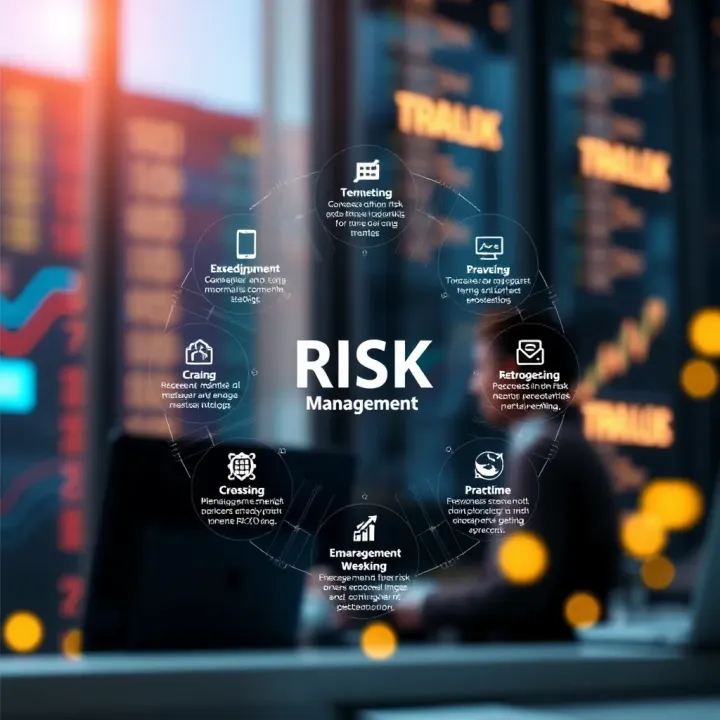
🛡️ Discover why risk management is essential for protecting businesses from threats, improving decisions, and safeguarding resources effectively.
Based on 9 reviews