
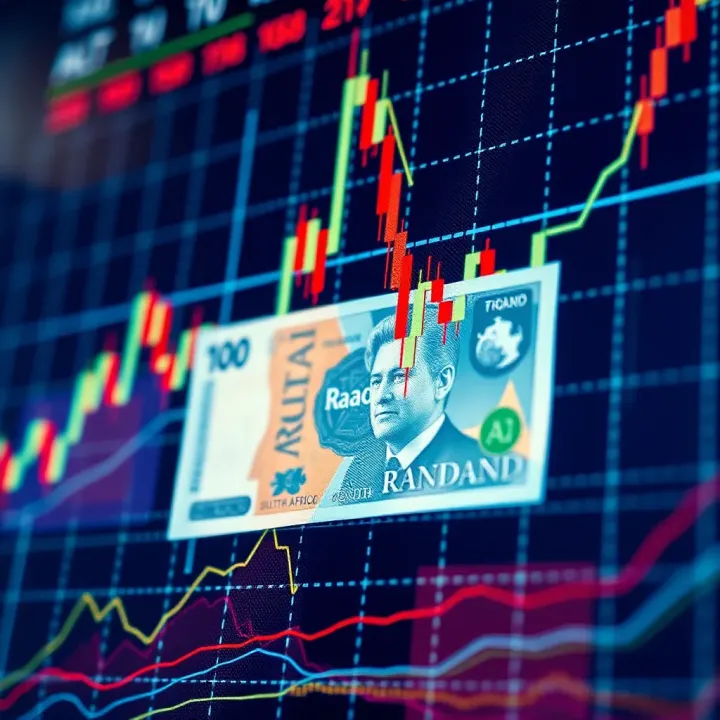
Forex Trading Basics for South African Traders
🇿🇦 Learn how forex trading works in South Africa, from basics and risk management to market factors. Trade smartly and confidently with local insights 💱📈
Edited By
Ethan Collins
Forex trading, also known as foreign exchange trading, involves buying and selling currencies to profit from changes in their values. In South Africa, this market is widely accessible, with many retail traders participating alongside institutional investors. The foreign exchange market is the largest financial market globally, with over $6 trillion traded daily.
Currencies are traded in pairs, such as USD/ZAR (US Dollar against South African Rand). The price reflects how much of the second currency you need to buy one unit of the first currency. For instance, if USD/ZAR is at 18, it means one US Dollar costs 18 Rand.

The forex market operates 24 hours a day during weekdays, moving with global financial centres from Sydney to London and New York. This round-the-clock nature allows South African traders to engage at convenient times, even outside standard business hours.
Several elements influence currency prices:
Economic indicators: Inflation rates, GDP growth, unemployment stats, and trade balances in a country shape investor confidence.
Monetary policy: Interest rate changes and announcements by central banks, like the South African Reserve Bank (SARB), impact demand for a currency.
Political events: Elections, unrest, or policy shifts can cause volatility.
Market sentiment: Traders’ collective attitudes and risk appetite often move prices sharply.
South African traders should choose regulated brokers authorised by the Financial Sector Conduct Authority (FSCA) to ensure protection and transparency. It's wise to open a demo account first and practice strategies without risking real capital.
Some practical starting steps for a South African looking to trade forex:
Research and select a reliable, FSCA-registered broker.
Learn how to interpret forex charts and candlestick patterns.
Understand leverage and margin, keeping risks manageable.
Develop a trading plan with clear entry, exit, and stop-loss rules.
Being aware of risks is vital. Forex trading can bring rewards but also significant losses. Use risk management tools and avoid chasing quick profits. Staying informed about local economic developments, such as SARB's repo rate decisions or Rand volatility, can help you make better trades.
With discipline and knowledge, forex trading can be a useful addition to your investment toolkit, especially if you keep an eye on global trends and local nuances.
Understanding the fundamentals of forex trading sets the foundation for anyone hoping to navigate the currency markets successfully. This knowledge helps traders make sense of how currencies move, why certain pairs behave the way they do, and the key forces shaping these movements. Without this basic grasp, decisions in the market can become guesswork, increasing the risk of unnecessary losses.
This section breaks down forex trading into clear, manageable pieces, providing practical benefits like better timing of trades and selecting currency pairs that fit your strategy. For example, knowing why the rand might weaken against the US dollar during political uncertainty helps traders anticipate moves and plan accordingly.
Forex trading, or foreign exchange trading, is the act of buying one currency while simultaneously selling another. It’s a global market where currencies are exchanged to facilitate trade, investment, tourism, and speculation. Unlike shares or commodities, forex operates 24 hours a day, five days a week, making it extremely liquid and fast-paced.
Practically, forex trading means you can speculate on whether a currency will strengthen or weaken relative to another. For instance, if you believe the euro will rise against the dollar, you’d buy the EUR/USD pair. This flexibility draws both big financial institutions and small retail traders.
Every forex transaction involves two currencies, paired together like EUR/USD or USD/ZAR. The first currency in the pair is the base, and the second the quote currency. The price shows how much of the quote currency is needed to buy one unit of the base.
Understanding pairs is essential. For example, if USD/ZAR quotes 18.50, it means R18.50 buys one US dollar. If you expect the rand to strengthen, you’d sell USD/ZAR, hoping to buy back dollars cheaper later. This pairing system shapes every decision in forex.
The forex market is the largest financial market worldwide, with daily turnover exceeding $6 trillion. This vast scale comes from trade flows, investments, central bank actions, and speculative trades.
Its size means there's enormous liquidity – even modest positions can be entered or exited without major price disruptions. South African traders benefit from this liquidity, especially trading popular pairs like USD/ZAR or EUR/USD, ensuring always a counterparty for their trades.
Central banks play a dominant role by managing their countries’ currency policies. They can intervene by buying or selling currencies to stabilise or boost the economy. For example, the South African Reserve Bank (SARB) sometimes steps in to smooth rand volatility.
Government decisions and monetary policy shifts by these institutions create large market moves. Traders who follow central bank announcements closely can gain an edge by understanding the economic fundamentals behind the scenes.
Major banks form the backbone of forex market liquidity, often trading on behalf of clients or hedging exposures. These institutions deal in huge volumes, providing price quotes to smaller players.
For instance, Nedbank, Standard Bank, and Absa are active players offering forex trading services to businesses needing currency conversion for imports or exports. Their participation ensures stable functioning of the forex market in South Africa.
Retail traders, whether individuals or small businesses, access the forex market mainly through brokers. These brokers act as intermediaries, offering platforms for trading and access to currency pairs.
A key factor for South African retail traders is choosing a broker regulated by the Financial Sector Conduct Authority (FSCA), which helps prevent scams and promotes fair trading conditions. Brokers like IG, HotForex, and Plus500 serve many here, combining local deposit options and user-friendly interfaces.
Getting the basics right helps traders align their strategies with market realities, reducing guesswork and exposure to unnecessary risks.

By understanding the participants and structure of the forex market, you can better position yourself to respond to market moves. Whether it's reacting to SARB’s interest rate adjustment or capitalising on commercial bank price flows, this basic knowledge is your trading toolkit's first layer.
Currency prices fluctuate due to a variety of factors, and understanding these is vital for any serious forex trader. These influences impact supply and demand, shaping whether a currency strengthens or weakens against others. Identifying how economic data and political events affect currency values can help traders anticipate market moves and manage risks more effectively.
Interest rates and inflation remain among the most watched economic indicators. Central banks adjust interest rates to control inflation and stimulate or cool down economies. Higher interest rates tend to attract foreign investment, pushing a currency's value up, while lower rates usually weaken it. For example, when the South African Reserve Bank (SARB) raises rates to tame inflation, the rand may strengthen against other currencies, reflecting higher returns for investors.
Inflation itself plays a dual role. Moderate inflation can support economic growth, but runaway inflation erodes purchasing power and undermines confidence. If inflation in South Africa rises sharply without a corresponding interest rate hike, the rand might fall as traders expect weaker economic prospects.
Employment data and GDP give valuable clues on economic health. Strong employment figures often signal robust economic activity, encouraging investment and boosting currency strength. Conversely, rising joblessness can weaken sentiment and reduce demand for the currency. GDP growth confirms the broader economic trend — a growing GDP suggests a strong economy, while contraction warns of trouble ahead.
Consider that if South Africa's quarterly GDP data shows slower growth than expected, traders might sell off the rand expecting economic strain, impacting currency pairs involving the rand.
Trade balances reflect the difference between exports and imports. A positive trade balance (surplus) indicates that a country sells more abroad than it buys, generating demand for its currency. A deficit often means more currency leaves the country, putting downward pressure on its value.
Take South Africa’s trade position: Exporting commodities like gold and platinum brings in foreign currency, supporting the rand. However, if imports such as machinery or petrol surge without matched export growth, the resulting trade deficit might weaken the rand. Traders track trade balance reports closely to gauge currency direction.
Government policies and stability weigh heavily on currency markets. Stable governments that implement clear fiscal and monetary policies foster investor confidence, attracting capital inflows. In contrast, political uncertainty or abrupt policy shifts can spook markets, triggering sell-offs.
For instance, if the South African government announces increased public spending without clear funding sources, the rand might come under pressure due to fears of rising debt or inflation.
Elections and geopolitical tensions can cause sharp swings in currency values. Elections bring unpredictability, especially when results could shift economic policy. Traders often sell a currency if an election threatens stability or economic reform.
Geopolitical issues — such as trade disputes or regional unrest — influence risk appetite globally. When tensions rise, investors flock to safe-haven currencies like the US dollar or Swiss franc, while emerging market currencies like the rand often weaken. The 2023 KZN floods, for example, briefly unsettled the rand due to concerns over government response and economic impact.
Global crises and their effects can ripple worldwide, impacting currencies beyond their borders. Financial crises, pandemics, or sudden commodity price shocks disrupt markets and cause volatility. The COVID-19 pandemic saw sudden rand depreciation due to economic shutdown fears and capital flight.
Traders must watch how international events influence market sentiment, as currency moves often react more to perceived risks than immediate economic fundamentals.
Understanding these factors helps traders position themselves wisely, whether taking advantage of opportunities or protecting against risks in the dynamic forex market.
Entering the forex market from South Africa requires a clear understanding of local regulations, trading platforms, and account setup to ensure a smooth start. Knowing how to pick a reliable broker and setting up your trading account correctly can mean the difference between efficient trading and needless frustration. South African traders face unique challenges, such as adhering to the Financial Sector Conduct Authority (FSCA) rules and dealing with Rand funding, so solid preparation is essential.
The FSCA regulates financial service providers, including forex brokers operating in South Africa. Choosing an FSCA-licensed broker is not a mere formality; it’s a practical safeguard. FSCA regulation ensures brokers follow strict rules on transparency, client fund protection, and fair trading practices. For example, if a broker is FSCA-registered, your deposits are held separately from their operating capital, reducing risk if the broker runs into trouble.
Many offshore brokers target South African traders, but using an unregulated broker might expose you to unreliable platforms or unethical practices. The FSCA publishes a list of accredited brokers, so always cross-check before signing up.
The ease of trading largely depends on the platform provided. Popular platforms like MetaTrader 4 (MT4) or MetaTrader 5 (MT5) are widespread and offer advanced charting tools, automated trading, and custom indicators. Beyond these, some brokers offer proprietary platforms tailored for ease-of-use with inbuilt research tools.
Test the demo versions of platforms to find one that suits your style and offers stable execution speeds. For instance, some South African traders prefer platforms with mobile apps that handle spotty data connections well, considering telco variability.
Costs vary between brokers and directly affect profits. Spreads—the difference between the buy and sell price—are often the main cost for traders using standard or micro lots. Some brokers offer fixed spreads, while others have variable spreads depending on market volatility.
Beware of brokers charging high commissions on top of spreads or offering unusually tight spreads with hidden fees. For example, one broker might offer spreads starting at 1.2 pips with no commission, while another offers 0.3 pips but charges R60 per lot traded. Calculating total costs before committing can save your wallet.
South African law requires brokers to conduct Know Your Customer (KYC) checks, which include verification under the Regulation of Interception of Communications and Provision of Communication-Related Information Act (RICA). This means submitting valid ID copies, proof of residence, and occasionally uploading selfies to verify identity.
Though it might feel tedious, these checks protect against fraud and money laundering. Expect verification to take anywhere from a few hours to two business days, depending on the broker's efficiency.
Many forex brokers allow you to fund your trading account directly in South African Rand (ZAR), which simplifies deposits and withdrawals by avoiding currency conversion fees. Paying in Rand also helps control costs, as currency conversion charges can add up, especially when trading frequently.
Popular South African deposit methods include EFT via your bank, payments through SnapScan or Zapper, and less commonly, credit card deposits. Always confirm deposit and withdrawal times and any associated fees with your broker to avoid surprises.
Leverage lets you control larger positions with a smaller amount of capital, boosting potential gains but also exposing you to higher losses. South African brokers usually offer leverage up to 1:200; however, the FSCA has put limits on maximum leverage to protect retail traders.
Understanding margin—how much money you need to open or maintain a position—is crucial. For example, at 1:100 leverage, controlling R100,000 requires just R1,000 in margin. That said, trading with maximum leverage without a solid risk plan can wipe your account quickly.
Always use leverage responsibly, and set clear stop-loss orders to manage risk effectively.
Starting with a clear grasp of these elements will set you up for a more confident forex trading experience in South Africa. Proper broker choice, platform familiarity, and knowing your account’s flow create the foundation for successful trading.
Forex trading strategies help traders make sense of a market that often feels like a seesaw on steroids. These methods guide decisions on when to buy or sell currencies, aiming to maximise profits and minimise losses. Understanding these strategies gives traders the tools to better interpret market moves, spot opportunities, and manage risks — especially important for South African traders facing local nuances like Rand volatility.
Fundamental analysis involves using economic data to predict currency movements. Traders closely follow reports on interest rates, inflation, employment figures, and GDP growth in countries whose currencies they trade. For example, if South Africa’s inflation rises sharply without a corresponding interest rate hike by the South African Reserve Bank (SARB), the Rand might weaken due to decreased investor confidence.
Focusing on economic data helps traders see the bigger picture instead of relying just on price charts. This approach suits those with a longer-term view, as fundamental shifts often unfold over weeks or months. However, understanding the local economic context, such as how Eskom’s loadshedding affects growth forecasts, adds precision to these forecasts.
Long-term outlooks rely on stable themes like economic cycles or policy changes, while short-term outlooks respond to immediate events such as political announcements or sudden trade data releases. Both approaches require vigilance — a favourable trade balance one day might turn sour after unexpected import tariffs.
Technical analysis studies price charts and patterns to forecast currency direction. It’s about reading what the market tells you through price action, without necessarily worrying about the underlying economic reasons. Common patterns include double tops, head and shoulders, and trend lines that indicate possible reversal points or continuation.
Popular tools like Moving Averages, Relative Strength Index (RSI), and Fibonacci retracements help traders identify overbought or oversold conditions and generate entry or exit signals. Many South African traders use MetaTrader or TradingView platforms, which come loaded with these indicators.
Risk management is vital here. Traders set stop-loss orders to limit potential losses and take-profit orders to secure gains. For example, if a Rand trade goes against you by a certain percentage, the stop-loss automatically closes the position, preventing further damage.
Blending fundamental and technical analysis often yields better trading decisions. Fundamentals can identify overall market direction, while technicals fine-tune entry and exit points. For instance, a trader might spot a Rand weakness due to poor economic data (fundamental) and confirm a selling opportunity by a bearish chart pattern (technical).
Adjusting strategies according to changing market conditions also matters. A volatile period, like during South Africa’s budget statement release, calls for tighter risk controls and perhaps more focus on technical signals, whereas calm markets may allow for longer fundamental plays.
Effective forex trading isn’t about rigidly following one method, but about being flexible and informed enough to use the right tools at the right time.
Dealing with risks and challenges is unavoidable in forex trading, and understanding these upfront can keep you out of bigger trouble later. This section highlights the primary pitfalls traders face and practical ways to handle them effectively.
How volatility affects trades: Volatility means prices move rapidly and unpredictably, which can both create opportunities and expose traders to sharp losses. For example, on a quiet day, the rand-dollar pair may shift slightly, but during volatile times, such as Eskom’s announcement of new loadshedding stages or a sudden shift in SARB interest rates, the currency can swing far more dramatically. This makes timing crucial in forex since your trade could suddenly move against you.
Unexpected events and news shocks: Unexpected political developments or global events—like a surprise budget announcement from Treasury or a geopolitical tension in the Middle East—influence forex markets heavily. Such news can cause ‘gaps’ where prices jump between closing and opening levels, leaving stop-loss orders ineffective. Traders who rely solely on charts without keeping tabs on the news risk being blindsided.
Potential for amplified losses: Leverage lets you control a large position with a relatively small amount of capital, but it cuts both ways. For example, with 100:1 leverage, a 1% adverse move wipes out your entire deposit. Poor management here can lead to rapid losses, even wiping out more than your initial deposit if your broker allows negative balances.
Setting stop-loss and take-profit levels: Sound money management needs clear stop-loss (to limit loss) and take-profit (to lock in gain) levels before entering trades. For instance, placing a stop-loss 50 pips below your entry in the rand-dollar pair protects you if direction reverses, while a take-profit at 100 pips secures profits sensibly. This discipline prevents emotional trading and preserves your capital for future opportunities.
Recognising warning signs: Be wary of brokers promising guaranteed profits or unusually high returns with little risk. Scam brokers might push unsolicited calls, lack transparent pricing, or have unclear withdrawal policies. If a broker’s Terms and Conditions read like a maze, or if registration details are missing, steer clear.
Using FSCA-accredited brokers: The Financial Sector Conduct Authority (FSCA) regulates forex brokers in South Africa. Choosing FSCA-licensed brokers like IG, CM Trading, or ThinkMarkets adds a layer of protection and ensures compliance with local rules. This reduces the chance of fraud and ensures your funds are safer.
Protecting your personal and financial information: Sharing sensitive information like ID documents or banking details online requires caution. Always ensure websites use secure encryption (check for 'https' and a padlock symbol). Avoid public Wi-Fi when trading or transferring funds to prevent interception by cybercriminals.
Awareness of these risks is key. In forex trading, knowledge and preparation go hand in hand with watchful discipline and caution.
By keeping volatility in check, managing leverage wisely, and sticking with regulated brokers, you stand a better chance of navigating forex trading safely in South Africa’s fast-moving environment.
🇿🇦 Learn how forex trading works in South Africa, from basics and risk management to market factors. Trade smartly and confidently with local insights 💱📈
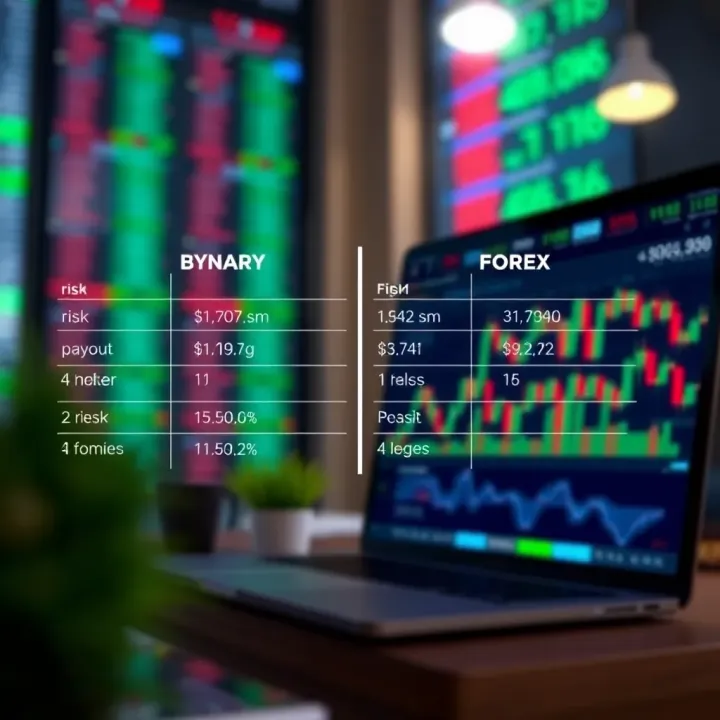
📈 Explore the main differences between binary and forex trading, plus key tips for South African traders on regulation, risks, and effective trading strategies.
📚 Discover top forex trading books tailored for South African traders. Learn to pick guides, grasp essential concepts, and get practical tips for success in forex.
📈 Find the top laptops for forex trading in South Africa – reliable, affordable, with long battery life to tackle data costs and loadshedding challenges. 💻⚡
Based on 14 reviews