
Forex Trading Guide for Beginners in South Africa
🌍 New to forex trading? This guide covers basics, step-by-step start-up advice, risk tips, plus South African trader insights to help you trade confidently and safely.
Edited By
Amelia Foster
If you’ve been curious about forex trading and want to get started in Mzansi, understanding the basics is your first step. Forex trading involves buying and selling currencies on a global market, aiming to make a profit from changes in exchange rates. It’s the biggest financial market in the world, with over $6 trillion traded daily, but that doesn’t mean it’s easy money—there’s plenty of risk if you jump in blind.
South African traders access the forex market mostly through online platforms offered by brokers registered with the Financial Sector Conduct Authority (FSCA). Familiarity with essential terms like 'pips'—the smallest price move in a currency pair—and 'leverage', which lets you control larger positions with smaller capital, will save you from costly mistakes.
Remember, while leverage can amplify gains, it also increases risk. Managing your exposure is key.
Before you start trading, you’ll want to choose a reputable broker. Check for FSCA registration and transparent fee structures. Platforms like IG, Plus500, and HotForex are popular choices locally, offering demo accounts to practice without risking real Rand.
To get going, you:
Open an FSCA-registered trading account
Deposit funds, usually from at least R1,000 upwards
Familiarise yourself with platform tools and analytics
Start with small trades on major currency pairs like USD/ZAR, EUR/USD or GBP/ZAR
Risk management strategies can’t be overstated. Use stop-loss orders to cap your losses and resist the urge to chase the market by increasing your stakes when things don’t go your way. Start slow, keep a trading journal, and constantly review your decisions.
With a practical approach and caution, forex trading can diversify your investments. Just avoid common traps like falling for guaranteed returns or ignoring market volatility, especially in emerging markets like ours. This guide will walk you through the nuts and bolts of getting started safely and effectively.
Grasping the fundamentals of forex trading is essential before placing any trade. It’s like knowing how to drive before hitting the N1 — without those basics, the ride can get bumpy and costly. This section sets the stage by explaining what forex trading entails, who takes part, and the core terms every trader, especially beginners, should understand.
Forex trading, short for foreign exchange trading, involves buying and selling currencies with the aim of making a profit from exchange rate fluctuations. For example, if you believe the euro will strengthen against the rand (EUR/ZAR), you might buy euros with rand, hoping to sell them later at a higher rate. Businesses use forex for international trade, but traders look to capitalise on price movements in the currency pairs.
The forex market operates continuously during weekdays, across global financial centres from London to Singapore. This allows South African traders to act on news or events anywhere in the world at almost any time. The market’s huge daily turnover, measured in trillions of dollars, ensures liquidity and relative ease of entering or exiting trades.
Most trading volume focuses on major currency pairs involving the US dollar, like EUR/USD, USD/JPY, and GBP/USD. These pairs usually offer lower spreads due to plentiful liquidity. For South African traders, pairs like USD/ZAR or EUR/ZAR carry interest too but often have wider spreads and more volatility, which is something to consider.
Participants range from big banks, hedge funds, and multinational companies to retail traders like you. Banks often trade large volumes on behalf of clients or for their own positions, while retail traders operate smaller accounts but now have easier access to forex through local brokers. Understanding who’s on the other side of your trade can help manage expectations about price moves and market behaviour.
Pips, lots, leverage, margin: A pip is the smallest price movement in a currency pair, usually 0.0001 for most pairs. Lots describe trade size—1 standard lot equals 100,000 units of the base currency. Leverage lets you control a bigger position with less capital but magnifies both gains and losses. Margin is the amount required from your account to open a trade, acting as collateral.
Bid and ask prices: The bid is what buyers are willing to pay, while the ask is the price sellers want. The difference between them is the spread, your immediate cost to enter a trade. For example, if USD/ZAR bids at 18.10 and asks at 18.12, the spread is 0.02 rands.
Spread and volatility: The spread impacts your break-even point; lower spreads mean you pay less upfront to trade. Volatility refers to how much the price swings within a period. High volatility can offer opportunities but also increases risk. In South Africa, news like SARB interest rate changes or unexpected Eskom loadshedding announcements can spike volatility in certain pairs.
Understanding these basics builds a solid foundation for trading confidently, avoiding mistakes some beginners make when jumping in without clear knowledge.
Master these elements first and you’ll better navigate the market with practical awareness.
Starting forex trading is about laying a solid foundation to prevent costly mistakes later. This phase familiarises you with the essential tools and choices you need before placing your first trade. Getting these basics right makes trading less daunting and improves your chances of success.
Selecting the right broker is key because they connect you to the forex market and impact your trading experience directly. Look for brokers offering transparent spreads and fees with good execution speeds. Avoid brokers with hidden costs or poor reviews, as these could affect your profits.
In South Africa, regulation matters a lot. Brokers should be authorised by the Financial Sector Conduct Authority (FSCA). This oversight ensures your money stays protected and the broker follows fair trading practices. Dealing with an unlicensed broker is risky — your funds could vanish or you might face unfair treatment without recourse.
Demo accounts are a must-have feature for beginners. They allow you to test the platform and practise trading without risking real money. A broker offering a well-functioning demo with live-like market conditions helps you gain confidence and understand order execution before diving in.
Trading accounts come in several types, but beginners often benefit from standard accounts with low minimum deposits and straightforward terms. Micro accounts that allow smaller trade sizes also reduce risk exposure while learning.
Funding your account in Rand (R) simplifies transactions and avoids currency conversion fees. South African traders should prefer brokers that accept local deposits via EFT or card payments to keep things hassle-free and avoid unexpected charges.
Navigating the trading platform is your everyday task once you start trading. Familiarity with basic functions like placing orders, setting stop-losses, and viewing charts keeps you in control. Spend time mastering these early to avoid errors when the market moves fast.
Clear goals and an understanding of your risk tolerance keep you disciplined. For example, deciding upfront how much capital you can afford to lose per trade or per day helps protect your savings. Without this, emotions might push you to take reckless risks.
Your trading style shapes how you approach the market. Day trading requires active monitoring and quick decisions, while swing trading suits those who prefer a slower pace with trades lasting days or weeks. Choose the style that fits your schedule and personality to maintain consistency.
Starting forex trading without a plan is like setting off on a road trip without a map — you may get lost or run out of fuel before you reach your destination.
Getting started is about setting yourself up properly: the right broker, the right account, and a solid plan. These steps provide the groundwork for trading with confidence in South Africa’s forex landscape.
Understanding both fundamental and technical analysis is essential for anyone stepping into forex trading. These two approaches offer different but complementary ways to assess currency movements and make informed decisions. Fundamental analysis focuses on economic and political events shaping currency values, while technical analysis looks at price patterns and trends derived from historical data.
Economic data plays a direct role in how currencies fluctuate. Key indicators such as inflation rates, interest rate decisions by central banks (like the South African Reserve Bank), GDP growth figures, and unemployment rates affect currency strength. For instance, if South Africa’s inflation rises unexpectedly, the Rand might weaken because investors fear higher prices could force tighter monetary policy or dampen economic growth.
Keeping an eye on these statistics helps traders anticipate market moves. Suppose the US Federal Reserve signals a hike in interest rates while South Africa’s rates remain steady. This scenario often leads to a stronger US dollar against the Rand. Being alert to such shifts can guide you in positioning trades ahead of time.
Following relevant news is just as important, especially stories that could impact markets unexpectedly. Political developments, trade deals, or even protests can sway currency prices. South African traders should track local news sources alongside global headlines from reliable financial outlets. Apps and platforms with news feeds filtered for economic and currency affairs make this easier. Always consider how news relates to your trading pairs and whether it might cause short-term volatility.
Charts are the visual maps of the forex market. The most common types include line charts, bar charts, and candlestick charts. Candlestick charts, in particular, are popular because they show detailed information about price action — open, close, high, and low prices during a specific time frame. This helps traders spot patterns signalling trend continuation or reversal.
For example, spotting a series of higher highs and higher lows on a candlestick chart confirms an upward trend, implying it might be wise to consider buy positions. Conversely, lower lows and lower highs could suggest a downtrend. These visual cues aid traders in timing entry and exit points better.
Besides chart types, certain technical indicators assist beginners in understanding market momentum and potential turning points. Moving averages smooth out price data, showing the general direction over time, while the Relative Strength Index (RSI) signals if a currency is overbought or oversold. These tools help avoid emotional decisions by providing data-driven signals.
Combining fundamental and technical analysis allows you to balance the ‘why’ behind price movements with the ‘when’ to act, increasing the chances of successful trades.
By regularly reviewing economic data alongside chart analysis, you develop a clearer picture of market forces and price behaviour—key to trading more confidently and effectively.
Managing risk is a cornerstone of successful forex trading, especially for beginners navigating the volatile currency markets. Without proper risk controls, traders expose themselves to losses that can quickly spiral out of control, undermining both confidence and capital. In South Africa, where economic shifts and global news can swiftly affect exchange rates, understanding how to protect your trades becomes even more vital.
Setting stop-loss orders is one of the most practical tools to limit potential losses. A stop-loss order instructs your trading platform to close a position once the price hits a certain level, preventing further downside. For example, if you buy the USD/ZAR pair at R18, you might set a stop-loss at R17.80, capping your loss to 20 cents per unit. This kind of safeguard helps avoid situations where a sudden market swing, possibly triggered by unexpected news or Eskom-related economic concerns, wipes out your investment before you can react.
Using appropriate position sizes complements stop-loss orders by controlling how much you risk on any single trade. Instead of staking your entire account on one position, which could lead to ruin if the market moves unfavourably, divide your capital into smaller chunks. If you have an account balance of R10,000, risking 1–2% per trade (R100–R200) protects you from heavy losses. This method also supports steady growth because even a series of losing trades won’t drain your funds.
Sticking to your plan is essential for staying disciplined. Forex markets can tempt you to stray from your strategy when prices shift erratically. If your plan says to exit trades at a 2% loss or 5% gain, but greed or fear pushes you off course, your results will suffer. Treat your plan as a contract with yourself; any deviation often leads to impulsive decisions that cost more than they gain.
Recognising common psychological pitfalls such as revenge trading, overtrading, or paralysis by analysis can save you from needless stress. For instance, chasing losses by opening larger positions to "win back" money is a recipe for disaster. Similarly, hesitating too long without executing a trade can cause missed opportunities. Awareness of these traps helps you stay level-headed and make quicker, more reasoned choices.
Understanding leverage risks is crucial, as leverage can magnify both profits and losses. South African forex brokers often offer leverage ratios of up to 1:200. While this means you can control a large position with a small deposit, a small adverse move can wipe out your margin quickly. Leaning into leverage without experience is like driving a bakkie on a slippery mountain road without caution; control and patience must come first.
Continuous education and practice are the backbone of building competence. No amount of reading replaces hands-on experience, so use demo accounts to test strategies without risking real cash. Over time, you’ll recognise patterns, understand market reactions to South African economic data, and develop a feel for entry and exit points. Regularly updating your knowledge guards against complacency and sharpens your decision-making.
Managing risks and avoiding mistakes aren’t just safety nets — they’re the foundations for long-term success in forex trading.
By implementing risk management, maintaining emotional discipline, and adopting a steady learning curve, you increase your chances of becoming a confident and capable forex trader in South Africa’s dynamic market.
🌍 New to forex trading? This guide covers basics, step-by-step start-up advice, risk tips, plus South African trader insights to help you trade confidently and safely.
🌍 Explore forex trading in South Africa: learn how it works, weigh the risks, understand brokers, and start trading smart with practical tips and legal insights.
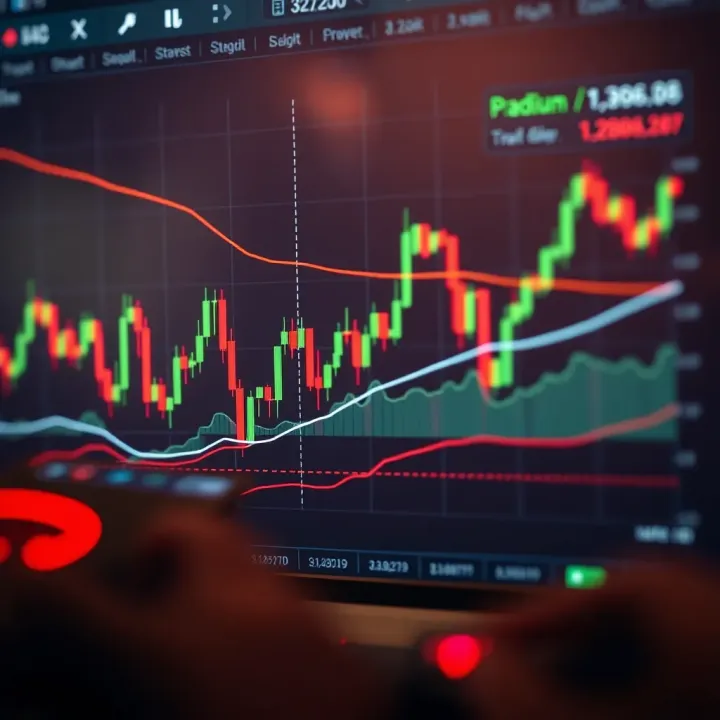
📈 Start your forex trading journey with confidence in South Africa! Learn key terms, practical steps, and risk management tips. Bonus: beginner-friendly PDFs included.

🌍 Learn the essentials of forex trading, from currency pairs to risk management, with practical tips tailored for South African traders. 📈💰
Based on 5 reviews