

Top Forex Trading Tools for South African Traders
Discover essential forex trading tools for South African traders. From software to risk management, boost your strategies and track markets effectively 📈💻💰
Edited By
Lucy Bennett
Forex trading involves exchanging one currency for another to profit from fluctuations in exchange rates. For South African investors eyeing opportunities linked to the Canadian dollar (CAD), understanding how the Canadian forex market operates is key to making informed decisions.
Canada’s forex market is shaped by its regulatory environment, trading infrastructure, and economic factors affecting the CAD. Unlike South Africa’s own market, trading forex connected to Canada requires awareness of specific rules, popular platforms accessible internationally, and tax obligations from both countries.
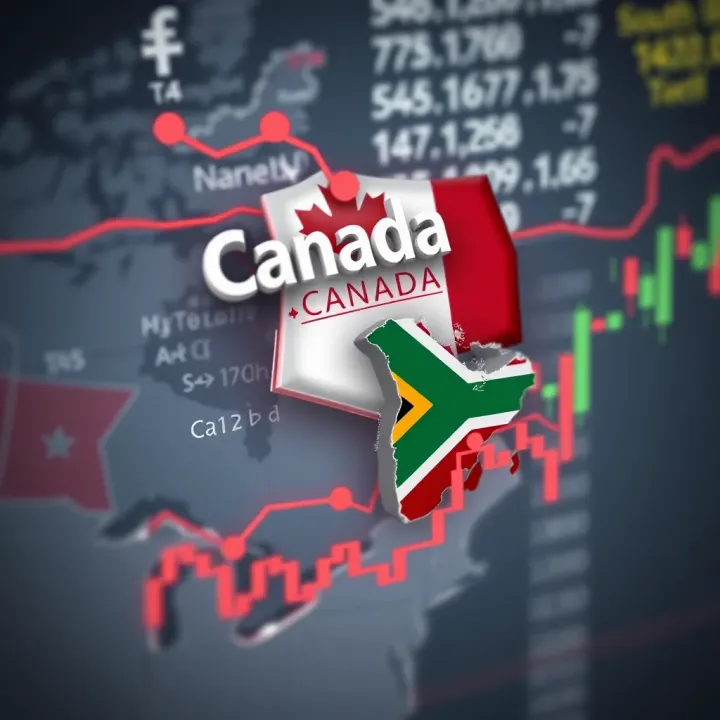
South African traders looking to include CAD pairs in their portfolio need to consider liquidity, volatility, and trading costs unique to pairs like USD/CAD, CAD/ZAR, and CAD/EUR. Alongside technical aspects, grasping the tax treatment of forex gains—including the double taxation agreements between South Africa and Canada—helps avoid surprises when filing returns with SARS.
Moreover, understanding risk management is crucial. Factors such as volatility during Canadian economic releases, oil price dependencies (since Canada is a major oil exporter), and how global events impact CAD-based trades play a large role in safeguarding capital.
Trading forex tied to the Canadian dollar offers diversification, but success depends on compatible platforms, compliance with cross-border regulations, and managing currency-specific risks.
This overview equips South African investors and traders with practical insights into entering Canada’s forex arena, highlighting what to watch out for and how to navigate this international market efficiently.
Grasping the dynamics of the Canadian forex market is essential for South African investors aiming to trade CAD pairs effectively. Understanding these factors helps anticipate currency movements and market conditions, avoiding guesswork. For example, knowing why the Canadian dollar fluctuates in response to oil prices gives traders an edge when timing their entries or exits.
The Canadian dollar (CAD) exchange rate depends heavily on Canada's economic performance, global interest rates, and geopolitical events. When the Bank of Canada adjusts interest rates, the CAD often reacts sharply because it affects investment flows. For instance, a rate hike usually strengthens the CAD as higher yields attract foreign capital.
Canada is a big exporter of commodities like crude oil, gold, and lumber. This link means the CAD often moves in tandem with commodity prices. If oil prices rise, the CAD tends to gain value since oil revenues boost the economy. Conversely, a slump in commodity prices can drag the CAD down, impacting forex traders holding CAD pairs.
The CAD is closely tied to the US dollar (USD) because of the extensive trade between Canada and the US. Movements in the USD often ripple through to the CAD. For example, a strong USD might weaken the CAD, making USD/CAD an essential pair to watch. The CAD’s relationship with the euro (EUR) is less direct but still significant through global market sentiment and economic links.
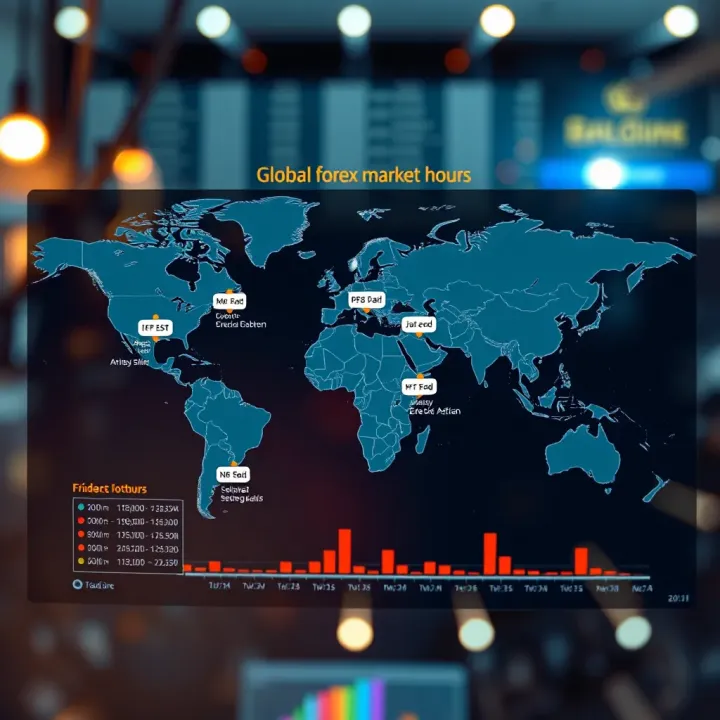
Canadian forex trading activity peaks during North American market hours, roughly 13:30 to 20:00 SAST. These hours overlap with US markets, increasing liquidity and volatility in CAD pairs. For South African traders, this overlap means opportunities to engage with the most active market phases, improving execution and pricing.
The best time to trade CAD pairs is when the Toronto Stock Exchange (TSX) is open and US markets overlap, typically between 15:30 and 19:00 SAST. Trades executed in this window benefit from higher liquidity and narrower spreads. For a South African trader, this means planning trades around these hours can help reduce costs and slippage.
Liquidity is crucial for executing trades at desired prices. The Canadian forex market sees its highest liquidity during North American peak hours, especially when key economic data like Bank of Canada interest rate announcements are due. This liquidity eases entering and exiting positions without large price moves, which is vital for both day traders and longer-term investors.
Understanding these market rhythms and the CAD’s unique characteristics helps South African traders make smarter, timely investments in Canadian forex pairs with less risk and more confidence.
Understanding the regulatory framework in Canada is vital for South African investors looking to trade forex linked to the Canadian dollar. Regulations provide a safety net, enforcing rules that protect traders and ensure brokers operate transparently. This section outlines the key regulatory body in Canada, the Investment Industry Regulatory Organization of Canada (IIROC), and offers practical advice on selecting licensed brokers accessible from South Africa.
IIROC is the chief regulator overseeing all investment dealers and trading activity on Canadian debt and equity marketplaces. Brokers operating in Canada must comply with IIROC’s standards, which include being financially sound, maintaining fair trading practices, and submitting to regular audits. For South African traders, this means partnering with brokers regulated by IIROC can lessen the risk of fraud or malpractice.

IIROC protects traders by enforcing strict conduct rules and offering dispute resolution mechanisms. For example, if a trader has a complaint against a broker, IIROC provides channels for mediation and investigation. This regulatory oversight enhances market trust and ensures traders receive timely and accurate execution of trades.
South African investors should know that IIROC compliance covers capital adequacy, client fund segregation, and transparent reporting. These standards help prevent situations where client funds are misused or lost due to poor broker management. Knowing these compliance benchmarks can assist you in vetting brokers and avoiding potential pitfalls in offshore trading.
Checking a broker’s licensing status is a crucial first step for any trader. South Africans should verify whether brokers are registered with IIROC or similar oversight entities. IIROC maintains a searchable public register that reveals whether a broker has a valid licence and a clean disciplinary record. This simple check can save you from dealing with unlicensed or rogue firms.
Canadian brokers often have different rules and protections compared to international ones. For instance, Canadian brokers usually offer stricter client fund protection and better transparency, which some offshore brokers might not guarantee. However, international brokers may provide a wider range of instruments or more flexible leverage options. Understanding these differences helps you choose a broker that suits your risk appetite and trading style.
When selecting a broker, consult user reviews and reputability rankings on trusted South African financial forums. Look for consistent positive feedback on withdrawal processing, customer support, and execution speed. A reputable broker will also comply with anti-money laundering standards, which is particularly important given South Africa’s regulatory environment centred on the Financial Intelligence Centre Act (FICA).
Verifying regulatory status and broker reputation isn't just a box-ticking exercise; it’s essential for securing your capital and trading peace of mind.
Making informed choices about broker partnerships will help you navigate the Canadian forex market safely and effectively, setting the stage for better trading outcomes.
Understanding which trading platforms and tools best serve Canadian dollar (CAD) currency pairs is vital for South African traders looking to tap into this market. The right platform can deliver smooth execution, reliable data, and practical features that make trading more efficient and secure.
South African traders generally favour platforms like MetaTrader 4 (MT4), MetaTrader 5 (MT5), and cTrader when trading CAD pairs. These platforms provide essential features such as real-time price charts, advanced order types, and customisable indicators, allowing traders to make decisions swiftly. For example, MT4’s Expert Advisors enable automated strategies, giving traders more speed during volatile market moments.
Integration with local payment methods remains a key consideration. Popular brokers offering CAD pairs often support EasyPay, Zapper, and direct EFT deposits, simplifying funding and withdrawals for South Africans. This avoids unnecessary foreign exchange fees and long processing times, allowing traders to react quickly to market shifts.
Mobile trading is another game-changer. Platforms like MT5 and cTrader offer user-friendly apps that maintain essential functions, including order entry, stop-loss settings, and chart analysis on mobile. In South Africa, where connectivity can fluctuate, such apps allow traders to stay connected and manage positions even on the go, especially during high-impact Canadian economic announcements.
Monitoring Canadian economic indicators such as the Bank of Canada interest rate decisions, unemployment numbers, and GDP reports is essential. Platforms embedded with tools like Economic Calendars and custom indicators help traders anticipate market moves based on these data releases.
Reliable news sources like Bloomberg and Reuters provide up-to-the-minute coverage of Canadian market developments. Some brokers integrate news feeds directly within trading platforms, giving traders instant access to relevant reports without leaving the interface, which saves time and keeps the focus sharp.
Automated trading and signal services are gaining traction among South African investors. Services that analyse CAD pair trends and send trade signals can assist novice traders or those who prefer semi-automated approaches. Nonetheless, caution is key—these signals should supplement, not replace, personal analysis and sound risk management.
Choosing the right platform and tools directly impacts your ability to trade effectively with Canadian forex pairs. Prioritise those offering strong integration with South African payment systems, reliable data, and versatile mobile access to keep you agile in the market.
Navigating taxation and legal matters is key for South Africans trading forex in Canadian markets. Knowing the tax obligations and legal risks helps avoid costly mistakes and ensures you trade securely. This section breaks down practical tax implications imposed by SARS (South African Revenue Service) and the legal safeguards you should observe when dealing with offshore platforms.
South African residents must report all offshore income, including profits from foreign forex trading, to SARS. Forex earnings from Canadian markets count as taxable income regardless of the trading platform's location. Traders should declare these profits in their annual tax returns, specifically under foreign income sections.
Failure to report can lead to penalties or audits, so keeping SARS informed protects you from compliance issues. For example, if you make a profit trading the CAD/ZAR pair via a Canadian broker, that gain is taxable in South Africa and must be reported accurately.
Forex profits can be taxed either as capital gains or regular income, depending on your trading pattern. If you trade occasionally as a private investor, SARS typically treats profits as capital gains, applying the capital gains tax (CGT) rate.
However, if you're trading frequently and it resembles a business operation, SARS may classify your profits as income, taxed at your marginal rate. For instance, full-time day traders often fall into the income tax category, meaning higher tax but also possible deductions.
Understanding where your forex activities fall helps you plan tax payments properly. Consulting a tax practitioner familiar with forex can be a smart move.
Maintaining detailed records of trades, deposits, withdrawals, and brokerage fees is essential. SARS requires evidence of how much you earned and any costs tied to trading.
Using spreadsheets or specialised software to log every forex transaction with timestamps and amounts reduces errors when filing taxes. Precise records also support your position if SARS questions your declarations later on.
Trading forex in Canadian markets exposes South African traders to both jurisdictions. It's crucial to understand the rules set out by IIROC in Canada and SARS in South Africa.
IIROC regulates Canadian brokers to ensure fairness and transparency, but South African traders should confirm that their chosen brokers comply and operate legally. Ignorance of cross-border rules could lead to blocked withdrawals or legal hassles.
Unlicensed brokers pose major risks including fraud and lack of fund protection. Always verify the broker's licence through Canadian regulatory bodies and South African oversight where applicable.
For example, picking a forex broker licensed by IIROC helps guarantee your funds aren't at serious risk and trading conditions meet regulations. Avoid brokers with no clear licence details or negative reviews.
Securing your funds and personal data is vital when trading offshore. Use brokers who offer segregated client accounts, meaning your money is kept separate from the broker’s operational funds.
Also, ensure your broker employs strong data encryption standards to protect your identity and banking details. This cuts down risks of cyber attacks and identity theft.
Keeping on top of taxation and legal aspects when trading Canadian forex is not just about legality—it's about protecting your investments and peace of mind.
This understanding empowers South African investors to make informed choices and trade confidently in international forex markets while meeting all regulatory requirements.
Trading forex linked to the Canadian dollar offers good chances but also brings its share of risks. For South African investors, balancing these is key to protecting capital while maximising profits. The Canadian market reacts strongly to specific economic indicators and global commodity trends, so understanding how to manage risk and identify opportunities can make all the difference.
Setting stop-loss and take-profit levels is a fundamental risk control method. A stop-loss order closes your trade automatically at a pre-set loss level, preventing major damage when the market turns against you. Conversely, take-profit locks in gains by closing a position once a favourable price is reached. For example, if you buy CAD/USD at 0.7500, a stop-loss at 0.7400 limits loss to 100 pips, while a take-profit at 0.7700 secures profit at 200 pips. Without these levels, traders risk emotions driving decisions, often leading to bigger losses or missed profits.
Diversifying currency exposure reduces risk by spreading investments across different pairs rather than focusing solely on the Canadian dollar. Since CAD is heavily tied to commodities, diversifying into currencies less correlated to oil prices, such as EUR/USD or USD/JPY, can shield your portfolio during oil price volatility. This approach guards against sudden drops in one currency due to economic or political changes, offering a more stable overall trading strategy.
Controlling leverage usage is crucial, especially when trading volatile pairs like those involving the CAD. High leverage amplifies gains but also magnifies losses, which can quickly wipe out your capital. South African traders should consider modest leverage levels, such as 10:1 or lower, to avoid excessive exposure. For instance, using 50:1 leverage on a highly volatile day could blow your account if the market moves unfavourably by just 2%. Responsible leverage use keeps you in the game longer and helps manage stress.
Bank of Canada interest rate decisions are some of the most impactful drivers of CAD forex rates. When the bank raises rates to curb inflation, the CAD usually strengthens as higher yields attract capital inflows. On the flip side, rate cuts often weaken the CAD. Monitoring these announcements helps traders anticipate volatility spikes and position themselves accordingly.
Oil price fluctuations play a major role given Canada’s status as an oil exporter. Rising crude prices typically boost the Canadian dollar because they improve the trade balance and national revenues. For example, when Brent crude jumps by 5%, the CAD often follows with a 1–2% gain against major currencies. Keeping an eye on oil market trends offers traders insight into potential CAD movements.
Canadian employment reports provide clues about economic health and influence forex rates. Strong job numbers signal growth and can push the Bank of Canada towards tightening monetary policy, which supports the CAD. Poor employment figures tend to have the opposite effect. Timing trades around these monthly reports may help South African investors capture short-term price swings while managing exposure to sudden market shifts.
Managing risks like leverage misuse and diversifying currency pairs, combined with keeping up to date on key Canadian economic data, helps South African traders take advantage of opportunities without exposing themselves to severe losses.
This practical awareness gives a firm footing in the Canadian forex market, enabling more confident and informed trading decisions.
Discover essential forex trading tools for South African traders. From software to risk management, boost your strategies and track markets effectively 📈💻💰
📈 Learn how understanding forex trading times and market overlaps can boost your trading strategy in South Africa. Master timing, volatility & key events!

📈 Discover forex trading tutorials designed for South African traders. Learn key concepts, strategies, risk management, and tools to boost your skills today.

🌍 Explore forex trading in South Africa: learn how it works, weigh the risks, understand brokers, and start trading smart with practical tips and legal insights.
Based on 12 reviews