

Understanding Enterprise Risk Management
🔍 Learn how enterprise risk management helps South African businesses spot and handle risks strategically, keeping operations safe and compliant locally.
Edited By
Oliver Bennett
Risk management plays a vital role across multiple sectors in South Africa, from finance and banking to mining and agriculture. It’s all about spotting, analysing, and handling risks so businesses don’t get caught off guard by turbulent markets, regulatory changes, or operational hiccups. For traders, investors, analysts, financial advisers, and brokers, understanding risk management opens doors to managing uncertainty with more confidence.
The career path in risk management isn’t fixed; it can start in various ways depending on your background. Many enter through finance, accounting, or economics, while others come from engineering, IT or even environmental science, given the broad nature of risk. What unites these routes is the need to develop a sharp eye for detail and an ability to interpret data effectively.
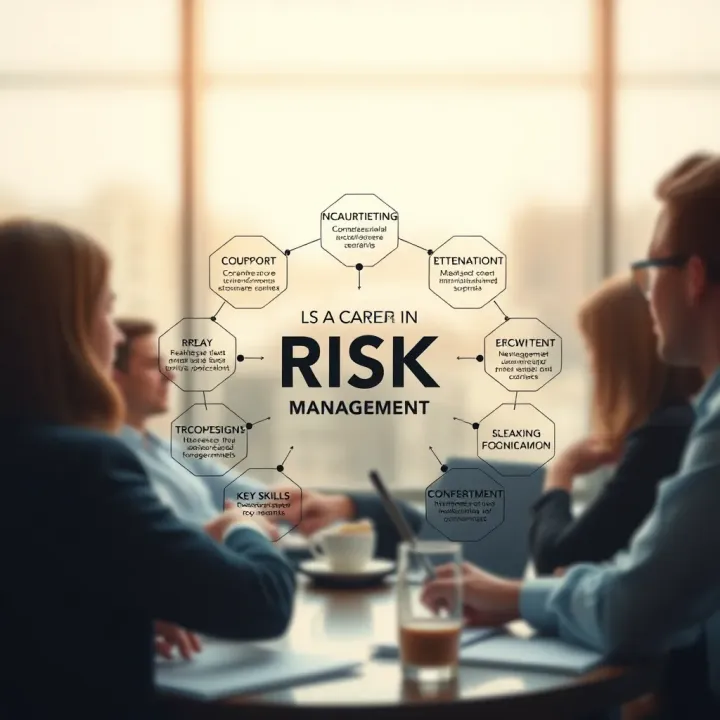
Think of risk managers as the lookout on a ship navigating the often choppy waters of South African business. They help steer the organisation through storms, be it exchange rate swings, credit defaults, or unexpected regulatory shifts.
Key skills to cultivate include:
Analytical thinking to assess complex data and identify risk patterns.
Knowledge of local and international regulatory frameworks, such as the Financial Sector Conduct Authority (FSCA) regulations.
Communication skills that enable clear reporting to stakeholders and executives.
Technological aptitude, especially familiarity with risk assessment software and platforms.
Qualifications often valued include degrees in finance, risk management, or commerce. Professional designations like the Financial Risk Manager (FRM) or Chartered Enterprise Risk Analyst (CERA) add significant weight, particularly in competitive sectors like banking and investment.
In practice, expect to work with tools to model credit, market, operational, and compliance risks. For example, in South Africa's banking sector, risk managers regularly analyse loan portfolios to avoid unexpected losses, managing risk appetite aligned with the institution’s strategy.
Starting out, internships or junior analyst roles at banks, insurance companies, or consultancy firms offer practical exposure. From there, building a career involves continuous learning, networking within professional bodies such as the South African Risk and Insurance Association (SARIA), and staying abreast of local market trends.
This article will break down pathways, necessary skills, and sector-specific opportunities to help you map out a career in risk management that’s both fulfilling and resilient in South Africa’s evolving economy.
Risk management professionals play a vital part in safeguarding businesses from uncertainties that could threaten their success. For traders, investors, analysts, financial advisors, and brokers, grasping the role these experts serve is key to making smarter decisions and managing potential pitfalls. Their insight helps organisations stay afloat during economic fluctuations, regulatory changes, or unexpected market behaviour.
Pinpointing risks isn't just about spotting obvious dangers — it demands a sharp eye for subtle threats too. For instance, a risk manager at a Johannesburg-based asset management firm would not only consider market volatility but also currency fluctuations, given the rand's sometimes turbulent nature. Accurate assessment helps prioritise the risks most likely to impact the organisation’s goals.
Take the example of an investment broker who must understand geopolitical tensions that could affect commodity prices or investor sentiment. Effective risk identification sets the foundation for sound risk management.
Once risks are clearly mapped out, risk managers devise strategies to limit exposure. These include hedging currency risks through derivatives or diversifying client portfolios to spread potential losses. South African firms often develop contingency plans for load-shedding impacts, ensuring critical operations remain uninterrupted.
A financial advisor guiding clients on retirement planning might recommend shifting investments away from underperforming sectors to more stable ones, aligning with the client's risk appetite. Good mitigation reduces surprise shocks and shields the bottom line.
Keeping a close eye on risk indicators allows businesses to adjust strategies promptly. Regular reporting to stakeholders ensures transparency and-informed decision-making. For example, banks in South Africa report credit risk metrics monthly to comply with the Prudential Authority’s requirements and maintain capital adequacy.
A risk analyst tracking market risk might use Value-at-Risk (VaR) models daily to alert portfolio managers of rising threats. These reports become the compass that guides organisations through uncertain waters.
The banking sector constantly juggles credit, market, and operational risks. Risk managers there are crucial in lending decisions, fraud prevention, and regulatory compliance. South African banks such as FNB and Standard Bank maintain dedicated risk teams to navigate fluctuating interest rates and the impact of economic policies on loan portfolios.
Financial services firms also face rapid changes due to fintech disruptions, making risk expertise indispensable for spotting technology-related vulnerabilities.
These industries contend with physical risks like safety hazards, supply chain disruptions, and commodity price shifts. Mining houses must manage environmental and regulatory risks, especially given South Africa’s stringent mining regulations and community relations.
Risk professionals here assess factors like equipment failure or labour strikes, which can halt production and affect profitability. For instance, an operational risk officer at a platinum mine will closely monitor labour negotiations and environmental compliance.
In insurance, quantifying risk underpins pricing policies accurately and managing claims risk. Healthcare organisations balance operational risks with patient safety concerns and data privacy compliance under POPIA.
Risk managers in these sectors develop fraud detection systems or set protocols for health and safety, crucial where liabilities can escalate quickly. A health insurer in South Africa might also assess risk exposure related to prevalent conditions like diabetes or HIV/AIDS.
Government entities face legal, financial, and reputational risks while delivering public services. Risk management helps anticipate budget variances, policy shifts, or project delays.
For example, city councils must plan for risks linked to infrastructural development and municipality rates collection, essential for stable revenue streams. Risk practitioners here support transparent governance and compliance with legislation.
Understanding risk management roles helps professionals across sectors anticipate problems early, protect assets, and guide strategic choices amid South Africa’s dynamic economic and regulatory environment.
Risk management demands a mix of sharp skills and solid qualifications to navigate unpredictability effectively. Those looking to build a career in this field will benefit from understanding the core competencies that matter and the educational pathways that open doors. This section breaks down which skills set you apart and why certain qualifications hold weight, particularly in South Africa's dynamic market.
Analytical thinking and problem-solving are at the heart of risk management. You must be able to sift through heaps of data, spot patterns, and assess potential threats quickly. For example, a risk analyst at a Johannesburg financial firm may need to assess credit risk by analysing client financials and market trends to predict loan default probabilities. The ability to pinpoint weak spots and develop practical solutions keeps businesses resilient, especially when the economic climate shifts unexpectedly.
Communication and stakeholder management skills are just as crucial. Risk managers often serve as the bridge between technical teams and decision-makers. Being able to explain complex risk assessments in clear language helps ensure everyone—from board members to frontline staff—understands the risks involved and the recommended actions. For instance, when reporting cyber risk to non-technical executives, simplifying jargon and using real-world examples can drive better decisions and buy-in.
Regulatory knowledge and compliance understanding is a vital skill due to South Africa’s evolving legal landscape. Familiarity with local regulations like the Financial Sector Conduct Authority (FSCA) guidelines or the Protection of Personal Information Act (POPIA) ensures your strategies stay within legal boundaries. A mining company's risk officer, for example, needs to ensure safety protocols meet Department of Mineral Resources requirements to avoid hefty fines and operational shutdowns.
Relevant degrees and diplomas provide the foundational knowledge required in risk management. Degrees in fields like finance, economics, or actuarial science offer insight into markets, statistics, and economic policy, which are relevant to assessing and managing risks. Many South African universities and technikons offer diplomas and degrees tailored to risk and insurance, which can be particularly useful for entry-level roles.
Professional certifications like CRM (Certified Risk Manager) and FRM (Financial Risk Manager) carry significant weight. Many companies in South Africa respect these internationally recognised credentials as proof of technical expertise and commitment to the profession. For example, obtaining a CRM can open doors to senior positions within banks or insurance firms, where risk management is critical.
Continuous professional development options are essential to keep pace with ever-changing risks and tools. Joining training workshops, enrolling in online courses, or attending seminars organised by bodies such as the South African Institute of Risk Management ensures you stay sharp. New software tools, updated regulations, and emerging threats like cybercrime require ongoing learning. Professionals who invest in keeping their knowledge current enjoy better career growth and adaptability.
Staying relevant in risk management means pairing practical skills with recognised qualifications. This approach helps you tackle real-world problems effectively while advancing in your career.
By understanding and developing these skills and qualifications, you’ll position yourself well to handle South Africa’s unique risk landscape and build a career that delivers both challenge and opportunity.
Mastering the pathway into risk management is essential for anyone looking to build a solid career in this fast-paced field. Understanding how to get a foot in the door and then climb the ladder can mean the difference between a steady role and a thriving profession with real growth potential. This section lays out practical steps and opportunities for both beginners and seasoned professionals.
Entry-level roles and internships provide a critical launching pad. Positions such as risk analyst assistants, junior risk officers, or internships at financial institutions like banks or insurance companies help you develop hands-on experience. For example, an internship at a South African bank like Absa or FNB can expose you to credit risk assessment and operational processes. These roles may not always pay much, but they offer invaluable exposure to day-to-day risk management work and help build a network within the industry.
Networking within professional bodies plays a key role. Organisations such as the South African Insurance Association (SAIA) and the Risk Management South Africa (RMSA) provide great platforms for meeting experienced professionals. Attend indabas, workshops, or virtual events to gain insights and mentorship. Such connections could lead to job recommendations or even direct referrals, which matter a lot in tight-knit South African markets.
Leveraging local job platforms and recruitment agencies sharpens your job search, connecting you with roles that suit your experience level. Platforms like Careers24, PNet, and even specialist recruiters handling financial roles can help you find openings in Cape Town, Johannesburg, or Durban. Agencies often know of roles not advertised publicly and can advise on current market trends or salary expectations, making your job hunt more efficient and targeted.
Senior risk analyst and manager roles represent the natural step up once you’ve got some years under your belt. These positions involve more responsibility, including overseeing junior staff and handling complex risk reports. For instance, after a few years as a risk analyst at a JSE-listed company, you might move up to managing the credit risk team, responsible for decisions affecting multi-million rand exposures.
Specialising in credit, market, or operational risk offers a chance to hone in on a niche where you can add real value. Credit risk involves assessing borrowers and financial health; market risk focuses on price volatility and instruments; operational risk involves internal processes, fraud detection, or IT risks. Specialising can make you indispensable, especially when companies seek specific expertise to navigate South Africa’s unique challenges like fluctuating exchange rates or loadshedding impacts.
Leadership and strategic risk positions are the pinnacle of career progression. These roles often form part of the executive team, influencing company-wide risk policies and strategies. A chief risk officer (CRO) at a South African bank or insurer will juggle regulatory compliance under the Financial Sector Conduct Authority (FSCA) and broader market risks while aligning risk appetite with business goals. Such roles demand excellent communication skills, big-picture thinking, and a deep understanding of local and global risk environments.
Career progress in risk management is a mix of gaining practical skills, expanding your network, and specialising strategically to meet evolving industry demands in South Africa.
Focusing on these areas can make your career both resilient and rewarding in the often volatile local market.
Risk management in South Africa presents unique challenges tied closely to our economic landscape and regulatory context. Understanding these factors is vital for anyone aiming to build a sustainable career in this field, as they influence both daily operations and long-term strategy.
The South African economy often experiences fluctuations stemming from global commodity prices, domestic demand shifts, and political events. Exchange rate swings, particularly the rand’s volatility against major currencies, can lead to sudden changes in operational costs and asset valuations. For example, a local manufacturer importing components might face increased costs during a rand depreciation, directly impacting profit margins.
Risk managers need to anticipate such fluctuations and devise mitigation strategies like hedging or diversified sourcing. This not only protects company finances but also ensures smoother forecasting. Those working with investment portfolios, especially multinationals or JSE-listed companies, must be adept at understanding how exchange rates influence market risk and investor sentiment.
Compliance with Broad-Based Black Economic Empowerment (B-BBEE) remains a cornerstone for South African businesses, especially when bidding for government contracts or engaging with corporate clients. Risk managers must integrate B-BBEE considerations within the wider risk framework, ensuring that compliance risks do not undermine contracts or reputational standing.
Additionally, South African legislation mandates various compliance measures, including the Protection of Personal Information Act (POPIA) and financial sector regulations enforced by the FSCA (Financial Sector Conduct Authority). Keeping abreast of these regulations helps risk professionals anticipate compliance risks and avoid penalties. For instance, a financial services firm could face fines or licence revocations if POPIA data protection standards are breached.
The shift towards digital platforms has accelerated in South Africa, especially amid loadshedding disruptions and the rise of remote work. While digital tools boost efficiency, they open new avenues for cyber threats such as phishing, ransomware, and data breaches. Risk managers must now actively evaluate cyber risk levels, implement robust security protocols, and plan for incident response.
For example, a logistics company using GPS tracking systems faces risks if attackers disrupt communication networks. Managing this risk involves collaboration with IT teams and regular system audits, ensuring business continuity despite cyber threats.
Data analytics and artificial intelligence (AI) are reshaping how risk is assessed and managed. South African firms increasingly deploy machine learning to detect patterns in large datasets, from credit default risks to fraud detection. This shift enables faster, more accurate risk identification, but also introduces risks related to data quality, algorithm bias, and ethical use.
Risk professionals should develop skills in interpreting analytics outputs and questioning AI-driven recommendations. For instance, a credit risk manager at a major bank might use AI to flag high-risk clients but should also understand the model's limitations to avoid unfair decisions that could harm both clients and the bank’s reputation.
Staying abreast of South Africa's unique economic and tech environment is essential for risk managers to protect assets effectively and support informed decision-making. This awareness shapes successful, resilient careers in the sector.
Sustaining a career in risk management requires more than just technical skills. It involves building strong professional relationships and continuously updating your knowledge to navigate an ever-changing landscape effectively. This section sheds light on practical strategies that help risk professionals remain relevant and successful over time.
Joining industry groups and attending events opens doors to connecting with peers and leaders in the risk management field. Organisations like the South African Risk and Insurance Association (SARIA) host regular seminars and conferences where you can exchange ideas and hear about emerging trends. Engaging in these communities not only keeps you informed but also puts you on the radar for job opportunities you might not find on regular job sites.
For example, attending the annual Risk Management Indaba in Johannesburg gives you a chance to hear firsthand about changing compliance demands or technological disruptions from seasoned experts and regulators. It’s also a great place to meet mentors or potential collaborators.
Mentorship and knowledge sharing play a pivotal role in career longevity. A mentor can provide invaluable guidance through complex challenges, offer feedback, and help set realistic career goals. Mentorship relationships are often mutually beneficial, as knowledge sharing also builds your reputation and leadership skills.
Consider joining mentorship programmes through professional associations or your workplace. These platforms often encourage pairing junior risk analysts with senior practitioners. Even informal mentorship, like regular catch-ups with experienced colleagues or online forums, can provide fresh perspectives and keep your problem-solving skills sharp.
Keeping up with legislation and best practices is crucial in risk management, where laws and industry standards change frequently. For instance, shifts in South Africa’s Financial Sector Regulation Act or updated requirements from the Financial Sector Conduct Authority (FSCA) can impact risk assessment protocols. Staying informed through subscribing to regulatory updates or attending CPD (Continuous Professional Development) courses will help you maintain compliance and credibility.
Ignoring these shifts risks professional stagnation or penalties for non-compliance. Organisations expect risk managers to anticipate such changes and adapt company policies accordingly.
Upskilling in new risk management tools is equally important. Modern risk management leans heavily on digital platforms—tools like Palisade's @RISK software, SAS Risk Management, and emerging AI-based analytics help in pinpointing threats accurately and swiftly. Taking short courses or certifications in these technologies can make a significant difference in efficiency and insight quality.
Practically, a risk analyst proficient in advanced data analytics or cyber risk management software often has a competitive edge in securing promotions or specialised roles. It’s wise to build a personal development plan that incorporates these new skills to stay ahead in the sector.
Sustaining success in risk management involves active networking, seeking guidance, and always learning. This proactive approach ensures you can handle new challenges confidently and remain a valuable asset within your organisation.
🔍 Learn how enterprise risk management helps South African businesses spot and handle risks strategically, keeping operations safe and compliant locally.

Explore key risk management frameworks 🛡️, their benefits, and how to tailor strategies for your organisation's unique needs across industries. 📊

📊 Explore why risk management is key in South African business: reducing harm, aiding decisions, boosting growth, compliance, and resilience.
🛡️ Discover why risk management is essential for protecting businesses from threats, improving decisions, and safeguarding resources effectively.
Based on 15 reviews