
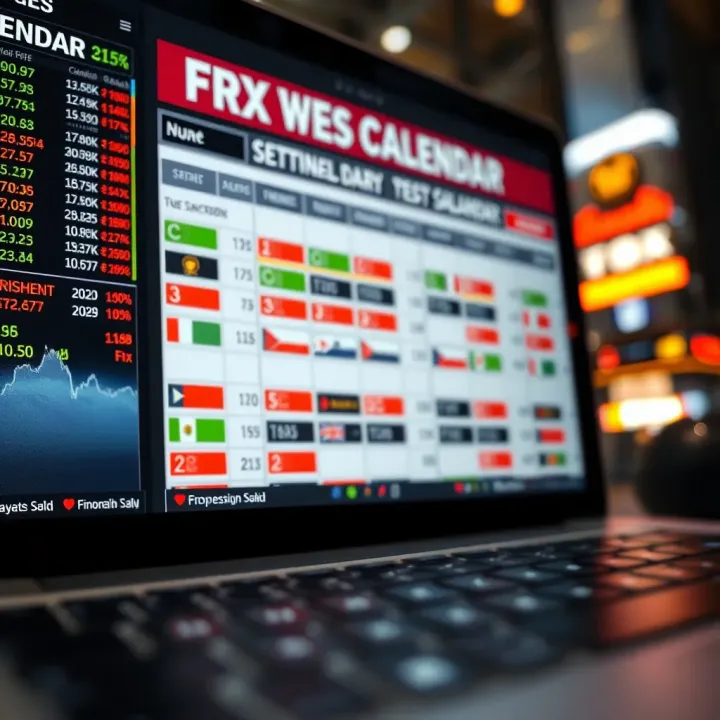
How the FX Economic Calendar Shapes Forex Trading
📅 Understand the FX economic calendar's impact on forex trading in South Africa. Learn to analyze economic events and make smarter currency decisions.
Edited By
Victoria Grey
The economic calendar is an essential tool for anyone involved in forex trading. It lists scheduled economic events, such as interest rate decisions, inflation data releases, and employment reports, which can trigger major shifts in currency prices. Without staying updated on these events, traders risk being caught off-guard by sudden market moves.
In the South African context, the economic calendar plays a critical role because events both locally and internationally affect the Rand's value. For instance, data from Stats SA on unemployment or inflation often weighs heavily on the Rand, while Federal Reserve rate decisions in the US or geopolitical developments overseas can likewise impact South African forex pairs.
Using an economic calendar effectively means more than just knowing the dates of events; it involves understanding the potential impact of each and planning trades accordingly. Traders usually monitor the expected value (consensus forecast) versus the actual release to see how the market might react. Surprises — where actual figures differ significantly — can cause volatility, while anticipated results tend to have muted impacts.
Economic calendars provide vital timing cues. Rather than guessing when the market might move, you can anticipate shifts around key scheduled releases and manage risk better.
Some common types of events you’ll find in a forex economic calendar include:
Central bank announcements (e.g., South African Reserve Bank interest rate decisions)
Inflation reports (like CPI or PPI data)
Employment statistics (such as the Quarterly Labour Force Survey in SA or US non-farm payrolls)
GDP growth figures
Trade balance and manufacturing activity reports
For South African traders, blending local data with global key releases is crucial. For example, an Eskom loadshedding announcement is unlikely to be in the calendar, but SARB’s policy decisions and US Fed meetings definitely feature and influence forex flows.
By integrating economic calendar insights into daily trading routines, you can align your entry and exit points with events set to move markets. This reduces guesswork and helps with risk management, especially during times of heightened uncertainty or market stress.
The next sections will unpack how to interpret the economic calendar, identify events with the biggest market impact, and develop strategies to use these signals to trade more smartly and confidently.
The economic calendar is an essential tool for anyone involved in forex trading. It lays out key upcoming economic events, scheduled releases, and official announcements that directly affect currency values. For South African traders, knowing when these events occur helps prepare for potential market moves and manage risk effectively.
Scheduled economic releases are pre-set dates and times when governments or institutions publish important economic data. This could be quarterly GDP figures, inflation rates, employment statistics, or trade balances. For example, the release of South Africa’s quarterly GDP report often results in noticeable rand (ZAR) volatility as traders adjust positions based on perceived economic health.
Central bank announcements involve decisions on interest rates, monetary policy, or guidance from bodies like the South African Reserve Bank (SARB) or the US Federal Reserve. Such announcements can swing currency values significantly. When SARB alters its repo rate, it immediately impacts the rand’s strength relative to other currencies, making these events highly relevant for timing trades.
Government reports and indicators cover a broad range of data points beyond central banks and scheduled releases. These include inflation data like the Consumer Price Index (CPI), employment figures, and manufacturing output. For instance, the monthly unemployment rate in South Africa is closely watched to gauge economic momentum and influence forex market sentiment.
Volatility around events increases as traders digest new data or unexpected announcements. High-impact releases often cause sharp price swings in currency pairs – a trader might see the rand jump or dive within minutes following a surprise interest rate change or inflation number. Being aware of these moments helps avoid getting caught in sudden, unpredictable moves.
Market sentiment shifts occur when expectations either meet, exceed, or fall short of forecasts. For instance, if the SARB holds rates steady despite forecasting inflation pressures, the market mood may turn bearish for the rand. Recognising these shifts allows traders to anticipate momentum changes before they fully materialise.
Predicting potential price moves is about using calendar information alongside forecasts and prior data to make educated trading decisions. Say the US Non-Farm Payroll (NFP) numbers come stronger than expected; traders might predict the dollar to strengthen. Conversely, weaker-than-expected South African trade balance figures could signal a softer rand ahead.
Understanding the calendar is more than checking dates; it's about connecting data with market psychology to navigate the fast-paced forex world.
By mastering these components, traders can plan better, know when to expect market turbulence, and make informed choices rather than reacting blindly. For South African traders especially, integrating local and global events into the trading approach can significantly improve timing and risk management.
Economic events form the backbone of forex market movements. Traders keep a close eye on these releases since they often trigger sudden shifts in currency demand and value. By understanding the key events, you can anticipate price action more reliably, avoiding surprises that might otherwise eat into profits.
Interest rates set by central banks directly influence a currency’s appeal. When rates rise, that currency often strengthens because higher yields attract foreign investors. Conversely, a rate cut usually weakens the currency as returns shrink. This makes monetary policy decisions one of the most impactful scheduled events on the economic calendar.
The South African Reserve Bank (SARB) plays a significant role here. When SARB announces its repo rate movements, it sends ripples through the rand (ZAR) market. For example, a 2023 rate hike by SARB to combat inflation boosted the rand, providing short-term trading opportunities. Keeping an eye on these announcements lets traders position themselves ahead of major moves.

Jobs data reveal how healthy an economy is beneath the surface. Strong employment figures typically signal economic growth, which supports currency strength. High unemployment, on the other hand, can indicate economic troubles, causing investors to shy away.
One of the most watched reports globally is the US Non-Farm Payrolls (NFP). Released monthly, NFP shows job gains or losses outside farming, government, and private household sectors. Positive surprises often boost the US dollar sharply. For South African traders, swings in the NFP can affect USD/ZAR pairs given the dollar’s reserve currency status.
Inflation numbers are vital because they determine a central bank’s interest rate path. Rising inflation often prompts tighter monetary policy, which supports the currency; falling inflation may lead to easing measures.
In South Africa, the CPI is an important gauge. For instance, surging petrol prices have historically pushed SA’s inflation above SARB’s target range, influencing the bank’s decisions. Traders tracking CPI data can anticipate these monetary policy moves and adjust their strategies accordingly.
GDP measures a country’s total economic output and is a key indicator of economic health. Strong GDP growth usually indicates robust economic conditions, supporting the local currency.
However, the impact of GDP reports can be different globally and within South Africa. While a positive GDP report in the US might cause global risk appetite shifts impacting emerging markets, South African GDP growth often directly influences domestic investor confidence and ZAR strength. Monitoring both local and global GDP figures gives traders a more complete market picture.
Staying abreast of these main economic events grants forex traders a clearer understanding of market drivers. Each report offers clues about future moves and helps protect against unexpected volatility.
Interest rates guide currency attractiveness through yield differentials.
Employment figures reflect underlying economic momentum.
Inflation dictates monetary tightening or easing.
GDP signals broad economic wellbeing at local and global levels.
Using this knowledge alongside the economic calendar sharpens your forex trade timing and risk management.
The economic calendar is more than a simple timetable—it’s a strategic tool that helps traders anticipate market moves by highlighting scheduled economic events. Using it effectively means understanding how data releases and announcements might shift currency prices, so you can position yourself accordingly rather than reacting blindly.
Economic indicators come with consensus forecasts—estimates compiled from economists and analysts ahead of the release. Traders closely watch these forecasts because currency prices often move in anticipation. For example, if the South African Reserve Bank (SARB) is expected to increase interest rates, traders might start buying the Rand early. However, the actual data can differ from these predictions, leading to sudden volatility.
The real game-changer happens when there’s a surprise—data that deviates markedly from the consensus. Say the US Non-Farm Payrolls report beats expectations by a significant margin; the US dollar may spike as traders adjust to stronger-than-expected economic performance. Conversely, disappointing figures often trigger sharp sell-offs. Understanding this dynamic helps traders spot opportunities to profit when markets react to unforeseen information.
One challenge with trading around big economic announcements is avoiding whipsaws—fast and erratic price movements that can trigger stop losses or cause traders to exit too early. To manage this, some opt to reduce exposure before releases or wait until volatility calms before entering trades.
On the flip side, volatility bursts present chances for significant gains. For instance, around a surprise SARB interest rate announcement, the Rand can swing sharply. Traders who time their entries well, perhaps by setting alerts for event times and using the economic calendar to plan, can capitalise on these rapid moves. Being selective and disciplined during these periods is key.
Economic reports offer fundamental insights, but confirming these with technical analysis adds another layer of confidence. If a CPI surprise suggests inflation is rising faster than expected, checking whether price charts show confirmed trends or reversal patterns can guide timing.
Managing entry and exit points benefits greatly from this approach. Technical levels like support and resistance can help determine where to set stop losses and take profits. For example, if employment data boosts the Rand and the price breaks a key resistance level, entering on the breakout with a stop loss just below that level can offer a controlled risk trade.
Mastery of the economic calendar paired with sound technical analysis allows traders to approach forex with more certainty rather than guesswork.
Integrating calendar awareness into your strategy means you can better anticipate market behaviour, avoid unnecessary risk, and spot moments where quick movement can be rewarding if handled with discipline.
Economic releases often trigger sharp, unpredictable price swings in forex markets. Managing risk during these times is essential to protect your portfolio from sudden losses. Traders must prepare for the rapid moves that can occur when data comes out differently than expected, especially around high-impact events like SARB interest rate decisions or US Non-Farm Payrolls.
Setting stop losses and take profits is a practical way to protect your capital during volatile economic events. A stop loss limits your potential loss by automatically closing a trade when price moves against you beyond a set level. For instance, if you’re trading the rand ahead of inflation data, setting a stop loss keeps losses manageable if the release spurs a sudden sell-off.
Conversely, take profit orders lock in gains once a target price is reached. This approach helps traders avoid turning a winning trade into a loss when the market reverses unexpectedly. The key is to set realistic levels that account for the event’s typical volatility, avoiding stops that are too tight or profit targets too ambitious.
Reducing your position size ahead of major economic releases lowers your exposure during risky periods. Smaller positions mean less risk per trade, which matters when prices might jump or drop abruptly. For example, if you normally trade R100,000 worth of USDZAR, shrinking that to R50,000 before a Fed announcement can shield your overall capital.
This tactic helps preserve trading capital and reduces stress—so you aren’t forced into emotional decisions when markets take unexpected turns. Keep in mind that position-sizing adjustments should fit your overall risk management plan rather than being ad hoc, which helps maintain consistency.
Sticking to a clear plan: Following a well-defined trading strategy prevents reckless moves driven by breaking news. It's tempting to jump into multiple trades after a surprising report, but overtrading often backfires, especially during volatile times. Set criteria beforehand to decide if and when you enter or exit trades.
Staying disciplined: Emotional control matters when market noise spikes. Sticking to your plan means resisting the urge to chase losses or double down impulsively. Discipline keeps your trades consistent across different economic scenarios, improving long-term results even if you miss some quick profits.
Managing risk around economic releases isn’t about avoiding the market but preparing smartly so sudden moves don’t catch you off guard. Simple steps like stop losses, position sizing, and disciplined trading can keep you steady when forex markets wobble.
By consciously applying risk management techniques, you shield your capital and remain in control, making the most of the economic calendar’s signals without getting burnt.
For South African traders, keeping an eye on both local and global economic calendars is vital. The Rand (ZAR) doesn't move in isolation; it's sensitive to domestic releases but also reacts sharply to major international updates. Knowing when key numbers drop helps you plan trades better, avoid unnecessary risk, and pick moments with good volatility.
The South African Reserve Bank (SARB) sets the repurchase rate, which heavily influences the Rand's strength. When SARB changes rates, it affects lending costs, inflation expectations, and foreign investment flows. For instance, a surprise hike to tame inflation usually strengthens the Rand as higher yields attract capital. Conversely, a cut might weaken the currency. Traders watch SARB meetings closely and factor in statements for subtle shifts.
Mining is a major pillar of the South African economy, contributing substantially to exports. Monthly or quarterly mining production data show whether output is growing or shrinking. Improved mining output often signals better trade performance and can push the Rand higher. If mining numbers disappoint, it raises concerns about exports and economic health, which may weigh on the Rand. For traders, these reports help anticipate short-term currency moves linked to commodity-driven demand.
South Africa’s trade balance—exports minus imports—reveals foreign currency inflows and outflows. A positive balance (surplus) tends to support the Rand as it means more foreign money coming in. A widening deficit can signal pressure on the currency. Traders use trade balance figures to gauge external demand and estimate Rand direction, especially when combined with commodity prices and global demand trends.
The US Federal Reserve's decisions on interest rates and bond buying are among the most watched globally. Because the US dollar is a key reserve currency, Fed policy shifts influence capital flows worldwide, including into emerging markets like South Africa. For example, a Fed rate hike often leads to dollar strength and Rand weakness, as investors prefer US assets. South African traders monitor Fed announcements to manage risk and position accordingly.
China is South Africa's biggest trading partner, especially for minerals and raw materials. Data such as China’s GDP growth, industrial production, and import figures impact the Rand through demand for South African exports. Strong Chinese numbers often bode well for commodity prices and the Rand, while disappointing data can dampen sentiment. Forex traders keep watch on Chinese releases to anticipate shifts in ZAR value.
South Africa is rich in resources like gold, platinum, and coal. Commodity prices have a direct bearing on the country’s export earnings and thus on the Rand. When prices rise, the Rand typically strengthens, reflecting higher expected income. For example, a spike in gold prices often lifts the Rand, given gold’s export role. Conversely, falling commodity prices can drag the currency down. Traders track global commodity markets alongside economic calendars to link price moves with Rand performance.
Understanding how both local reports and global developments affect the Rand helps South African traders make informed decisions, balancing opportunity with risk in the forex market.
📅 Understand the FX economic calendar's impact on forex trading in South Africa. Learn to analyze economic events and make smarter currency decisions.

📅 Master the Forex Street Economic Calendar to track key economic indicators and sharpen your trading strategy. Ideal for traders in South Africa and beyond.
📅 Learn how to use an economic calendar to spot key financial events and make smarter investment choices, tailored for South African markets and conditions.

Master forex trading with simulators! Learn their benefits, features, tips, and how to pick the best platform for smart, risk-free practice 📉💡
Based on 7 reviews