
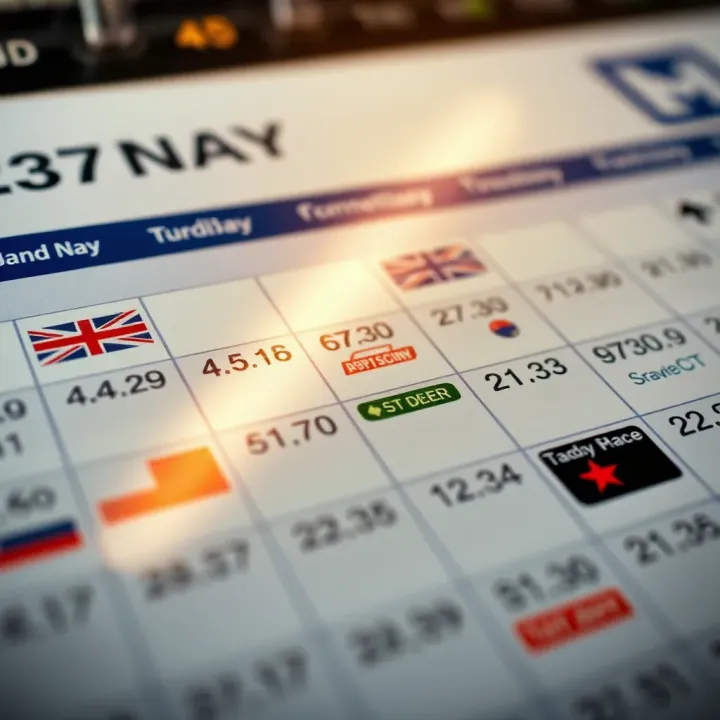
Mastering the FX Daily Economic Calendar
📅 Master the FX daily economic calendar to spot important events, understand market trends, and boost your trading confidence with practical tips for South African traders.
Edited By
Amelia Rhodes
For traders navigating the ever-changing winds of the forex market, staying ahead means having access to timely, reliable economic data. That’s where the Forex Street Economic Calendar comes in. It’s a straightforward yet powerful tool that lines up key economic events from around the world, allowing traders to see what’s coming next and prepare accordingly.
Unlike generic calendars, Forex Street focuses solely on economic indicators that truly move currency prices. Think of South Africa’s GDP growth rate announcements, US nonfarm payroll figures, or interest rate decisions by the European Central Bank. These are the headlines that can trigger sharp market moves, often within minutes.
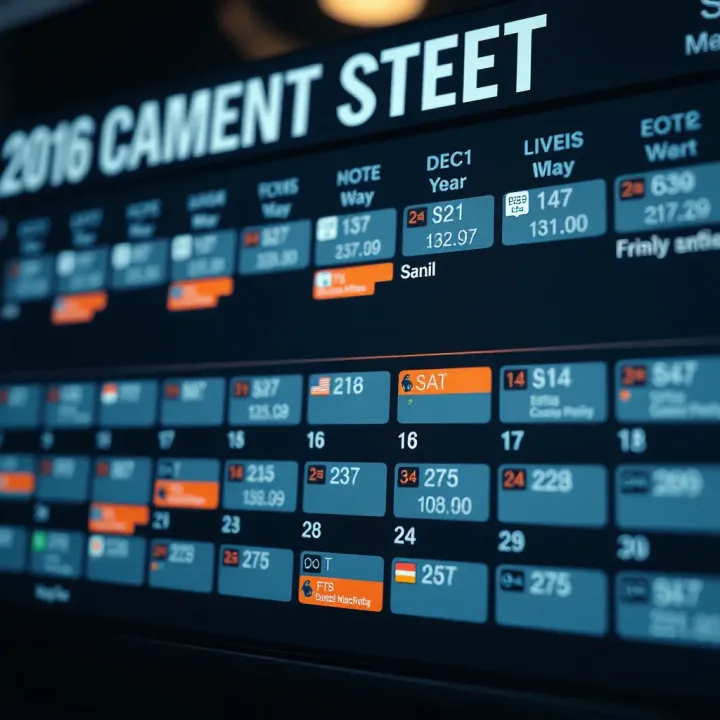
One practical example is if the SARB (South African Reserve Bank) announces a surprise hike in interest rates. A trader following this on the Forex Street calendar can anticipate impacts on the rand (ZAR) versus other currencies, adjusting forex positions before others catch on. Conversely, missing such news could mean walking right into a whipsaw.
The calendar is not just about listing dates and times. It ranks events by their expected market impact — low, medium, or high — helping you focus on what really matters amid a cluttered schedule. This ranking is vital given the tight trading hours and data costs many South African traders face.
Keeping an eye on economic releases isn’t just for the pros; it’s a vital edge for anyone serious about trading forex effectively.
Real-time updates with precise release times in your local time zone (SAST).
Coverage of multiple countries, crucial for diversified trading strategies.
Detailed event descriptions explaining what the indicator measures.
Historical data and forecasts to compare and judge the likely impact.
By integrating the Forex Street Economic Calendar into your trading routine, you’re not merely reacting to market moves but anticipating them. This proactive stance can improve trade timing, risk management, and overall outcomes, especially in volatile markets affected by global and domestic economic shifts.
Next, we’ll unpack the key economic indicators tracked on Forex Street and how you can use them to read market sentiment and price action more effectively.
The Forex Street Economic Calendar is a vital tool that lists key economic events impacting currency markets. For traders, understanding what this calendar shows can be the difference between catching profitable moves or getting caught on the wrong side of a surprise market swing. It outlines scheduled releases and announcements that typically cause fluctuations in forex pairs.
Interest rate changes by central banks are headline events on any economic calendar. These decisions directly affect borrowing costs, inflation expectations, and ultimately currency value. For example, when the South African Reserve Bank raises the repo rate, the rand often strengthens as higher yields attract foreign investment. Traders watch these decisions closely to position themselves ahead or react swiftly afterward.
Inflation figures, such as the Consumer Price Index (CPI), show whether prices are rising or falling in an economy. High inflation often pressures central banks to hike rates, which in turn can boost a currency’s value. Conversely, low inflation might delay rate hikes, weakening the currency. In South Africa, monitoring CPI releases informs traders about SARB’s potential policy moves.
Employment data like the unemployment rate or non-farm payroll in the US reveal the health of the job market. Strong employment numbers typically signal economic strength and can lead to currency gains. Conversely, rising unemployment may suggest economic slowdown. South African traders often track labour statistics alongside global data to assess risk sentiment.
Gross Domestic Product (GDP) figures represent the total economic output over a period. A better-than-expected GDP number indicates growth, encouraging currency appreciation as investment flows increase. A contraction, on the other hand, might signal trouble ahead, causing forex traders to reassess positions, especially in emerging markets like South Africa.
Beyond interest rates, central banks issue statements and press releases that guide market expectations. Speeches by governors or policy outlooks can shift sentiment sharply. For instance, a hawkish tone from the SARB governor might strengthen the rand, while dovish language could weigh on it. Traders paying attention here gain early clues about future moves.

The Forex Street Economic Calendar displays event times adjusted to the trader’s local time zone, easing the challenge of global scheduling. For South African traders, seeing times in SAST helps plan trades without confusion. Missing an event because of time mix-ups can mean lost opportunities or unexpected losses, so proper timing is key.
Next to each event, the calendar assigns a rating—often low, medium, or high—indicating its potential market impact. High-rated events like major central bank decisions or US Non-Farm Payroll data usually trigger volatility. Traders can use these ratings to decide whether to sit tight or prepare for rapid market moves.
Users can filter the calendar to focus on specific countries or currencies, tailoring the display to their trading preferences. For example, a rand-focused trader might filter for South African events or major trade partners like the US and China. This customisation reduces noise and sharpens focus on the most relevant releases.
Understanding what the Forex Street Economic Calendar shows—and how it’s organised—gives traders the edge to anticipate market shifts and manage risk more effectively. Timing, relevance, and context matter in forex, and this calendar aims to deliver all three in clear fashion.
Economic indicators give traders clear signals about a country's financial health, guiding their forex decisions. These figures show how a government or central bank’s policies might shift soon, affecting currency strength and market stability. Knowing which numbers to watch can help avoid unwanted surprises and spot trading opportunities early.
Interest rates are a major reason why currency values fluctuate. When a central bank raises interest rates, it often attracts foreign investors chasing better returns, pushing the local currency up. The flip side is when rates drop, making the currency less attractive and sometimes causing depreciation. For example, if the US Federal Reserve hikes rates unexpectedly, dollars often strengthen as investors move funds there.
Specific to South Africa, the South African Reserve Bank (SARB) plays a big role in the rand’s volatility. Its meetings and decisions on interest rates set the tone for traders. If SARB signals a rate hike to tackle inflation, the rand could rally. Conversely, a hold or cut might weaken it. Traders monitoring SARB’s Monetary Policy Committee (MPC) announcements get early insight into the rand’s probable direction, aiding better timing on trades.
Inflation figures like the Consumer Price Index (CPI) affect how traders view a currency’s purchasing power. High inflation often pressures the central bank to raise rates, impacting forex markets. For instance, South Africa’s CPI readings guide expectations around SARB’s policy moves; a spike might hint at tighter monetary policy soon.
Employment data also shapes market mood. Unemployment rates give a snapshot of economic health—rising jobless numbers can dampen confidence and see the currency weaken. On the other hand, improving employment boosts sentiment, enticing investment and potentially strengthening the local currency. In South Africa, where unemployment is a headline issue, these figures often move the rand and related markets more than many expect.
Staying alert to these indicators is vital. They flag when markets might shift, allowing you to manage risk better and position trades smartly around key announcements.
By focusing on interest rates, inflation, and employment stats from reliable sources like the Forex Street Economic Calendar, traders can anticipate turning points and navigate forex with greater clarity.
Using the Forex Street Economic Calendar effectively is a practical way to stay ahead in the forex market. It helps traders time their moves sensibly by understanding when key economic data is coming out, allowing them to avoid nasty surprises and identify opportunities based on market reactions.
Avoiding high volatility risks is essential, especially during major economic announcements like interest rate decisions or employment reports. For example, a trader holding a position in the rand might close or reduce exposure ahead of the South African Reserve Bank's announcement to sidestep sharp price swings caused by unexpected outcomes. Sudden spikes can wipe out profits or deepen losses, so steering clear during these times can shield your capital.
On the flip side, taking advantage of predictable market moves means preparing trades based on expected trends following scheduled releases. For instance, if the Consumer Price Index (CPI) comes in higher than forecast, it could signal inflationary pressure, potentially boosting the currency’s value. Traders anticipating such moves can position themselves accordingly before the data drop, aiming to profit from the subsequent market reaction.
Confirming trends with economic releases improves confidence when signals from the calendar match technical indicators. Suppose the rand is trending upwards, and positive GDP growth data is due. If the data confirms economic strength and the technical charts show bullish momentum, traders can hold their positions with more assurance.
Meanwhile, managing risk during announcements is about using the calendar to adjust stop losses or take partial profits to protect against sudden reversals. Volatility tends to spike during these events, so combining calendar timing with technical patterns helps traders avoid being caught on the wrong side of rapid moves. For example, one might tighten stop losses just before the employment data release to limit downside risk.
The Forex Street Economic Calendar is more than just a timetable—it’s a tool that, when paired with smart analysis, can guide traders through the wild swings of the forex market.
Being proactive with the calendar means you trade with information, not guesswork, blending economic insight with chart signals to make smarter decisions in South Africa’s fast-moving forex market.
The Forex Street Economic Calendar plays a key role in helping traders anticipate market movements by highlighting scheduled economic events worldwide. However, while it offers several practical benefits, traders must recognise its boundaries to avoid misjudging market conditions. This section outlines the main advantages and limitations of the calendar, particularly for South African and international forex participants.
One of the biggest advantages of the Forex Street Economic Calendar is its real-time update of economic data releases, central bank decisions, and other market-moving events. For traders, especially those working across time zones like South Africa and Europe, having immediate access to this information helps make quicker, well-informed trading decisions. For instance, when the South African Reserve Bank (SARB) announces an interest rate change, traders can promptly adjust their positions to reflect this shift.
This timely insight also allows traders to avoid entering the market blindly during volatile periods, such as right before non-farm payroll numbers from the US or inflation data from the European Central Bank. Being aware of these releases enables better risk management and more strategic trade timing.
The calendar’s ability to filter events by country or currency is immensely practical. A trader focused on emerging markets like the rand (ZAR) can customise the calendar to show South African economic indicators and major global factors influencing the ZAR, such as US Federal Reserve announcements or commodity price reports.
This tailored approach helps traders avoid information overload by concentrating on relevant events only. It also aligns with local trading routines; for example, a Cape Town-based trader can schedule alerts according to South African Standard Time, making it easier to plan trades around key releases without missing crucial details.
While the calendar meticulously maps out scheduled economic data, it cannot account for sudden political announcements, natural disasters, or unexpected central bank statements. These surprise events can cause sharp market swings that the calendar doesn’t warn about.
For example, an abrupt change in Eskom’s load shedding stage or a sudden Treasury announcement in South Africa can significantly impact the rand but won’t be reflected in the scheduled calendar. Traders must therefore complement calendar insights with alert services or news feeds that cover breaking events.
Economic calendars provide structure but do not eliminate the need for broader market awareness.
Another pitfall is placing too much trust in calendar events as the sole trading guide. Not every scheduled release leads to market movement; sometimes, the data come in line with expectations or get overshadowed by other factors like geopolitical risks or broader market sentiment.
Relying only on calendar information can also lead to missing technical signals or ignoring price action trends. A balanced approach that incorporates technical analysis and market context alongside calendar data works best. For example, a trader who enters a trade purely on an expected CPI figure without checking chart patterns or support levels risks getting caught out if the market reacts unpredictably.
In short, the Forex Street Economic Calendar is an essential tool but should be part of a wider toolkit that includes news monitoring, technical tools, and risk management strategies.
📅 Master the FX daily economic calendar to spot important events, understand market trends, and boost your trading confidence with practical tips for South African traders.
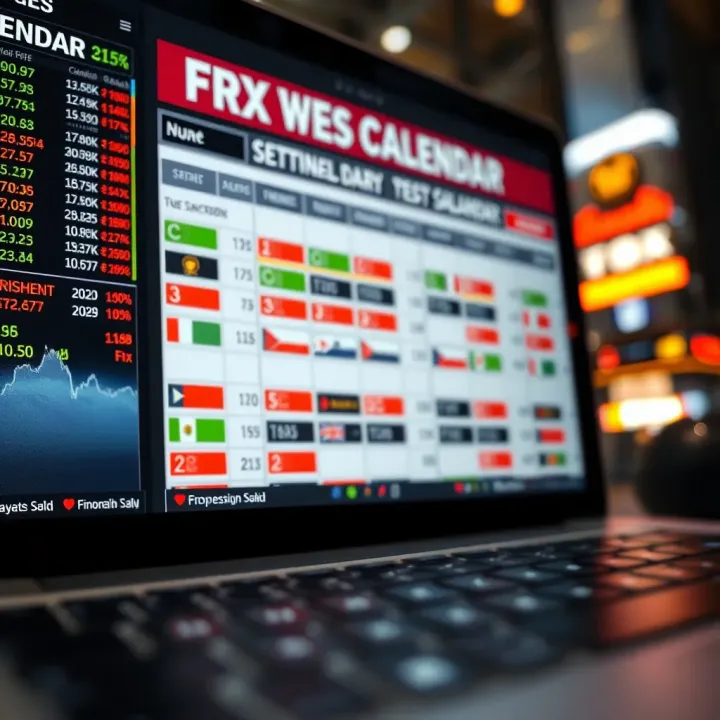
📅 Understand the FX economic calendar's impact on forex trading in South Africa. Learn to analyze economic events and make smarter currency decisions.
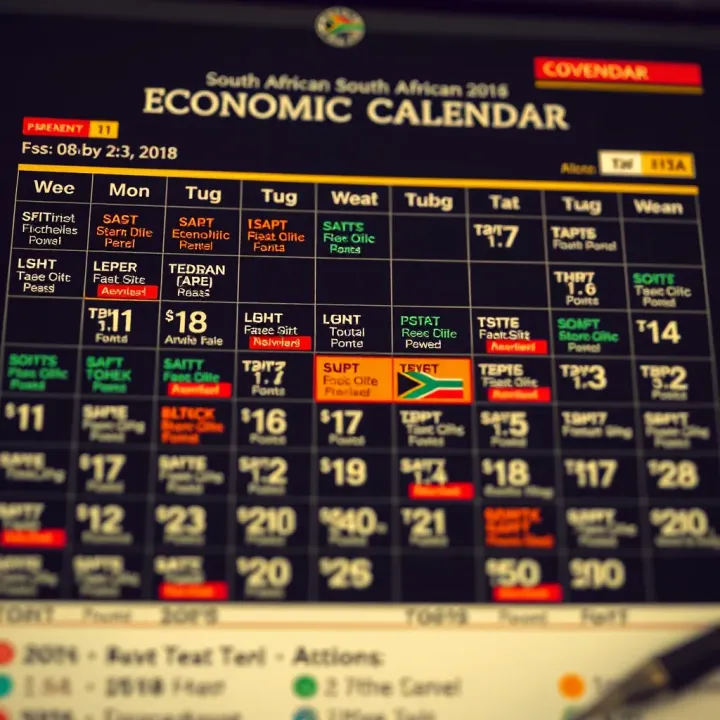
📅 Discover how South Africa's investing economic calendar can guide your decisions. Learn key indicators, market impact, and expert timing tips for smarter investments.

🌍 Learn how different Forex trading sessions affect market moves and volatility. Master session timing to sharpen your trading skills and manage risks better.
Based on 15 reviews