

Understanding Risk Management Frameworks
Explore key risk management frameworks 🛡️, their benefits, and how to tailor strategies for your organisation's unique needs across industries. 📊
Edited By
Hannah Richardson
Managing risk is a daily reality for South African businesses, whether in trading, investing, or financial services. A risk management framework (RMF) sets out a clear process to spot, evaluate, and control risks before they spiral. This structure helps organisations safeguard their assets, reputation, and ensure compliance with regulations — all vital in the often turbulent economic environment of Mzansi.
An RMF isn't just a theoretical tool; it’s a practical blueprint that maps out how risks are handled. Think of it as a company’s safety net, offering a methodical way to navigate uncertainties like market volatility, credit defaults, or operational interruptions related to loadshedding or fluctuating exchange rates.

A well-implemented risk management framework can mean the difference between weathering storms and costly setbacks.
Risk management frameworks bring discipline to decision-making and planning. They reduce guesswork by providing:
Consistent risk identification: Detect threats early, from cyber-attacks to supply chain delays.
Systematic risk assessment: Evaluate the likelihood and impact realistically.
Prioritised actions: Focus resources on the biggest threats, such as currency swings affecting import costs.
Clear accountability: Assign roles for ongoing risk monitoring and mitigation.
Without these steps, companies often find themselves reacting to crises rather than staying ahead.
Consider a local manufacturing firm affected by imported parts delays. An RMF helps the business identify this as a high-priority risk. It assesses the potential cost impact if delays persist and sets out control measures, such as sourcing from multiple suppliers or increasing local inventory. This framework guides the response proactively rather than scrambling when an urgent order falls through.
Risk management framework, risk identification, risk assessment, risk mitigation, compliance, South African businesses, market risk, operational risk.
This foundational understanding sets the stage for exploring specific RMF models and how South African entities can tailor them to real-world challenges.
A risk management framework (RMF) serves as a blueprint for organisations to handle uncertainties that could affect their goals. Instead of reacting to problems as they arise, an RMF helps businesses anticipate and prepare for various risks in a structured way. This approach is particularly handy for local companies navigating economic shifts, regulatory changes, or operational challenges.
At its core, a risk management framework is a set of guidelines that organisations use to spot, assess, and manage risks. It lays out clear processes and responsibilities, so risk management isn’t random or siloed. For example, a financial services firm in Johannesburg might use an RMF to define how market risks or credit default risks are flagged and handled, ensuring everyone knows their role and expectations.
The purpose is straightforward: reduce surprises, protect assets, and keep the organisation on track. An RMF also supports compliance with laws and industry standards, which is crucial given South Africa’s regulatory environment, including bodies like the Financial Sector Conduct Authority (FSCA).
Without a structured approach, risk management often falls apart due to inconsistent assessments or uncoordinated responses. A framework fosters consistency by standardising how risks are approached across departments. Consider a mining company facing fluctuating commodity prices, safety incidents, and environmental concerns. An RMF helps it balance these risks smartly, avoiding knee-jerk reactions and making decisions based on detailed, comparable data.
Additionally, an RMF signals to investors and partners that the organisation takes risk seriously, improving credibility and opening doors to better financing terms.
Think of an RMF as a well-maintained road map; it prevents organisations from getting lost amid unexpected challenges, especially in volatile markets like South Africa.
Risk management frameworks vary but generally cover a spectrum of risks:
Financial risks: Currency fluctuations, credit defaults, liquidity constraints
Operational risks: Supply chain disruptions, equipment failure, human errors
Compliance risks: Breaching regulations such as POPIA (Protection of Personal Information Act) or FICA (Financial Intelligence Centre Act)
Strategic risks: Poor market positioning, shifting consumer behaviour
Reputational risks: Negative public exposure or social media backlash
In South Africa, loadshedding stands out as a persistent operational risk. Many businesses embed contingency plans within their RMFs to cope with power outages—whether by investing in generators, solar setups, or adjusting operating hours.
Having these risks identified and managed systematically through an RMF means a business is less vulnerable and more agile, ready to face the ups and downs of both local and global markets.
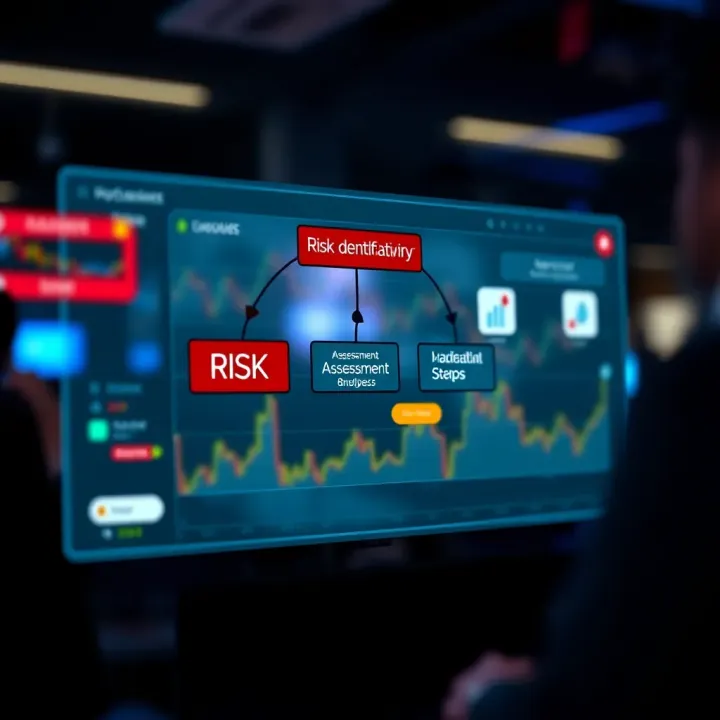
Risk management frameworks (RMFs) stand on a foundation of core elements that help organisations keep tabs on what could go wrong and how to deal with it. These elements are essential for traders, investors, analysts, financial advisors, and brokers who navigate uncertainties daily. They don't just tick boxes but shape how risks are identified, assessed, handled, and reviewed over time.
The first step in any RMF is recognising potential risks. This goes beyond obvious financial threats — it can include operational disruptions due to loadshedding or shifts in regulations by SARS affecting tax strategy. Identification involves collecting inputs from various sources such as market data, internal audits, and expert opinions. Once identified, risks need analysing: understanding their nature, causes, and potential impacts. For example, a forex trader may spot currency volatility risks that stem from international political shifts. Analysis helps paint a clear picture so you don’t end up chasing phantom risks or ignoring crucial ones.
Not all risks deserve equal attention. Here, evaluation sorts risks by likelihood and potential harm, often using a risk matrix or scoring system. Prioritisation directs focus and resources where they matter most. Take an investment portfolio with both emerging market equities and government bonds. The former might carry higher volatility but also promise bigger gains; so you might prioritise mitigation efforts here while keeping an eye on the more stable bonds. For risk managers, this process avoids wasting time on low-impact issues and highlights where immediate action is needed.
Once risks are identified and ranked, the next move is treating them. Treatment options include avoiding, transferring (like insurance), reducing, or accepting risks depending on organisational appetite. A broker might reduce counterparty risk by diversifying clients or use derivatives to hedge. Similarly, a financial advisor could design investment strategies that absorb shocks from fluctuating markets. The key is to apply treatments which are not just effective but practical and affordable within your operational model.
Risks are not static; they evolve as markets, regulations, and business conditions change. Regular monitoring keeps you in the loop about emerging threats or improvements. Effective RMFs embed reporting tools that provide timely updates and transparent communication across departments. For example, a trader reporting daily risk exposures to senior management enables swift decision-making in volatile times, such as during sudden rand fluctuations or unexpected policy announcements. Routine reviews also ensure that mitigation measures remain relevant and adjust where needed.
Monitoring risk and communicating findings clearly isn’t just good practice — it supports informed decision-making and helps avoid unpleasant surprises.
Embedding these elements within your organisation’s RMF makes it easier to spot risks early, respond appropriately, and keep stakeholders informed. Each part reinforces the others, turning risk management from a paperwork exercise into a practical, everyday tool — vital for those working in South Africa’s dynamic financial landscape.
Choosing the right risk management framework is a key step for organisations aiming to strengthen their risk controls. These standards provide tested blueprints that guide how risks are identified, assessed, and handled, helping businesses avoid costly mistakes. They aren’t just theoretical—these frameworks reflect practical steps that can be tailored to a company’s specific operations and industry demands.
ISO 31000 stands out as the global benchmark for risk management. It’s not industry-specific, which means any type of organisation—whether a Johannesburg fintech startup or a Cape Town manufacturing plant—can apply it. The framework promotes integrating risk management into every part of the business, from strategy to daily operational decisions.
The core of ISO 31000 is about creating a continual process: identifying risks, assessing their potential impact, treating them with the right controls, and monitoring outcomes. For example, a South African retailer might use ISO 31000 to manage risks from load shedding by incorporating backup power solutions and revising supply chain plans.
The COSO (Committee of Sponsoring Organizations) framework focuses heavily on enterprise risk management (ERM) for larger organisations and listed companies. It emphasises the alignment of risk management with organisational objectives and the internal control environment. COSO helps firms map risks to their strategic goals, ensuring they’re not just managing risks reactively but proactively.
A practical case could be a JSE-listed mining company using COSO to manage risks ranging from commodity price fluctuations to health and safety compliance. The framework’s structured approach supports detailed risk reporting, an essential feature for public companies meeting governance requirements.
Some sectors require specialised risk frameworks due to unique challenges. For instance, the financial industry in South Africa may adopt Basel III principles to govern capital adequacy and liquidity risks. Similarly, the health sector might follow specific biohazard risk protocols to protect patients and staff.
These industry-focused adaptations often piggyback on general models like ISO 31000 but add specific controls and assessment tools. This ensures risks are managed within the nuances of the particular field, such as regulatory compliance in banking or safety standards in mining.
Customising a risk management framework to suit your industry and business size is essential. It helps avoid generic, one-size-fits-all approaches that don’t address the realities on the ground.
In short, knowing popular frameworks like ISO 31000 and COSO provides a robust foundation. But layering industry-specific adjustments ensures risk management stays practical and actionable, especially in dynamic South African markets.
Implementing a risk management framework (RMF) in an organisation is more than ticking boxes; it’s about embedding a culture of risk awareness that supports smarter decision-making and safeguards assets. For traders, investors, and analysts, having an RMF in place means risks are identified early, helping avoid costly errors or sudden shocks to their portfolios.
Choosing or creating a suitable RMF starts with understanding the organisation’s context and risk appetite. One size doesn't fit all, especially in South Africa’s varied business landscape. An investment firm, for instance, might lean on ISO 31000 for its broad applicability, whereas a financial advisory service may prefer the COSO framework for its enterprise risk management focus. The key is to assess your organisation's size, industry risks, and regulatory environment before selecting or tailoring a framework.
A practical step involves gathering input from stakeholders to pinpoint key risks and existing controls. Documenting these helps create a baseline from which to build or adapt the framework.
Risk management only works when all departments play their part. Imagine a stockbroking firm where the compliance team, traders, and IT department work in silos; risk-related information might slip through the cracks. Getting buy-in means explaining how everyone benefits from managing risks effectively — reduced surprises, better reputations, and smoother operations.
Leadership endorsement sends a clear message, but practical steps also matter. Regular interdepartmental meetings or risk committees can keep communication alive and build trust around the RMF.
A framework is useless if its users don’t understand it. Training tailored to different levels ensures everyone knows their role. For example, traders need to grasp market risk concepts, while support staff might focus more on operational risk and controls.
Clear communication channels, possibly including easy-to-use guides or digital dashboards summarising current risks, can support ongoing engagement. Remember, jargon-heavy materials often alienate users, so keep things straightforward.
Risks don’t stand still, and neither should your RMF. Regular reviews help catch emerging threats or gaps in controls before they become problems. A practical method is scheduling quarterly risk assessment workshops that draw on real transaction data or recent market events.
Besides internal reviews, external audits or benchmarking against peers can provide an objective view. Continuous improvement also means updating policies and training as the business and market evolve — whether it’s adjusting for new regulations from the Financial Sector Conduct Authority (FSCA) or responding to technological changes.
An effective risk management framework adapts with the organisation, ensuring resilience in the face of changing economic and regulatory tides.
Implementing a risk management framework is ultimately about making risk management integral to everyday operations, especially for those in trading and financial sectors. The practical steps of selection, buy-in, training, and review build a living system where risks are managed consciously, not just reacted to. For a volatile market like South Africa’s, this approach helps protect investments and fuels sustainable growth.
Having access to well-structured Risk Management Framework (RMF) documents in PDF format is incredibly helpful for organisations aiming to manage risks consistently and transparently. PDFs serve as reliable, shareable references that capture standards, procedures, and controls clearly. For traders, investors, analysts, and brokers, these documents not only support compliance but also strengthen decision-making by providing detailed risk management guidelines tailored to various sectors.
Reliable RMF PDFs typically come from official sources such as South African government departments, regulatory bodies like the Financial Sector Conduct Authority (FSCA), and international standard organisations such as ISO or COSO. Industry associations and professional risk management institutes also distribute well-reviewed frameworks. For example, the Institute of Risk Management South Africa (IRMSA) often provides useful resources specific to local conditions. Be cautious of random downloads on forums or unsecured websites, as outdated or unverifiable PDFs can mislead risk assessments.
Checking a PDF's credibility begins with verifying the author or issuing body’s reputation. Official stamps, publication dates, and version numbers are key indicators of reliability. Additionally, cross-reference the content with trusted local regulations, such as the King IV Report on Corporate Governance, or international standards that your organisation recognises. If a framework lacks proper referencing or reads like a generic template with little practical relevance, it’s wise to reconsider its use. Keep an eye out for South African-specific nuances, like references to the National Credit Act or POPIA (Protection of Personal Information Act), which reflect current local requirements.
Employing RMF PDFs in training sessions helps ensure everyone in the organisation understands risk policies uniformly. Printable guides or slide decks extracted from these documents assist facilitators during workshops or inductions. For example, a financial advisory firm might use the COSO Enterprise Risk Management PDF as a standard training tool to illustrate risk integration within all departments. In everyday operations, having a digital copy on shared drives enables quick consultation, ensuring frontline staff and analysts align with the prescribed risk controls during decision-making.
No one framework fits every organisation perfectly; that said, downloaded PDFs provide a valuable foundation. You can tailor them by adding industry-specific risk examples, local regulatory references, or workflows unique to your business model. A JSE-listed company, for instance, might integrate market volatility strategies not present in generic PDFs. Always document any changes clearly and update the digital versions so everyone works from the latest version. This approach keeps the framework practical, adaptable and compliant with local realities.
Ready access to credible RMF PDFs accelerates embedding risk culture, sharpens responses, and keeps organisations compliant, especially in South Africa's dynamic regulatory and economic landscape.
By focusing on sourcing trustworthy PDFs and adapting them thoughtfully, you make the most of these valuable tools for safeguarding your organisation's future.
Explore key risk management frameworks 🛡️, their benefits, and how to tailor strategies for your organisation's unique needs across industries. 📊

Learn the step-by-step risk management process 🔍 from spotting threats to monitoring controls, helping SA businesses protect assets and reduce uncertainty 📉.

🛡️ Learn practical risk management essentials: types, steps, tools, and challenges to boost your business strategy and safeguard success.

📊 Discover how South African businesses can apply enterprise risk management to identify threats, enhance decision-making, and safeguard growth with practical steps.
Based on 7 reviews