

Understanding Enterprise Risk Management
🔍 Learn how enterprise risk management helps South African businesses spot and handle risks strategically, keeping operations safe and compliant locally.
Edited By
Amelia Foster
Risk management professionals in South Africa occupy a critical role in navigating financial uncertainty and safeguarding organisations against potential pitfalls. Given this responsibility, understanding the salary trends in this sector can help traders, analysts, and advisors gauge market value and plan career growth effectively.
Salaries for risk management roles vary widely, influenced by experience, qualifications, industry, and even location. For instance, a junior risk analyst based in Johannesburg might start with a salary between R250,000 and R350,000 per year, while a seasoned risk manager in the financial services sector could command upwards of R1 million annually.

Experience unlocks many doors in risk management pay scales — even moving from three to five years in the field can boost your earnings significantly.
Qualifications hold weight too. Having a Chartered Financial Analyst (CFA) accreditation or certifications like Financial Risk Manager (FRM) often translates to higher salary offers. In fact, many South African banks and asset managers prefer candidates with these credentials, especially in competitive markets influenced by JSE regulations.
Industry sectors also affect remuneration levels. Risk professionals in banking, insurance, and asset management usually see better pay than those in retail or public sector roles. Furthermore, companies heavily impacted by economic uncertainty, such as mining and energy, tend to value skilled risk management more — which sometimes reflects in enhanced pay packages.
To put it practically:
Entry-level risk analysts: R250,000–R350,000
Mid-level risk managers: R450,000–R700,000
Senior risk professionals (5+ years, with certifications): R750,000–R1,200,000+
Besides hard skills, soft skills like communication, problem-solving, and the ability to assess complex market scenarios contribute to improved salary prospects. Employers increasingly seek individuals who can not only crunch numbers but explain potential risks strategically to stakeholders.
Market conditions, such as Eskom loadshedding disruptions or fluctuating rand exchange rates, also influence demand for skilful risk managers who can adapt quickly. As South African enterprises wrestle with local and global uncertainties, the value placed on risk management expertise tends to rise accordingly.
Understanding these dynamics equips traders, investors, and financial advisors with knowledge to negotiate better packages or target relevant training pathways. It also helps in assessing when to switch sectors or pursue particular skills to broaden one’s earning potential in South Africa’s evolving financial landscape.
Risk management in South Africa has grown into a crucial career path due to the country’s dynamic economic and regulatory environment. Businesses face numerous risks—from market volatility and currency fluctuations to compliance with laws like the Protection of Personal Information Act (POPIA) and global standards such as Basel III for banking. Understanding how to identify, assess, and mitigate these risks is vital for organisations to survive and thrive.
Risk managers are responsible for protecting a company’s assets by spotting potential threats and creating strategies to minimise impact. They analyse financial data, review operational processes, and assess external factors such as political instability or supply chain disruptions. For example, a risk manager at a Johannesburg-based manufacturing firm might oversee contingency plans for electricity interruptions caused by Eskom loadshedding, ensuring production downtime is kept to a minimum.
Their work includes preparing detailed risk reports, advising executives on risk exposure, and ensuring compliance with local and international regulations. They must communicate clearly across departments, balancing technical expertise with practical business understanding. This mix of analysis, strategy, and communication makes their role both challenging and rewarding.
South African companies operate in a landscape marked by rapid change and uncertainty. Besides traditional financial risks, firms navigate issues such as fluctuating exchange rates, political developments, cyber threats, and infrastructure problems. Without effective risk management, a firm's reputation, profits, and even survival may be at stake.
Take financial services as an example: banks and investment companies must comply with regulations from the Financial Sector Conduct Authority (FSCA) while managing credit and market risks. Failure to do so can result in heavy fines or loss of licence. Similarly, retail businesses face supply chain risks that could disrupt stock availability, affecting customer satisfaction.
For companies big and small, especially in South Africa, strong risk management helps turn uncertainty into informed decision-making, reducing shocks and supporting long-term growth.
In summary, risk management offers a stable, impactful career with practical relevance across industries in South Africa. For traders, investors, analysts, financial advisors, and brokers, understanding this field’s scope and challenges can enhance their market insight and decision-making skills.
Understanding the typical salary range for risk management professionals in South Africa helps you set realistic expectations whether you're just starting out or moving up the ladder. It also provides useful benchmarks when discussing pay with potential employers or negotiating raises. Salaries in this field vary widely by experience, seniority, and industry sector, which makes knowing the specifics all the more important.
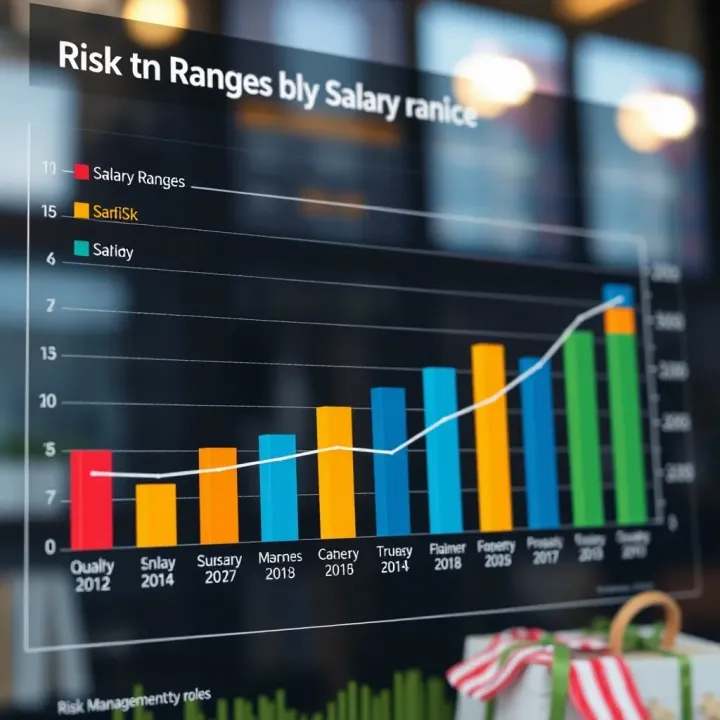
At the starting point, risk management roles commonly offered to graduates or those switching fields typically commence around R200,000 to R320,000 per year. For example, a junior risk analyst at a Gauteng-based financial firm might start at about R250,000 annually. These roles often require foundational qualifications such as a degree in finance, commerce, or engineering along with a keen interest in data and regulations. Entry-level jobs provide an avenue to build practical insights into risk identification and mitigation, often supporting senior teams.
With several years’ experience, a risk manager’s salary can jump significantly. Mid-level professionals usually earn between R450,000 and R750,000 annually depending on expertise and sector. Senior risk managers or specialists in corporate governance and compliance may command upwards of R900,000, with some in large multinationals or banks reaching beyond R1.2 million. For instance, a senior risk analyst at a Johannesburg bank often benefits from performance bonuses and other incentives, boosting total remuneration. Leadership roles, which involve overseeing entire risk units or critical projects, typically carry the highest pay.
Industries heavily impact how much a risk management professional earns. Here’s a quick look:
Financial Services: Banks, insurance, and investment firms usually pay top rupees due to regulatory demands and complex risk issues.
Mining and Resources: Salaries can be competitive, particularly where operational risks and international compliance overlap.
Manufacturing and Retail: These sectors tend to offer moderate pay scales reflecting steady but less complex risk profiles.
Public Sector: Government departments or state-owned enterprises often lag behind private companies in pay but might offer greater job security.
It's worth remembering that companies in metropolitan hubs like Johannesburg and Cape Town generally offer higher salaries than those in smaller towns, reflecting the higher cost of living and concentration of corporate headquarters.
In sum, knowing the typical salary range across different career stages and sectors lets you plan your career path and salary expectations more effectively within South Africa’s diverse economic landscape.
Salaries in risk management don't exist in a vacuum; they hinge on several crucial factors that shape earning potential. Understanding these can help you gauge where you stand in the market or how to position yourself for better pay. The main influences in South Africa tend to be qualifications and professional certifications, experience and specialisation, as well as the size and location of the employer. Each of these has practical implications for your career and remuneration.
Having the right qualifications can markedly lift your salary prospects. For risk management roles in South Africa, recognised credentials like the Certified Risk Manager (CRM), Chartered Enterprise Risk Analyst (CERA), or qualifications from the South African Institute of Risk Management (SAIRM) often open doors to higher pay brackets. For example, a risk analyst with a CERA designation typically earns around 10-20% more than a counterpart without such certification. This acknowledgment of specialised knowledge signals to employers that you understand global risk frameworks and local compliance nuances, especially important in sectors regulated by the Financial Sector Conduct Authority (FSCA).
Experience remains a heavy hitter when it comes to salary determination. A risk professional with five years’ experience generally commands more than someone straight out of university. But it’s not just years clocked; the type of experience matters. For instance, someone specialising in credit risk in banking might earn more than a generalist, simply due to the complexity and impact of their work. Similarly, professionals who have navigated major projects involving corporate governance, or who understand Eskom loadshedding risks, bring added value. These niche skills allow you to negotiate better pay or faster career advancement.
Where you work and how big your employer is can make a clear difference in your pay packet. Larger companies, especially multinational banks or insurers in Johannesburg or Cape Town, often offer higher salaries and additional benefits compared to smaller firms or those in smaller towns. For example, a risk manager working at a JSE-listed company in Sandton might earn up to 30% more than someone in a smaller risk role in a provincial city. Location also impacts living costs and job competition, influencing salary offers. Urban hubs provide more exposure to complex risk environments, which aligns with corresponding pay increases.
Knowing these factors lets you chart a course for your career—whether you plan to gain specific certifications, build deep expertise in a niche, or seek employment with bigger players in key cities.
Together, these influences create a dynamic salary landscape. By focusing on advancing your credentials, gaining relevant experience, and targeting the right employers, you can make deliberate moves to enhance your earning potential in South African risk management.
Salary progression in risk management hinges strongly on a combination of technical, interpersonal, and regulatory skills. Mastery in these areas not only clarifies your value to employers but also opens doors to higher pay brackets. Understanding which specific skills set you apart can make all the difference in a competitive South African job market.
Technical abilities form the backbone of risk management roles. Proficiency in quantitative analysis, risk modelling software, and data interpretation equips you to forecast potential risks and craft effective mitigation strategies. For instance, familiarity with tools like Microsoft Excel for advanced data analysis or specialised software like Palisade’s @RISK can streamline scenario planning and enhance decision-making accuracy.
In South Africa's volatile economic environment, being able to analyse credit risk for banks or investment risk for asset managers can raise your profile substantially. Employers often seek candidates who can handle large datasets and extract actionable insights swiftly, a skill invaluable during periods of market uncertainty or regulatory change.
Technical know-how alone won’t carry you far without the right soft skills. Strong communication is essential because risk managers must explain complex risks in clear, relatable language to non-specialists, including executives and stakeholders.
Leadership qualities also significantly influence salary growth. Take the example of a risk manager who successfully leads a cross-departmental team to develop a comprehensive risk management framework; this not only enhances organisational resilience but also demonstrates capability worth a remuneration boost.
Skills such as negotiation, conflict resolution, and adaptability come into play daily, especially when facing shifting regulatory landscapes or unexpected threats like loadshedding disruptions. These qualities build trust and demonstrate your ability to manage people alongside process risks.
South Africa’s regulatory environment is complex, with frameworks like the Financial Sector Conduct Authority (FSCA) rules and the Protection of Personal Information Act (POPIA) affecting risk practices. Being well-versed in these regulations boosts your value, showing you can keep the company compliant and avoid costly penalties.
For example, knowing how to align risk assessments with the requirements of the King IV Report on Corporate Governance can be a prize skill. Similarly, awareness of Basel III banking regulations is crucial for professionals in financial institutions.
Staying ahead of regulatory changes not only cushions your employer but also positions you for leadership roles where compliance expertise is vital.
Understanding and developing these key skills signals readiness for higher responsibilities and justifies salary increments or more lucrative offers within South Africa’s risk management sector.
Understanding career progression and salary growth opportunities is vital for risk management professionals looking to maximise their earning potential. In South Africa, this field offers clear pathways to advance, with salary increases closely tied to gaining experience, taking on new responsibilities, and developing specialised skills. Knowing what to expect along these paths helps you plan your career strategically to reach higher positions and better pay.
Risk management careers usually begin in analyst or junior risk officer roles. Here you learn to identify potential risks and report findings. With time and proven ability, professionals can move into senior risk analyst or risk specialist roles, where the focus shifts to developing risk mitigation strategies and working across departments for better overall risk controls.
Beyond this, managerial roles like Risk Manager or Risk Control Manager come into play. These roles involve overseeing teams, setting risk policies, and liaising with executives to align risk appetite with organisational goals. At the top end, positions such as Chief Risk Officer (CRO) or Head of Risk provide strategic leadership across the company. Each step up typically comes with more complex decision-making and larger salary bumps. For example, a junior analyst might start around R250,000 annually, while seasoned risk managers can command upwards of R750,000 or more, especially in financial services or mining sectors.
Promotions remain the most straightforward way to boost your salary. South African firms often tie salary hikes to job title upgrades, reflecting the added responsibility and required expertise. Moving from a risk analyst to a risk manager can often yield a jump of 30% or more in pay.
Role changes that involve specialisation can also increase earnings. For instance, moving into credit risk or operational risk from a generalist risk role can open up niche expertise with higher demand and better pay. Similarly, risk professionals who cross into compliance or governance can find themselves on a higher salary scale due to their broader contribution to organisational integrity.
It’s common for South African risk pros to negotiate salary increases when they take on new projects or significant risk areas, not just on formal promotions.
Continuous learning is a major factor in salary growth. In South Africa, acquiring professional certifications like the Risk Management Professional (RMP) or membership in bodies such as the Institute of Risk Management South Africa (IRMSA) better positions you for advancement.
Regularly upgrading skills, especially in emerging areas like cyber risk or ESG (environmental, social, and governance) risk, can set you apart. Employers are willing to reward staff who keep up with global trends and local regulations. Investing in development courses or attending relevant workshops can lead to higher pay and leadership opportunities, as these demonstrate commitment beyond day-to-day duties.
Ultimately, the career progression in risk management ties directly to how actively you seek growth — both in skills and responsibility. The clearer the value you add, the better your chances for salary increases in South Africa's competitive market.
🔍 Learn how enterprise risk management helps South African businesses spot and handle risks strategically, keeping operations safe and compliant locally.

Explore key risk management frameworks 🛡️, their benefits, and how to tailor strategies for your organisation's unique needs across industries. 📊

📊 Explore why risk management is key in South African business: reducing harm, aiding decisions, boosting growth, compliance, and resilience.

🛡️ Discover why risk management is essential for protecting businesses from threats, improving decisions, and safeguarding resources effectively.
Based on 15 reviews