

Effective Fraud and Risk Management in South Africa
🔍 Learn how firms in South Africa tackle fraud and risks with top strategies, tech tools, and smart controls to protect money and reputation.
Edited By
James Fletcher
Currency risk, or exchange rate risk, arises when businesses or investors deal with foreign currencies and face fluctuations that can erode profit margins or increase costs. In South Africa, this risk is especially relevant because of the rand's volatility, influenced by factors such as global commodity prices, political shifts, and local economic conditions like Eskom load shedding.
For traders, investors, and financial advisors, understanding and managing currency risk isn't merely about avoiding losses — it’s about ensuring more predictable cash flows and safeguarding investments against unexpected swings. Importantly, South African companies that import goods, export services, or rely on foreign loans should factor these risks into pricing and budgeting.

Even a seemingly small shift in the rand-dollar rate can mean a difference of thousands of rand in transaction costs or earnings, particularly for companies dealing with large volumes.
Currency risk generally appears in three forms:
Transaction risk: Exposure from actual currency payments, such as paying overseas suppliers or collecting foreign revenue.
Translation risk: The impact on the value of foreign assets or liabilities when reported in rand.
Economic risk: Longer-term changes that affect company competitiveness and market value due to currency movements.
Managing these risks calls for tailored strategies. Some firms use forward contracts to lock in rates ahead of time, while others might diversify their invoicing currencies or keep natural hedges by matching costs and revenues in the same currency.
For South African investors dealing with offshore assets, understanding currency exposure helps in deciding on hedging through instruments like currency futures or options available via local brokers.
To sum up, grasping the types of currency risks and their implications specific to the South African environment lays the foundation for effective risk management. The following sections will explore practical strategies and tools that can be applied right here in Mzansi.
Currency risk, also called exchange rate risk, arises when the value of one currency changes against another. For South African businesses and investors, this can directly affect the cost of imports, the price competitiveness of exports, and the value of foreign investments. Understanding this risk helps you avoid unpleasant surprises when the rand (ZAR) moves unexpectedly.
Currency risk refers to the potential for financial losses caused by fluctuations in exchange rates. If you have transactions or investments that involve foreign currencies, shifts in the exchange rate can increase costs or reduce profits. For example, suppose a South African company agrees to pay €100,000 in three months for imported machinery. If the rand weakens against the euro in that time, the actual cost in rands will increase.
South African companies often deal with currency risk when importing goods, exporting products, or repatriating profits. Even individual investors who hold foreign assets or plan to travel abroad face currency risk. For instance, a local investor buying US-listed shares will see their rand-denominated returns change as the rand strengthens or weakens against the US dollar.
The rand is notoriously volatile due to factors like domestic political developments, commodity price swings, and global market trends. South Africa's dependence on commodities such as gold, platinum, and coal means global demand shifts affect the rand directly. Political uncertainty or policies that affect investor confidence also cause sudden rand swings.
This volatility impacts imports by making foreign goods more expensive when the rand falls, squeezing margins for businesses and increasing prices for consumers. Exports benefit when the rand weakens as South African products become cheaper overseas. However, importers and exporters must manage the unpredictability to avoid losses.
Investors holding foreign assets must also be wary. Rand depreciation can boost returns when profits are converted back home, but appreciation reduces these gains. Conversely, local investments may suffer if currency weakness triggers inflation or interest rate hikes.
In a nutshell, understanding how currency risk works in South Africa helps both companies and individuals plan better. It allows you to spot where exposure lies and take steps to protect your finances from sudden rand movements.
Understanding the different types of currency risks is essential for traders, investors, and businesses dealing with foreign exchange in South Africa. Each type impacts financial decisions in distinct ways, and recognising them helps craft more effective hedging strategies. In particular, transaction, translation, and economic risks cover short-term exposures, accounting implications, and long-term market pressures.
Transaction risk happens during actual currency exchanges. This type of risk affects the cash flows of companies or traders making payments or receiving funds in foreign currencies. For example, a South African importer who agrees to pay €100,000 in three months faces transaction risk because changes in the rand-euro exchange rate during that period could increase the rand cost.
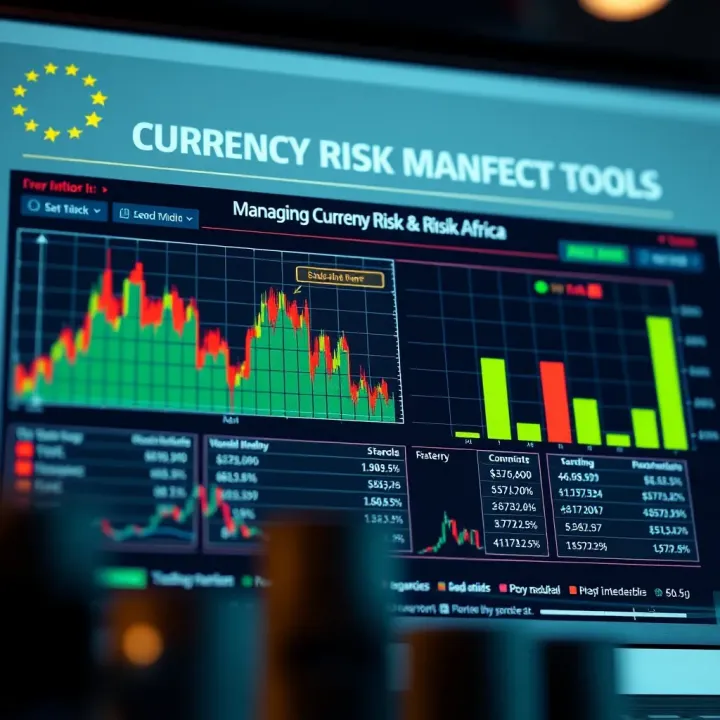
Consider a local company importing machinery from Germany. If the rand weakens against the euro after placing the order but before paying, the company will need more Rands to settle the invoice, raising costs unexpectedly. Conversely, if the rand strengthens, the company might pay less than anticipated. Managing transaction risk often involves locking in exchange rates through forward contracts or options to avoid unpleasant surprises.
Translation risk relates to how currency fluctuations affect the reported financials of companies with foreign operations. When multinational firms consolidate accounts, they must convert foreign revenues, expenses, assets, and liabilities back to the rand. Volatile exchange rates can distort balance sheets and income statements, impacting profit reporting and investor perception.
For example, a South African company with a subsidiary in the UK earning profits in pounds will see those profits' rand value shift as GBP/ZAR moves. Even if the subsidiary performs well operationally, an appreciating rand can reduce reported earnings in financial statements, which might mislead stakeholders if the underlying business remains sound.
This risk primarily concerns multinational companies operating across several currencies and complicates financial planning and investor communications.
Economic risk captures the longer-term effects of currency changes on a company’s market value and competitive position. Unlike transaction risk, which deals with specific cash flows, economic risk affects overall business prospects, costs, and pricing power over months or years.
For instance, if the rand steadily weakens, local manufacturers exporting to global markets could benefit from improved competitiveness due to more favourable exchange rates. Conversely, firms reliant on imported inputs may suffer rising costs, reducing profitability. Economic risk also ties into South Africa’s broader economic conditions — inflation, interest rates, and political or regulatory uncertainties influence currency trends and thereby company valuations.
Given South Africa’s exposure to global commodity prices and occasional load-shedding disruptions, economic risk is a key consideration for investors and businesses aiming to position themselves sensibly for ongoing currency volatility.
Understanding these distinct currency risks helps you prepare better hedging strategies that suit your specific exposures, whether short-term transactions or long-term operations.
Transaction risk affects cash flow timing and payments.
Translation risk impacts financial statement accuracy for multinationals.
Economic risk influences broader competitiveness and market value.
Mastering these concepts is a first step in managing currency risk effectively within South Africa’s dynamic economic context.
Managing currency risks is a key step for any business or investor exposed to foreign exchange fluctuations, especially in South Africa’s often unpredictable rand environment. Without proper strategies, even small shifts in exchange rates can wipe out profit margins or investment returns. The right approach helps mitigate potential losses and provides more certainty about costs and revenues. This section covers practical ways to manage currency risks, with examples relevant to South African traders and investors.
Matching currency cash flows involves aligning your foreign currency receipts and payments to offset exposure naturally. For example, a South African exporter paid in US dollars might use those incoming dollars to pay suppliers or cover expenses also denominated in dollars. This cuts the need to convert currencies frequently and reduces exposure to rand fluctuations. It’s a simple and cost-effective way to manage risk without relying solely on financial products.
This method suits businesses that have predictable cash flows in specific foreign currencies. Suppose a Cape Town textile manufacturer imports fabric from Europe and sells garments to the UK. By matching euros received from UK sales with euros paid to European suppliers, the manufacturer limits rand exposure. It’s not foolproof, but it helps smooth volatility in working capital.
Diversifying suppliers and customers across currencies and regions spreads currency risk. If your entire supply chain is euro-based, a sudden euro strengthening against the rand can hit costs hard. Having multiple suppliers, some invoicing in rand, others in US dollars or Chinese yuan, balances the impact of currency moves.
Similarly, selling to diverse markets diversifies revenue currencies. A small Johannesburg firm exporting to neighbouring countries like Botswana and Namibia may receive payments in pula or Namibian dollars alongside rand. This lowers dependence on any single currency and softens the blow when the rand depreciates sharply.
Forward contracts and futures lock in exchange rates for a future date, providing certainty over costs and revenues. A South African business expecting to pay R10 million in US dollars in three months can enter a forward contract at a predetermined rate. This blocks out the risk of the rand weakening before payment, helping with budgeting.
Futures contracts operate similarly but are typically standardised and traded on exchanges, making them more accessible for some investors. These instruments suit firms with committed foreign payments or receivables, like importers buying equipment from abroad or exporters settling contracts in foreign currency.
Currency options give the right, but not the obligation, to buy or sell currency at a set price before expiry. This flexibility comes at a premium but protects against adverse currency moves while allowing benefit from favourable shifts. For example, a South African company expecting US dollar payments might purchase a put option to sell dollars forward at a guaranteed rate, protecting against dollar falls without missing out on a rise.
Options suit businesses willing to pay for more tailored risk control, especially when the timing or amounts of currency exposure are uncertain.
Swaps and their applications involve exchanging currency streams—often interest and principal amounts—between two parties. In South Africa, swaps help multinational firms manage long-term currency exposure, such as debt repayments in foreign currency.
For instance, a Johannesburg-headquartered firm with a US dollar loan can swap its dollar obligations for rand obligations with a financial institution. This way, they avoid direct dollar repayments and the associated exchange rate risk. Swaps are more complex instruments usually employed by larger businesses with ongoing foreign currency exposures.
Practical currency risk strategies combine operational adjustments with financial hedging tools. The mix depends on exposure size, cash flow predictability, and appetite for risk and cost, all crucial factors for South African companies navigating rand volatility.
Selecting an appropriate currency risk management strategy is a practical necessity rather than just a theoretical exercise. The key lies in understanding your specific exposure and how much risk your business or investment portfolio can comfortably handle. For traders, investors, and financial advisors in South Africa, this means weighing up your local economic realities, operational needs, and financial goals before settling on a method.
Measuring currency exposure comes first and foremost. It involves quantifying how much your wealth or business operations depend on foreign currency fluctuations. For example, a Gauteng-based importer paying suppliers in euros needs to calculate how much rand value shifts when the euro rand exchange rate moves. Without this clear figure, any hedging strategy would be shooting in the dark. Methods include forecasting cash flows in foreign currencies, assessing payables and receivables, and reviewing foreign investments to identify the scale and timing of exposures.
Knowing your risk appetite is just as vital. Some companies prefer to hedge fully and avoid surprises, even if that costs more. Others might only cover a portion of exposure, accepting fluctuations in exchange rates to save on hedging expenses. South African businesses often have to consider factors like volatile rand swings, extended periods of loadshedding, or shifts in commodity prices. For instance, a mining company exporting platinum may tolerate some rand risk because of the commodity’s own price volatility, balancing two types of risks.
Every hedging approach carries financial implications. Forward contracts can lock in rates but might cost more upfront or reduce flexibility. Currency options offer protection against adverse swings while allowing participation in favourable moves, but they usually come with premium costs. South African companies should factor in these costs relative to how often they deal with foreign exchange and the overall financial impact of currency shifts. For example, a small export firm might find options too costly compared to the risk, whereas a larger multinational would likely see them as worthwhile.
Operational complexity also plays a role. Some hedging methods demand sophisticated systems, constant monitoring, and expert advice—often proving challenging for smaller businesses with limited resources. Managing multiple instruments like swaps or futures may require specialised knowledge and adherence to regulatory requirements from the South African Reserve Bank (SARB). Meanwhile, simpler approaches like natural hedging—matching foreign currency inflows and outflows—usually involve operational adjustments rather than financial products, making them accessible but sometimes less precise.
Choosing the right currency risk strategy combines measuring your actual exposure, understanding your risk comfort, balancing costs, and considering your business’s operational capacity.
By carefully evaluating these factors, South African traders, investors, and businesses can tailor a currency risk management plan that fits their unique position, ensuring their exposure is both manageable and cost-effective.
Managing currency risk in South Africa requires more than just knowing the financial instruments. Local businesses and investors need to factor in regulatory rules, tax implications, and broader economic conditions. These practical considerations can directly affect how currency risk plays out and how manageable it remains. For instance, a Gauteng-based exporter might hedge using forward contracts, but without accounting for load-shedding interruptions or SARB exchange controls, the strategy may fall short or become costly.
The South African Reserve Bank (SARB) actively regulates foreign exchange to maintain financial stability and control capital flows. SARB rules dictate how much currency individuals and businesses can trade or hold offshore without special approval. For companies, particularly those involved in imports or exports, understanding SARB limitations on foreign exposure is essential to avoid penalties or blocked transactions. For example, local traders conducting currency swaps must ensure compliance with exchange control limits, which can cap the size of hedging positions.
On the tax front, hedging instruments are subject to specific treatments under the South African Revenue Service (SARS) guidelines. Profits or losses from forward contracts, options, or swaps usually affect taxable income, but timing and recognition depend on whether the instruments qualify as hedges under SARS rules. This means companies should carefully document their hedging strategies to align with tax definitions, avoiding unexpected tax charges. Individuals dealing with currency speculation, meanwhile, should be aware that any gains count as taxable income and must be declared.
Loadshedding — Eskom’s scheduled power outages — indirectly worsens currency risk by disrupting business operations and investor confidence. When factories halt production or retailers close early, it impacts cash flow and profitability, sometimes forcing urgent currency transactions at unfavourable rates. For example, a Durban manufacturer relying on imported spare parts may face delays and need to renegotiate contracts or hedge again due to timing shifts caused by power cuts.
Planning for currency volatility in this unpredictable environment means building buffers into financial forecasts and hedging plans. Businesses should model various scenarios, including extended loadshedding periods or sudden economic shocks — such as inflation spikes or interest rate hikes by the SARB. Firms that rely heavily on imports can consider diversifying suppliers outside South Africa or negotiating contracts in rand where possible. On the individual side, investors might spread currency exposure across assets or consider products that provide natural hedges against rand depreciation.
Practical currency risk management in South Africa demands close attention to regulatory frameworks, tax rules, and local economic stresses. Ignoring these can undo even well-planned hedging strategies.
By weaving these real-world factors into currency risk policies, South African businesses and individuals will be better equipped to navigate the rand’s ups and downs with more confidence.
🔍 Learn how firms in South Africa tackle fraud and risks with top strategies, tech tools, and smart controls to protect money and reputation.

Explore top South African institutions offering risk management courses 🎓, discover key qualifications, and planning your career path wisely in this vital field 📊.
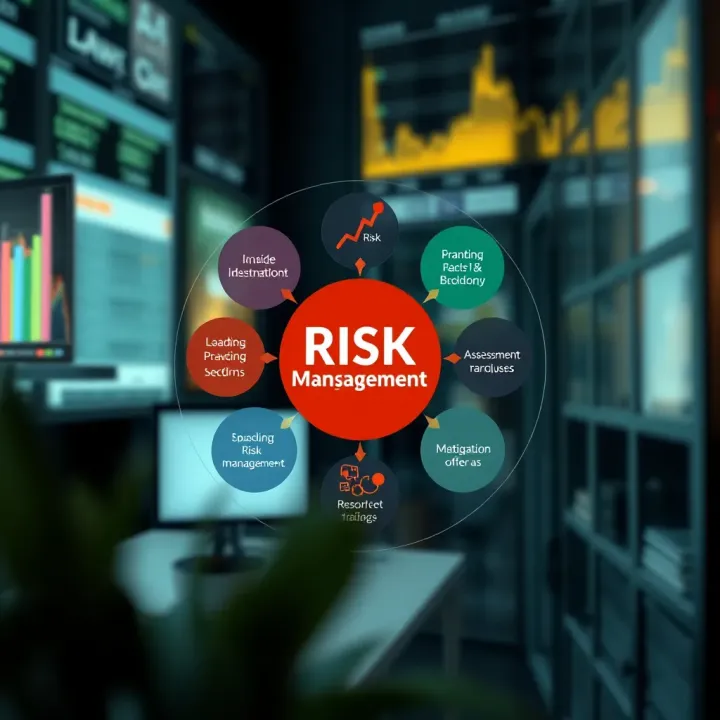
Discover key risk management functions 🔍 and their roles in spotting, assessing, and controlling risks across South African industries for stronger safety.

Find the best trading app in South Africa with our practical guide 📱. Compare fees, features, safety 🔒, and usability to pick the right fit for you.
Based on 10 reviews