
Practical Forex Trading Tips for South African Beginners
📈 New to forex in South Africa? Get practical tips on managing risks, using tools, and building the right mindset to trade with confidence and avoid common pitfalls.
Edited By
Jessica Palmer
Forex trading can seem like stepping into a buzzing marketplace where currencies are bought and sold by the second. For newcomers, especially in South Africa, this fast-moving world can feel a bit overwhelming. That’s where learning through video content comes in handy—it breaks down complex ideas into bite-sized, easy-to-digest parts.
This article will walk you through the essentials of forex trading videos meant for beginners. We'll talk about what kinds of videos are out there, how to pick the ones that actually teach you something useful, and how to put what you’ve learned into practice without getting lost in jargon or flashy promises.
Why focus on videos? Well, many folks find that seeing charts, hearing explanations, and watching real examples in action helps them understand quicker than reading dry textbooks. Plus, videos often reflect up-to-date market insights and tactics tailored for the South African market, which can be a real help when you’re just starting out.
By the end of this guide, you’ll be better equipped to choose quality educational materials and take your first confident steps in forex trading. Whether you’re a trader, investor, financial analyst, or broker in South Africa, knowing how to source and use video content wisely can save you time, frustration, and sometimes quite a bit of money. So let’s jump right in and clear the fog around forex trading videos.
Getting a grip on the forex market can be a bit of a head-scratcher for beginners, especially when the jargon piles up and charts look like a maze. That's where videos become a real game-changer. Watching forex trading basics unfold visually helps break down complex ideas into bite-sized pieces.
For example, instead of just reading that currency pairs like USD/ZAR move according to economic events, you'll actually see that movement represented in real-time charts. This sort of visual learning makes it easier to connect the dots and understand why markets shift. Plus, since forex operates 24/5, videos can demonstrate how trading behaves at different times in South African trading hours, which is super useful.
Videos also make learning flexible — you can pause, rewind, or skip around to focus on tricky bits. This puts you in control of pacing, something that’s often missing in traditional reading.
When you're new to forex, a currency pair like EUR/USD might seem like just a jumble of letters. Video lessons often start by showing what these pairs mean — how one currency’s value relates to another. For instance, a visual might display the South African Rand (ZAR) against the US Dollar, tracing how political news in the US or South Africa causes the pair to fluctuate.
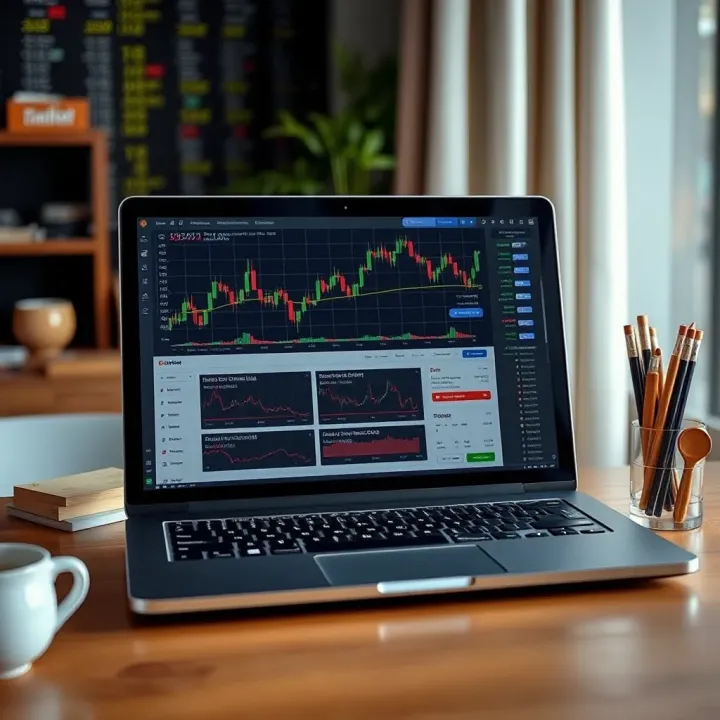
By watching candlestick charts animate or seeing price movements in real time, you get a much clearer grasp of how the market tickers actually work. It’s like watching a football match instead of just reading the score — you pick up on the momentum shifts, players’ moves, or surprises. And with indicators like Moving Averages or RSI shown side-by-side, you can see how traders make decisions rather than guessing.
Forex comes with its own language, and videos do a great job of unpacking this without drowning you in jargon. Instead of tossing around words like "pip," "spread," or "lot" without context, good tutorials explain these with everyday examples. For instance, one video might say, "A pip is like a single point on the scoreboard — it shows the smallest move prices can make."
This straightforward approach helps avoid overwhelm. When an instructor breaks down complex terms into simple chunks, it sticks better and builds a solid foundation. This clarity is critical because misunderstanding terms early on can lead to costly mistakes.
Beginner videos usually start with the basics: explaining that forex trading means buying one currency while selling another, aiming to profit from price changes. They’ll lay out how the market is global, highly liquid, and influenced by everything from interest rates to news headlines.
By focusing on the essentials, these videos prevent new traders from diving in blind. They often feature relatable examples like exchanging money at the airport versus trading currency pairs online. This highlights how forex trading differs from everyday currency exchange, helping beginners grasp the concept quickly.
Technical analysis videos teach you to read charts and identify patterns like head and shoulders or support and resistance levels. Instead of just naming these patterns, videos often show you spotting them on live charts or through simulated trades. This hands-on style helps you understand when to buy or sell based on price action.
Fundamental analysis lessons dive into how news events — say, a change in South Africa's interest rates or trade talks between major economies — impact currency values. Videos that combine charts with news updates make the connection between events and market moves clear, which is usually easier to grasp than reading walls of text.
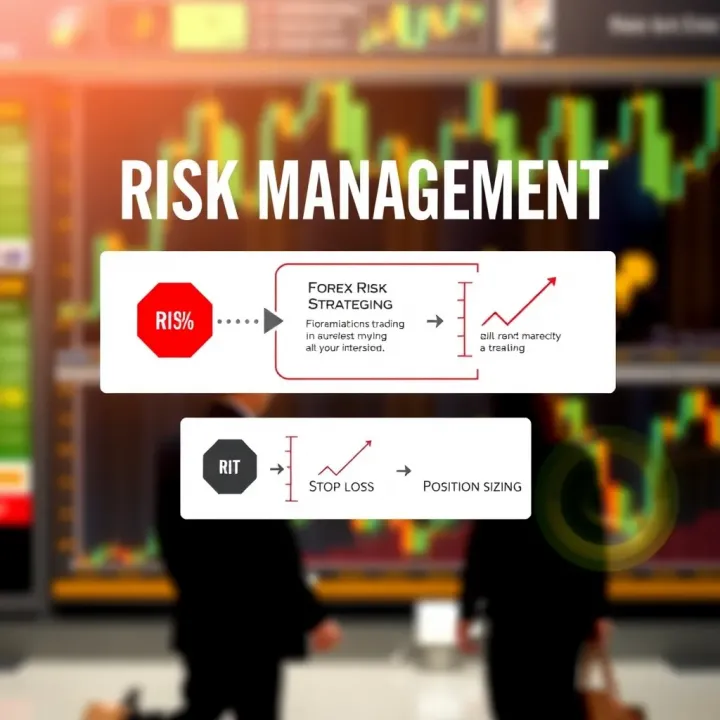
Risk management is often the neglected child in forex learning, but videos tackle this head-on with practical examples. They’ll illustrate concepts like setting stop-loss orders to limit potential losses or determining position sizes relative to your trading capital.
For example, a video might show how risking 1% of your demo account per trade helps preserve your capital over time. Visual aids, like risk/reward ratio diagrams, make abstract ideas real. This is crucial since many rookies jump in without these safety nets and end up blowing their accounts early on.
Understanding these basics through videos isn’t just about crunching numbers—it’s about seeing the market in action and learning to think like a trader. Practical, visual learning builds confidence to take the next step into live trading with your eyes wide open.
Not all forex trading videos are made equal, and for beginners, picking the right type can be a game-changer. Different videos serve different purposes—some focus on basics, others dive into strategies, while some offer expert opinions. Understanding these categories helps traders avoid confusion and get straight to the point that matters most for their current learning phase.
One of the very first hurdles for a newbie is figuring out how to set up the trading platform itself. Videos that walk you through downloading MetaTrader 4 or MetaTrader 5, linking your demo account, and customizing the display can save hours of trial and error. These tutorials usually cover essential settings like placing stop-loss orders and setting take profits, which are fundamental for risk control. A clear setup video helps ensure that technical difficulties don’t distract from learning actual trading skills.
Tutorials that guide beginner traders through their initial trades are incredibly valuable. They often show the entire process—from selecting currency pairs like USD/ZAR to entering buy or sell orders. Seeing someone else place a trade step-by-step breaks down the complexity and nerves about making mistakes. It helps cement the practical part of trading, not just theory. For example, tutorials often highlight how to interpret simple indicators before trade placement, setting up trade sizes safely to avoid blowing up an account early on.
Watching a live trade demo gives beginners a realistic sense of how decisions are made on the fly. A trader might analyze charts, check news impacts, and adjust strategies in response to new information—all while explaining their thought process. This kind of video bridges the gap between static textbook knowledge and fluctuating real-world markets. For instance, a live walkthrough might show entering a trade during major economic announcements, something many beginners hesitate to try without experience.
Some videos focus on breaking down specific forex strategies like trend-following or breakout trading. These include concrete examples rather than vague suggestions. For example, a video might demonstrate how the Moving Average Crossover strategy works, showing entry and exit points from historical data. This helps learners grasp the mechanics behind different approaches and consider what fits their trading style and objectives.
Webinars often feature Q&A sessions where beginners can hear experts clarify doubts they might share. These sessions help pinpoint common pitfalls and misunderstandings, often bringing up questions about risk management, leverage, or regulatory aspects relevant for South African traders. The interactive nature means you’re less likely to be left scratching your head over unclear points, especially when jargon is broken down into plain language.
Experts sometimes offer forward-looking views on the forex market during webinars or video interviews. These insights include expected trends on currency pairs involving the South African rand (ZAR) based on political events or economic indicators. Such content keeps learners informed about current market conditions and helps them understand how global and local news influence forex trading decisions.
Choosing the right type of forex trading video depends on where you are in your learning journey. Whether you need the nuts and bolts of platform setup or a deep dive into strategy, focusing on targeted content cuts through the noise and builds confidence effectively.
By mixing tutorials, market demos, and expert talks, new traders can get a rich and practical education. This layered approach is especially useful to South African traders trying to navigate both global markets and local nuances without getting overwhelmed.
Before diving into forex trading videos, it’s critical to sort the wheat from the chaff. Not all videos out there provide reliable or useful information. Evaluating the quality and credibility of these resources helps avoid costly mistakes and builds a solid foundation for learning. For South African beginners, the stakes can be particularly high since local market nuances and regulations come into play.
Two main factors should guide your evaluation: the credentials of the educators presenting the content and the relevance and clarity of the material itself. Both aspects help ensure that what you’re watching is not just theory, but practical, actionable knowledge tailored for today’s markets.
One red flag you want to spot immediately is an educator who talks a big game but lacks proven trading experience. Authentic forex educators often share snippets of their trading history, certifications, or affiliations with respected financial institutions. For instance, a trader who’s navigated both bullish and bearish markets for years—demonstrated by verifiable track records or past positions in brokerage firms—is far more trustworthy.
Imagine watching a video where the presenter explains scalping strategies while clearly showing their live results and explaining mistakes they made along the way. That real-world experience tells you they’re not just repeating textbook jargon but living the market’s ups and downs themselves.
Look for credentials such as courses completed on platforms like the Chartered Institute for Securities & Investment (CISI) or similar bodies, plus practical examples of trades executed, not just theory. Scammers often hide behind vague titles, so ask yourself, “Can I verify this person’s credibility? Do they show real-life examples, or are they selling fantasies?”
Another concrete way to assess an educator’s credibility is to look at reviews and testimonials. Genuine feedback from fellow traders, especially from those in South Africa, provides valuable insights into how useful a video's content actually is.
Check forums like Forex Factory or trading groups on Facebook and see whether specific video creators are mentioned positively or negatively. A lot of snake oil sellers disappear quickly once word spreads about their shaky advice.
However, be cautious because some testimonials can be paid or fake. Look for balanced reviews that mention specific aspects—good or bad—rather than those that sound overly promotional. Real testimonials often mention how a video helped them understand complex concepts or avoid common trading pitfalls, which speaks volumes about its practical value.
Remember: A good educator welcomes questions and critiques, showing openness rather than defensiveness.
Forex trading can feel like a foreign language at first. Videos that dive into complicated terms without clear explanations only confuse beginners. Quality forex educational videos break down concepts using everyday language.
For example, rather than tossing around terms like "pip," "leverage," or "spread" without context, the educator walks through each idea using simple analogies. One might compare a pip to a tiny step on a ladder you’re climbing gradually — making the concept tangible.
Clear videos also avoid spelling mistakes or ambiguous statements that muddy understanding. If you find yourself frequently rewinding just to decode what’s being said, that’s a sign the content isn’t suited for beginners.
Forex markets change fast. Videos referencing obsolete data or outdated strategies don’t just waste your time—they might push you toward losing trades.
Effective learning materials use recent charts, current economic news, and live examples reflecting today's market climate. For South African traders, this might include recent rand volatility around local political events or commodity price shifts impacting the economy.
For instance, a video posted during a recent rate decision by the South African Reserve Bank explaining the expected effects on USD/ZAR pair will be far more valuable than one using market data from several years ago.
By ensuring lessons keep pace with current conditions, you get actionable insights you can apply immediately rather than lessons stuck in the past.
Evaluating both who is teaching and what exactly they are teaching helps you build confidence and avoid costly blunders as you grow your trading skills. Quality forex videos serve as a reliable roadmap, but only when their educators and content earn their stripes through clear, credible, and current teaching.
Using forex trading videos effectively is about more than just hitting play and soaking in all the information. The real value comes when you blend what you learn from videos with practical steps that make knowledge stick and skills grow. This section discusses how to turn watching into doing, maximizing the benefits of video content for forex beginners, particularly in the South African context where market conditions and trading hours may differ.
Using demo accounts alongside video lessons is critical for beginners because it bridges theory and practice without risking real money. Think of it like learning to swim with floaties before diving into the deep end. Demo accounts provided by brokers like IG or Plus500 mimic real market conditions but use virtual money, allowing traders to execute trades and see strategies in action just as they watch experts on screen. This hands-on approach builds confidence and helps beginners understand concepts like spreads, leverage, and margin in a live environment.
When viewing videos that show step-by-step platform setups or first trade executions, simultaneously trying these steps on your demo account turns abstract lessons into muscle memory. For instance, if a video explains how to place stop-loss orders to control risk, practicing this on a demo account lets you experience how quickly you can react to market movements without the pressure of losing cash.
Applying strategies gradually is just as important as practicing. Forex trading can be overwhelming, especially when beginners try to copy multiple techniques from different videos at once. Instead, pick one strategy, like simple trend-following, and focus on applying it within your demo account until you get comfortable. This slow, measured approach helps you see what works for your style and prevents burnout.
For example, if a video introduces the Moving Average Crossover strategy, don't rush to add RSI or MACD indicators into your chart immediately. Start with just the basics, observe price reactions, and once confident, expand your toolkit. This approach reduces confusion and builds a solid trading foundation.
Organizing key points for reference is a simple but often overlooked technique. As you watch forex videos, jot down essential facts, trading rules, platform shortcuts, or risk management tips. Use a notebook or digital notes categorized by topics like "entry signals" or "risk limits."
Organized notes become a quick reference guide instead of re-watching entire videos every time you need a refresher. For example, noting down how a certain forex educator explains setting stop-losses can be handy when you’re about to place a trade later. This way, you build a personalized, accessible cheat sheet, making learning more efficient and targeted.
Re-watching complex sections is another valuable habit because forex trading involves concepts that sometimes take more than one pass to grasp fully. Videos explaining Fibonacci retracements, candlestick patterns, or economic indicator impacts might seem dense the first time.
Don't hesitate to pause, rewind, or watch tricky bits multiple times. Often, the way something clicks only after repeated exposure—sort of like catching the beat in a new song. Revisiting these parts helps anchor difficult ideas and clarifies doubts that come up once you start practicing.
Watching videos actively rather than passively, coupled with hands-on trading and smart note-taking, creates a learning cycle that turns information into results.
In summary, approaching forex trading videos with a hands-on mindset and deliberate review habits greatly improves comprehension and skill-building. For South African beginners, incorporating demo accounts alongside lessons and focusing on gradual application keeps learning steady and risk low. Meanwhile, organized notes and flexible reviewing ensure no important details slip through the cracks as new traders build their competence confidently.
Getting a grip on where to find solid forex trading videos is half the battle for a beginner. With so many platforms out there, knowing where to start can save you heaps of time and steer you clear of low-quality or outdated content. Each platform has its own vibe and strengths—some are great for quick tutorials, others provide deep-dive courses, and some offer community interaction which can be a real bonus.
Knowing your way around these popular hosting sites means you can easily find videos that fit your learning pace and style. It also helps you spot the ones regularly updated with market conditions reflecting what’s happening right now. Remember, forex markets don’t wait for anyone, so it's best to learn from resources that stay relevant.
When browsing YouTube for forex education, keep a sharp eye on a few key factors. First, look for channels where the host shows clear, practical trading experience. This often shines through in how they explain concepts and their approach to risk. Channels with lots of positive comments and high subscriber counts usually indicate a good reputation, but don’t stop there—check if the content is up to date and how well they handle viewer questions.
You'll want the videos to break down complicated terms without drowning you in jargon. Clarity is king. Are the examples current or do they reference market conditions from years ago? Trust channels that regularly upload fresh content, especially those that explain recent market movements.
Some YouTube channels stand out because they balance technical analysis with real-world application. For instance, Trading 212 offers easily digestible tutorials and strategy walkthroughs that are beginner-friendly. Meanwhile, The Chart Guys dive into technical setups and explain their reasoning without fluff. They often post live trade breakdowns which can be eye-opening.
Another notable channel is ForexSignals TV, which mixes live trading, expert interviews, and strategy breakdowns—ideal for learners who want a bit of everything. Picking these channels means you’re less likely to waste time on videos that don’t offer practical value.
Dedicated forex platforms often bundle videos into structured courses that build your skills step-by-step. This format is useful because it guides you progressively from basics to more advanced strategies without overwhelming you. Plus, these platforms sometimes offer offline access or interactive quizzes that reinforce learning.
For example, platforms like Babypips combine video lessons with forums and practice tools. This can be a huge help because you’re not just passive; you’re engaging and applying as you go. These courses also tend to update content regularly to reflect shifting markets, which is critical in forex trading.
Choosing between free and subscription-based platforms depends on your budget and how serious you are. Free content can give you a solid intro without spending a cent but might lack depth or support. For example, free videos on YouTube or Babypips cover the basics and some strategies but may not go deep into risk management or advanced tools.
Subscription platforms, such as Forex.com’s education section or Investopedia Academy, offer richer content and expert feedback but at a cost. They often provide benefits like mentoring, personalized reviews, and community access which can speed up learning.
Think of free resources as your trial ground and subscription courses as the full gym membership—each has its place, but the latter can provide more consistent returns if you’re committed.
Tip: Begin with free videos and once you grasp the basics, consider subscribing to a reputable course to hone your skills further.
Navigating these platforms smartly helps you build a learning path that fits your pace and style, which is crucial for long-term success in the fast-moving forex world.
For anyone just starting out in forex trading, getting the hang of it through videos can be both a blessing and a trap. It might seem like you’re soaking up knowledge fast, but several common mistakes can slow down your progress or even lead to losses. Highlighting these pitfalls isn't about scaring anyone off; it’s simply so you can steer clear of unnecessary setbacks and build a solid foundation.
Mistakes mainly arise when beginners rush the learning process or overlook core principles, especially risk management. Videos offer a lot of information, but without a steady approach and keen attention to the right details, you’re at risk of getting overwhelmed or misled.
Watching a dozen videos in one sitting and trying to master every detail might seem effective, but it can do more harm than good. Pacing yourself is key here. It’s like trying to gulp down a whole meal in one bite—it’s just not going to sit right.
The importance of pacing yourself: Taking your time means really digesting each concept before moving on. For instance, focus on understanding what currency pairs are and how the market moves before jumping into complex trading strategies. Too often, beginners binge-watch several advanced trading tutorials, ending up confused rather than confident. Give yourself permission to pause, test out what you’ve learned in a demo account, and then move onward.
Focusing on fundamentals first: The basics are the building blocks. Without a clear grasp of fundamental elements like terminology, charts, and order types, it’s easy to get lost in the weeds. A good tip is to pick around two or three key topics to master each week—say, candle patterns and basic indicators—rather than trying to cover technical and fundamental analysis all at once. Skipping the basics can leave you grasping at straws when live markets throw curveballs.
Skipping or undervaluing risk management advice is a classic rookie error. It’s not just a boring safety net—it's your life jacket in a sea where markets can turn in an instant.
Why risk control matters: Without proper risk controls, even a sound trading strategy can lead to big losses. Imagine putting all your eggs in one basket or risking a massive chunk of your trading capital in a single trade because you’re eager to make quick gains. That’s a fast way to wipe out your account, especially if market conditions change suddenly. A common guideline is to risk only 1-2% of your capital on any trade.
How videos illustrate risk principles: Quality forex educational videos make risk management practical by showing real-life examples of stop-loss placement, position sizing, and how emotions like fear and greed affect trading decisions. Watching a live trade setup where an expert explains why they exit a losing trade early can be a game changer. These visual demonstrations make the theory stick, instead of you just nodding along without fully understanding the real impact.
Remember, forex videos are tools, not magic bullets. Avoid rushing your learning or brushing aside risk management, and you’ll be better set up for success in the vibrant—and sometimes unpredictable—forex markets.
By steering clear of these common mistakes, you stay on a sustainable path to becoming a confident trader. It’s better to move slowly and get it right than to sprint and stumble.
Forex trading can feel a bit like trying to find your way in a new city without a map—especially if you're doing it from South Africa where local market quirks matter. This section focuses on practical advice tailored to South African beginners aiming to learn forex through videos. By zeroing in on specifics like local trading hours, regulations, and currency pairs, you’ll get the most relevant knowledge without spinning your wheels on irrelevant info.
When picking forex videos, understanding South Africa's specific trading hours and regulations is key. The forex market runs 24 hours globally, but liquidity spikes and volatility often follow major financial centers’ hours like London, New York, and Tokyo. South African traders should watch videos that explain how these international hours overlap with their local time zone (SAST). For example, the London session starts at 9 AM SAST and is often the most active, providing prime trading opportunities.
Additionally, South Africa's regulatory body, the Financial Sector Conduct Authority (FSCA), keeps a close eye on forex brokers. Videos that touch on FSCA rules help beginners avoid shady brokers and uncontrollable risks. For instance, an educator who explains how to verify broker licenses can save you considerable headache down the line.
Focus on videos that highlight trading with pairs involving the South African rand (ZAR), such as USD/ZAR or EUR/ZAR. These pairs behave differently compared to the majors like EUR/USD because local economic and political events have a bigger impact on the rand. For instance, a video explaining how mining sector news or changes in South African Reserve Bank policies affect ZAR pairs gives you insight that’s directly useful.
By concentrating on rand pairs, you’re not just learning general forex concepts but also understanding how your local economy shapes price movements. A beginner can benefit massively from examples like how a drop in commodity prices can weaken the rand, something foreign-centric videos might overlook.
South African internet can be hit-or-miss with speed and data limits, so it’s wise to pick video formats that don’t hog your bandwidth. Many forex educators offer options like lower resolution videos or audio-only versions. Videos in 480p, for example, still show charts clearly but use far less data than full HD.
This balance lets you learn without stress over data costs or buffering, especially if you’re streaming on a mobile network. Always test-run a few formats before dedicating hours to a channel. Some platforms like Udemy or Coursera might also offer offline viewing which helps manage data usage while traveling or in low-connectivity spots.
Offline access is golden if your internet cuts out or you want to study in places without signal. Look for forex video courses or tutorials that allow downloading content directly. This feature is common on dedicated trading learning platforms like ForexPeaceArmy or even specific YouTube channels that offer downloadable PDF notes alongside videos.
Having videos ready on your device means you can revisit tricky parts repeatedly without staring down a loading wheel. It also suits those who prefer studying in downtime – say, during a commute or lunch break.
Keeping videos accessible offline and choosing data-friendly formats makes learning more flexible and less frustrating, especially when connectivity issues are a real concern.
Bringing it all together, South African beginners get the most out of forex trading videos by considering local trading nuances and technical constraints. This approach ensures learning is not just theoretical but tightly connected to real trading conditions, making the path from novice to confident trader a whole lot smoother.
📈 New to forex in South Africa? Get practical tips on managing risks, using tools, and building the right mindset to trade with confidence and avoid common pitfalls.
🌍 Learn effective forex trading strategies tailored for South African beginners! Master key concepts, risk management, and planning for confident trading success.

📹 Discover how forex trading videos can boost South African traders’ skills! Learn to pick credible content, use insights wisely, and improve your strategies.
📈 Discover the best places in South Africa to learn forex trading, from top online platforms to brokers and courses. Start trading with confidence today!
Based on 9 reviews