
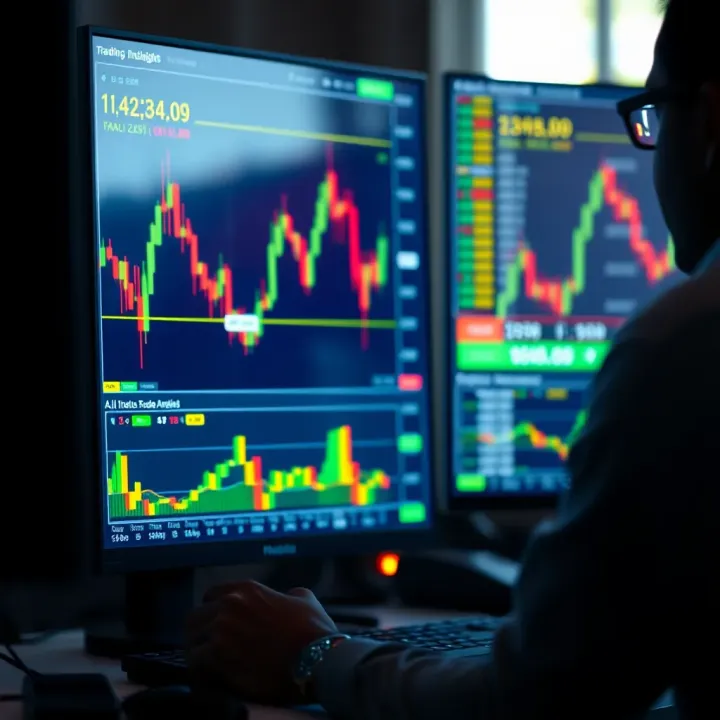
Where to Learn Forex Trading in South Africa
📈 Discover where South Africans can learn forex trading effectively! Explore courses, mentorships, and tools to sharpen your skills and trade smart.
Edited By
James Walker
Forex trading has steadily grown in popularity across South Africa, driven by the increasing access to global financial markets and the availability of online trading platforms. For beginners new to the forex scene, knowing where and how to learn this complex skill can feel like shooting in the dark.
Understanding forex trading goes far beyond just buying and selling currencies. It requires knowledge of market fundamentals, technical analysis, risk management, and most importantly, how to apply these concepts practically. Without a solid foundation, many new traders risk blowing their accounts before they even get going.
This guide zeroes in on the best places and resources to start learning forex trading specifically tailored to South African traders. From online courses and broker-provided training to active community hubs and educational platforms, we’ll break down what makes an effective learning resource and how you can spot the red flags.
In the sections ahead, you’ll get actionable advice on:
Selecting trustworthy and comprehensive online platforms
Identifying brokers who offer quality educational programs
Utilizing community groups and forums for real-time insights
Criteria for choosing a learning resource that fits your style and goals
Armed with this knowledge, South African beginners can confidently navigate their learning journey and set themselves up for realistic success in the forex market. Let's get cracking and cut through the noise together.
Grasping the basics of forex trading sets the foundation for any beginner looking to navigate this fast-moving market confidently. Without a clear understanding, it’s easy to make costly mistakes or get swayed by hype. This part of the guide breaks down the essential elements, making forex less of a mystery and more of a practical venture.
Forex trading, or foreign exchange trading, is simply buying one currency while selling another at the same time. It’s the world’s biggest and most liquid financial market, where currencies are swapped 24/5. For example, a South African trader might exchange the South African rand (ZAR) for the US dollar (USD), aiming to profit from shifts in their value.
The forex market works through a decentralized global network of banks, brokers, and traders. Trades happen electronically across time zones with no single central exchange. This means prices can change rapidly, depending on economic news, geopolitical events, or interest rate changes. Understanding this dynamic helps beginners appreciate why timing and information matter so much.
Forex pairs are classified as majors, minors, or exotics. Majors involve the most traded currencies like EUR/USD (euro and US dollar), USD/JPY (US dollar and Japanese yen), and GBP/USD (British pound and US dollar). For South Africans, the USD/ZAR pair is especially significant. These pairs often have tighter spreads and better liquidity, making them good choices for beginners to start with.
Forex is open to anyone with an internet connection and some starter capital, which is a huge advantage. Because it trades around the clock during weekdays, there’s always a chance to catch market movements. A practical example: if the rand suddenly weakens against the dollar due to local economic reports, traders can capitalize on that shift within minutes.
But don’t let the opportunities blind you to risks. Forex is volatile and can wipe out capital fast if trades aren’t managed properly. Leverage, commonly used in forex, amplifies both gains and losses. Beginners should know the importance of setting stop losses and managing trade sizes to avoid getting burned.
Those who stick with disciplined learning and practice can develop skills that translate beyond forex—like technical analysis, risk management, and emotional control. Over time, this knowledge can provide a solid income stream or diversify an investment portfolio. It’s not about quick wins but steady progress and learning from every trade.
Remember, forex trading is less about guessing the market right all the time, and more about making informed decisions consistently.
Understanding these fundamental points lays the groundwork for deeper learning and smarter trading choices. It’s the first step on a road that can lead to financial skills valuable in many areas, not just currency trading.
Online platforms have become one of the most accessible and practical ways for South Africans to get to grips with forex trading. These resources offer flexibility and a range of content suitable for beginners and intermediate traders. Whether you’ve got a packed schedule or prefer to learn at your own pace, online platforms let you dive into forex trading without needing to attend physical classes or seminars. More than that, they often update regularly, helping learners stay current with market trends and trading strategies.
Forex websites and blogs are great starting points for beginners. These sites, like BabyPips or Forex Factory, break down complex ideas into straightforward explanations, which are perfect for those just getting into the market. Blogs usually cover topics from basic trading terms to tips on managing risk, making them a valuable compass in the often confusing forex world. Plus, since they're free, you can explore multiple sites to see different viewpoints and styles of trading advice.
YouTube channels offer a more visual and interactive approach. Channels such as Trading 212 or The Chart Guys provide tutorial videos that guide users step-by-step through trading setups and analysis. These videos often come with charts and real trade examples, making it easier to follow along and understand practical applications. Additionally, since many creators engage with their viewers, beginners can ask questions and clarify doubts, something that is missing from static written content.
Forex trading forums and communities serve as digital meeting spots for traders of all levels. Platforms like Reddit’s r/Forex or Forex Peace Army bring together traders who share tips, strategies, and personal experiences. These forums allow beginners to observe how seasoned traders think and make decisions. Participating actively can build confidence and provide peer support, which is crucial when starting out in such a fast-moving market.
Comprehensive forex courses are structured learning paths that dive deep into trading concepts, technical analysis, and trading psychology. Providers like Investopedia Academy or FX Academy offer modules that systematically teach you how to trade profitably. The main advantage here is the depth of content and usually a more polished curriculum compared to free resources. These courses also often provide certificates, adding credibility to your skills.
Webinars and workshops bring the classroom experience online with live sessions led by trading professionals. They give learners the chance to ask questions in real-time and get direct feedback. Examples include webinars offered by IG or AvaTrade, which focus on current market conditions and specific trading techniques. Since they're live, they keep you on your toes and simulate some of the pressure of actual trading environments.
Choosing reputable course providers is critical to avoid wasting time and money on poor-quality or misleading content. Always look for providers with positive reviews and verifiable success stories. Check if they offer money-back guarantees or trial periods – reliable courses usually have some form of satisfaction assurance. Avoid courses promising guaranteed profits, as forex trading always involves risk and no one can promise a sure win.
Taking advantage of online platforms for forex trading education means you can tailor your learning experience. You’re not locked down by geography or fixed schedules and can tap into a wealth of knowledge without breaking the bank.
In summary, South African beginners should explore free resources first to grasp the basics before moving on to paid courses for more detailed training. Combining different formats like websites, videos, and live sessions will strengthen understanding and build confidence for stepping into the trading market.
Choosing a forex broker that offers educational resources can make all the difference for beginners. These brokers not only provide a platform to trade but also tools to learn and improve skills. This support bridges the gap between theory and practice, making the sometimes puzzling world of forex trading more accessible.
Broker reviews are a handy starting point when picking a broker. For instance, brokers like Tickmill and IG have solid reputations amongst South African traders due to transparent fee structures and user-friendly platforms. Reviews often highlight real trading experiences and potential pitfalls, helping you avoid costly mistakes early on.
When considering trading platforms offered, options like MetaTrader 4 and MetaTrader 5 remain favourites because of their extensive charting tools and customization. Plus500 and IG offer in-house platforms tailored to different skill levels, which can be a neat fit if you prefer a more straightforward or even mobile-friendly experience.
Local presence and oversight matter for local regulation and safety. The Financial Sector Conduct Authority (FSCA) regulates brokers in South Africa, ensuring your funds get some protection and fair treatment. Always check if the broker is FSCA-registered, as this is a sign they comply with local laws—crucial for peace of mind.
Starting off with demo accounts for practice is a no-brainer. These accounts mimic real trading without risking actual money. Brokers like eToro provide demo accounts loaded with virtual cash, letting you test strategies and grasp how trades unfold. It’s a safe playground where you can make mistakes without the nasty bite.
Many brokers offer e-books and tutorials—these typically cover everything from basic forex concepts to more advanced topics like technical analysis and risk management. For example, AvaTrade has a broad library of downloadable guides that new traders can take at their own pace, which helps build a stronger foundation.
Lastly, live webinars and coaching are quite beneficial. They allow real-time interaction with experienced traders who can answer your burning questions. For instance, ForexTime (FXTM) regularly hosts webinars where beginners and advanced traders alike can learn market insights, often tailored to the South African context or current market trends.
Picking a broker with robust educational support isn’t just about features, it’s about having a partner in your trading journey who helps you grow beyond the basics.
By choosing brokers that blend solid trading platforms with well-rounded educational tools, South African beginners can start trading smarter and more confidently.
When it comes to grasping forex trading, nothing quite matches the value of face-to-face learning. South Africa, with its growing financial markets and active trading community, offers various in-person learning options that bring real-world experience to the table. These local opportunities tap into the local market nuances and give learners a chance to interact directly with experienced traders and educators. Getting hands-on experience in a live setting can quickly highlight pitfalls and tactics that online materials might skim over.
Financial institutions in South Africa often host workshops and seminars aimed at educating beginners and intermediate traders alike. For instance, institutions like Standard Bank or Absa have been known to organize forex trading sessions tailored to current market trends. These events typically provide a straightforward breakdown of the forex environment, regulatory requirements, and risk management—information that is absolutely crucial before putting real money on the line.
Independent trading educators also play a significant role in South Africa’s forex training scene. Individuals such as Janus Forex or local trading mentors offer workshops focusing on technical analysis, trading psychology, and strategy development. These sessions tend to be more personalized and can adapt quickly to the evolving forex environment, which might be particularly appealing if you’re looking for a mentor who understands your trading goals more intimately.
Networking during these events is an often overlooked but invaluable benefit. Connecting with fellow traders and mentors opens doors for ongoing support, market insights, and possible mentorship. Whether it’s a casual conversation over coffee or a structured mentorship program, these interactions help build confidence and prevent the common rookie mistakes.
Meetup groups are a popular avenue for South African traders to come together, share insights, and discuss strategies. Cities like Johannesburg and Cape Town have active forex meetup scenes where participants convene monthly or bimonthly to exchange ideas, discuss recent market behavior, and offer peer critiques. These meetups help break down the isolation that many independent traders face and encourage accountability.
Online discussion forums and social media groups tied to South African forex trading communities also bridge the gap between in-person meetings. Platforms like Facebook, Telegram, and local trading forums such as SA Trader Club are buzzing with daily conversations on currency pairs, trading signals, and news affecting the South African rand (ZAR). Participation here keeps you in the loop with localized issues like exchange control regulations or political events that could sway the rand.
Trading clubs offer a more formalized setup where members often pool resources to track market trends, share trading signals, and mentor newcomers regularly. These clubs can operate out of local community centers or even informal spaces like cafés and offer a blend of structured and peer-to-peer learning. Members benefit from consistent practice, instant feedback, and accountability, which are critical for developing solid trading habits.
Spending time in local trading communities and face-to-face events doesn’t just give you knowledge; it builds your trading network and hones your instincts for the South African forex market.
In summary, South Africa's vibrant in-person learning environment—from workshops to trading clubs—provides fertile ground for new traders. These settings encourage hands-on experience and relationship-building that online courses often lack, making them a worthy investment for anyone serious about forex trading.
Picking the right learning path is a big deal when stepping into forex trading. Everyone learns differently and what works for one trader might leave another scratching their head. The goal here is to match your personal style with resources that make sense, so you don’t waste time or money spinning your wheels.
Let’s say you’re someone who likes to chew through information at your own speed, dipping in and out when time allows. In that case, self-paced online learning could be a great fit. On the other hand, if you thrive in a lively setting where you can bounce ideas off others, interactive courses or group sessions may keep you more engaged.
Hands-on practice is another key part of the puzzle. Without it, understanding charts or strategies can feel so much like learning a language without ever speaking it. Demo accounts let you practice live trading without risking cash, which is crucial for building confidence.
Self-paced online learning makes a lot of sense for busy folks or those who prefer working through concepts at their own rhythm. Platforms like Investopedia or Babypips offer free courses that let you stop and rewind whenever needed. Plus, this style means you can tailor the time spent based on how complex a topic feels. It’s pretty flexible and fits well if your schedule flips between free and packed.
Interactive courses and group sessions add a social layer to learning that some find invaluable. Think of courses offered through online academies such as Forex Academy or local workshops by institutions like the Johannesburg Stock Exchange. Group chats and live Q&A sessions enhance understanding and let you catch tips from more seasoned traders. Plus, you get peer motivation — sometimes that’s what pushes you to stick with it.
Hands-on practice with demo accounts is where the rubber meets the road. Most brokers like IG, Plus500, and FXTM offer free demo accounts mimicking real-market conditions. Using these lets you test strategies in a risk-free environment, which is essential to get the hang of timing, order types, and leverage effects. Without this step, trading live can feel like jumping into cold water without a life raft.
Credibility and reviews can't be overlooked when selecting where to learn. Always check who’s behind the resource — are they licensed traders, recognized educators, or just enthusiastic hobbyists? Online reviews or testimonials can point out if a course is worth your time or just another sales pitch. For instance, courses with solid reviews on Trustpilot or Google tend to be more reliable.
Depth of content matters too. You want a resource that covers enough ground to give you practical skills—not just fundamentals but also how to analyze markets, manage risks, and develop trading plans. Some platforms skim the surface, while others like DailyFX provide in-depth modules suitable for both beginners and more advanced traders.
Support and updates play a quieter but important role. Forex markets and trading technologies evolve fast. Learning materials that get regular updates help you stay on top of new tools or shifts in market behavior. Also, having access to support—whether through a forum, tutor, or customer service—help when you hit confusion or tricky concepts.
Taking time to understand your learning style and carefully picking resources can save you frustration and fast-track your progress in forex trading. It’s about working smarter, not harder.
In short, considering how you best absorb information and then matching that with credible, comprehensive, and current resources sets the stage for a smoother learning curve. Whether tapping into free courses from Babypips, joining a lively forex meetup in Cape Town, or practicing trades with IG’s demo account, the key is finding the right fit for you.
Learning forex trading is no walk in the park. It's important to approach it with the right mindset and strategies to avoid frustration and wasted time. This section covers practical tips that can help you learn more smoothly and effectively, setting you up for better trading decisions down the road.
Forex trading involves a steep learning curve. It’s not uncommon to feel overwhelmed by charts, indicators, and terminologies at first. For example, it might take weeks or even months just to get comfortable with reading candlestick patterns or understanding leverage. Acknowledging this helps you avoid getting discouraged early on. The key is to break down your study into manageable chunks—focus on one concept at a time rather than trying to master everything overnight.
Remember, even seasoned traders continue to learn daily. So pacing yourself and accepting that mistakes will happen is part of the process. For instance, if you lose a trade because you misunderstood a signal, take it as a learning opportunity rather than a failure.
One of the biggest traps beginners fall into is believing that forex trading will make them rich fast. Media hype or flashy ads can create unrealistic hopes, but the reality is quite different. Forex is a skill that requires patience, discipline, and effort—not a quick scheme to double your bucks in a week.
Avoid courses or brokers that promise guaranteed profits or quick riches. Instead, look for those emphasizing risk management and steady growth. A helpful mindset is to treat learning forex like a marathon, not a sprint. Focus on building skills that can give consistent returns over time rather than chasing big wins that could cripple your account.
Demo accounts are like your training wheels when you start in forex. They let you trade real market conditions without risking your own money. This safety net allows you to test strategies and understand how trades behave under different market scenarios. For example, you can try out a simple moving average crossover strategy and observe how it works before risking real cash.
Take full advantage of demo accounts by simulating your planned trades and reviewing outcomes. Many brokers serving South Africa, such as IG Markets or Plus500, offer free demo accounts that mimic live trading.
Keeping a trading journal often gets overlooked but it’s a powerful tool. Writing down every trade you make—entry and exit points, your reasons for the trade, and the outcome—helps you spot patterns in your decisions. Over time, you may notice mistakes or habits impacting your success.
For example, if your journal shows you often exit trades too early due to fear, you can work on strategies to manage that psychological barrier. Besides, journaling forces you to reflect on your trades rather than act on impulse.
Consistency is everything in learning forex. Set aside regular time slots each day or week for studying the market, reviewing news, or analyzing your past trades. Even 30 minutes daily can add up significantly over a few months.
Create a study plan that balances theory (like reading materials or watching webinars) with practical work on your demo account. Try to avoid last-minute cramming or haphazard study sessions. For instance, following a forex trading schedule—maybe mornings for news analysis and evenings for practice—can help foster discipline.
"Forex trading treats those who respect its learning curve. The market itself never changes, but your approach to learning it will make all the difference."
In short, setting reasonable goals, avoiding unrealistic hype, and being consistent with practice will make your forex learning journey less bumpy and more rewarding. These tips are essential tools to keep your progress steady and your mindset grounded as you dive into forex trading.
📈 Discover where South Africans can learn forex trading effectively! Explore courses, mentorships, and tools to sharpen your skills and trade smart.

🌍 Explore forex trading basics, strategies, and risks with practical tips, tailored for South African traders ready to dive into the exchange market confidently! 💰

📈 Explore forex trading in Johannesburg! Learn local market insights, regulations, top strategies, and how to pick trustworthy brokers in South Africa.
Explore forex trading forums in South Africa 🇿🇦 to connect, learn, and share insights. Discover community tips, risks, and best practices for success 📈
Based on 14 reviews