
Forex Trading Training Guide for South African Traders
🚀 Learn forex trading essentials, risks, and skills tailored for South African traders. Find practical training tips & choose the best resources confidently.
Edited By
Charlotte Mason
Forex trading in South Africa has grown significantly in recent years, with more individuals looking to take advantage of the dynamic currency markets. But diving headfirst without the right knowledge can quickly lead to losses. That’s why proper training is not just recommended—it's essential.
This guide walks you through everything you need to know about forex trading training available in South Africa. We’ll cover why training matters, types of courses you can find, key training providers, and tips to get started on the right foot. If you’re serious about honing your trading skills, this overview will help you make smart choices and avoid common pitfalls.
Getting educated in forex trading is more than just reading a book or watching a few videos; it’s about grasping the practical nuances that can make or break your trades. In South Africa’s unique market context, understanding the local landscape alongside global forex trends is crucial.
Ready to peel back the layers and build a solid foundation for your trading journey? Let’s get started.
Grasping the nuts and bolts of forex trading is key before diving in, especially in a diverse market like South Africa. This section lays the groundwork for anyone curious about how forex operates and why it's grabbed so much attention locally. Understanding these basics helps you see what's on the table and if it suits your trading goals.
Forex trading is essentially the exchange of one currency for another, usually in pairs, like the South African rand (ZAR) against the US dollar (USD). It's the largest financial market worldwide, buzzing 24 hours a day, five days a week. The big idea? Traders try to profit from fluctuations in exchange rates. Imagine buying euros with rands today because you expect the euro to rise against the rand tomorrow—that's the core tactic.
The forex market isn't tied to a single exchange like stocks. It's a decentralized global network where banks, brokers, governments, and retail traders buy and sell currencies directly. Prices are influenced by economic reports, interest rate changes, geopolitical events, and market sentiment. For us in South Africa, the forex market operates mostly electronically through platforms like MetaTrader 4 or 5, making it easy to access anywhere with the internet.
Currency pairs come in three flavors: majors, minors, and exotics. Majors like EUR/USD, USD/JPY, or GBP/USD dominate because of their liquidity. Minors exclude the USD but include popular pairs like EUR/GBP. Exotics pair major currencies with those from emerging markets — for South Africans, pairs like ZAR/USD or ZAR/EUR are relevant exotics. Exotic pairs tend to be more volatile and less liquid, so they require extra caution.
Forex trading offers appealing profit prospects because of leverage—traders can control large positions with relatively small capital. While that means gains can be significant, so too can losses. For motivated traders, this potential gain combined with the right strategies and training is a big draw.
One reason South Africans flock to forex is how accessible it is. Unlike the stock market, which might deal in higher sums or complex paperwork, opening a forex account can be straightforward. Many brokers accept small deposits, and the market's 24/5 hours let people trade after work or during weekends. Online platforms bring the market right to your laptop or phone.
South Africa’s economy is classified as an emerging market with its own ups and downs, which makes the rand an interesting currency to trade. Political events, commodity prices, and interest rate changes heavily impact the rand’s value. When gold prices spike or political uncertainty rises, the rand often follows suit. This dynamic environment creates trading chances unique to South African participants.
Understanding these foundations not only equips traders with necessary market awareness but also prepares them to spot opportunities or risks in South Africa’s forex scene.
By mastering what forex trading entails and why it draws so much interest locally, traders can set a solid base for deeper learning and smarter decisions in their trading journey.
Getting the hang of forex trading without proper training is like trying to bake a cake without a recipe—you might get lucky once, but most times, you’re just throwing ingredients together and hoping for the best. Proper training lays the groundwork for understanding market dynamics, reducing risks, and increasing the chances of consistent profits. In South Africa’s fast-growing forex scene, this can mean the difference between a solid trading journey and a costly learning curve.
Many new traders jump in headfirst without a clear grasp of market mechanics. One common blunder is overtrading—placing too many trades without structure or strategy. It’s like betting on every horse in the race, ending up broke no matter who wins. Another typical mistake is chasing losses, where traders try to quickly recover by increasing trade sizes, often leading to even bigger losses.
Without proper knowledge, beginners also struggle with interpreting market signals, leading to rash decisions. For example, confusing a short-term price spike as a trend shift can result in premature trades. These errors often drain a trader’s capital and dampen confidence early on.
Trading forex without solid training exposes traders to significant financial risks. Leverage, which magnifies gains, also amplifies losses. An untrained trader might unknowingly commit to high leverage ratios, risking their entire account on a single position. For instance, a 100:1 leverage means a mere 1% market move against you wipes out your investment.
Beyond leverage, there's the danger of ignoring transaction costs like spreads and commissions. Small costs can chip away at profits if not factored into trading strategies. Moreover, a lack of understanding about stop-loss orders can leave traders vulnerable to unlimited losses in volatile markets.
Stepping into forex without proper education is essentially stepping into a financial battlefield without armor.
Structured training helps traders develop well-thought-out strategies rather than relying on guesswork. Training courses often guide learners through backtesting methods, which involve applying strategies on historical data to evaluate performance before risking real money.
For example, a South African trader might learn to combine moving averages with support and resistance levels to pinpoint entry points. This removes much of the emotional guesswork and makes for a disciplined approach.
One of the most valuable skills imparted by forex training programs is risk management. Effective training teaches setting stop-loss limits, position sizing, and portfolio diversification. This protects traders from catastrophic losses and ensures longevity in trading.
Take risk-to-reward ratios as a practical example—knowing how to aim for trades where the potential profit outweighs risk by a factor of two or three. Such principles prevent reckless trades and promote steady account growth.
By learning to manage risk, traders are better prepared to handle market unpredictability without letting emotions like fear or greed hijack their decisions.
Investing time in quality forex trading training isn’t just about learning the technical stuff; it’s also about shaping the mindset needed to succeed in South Africa’s vibrant but challenging forex markets. Proper education builds the foundation for informed decisions, controls risks, and ultimately helps a trader navigate the market with confidence and clarity.
When it comes to learning forex trading, one size definitely doesn’t fit all. South African traders have several training choices, each catering to different learning styles and schedules. Exploring different types of forex training helps traders pick what suits their needs, whether it's juggling a 9-to-5 job or diving in full-time. Understanding these options sets a solid foundation before putting money on the line.
Online courses and webinars bring the forex classroom right to your laptop or smartphone. This means traders from Cape Town to Johannesburg can access quality training without committing to a fixed schedule or location. For those balancing work or other responsibilities, this flexibility is a game changer. Training modules are often broken down into bite-sized lessons, allowing you to pause, rewind, and review tricky concepts at your own pace.
A practical example: a busy trader might tackle a lesson on technical indicators during a lunch break, then practice with a demo account later on. This freedom lowers barriers to entry, letting almost anyone dip their toes into forex learning without the pressure.
In South Africa, platforms like Udemy, FX Academy, and Investopedia offer a wide range of forex courses tailored for beginners and intermediate traders alike. Webinars hosted by brokers such as IG or Plus500 extend the learning by including live sessions where participants can ask real-time questions.
These platforms often mix video lessons, quizzes, and downloadable resources to keep you engaged. Plus, some offer community forums where students can share insights or troubleshoot problems. When choosing an online course, look at user reviews, course depth, and whether they include local market insights relevant to South African rand trading.
Nothing beats the buzz of a physical classroom where you can sit down with experts and fellow traders. Workshops and seminars often include live demonstrations, group exercises, and immediate feedback. For example, a seminar might involve a live trading simulation where attendees spot trends and place mock trades together. This practical exposure is invaluable for grasping difficult concepts quickly.
Being in the same room also helps absorb nuances like how traders react under pressure or manage emotions—things textbooks rarely cover. For many South Africans, these sessions provide a more immersive experience that boosts confidence.
Workshops are fertile ground for building connections, which are essential in trading communities. Meeting seasoned traders, mentors, or even potential business partners can open doors to valuable advice or exclusive market tips. Imagine chatting over coffee with someone who's been trading ZAR pairs for years—they can offer guidance you won't find in a lecture.
Moreover, networking at these events often leads to sharing resources like private trading groups or mentorship referrals, helping novices stay motivated and informed beyond the workshop itself.
Some traders prefer a tailored approach where training fits their unique strengths and weaknesses. One-on-one mentorship offers just that by pairing learners with experienced professionals who provide direct feedback and hands-on support. For instance, a coach might notice you’re prone to jumping into risky trades without proper analysis and help you develop a step-by-step decision-making process.
This kind of guidance accelerates learning by focusing on your particular challenges instead of a generic curriculum. Plus, mentors often share insider tips and practical tricks learned through years of trading that textbooks simply don’t cover.
Unlike group classes, mentorship allows you to set the rhythm. Whether you want to speed through certain topics or spend extra time on tricky areas like risk management, the pace is yours to command. This flexibility ensures comprehension without burnout.
For example, a South African trader juggling family commitments might extend lessons over several months, while another keen to start full-time trading might fast-track their course. The personalized pace ensures learners truly master concepts before moving forward, preventing costly mistakes down the road.
Choosing the right training format hinges on your lifestyle, budget, and learning preferences. Online courses suit the self-starters with tight schedules; workshops benefit those who learn by doing and connecting; mentorship works best for deep dives and personalized feedback. Whatever path you take, proper training lays the groundwork for long-term success in forex trading.
When starting with forex trading in South Africa, knowing which organizations offer reliable training is a big deal. There’s a lot out there, but not all are legit or useful. Finding well-established local providers helps you get practical skills and avoid common pitfalls. These organizations usually offer structured programs that cover key trading concepts, risk management, and real-world market conditions, helping traders build confidence and competence.
Certification from regulatory bodies gives a course credibility. It means the content meets certain standards and you’re not just throwing money at a sketchy scheme. In South Africa, the Financial Sector Conduct Authority (FSCA) is the key regulator for financial education providers. When a training provider is FSCA-registered or has accreditation from recognized bodies, it’s a green flag. This certification assures you that both the material and the trainers hold up to industry norms.
Having certified training matters because forex trading isn’t a game—you’re dealing with real money and risks. A credible program prepares you to trade smarter by teaching proper techniques, from analyzing charts to managing risk, reducing the chance of costly errors.
Take Udemy's South African forex training courses, which are popular for their practical approach and user reviews. Another solid example is the Institute of Trading and Portfolio Management (ITPM) based in Cape Town—they offer courses specifically tailored to the South African market.
Also worth mentioning is Forex School Online South Africa, which delivers affordable programs emphasizing disciplined trading and risk control. These institutions typically combine theory with hands-on practice, making their courses suitable for beginners and intermediates alike.
Besides offering trading platforms, brokers often play the role of de facto educators for their clients. Good brokers don’t just want you to open an account; they want you to stick around and trade well. That’s why many brokers include educational material such as video tutorials, webinars, and market analyses.
A respectful brokerage will provide resources that help you understand market movements, use their tools effectively, and develop a trading mindset. This is especially beneficial for beginners who need to learn how to navigate live markets without getting overwhelmed.
Some brokers go a step further by running dedicated forex trading academies. For example, IG South Africa offers an education section with beginner guides, live events, and trading psychology advice. Another example is HotForex, which provides structured online courses ranging from basic concepts to advanced strategies.
These broker-specific programs often integrate platform demonstrations, so you learn how to execute trades and manage risks within their system. This hands-on training is valuable because it ties learning directly to where you’ll actually be trading.
Choosing a broker with quality educational content can save you from chasing scattered information online and provides a trusted environment to practice and grow as a trader.
Understanding and tapping into these South African organizations can steer you toward the right training that matches your needs, helping you avoid training traps and build a solid foundation for your forex trading journey.
Understanding the core topics in forex training is key to becoming a confident trader. These subjects form the foundation on which all profitable trading activities rest. Without a firm grasp of fundamental and technical analysis, trading strategies, and risk management, even the best intentions can lead to costly mistakes. For South African traders who want to navigate the forex market effectively, focusing on these areas within training courses ensures a well-rounded education.
Market indicators act like a compass in the forex market, giving traders clues about potential price directions. Learning to interpret indicators such as moving averages, the Relative Strength Index (RSI), or Bollinger Bands helps traders decide when to buy or sell. For example, a trader might use RSI to spot when a currency pair like ZAR/USD is oversold or overbought, which can signal an upcoming reversal. Mastering this skill allows traders to make informed decisions instead of guesswork.
Charts visualize market data over time, making it easier to spot patterns and trends. Recognizing trends—whether up, down, or sideways—lets traders ride the market waves rather than fight against them. Techniques like trendlines or candlestick patterns help uncover these movements. Picture spotting a head and shoulders pattern pointing to a potential drop in EUR/ZAR; understanding such signals can protect your capital by prompting timely exits or entries. Training courses typically provide hands-on practice with charting software, which is invaluable.
Choosing the right trading style depends on your personality and schedule. Day trading involves opening and closing trades within the same day, aiming to capitalize on small price movements. It demands quick reflexes and constant attention. Swing trading, on the other hand, holds positions for days or weeks, focusing on capturing larger market shifts with less stress. South African traders with full-time jobs might find swing trading more practical, while those able to monitor markets actively may prefer day trading. Knowing the pros and cons of each helps in selecting the best fit.
A solid trading plan serves as a personal roadmap. It lays out goals, entry and exit criteria, risk limits, and methods for analysis. Without it, traders can fall prey to impulsive decisions driven by emotions. For instance, a trader might plan to risk no more than 1% of their capital per trade and only trade during overlapping market hours like the London-New York session for greater liquidity. Developing and sticking to such a plan separates serious traders from gamblers.
Stop-loss orders are essential tools for managing potential losses. They automatically close a trade when the price moves against you beyond a set point. This prevents unexpected market swings from wiping out significant capital. For example, if you enter a long position on USD/ZAR at 15.50 and set a stop-loss at 15.40, your trade will close automatically if the price dips to 15.40, limiting your loss. Training courses emphasize how to place stop-losses strategically, not too tight to avoid premature exits but not too loose to cause big losses.
Effective capital management means protecting your funds and ensuring you can stay in the game longer. Allocating only a fixed percentage of total capital per trade, diversifying positions, and avoiding over-leveraging are all critical. Many forex education programs teach principles like the 2% rule—never risking more than 2% of your account on a single trade. This discipline helps traders survive losing streaks and capitalise on winning setups without blowing their accounts.
Mastering these core areas through proper training builds a sturdy foundation for sustainable success in forex trading. They transform raw enthusiasm into skillful execution, which is exactly what South African traders need in today's fast-moving markets.
Selecting the right forex training program can make a huge difference in how quickly and effectively you pick up the skills needed for trading success. It’s not just about finding any course, but the one that fits your personal goals, experience level, and learning style—and delivers solid value.
Beginner needs versus advanced skills
If you're new to forex trading, jumping straight into an advanced course is like trying to run before you can walk. Beginners need programs covering the basics—think understanding currency pairs, forex brokers, demo accounts, and simple trading platforms. For example, a starter course that includes hands-on practice with platforms like MetaTrader 4 or 5 can be a real game-changer. In contrast, experienced traders might look for deep dives into algorithmic trading or advanced chart analysis techniques.
Setting realistic expectations
Forex trading isn’t a magic money-making tool, and neither is training. Some expect to make a killing after a weekend seminar, which is rarely the case. The right program will help you set achievable milestones and highlight that consistent learning and practice are keys. For instance, if your goal is to supplement income, a practical course designed around steady, risk-controlled trading fits better than one promising quick riches.
Course curriculum quality
Look for courses that cover both fundamental and technical analysis, risk management, and real-world trading scenarios. A well-rounded curriculum might break down how to read candlestick charts, identify support and resistance levels, and use indicators like RSI or MACD with clear examples. Beware of programs that skim over these essentials or overload you with jargon without context.
Trainer expertise and support
Learning from someone who’s genuinely been in the trenches makes a big difference. Good trainers don’t just lecture—they offer ongoing support, answer questions, and provide feedback on your trades. For instance, some South African programs pair you with mentors who review your demo trading logs and suggest tweaks. This kind of connection often shortens the learning curve.
Free versus paid courses
Free courses can be a great starting point—sites like Babypips offer quality basics at no cost. However, these often lack personalised attention or depth. Paid courses usually provide structured content, detailed modules, and sometimes access to experienced mentors. Someone serious about trading might consider investing in courses from providers like Forex Traders Academy South Africa.
Long-term benefits versus immediate expense
Think beyond the upfront cost. A pricey course might seem steep, but if it equips you with a sturdy trading plan and strong risk management skills that help avoid costly mistakes, it’s often worth every cent. Conversely, cheap or free options that leave you confused or overexposed to risk can end up costing you more in losses.
Choosing the right forex training isn’t just a box to tick—it’s a foundation that impacts your confidence, strategy, and ultimately your results. Take time to review your needs, weigh content quality, and consider the learning support before making a choice.
By carefully weighing these factors, you position yourself to get the most from your forex education and build a path suited to your trading ambitions.
Getting the most out of your forex training isn't just about sitting through lessons or watching videos. It’s about putting theory into practice and staying sharp in a market that’s always on the move. Whether you’re a beginner dipping your toes in or someone looking to sharpen your skills, maximizing your training can make the difference between barely scraping by and really thriving.
Using demo accounts is like getting behind the wheel of a car simulator before hitting the road for real. It lets you trade forex without risking actual money, providing a safe space to test strategies and understand how trades unfold. For example, if you’re curious about how stop-loss orders work, a demo account lets you place those without worrying about financial loss. This hands-on experience solidifies your understanding and builds confidence.
Good demo accounts mimic real market scenarios, including price fluctuations, spreads, and even slippage. It’s like playing a football match with realistic opposition rather than just running drills. This means you get to see how your decisions play out under true-to-life conditions, sharpening your decision-making skills. South African traders can utilize platforms like MetaTrader 4 or 5, which offer robust demo environments closely mirroring live forex markets.
Forex markets don’t sleep, and neither should your awareness if you want to stay competitive. Following market news helps you grasp events that impact currency values — say, a sudden change in South Africa’s interest rates or unexpected political news. By keeping up, you’re not flying blind but equipped to adjust your strategies in real time.
Trustworthy information is gold in forex trading. Rely on well-known platforms like Bloomberg, Reuters, or South African financial news outlets such as Moneyweb and Business Day for updates. Avoid falling for hearsay or unverified tips from social media—those can lead you astray and hurt your trading capital.
Trading can sometimes feel like a lonely road, but it doesn’t have to be. Being part of online forex communities or local trading groups gives you access to shared experiences, trouble-shooting tips, and moral support from peers who get what you’re going through. For instance, a tricky trade setup that baffles you can be quickly unpacked when you ask the community. Sites like Forex Factory or local Facebook groups tailored to South African traders are good places to start.
Veteran traders have valuable lessons distilled from years of trial and error. By engaging with them through forums or mentorship groups, you pick up nuances that aren’t found in textbooks. These insights might include spotting market manipulation early or knowing when to take profits. It’s like having a coach who nudges you towards better habits and warns you about common pitfalls.
Remember, the forex market is dynamic. The more you immerse yourself through active practice, updated knowledge, and community engagement, the sharper your trading skills will become.
By putting these tips into practice, South African traders can turn training into solid, actionable skills that boost their chances of success. The right mix of hands-on practice, staying informed, and learning from others is key to navigating the forex market effectively.
Forex trading comes with its fair share of hurdles, especially for those just dipping their toes into the market. These challenges can trip up even the most enthusiastic traders if they're not prepared. Training plays a big part in tackling these issues head-on, helping traders stay on course and make smarter decisions. From emotional pitfalls to dodging scams, knowing what to expect—and how to manage it—makes a huge difference.
Recognizing emotional biases is a big step in getting a handle on your trading. Many traders fall into traps like fear and greed, which tend to cloud judgment. For example, a trader might hold on to a losing position too long because they’re hopeful it will turn around, or jump into a trade too quickly because of excitement. Spotting these emotional responses early means you can pause and reassess instead of acting on impulse. It’s like having an internal check to keep you grounded.
Strategies to maintain discipline go hand in hand with understanding emotional biases. One of the most effective ways is setting clear, mechanical rules before you even place a trade—like sticking to predetermined stop-loss levels and profit targets. Keeping a trading journal is another handy tactic; writing down why you made a trade and how it turned out helps pinpoint where emotions might have steered you wrong. Regularly reviewing your trades this way keeps you honest and focused on the long game rather than chasing quick wins.
Identifying red flags is crucial in a market where not every forex training offer is what it seems. Beware of programs promising unrealistic profits with minimal effort or those that push you to invest large sums upfront without clear credentials. Another warning sign is when contact info is vague or when they dodge straightforward questions about their background or compliance. A real-world example: a course that guarantees you'll "double your money in weeks" should immediately raise eyebrows.
Choosing verified programs requires some homework but pays off. Look for courses backed by reputable institutions or those regulated by the Financial Sector Conduct Authority (FSCA) in South Africa. Many trustworthy brokers like IG or ForexTime offer educational resources that are transparent about their methods and risks involved. Verifying the qualifications of the instructors and reading reviews from actual students adds another layer of assurance. The gist is to pick training that's upfront, well-reviewed, and aligned with regulatory standards, giving you a safer runway to build your skills.
Tackling emotional challenges and staying clear of scams aren’t just side notes—they’re essential parts of building a solid foundation in forex trading. Proper training doesn’t just teach technical skills but arms you against these common pitfalls, boosting your chances of lasting success.
Understanding the regulatory environment in South Africa is crucial for anyone diving into forex trading education. Regulations provide a framework that ensures training providers and traders operate within set boundaries, protecting learners from scams and maintaining industry integrity. This clarity also helps traders recognize legitimate education offerings and avoid pitfalls common in less-regulated markets.
The Financial Sector Conduct Authority (FSCA) is South Africa’s main watchdog over financial markets, including forex trading activities. It steps in to safeguard traders by monitoring who can offer trading and educational services. If a training program or brokerage doesn’t have FSCA approval, it’s a major red flag—think of it as a restaurant without a health safety certificate.
For example, the FSCA will ensure that training providers don't promise guaranteed profits and that they disclose risks clearly. This oversight protects beginners from overly hyped courses that might mislead them into risky trades. When choosing a course, always check if the provider mentions FSCA recognition—it’s a sign the course follows local rules and standards.
Anyone offering forex trading education in South Africa must comply with strict regulations. Training providers are required to be transparent about course content, costs, and the realistic outcomes of their training. They need licenses which ensure their curriculum meets educational standards and that they uphold consumer protection laws.
This means providers can’t simply advertise “Learn to make R100,000 per month!” with no backing. They must give clear information about what the course covers, who it’s suitable for, and typical results based on past students’ experiences. This protection builds trust, helping traders focus on genuine skill-building rather than chasing unrealistic promises.
As a forex trader in South Africa, it’s essential to operate within legal boundaries to avoid penalties or account freezes. Legal trading practices mean using approved brokers, engaging in transparent transactions, and adhering to tax requirements. FSCA regulates brokers to ensure they meet these standards, so traders should select brokers that are properly registered.
Illicit trading often involves unlicensed brokers or offshore sites that might not follow South African laws, increasing the risk of losing money with no recourse. Traders should also declare their forex earnings to SARS (South African Revenue Service) to stay on the right side of tax laws.
Transparency is a key part of legal and ethical forex trading. This means brokers and training providers must clearly share all relevant information about fees, risks, and trading conditions. For instance, a course must not hide its high fees or gloss over the volatility risks involved.
This transparency helps traders make informed choices and avoid hidden costs or unfair contract terms. Always look for training programs and brokers that provide detailed disclosures upfront. It’s not just about legality—it’s about being savvy enough to spot the fine print.
In short, regulations in South Africa create a safer environment for forex education and trading. They ensure providers act honestly, traders understand risks, and illegal schemes are easier to spot and steer clear of.
By keeping regulations in mind, South African traders can better navigate the forex education landscape with confidence and avoid common traps seen in underregulated markets.
Success stories and testimonials bring a human touch to the world of forex trading education. They show how real South Africans have navigated the ups and downs of the forex market after going through various training programs. This section is important because it helps readers connect theory with real-life results, illustrating the practical value of dedicated forex training.
These personal accounts offer more than just motivation — they reveal lessons learned, mistakes made, and how those were overcome. Hearing from actual traders demystifies the trading process, making it less intimidating for beginners. Plus, it provides social proof, helping traders decide which type of training might suit their style and goals best.
Learner experiences: Many South African traders share how their journey began with little more than curiosity and scant knowledge. Take the example of Thandiwe from Johannesburg, who started with free online webinars and gradually moved to a more structured course with Basic Forex, a well-known local provider. She credits this step-by-step learning for helping her avoid common rookie pitfalls like overtrading and lacking a clear plan.
Another case is Sipho, a Durban-based trader who combined mentorship from an experienced coach with hours on a demo account. His story highlights the importance of blending theory with practice — allowing him to build confidence and refine his strategy before risking real money.
These stories underline the value of patience, consistent learning, and adapting lessons based on real trading outcomes. They are practical references that show how training can build a strong foundation.
Impact on trading performance: With proper training, traders often see tangible improvements in their trading outcomes. For instance, Lerato, from Cape Town, reported that after completing a comprehensive course on technical analysis by Expert Wealth Academy, her win rate improved from about 40% to nearly 65%. This was because she could better identify entry and exit points, reducing unnecessary losses.
Effectively, training can turn guesswork into informed decision-making. It also sharpens skills like risk management, which directly protect trading capital. Trainees often mention feeling more in control of their trades, less affected by emotions such as fear and greed, which typically degrade performance.
Advice for new traders: Seasoned experts often stress that newcomers should avoid rushing into live trading without a solid educational base. They recommend starting small, using demo accounts extensively, and focusing on understanding market behavior rather than chasing quick profits.
An industry veteran, Michael Nkosi, advises, "Success doesn't come overnight. Thorough training combined with discipline is what separates the casual gambler from the serious trader." He encourages new traders to view forex learning as a marathon, not a sprint.
Experts also highlight the pitfalls of information overload — too many signals or strategies can lead to confusion. They suggest picking a few tools or methods to master before expanding.
Common pathways to success: Most experts agree on several recurring themes among successful South African forex traders:
Consistent Education: Regularly updating knowledge, whether through courses or market analysis
Practice: Dedicating time to demo trading, simulating real conditions
Risk Management: Setting stop-losses and only risking a small portion of trading capital on any single position
Emotional Control: Developing discipline to avoid impulsive trades sparked by market swings
Many traders find it useful to join local or online trading communities to compare notes and strategies. This peer interaction often accelerates learning and helps maintain motivation.
Real success stories and expert insights are critical for anyone serious about forex trading in South Africa. They ground abstract concepts in reality and offer a roadmap that others have followed to improve their trading journey.
By learning from those who have walked the path and listening to industry voices, new traders can better navigate the complex world of forex with greater confidence and skill.
Getting started in forex trading may feel like stepping into a buzzing marketplace where everyone’s shouting about the next big trade. But for South African traders, beginning on the right foot is key to navigating the market confidently rather than fumbling around in the dark. This section breaks down the essential first moves, emphasizing how picking the right training and setting up efficiently makes all the difference in building a solid foundation.
Picking your first forex training course is like choosing the right map before heading out on a hike. Not every path leads to the peak; some might take you through tricky terrain. It’s wise to start with beginner-friendly programs offered by respected providers like Learn to Trade or Forex Traders South Africa. Look for courses that cover the basics clearly, such as understanding currency pairs, market mechanics, and the basics of technical and fundamental analysis.
An effective course won’t just bombard you with jargon. Instead, it should offer structured lessons, possibly with a mix of videos, webinars, and practical tasks. Many free courses give a taste of what’s to come but investing in a paid program often unlocks more in-depth insights and ongoing support. For example, if you want hands-on practice, courses that provide access to demo accounts help bridge theory and real market conditions without risking your cash.
Once you’ve grounded your knowledge with some learning, the next step is opening a trading account, which is your gateway to the forex market. South African traders commonly use platforms regulated by the Financial Sector Conduct Authority (FSCA), such as IG South Africa or HotForex, ensuring your funds and trades operate within legal boundaries.
When setting up an account, it’s not just about signing up. You need to verify your identity, link your bank account for deposits and withdrawals, and often complete a risk-assessment questionnaire. Many brokers offer demo accounts where you can test trading strategies risk-free. This practical step is critical for familiarizing yourself with the trading interface and executing orders efficiently. Remember, select brokers that provide solid educational resources and responsive customer support to help you along your early journeys.
Consistency is what transforms a casual trader into a disciplined one. Planning daily activities around market hours is essential—especially since the forex market operates 24 hours but peaks during overlapping sessions like London’s and New York’s. A typical routine might include checking overnight news, reviewing your open positions, and setting alerts for key economic events.
Besides market hours, dedicate time for study and reflection. For instance, spend 30 minutes each morning reviewing forex newsfeeds from sources like Reuters or Bloomberg, and another 30 minutes analyzing chart movements. Setting concrete trading goals for the day, like focusing on a couple of currency pairs rather than spreading yourself too thin, helps maintain concentration and improves decision-making.
Keeping tabs on your trades is a game changer. Maintaining a trading journal—whether in a spreadsheet or using apps like Edgewonk—allows you to record your trades, strategies used, reasons for entry/exit, and emotional state. Over time, this documentation reveals patterns that help refine your approach.
For instance, you might notice that your most successful trades occur when you stick to specific setups or avoid trading right after big economic announcements. Regular review sessions, maybe weekly or monthly, keep you honest about what’s working and what’s not, steering you away from repeating costly errors. Tracking isn’t just about numbers; it’s about steadily building trading discipline and learning from your journey.
Starting forex trading isn’t just about jumping on the next hot tip—it’s about setting a strong foundation with the right training, tools, and habits. This steady approach sets South African traders up to handle the twists and turns of the market thoughtfully and successfully.
🚀 Learn forex trading essentials, risks, and skills tailored for South African traders. Find practical training tips & choose the best resources confidently.
Explore top forex trading training in South Africa 🇿🇦. Learn essentials, certifications, regulations & tips to pick the best course for your trading success 📊.
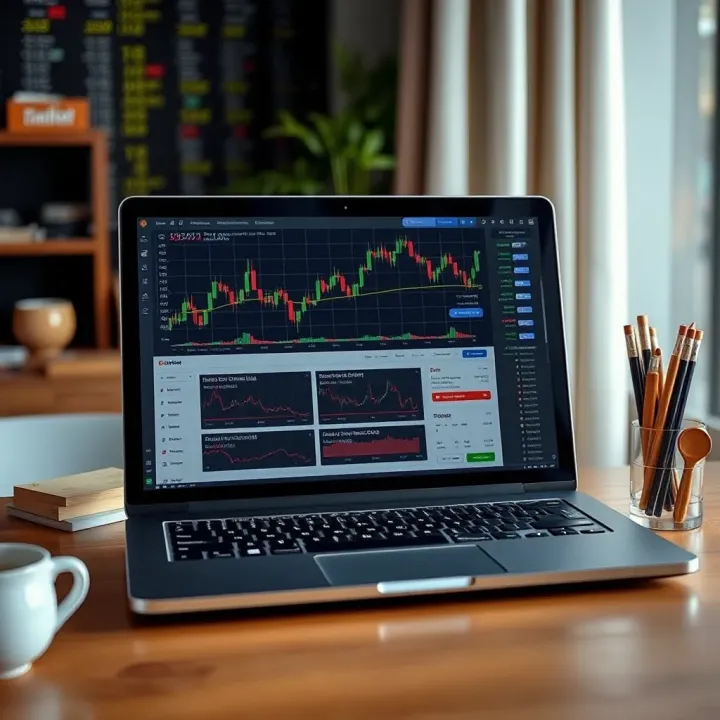
📈 Discover the best places in South Africa to learn forex trading, from top online platforms to brokers and courses. Start trading with confidence today!
🌍 Explore forex trading basics, strategies, and risks with practical tips, tailored for South African traders ready to dive into the exchange market confidently! 💰
Based on 15 reviews