
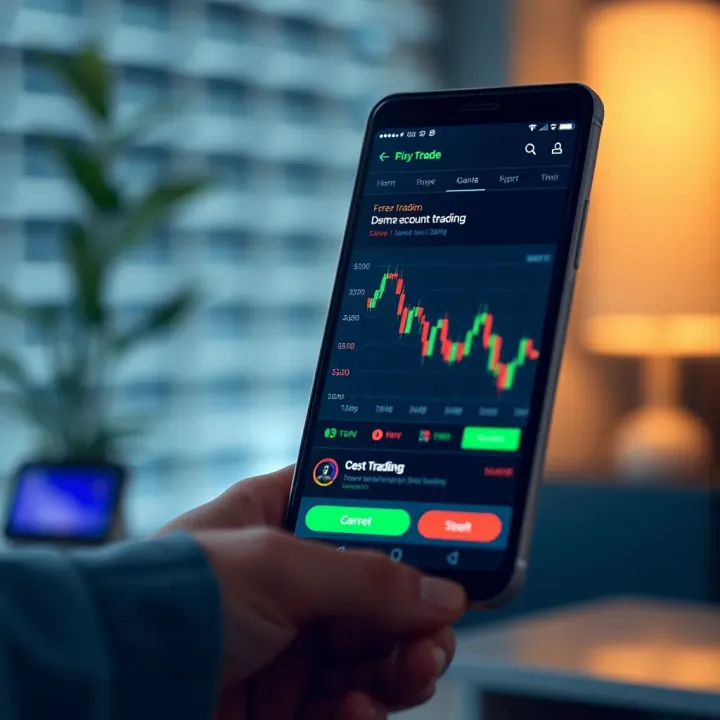
Forex Trading Apps and Demo Accounts Explained
📱 Discover how forex trading apps with demo accounts help South African traders practise without risk. Learn tips for smart trading and when to go live!
Edited By
Isabella Hughes
For anyone looking to get into forex trading in South Africa, a demo account is your best mate. It lets you practise buying and selling currencies without putting real rand on the line. This hands-on practice is vital because forex can be volatile, and jumping straight into live trading often leads to mistakes that cost your money.
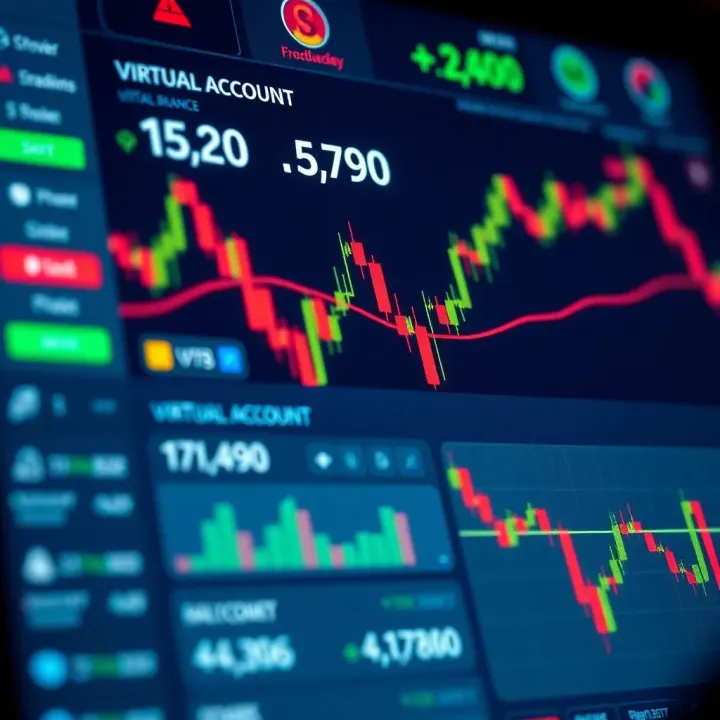
A demo account mirrors the live market environment, complete with real-time price movements. You get virtual funds—say, R100,000—to test strategies, learn how trading platforms work, and understand how external factors influence currency pairs like USD/ZAR or EUR/ZAR. The beauty is that you can experiment without stepping into a minefield of potential losses.

Traders in Gauteng or the Western Cape can simulate trades during business hours or after-hours when markets react to global events. This flexibility suits anyone balancing work or study commitments.
A demo account isn’t just a playground—it’s a training ground that builds your confidence and skills before you invest real money.
Get this right, and you'll avoid the common traps many newcomers fall into, like overtrading or ignoring spreads and fees.
Here’s why South African traders find demo accounts indispensable:
Risk-free environment: Try strategies without financial pressure.
Platform familiarisation: Navigate popular platforms from brokers like IG, Plus500, or FXCM SA.
Strategy testing: See what works in different market conditions—be it trending or volatile.
Understanding leverage: Experience how margin can amplify gains or losses without losing real cash.
In short, using a demo account helps you step into the forex arena well-prepared, cutting down the learning curve and saving your hard-earned money. Next, we’ll explore how to make the most of your demo trading experience.
A solid grasp of forex demo accounts sets the foundation for anyone keen on entering the forex market. These accounts allow traders to familiarise themselves with the market dynamics without risking actual capital. Think of it as learning to drive a car in an empty parking lot before hitting busy Johannesburg roads – it reduces the risk of costly mistakes.
A forex demo account is a practice trading account offered by brokers that simulates real trading conditions using virtual money. It lets you open, close, and manage trades with live market data in real time but without risking any real Rand. For instance, a South African trader could open a demo account on a platform like FXTM or IG, getting a feel for how the rand pairs like USD/ZAR behave during active market hours.
While demo accounts mirror real markets closely, they differ mainly because the money is virtual. This shifts the psychological setup completely. Traders rarely experience the pressure or emotional rollercoaster present in live trading. Also, execution speeds and liquidity might not entirely reflect what happens when trading for real. For example, during high volatility such as during SARB interest rate announcements, demo accounts may not feature price slippage or order rejections you’d encounter live.
For new traders, demo accounts are invaluable for testing strategies and learning platform tools without the sting of lost capital. Beginners can experiment with different forex pairs, practise timing entries and exits, and understand how currency markets fluctuate. It’s like a safe training ground before stepping into the arena. Practising there helps traders build confidence before dealing with real money, reducing impulsive mistakes that often come with inexperience or nerves.
Using a demo account helps South African traders familiarise themselves with local market peculiarities and time zones, gaining a better grasp of how global events affect the rand without facing financial risk.
Understanding these basics ensures traders use demo accounts effectively, setting the stage for smoother transition into live trading later on.
Getting your forex demo account set up properly is the first step towards trading success. It’s more than just opening an account — this stage lays the groundwork for your learning, with choices that influence how closely your demo trading mimics real-world conditions.
Not all brokers are created equal, especially in South Africa where regulation and platform reliability matter a lot. Start by looking for brokers authorised by the Financial Sector Conduct Authority (FSCA). Brokers like EasyEquities and IG offer demo accounts with access to the major currency pairs and local support.
Also, check their client reviews and trading conditions like spreads and leverage on demo accounts, which should mirror live offerings. Remember, a demo account that uses outdated or unrealistic pricing won’t prepare you for actual forex market fluctuations.
Opening a demo account is usually straightforward. You'll provide basic details like your name, mobile number, and email – all under the Protection of Personal Information Act (POPIA) for security. Unlike live accounts, there’s often no initial deposit required since you’re trading with virtual funds.
Once registered, you’ll typically begin with a preset sum of virtual Rand (R100,000 or so), which you can use to experiment freely. For example, in the MT4 platform, you just select "Open Demo Account," choose your balance size, and you're off. This virtual fund allows you to take risks and learn without the stress of losing real money.
Your demo account also introduces you to the trading platform you'll use when you go live. Platforms like MetaTrader 4 (MT4), MetaTrader 5 (MT5), and cTrader dominate the stage. Explore charting tools, technical indicators, and the order types available, such as market, limit, and stop-loss orders.
Try placing different trades to see how order execution works under varying market conditions. Features like price alerts and news feeds offered on platforms help in making timely decisions and are worth spending time on during your demo phase.
Taking time to set up your demo account correctly and getting comfortable with the platform will pay off when you transition to live trading. Don’t rush; instead, treat this as your practice veld where you can refine your skills before stepping into the real forex arena.
In a nutshell, setting up your forex demo account in South Africa means picking a trustworthy broker, registering without any risk, and getting familiar with the platform’s features. Each step helps lay a solid base for confident, knowledgeable trading once real money is involved.
Demo accounts offer a safe space to develop your trading skills without risking real money. Mastering their use can noticeably improve your confidence and strategy execution before moving to a live environment — especially in the fast-paced forex market.
A demo account lets you try out different trading approaches without any financial pressure. For example, you might want to test scalping techniques during active market hours or try swing trading over days or weeks. This way, you get a feel for how each method works in various market conditions. It also allows you to explore trade sizing and stop-loss orders safely, helping you understand how to protect your capital when real money is involved.
A critical skill for any trader is reading the market’s signals — price action, support and resistance levels, and trends. Demo accounts mirror live market data, allowing you to watch how prices react to economic news, such as interest rate decisions by the South African Reserve Bank or global events affecting USD/ZAR. Tracking these movements on a demo account builds your ability to anticipate market behaviour, fine-tune entries and exits, and adjust to volatility.
Keeping a trading journal while using your demo account can turn errors into valuable lessons. Record every trade’s rationale, outcome, and feelings at the time. For instance, if you repeatedly ignore stop-losses and see losses mount even on demo trades, it’s a sign to adopt stricter risk management. This reflection sharpens discipline — the biggest hurdle for many when live trading. Many platforms provide built-in analytics to review success rates, drawdowns, and profitability trends, giving you objective feedback.
Demo accounts are more than just playgrounds; they’re rehearsal rooms where traders sharpen skills, test gut feelings, and build good habits without the sting of losing actual money.
Using a demo account well means treating it as seriously as real trading. Approach each session with clear goals, replicate real conditions, and commit to learning from every trade. This practical approach can significantly reduce costly mistakes when you eventually trade with real Rand.
Remember, skills refine with experience, and demo accounts provide a low-cost way to build your base before facing the real market’s unpredictability.
Demo accounts play a vital part in forex trading education, but they don’t reflect every aspect of live trading. Understanding their limits helps you prepare for the real market.
Demo accounts use virtual money and an simulated environment, which means certain real-world factors like slippage, order delays, or varying spreads may not always appear. For example, when the rand suddenly weakens due to unexpected political news, your demo account might not experience the same price jumps or execution speed as a live account. This means you won’t fully understand how your orders behave under real market pressure just by demo trading.
Trading with virtual funds also removes the emotional weight of actual losses or gains. Without risk to your own cash, you may take bolder trades or ignore risks that wouldn’t feel acceptable with real money on the line.
When you switch to a live account, managing your emotions becomes crucial. Live trading forces you to make decisions under stress and uncertainty, unlike the risk-free demo environment. Fear, greed, and impatience can lead to impulsive trades or hesitation.
Proper money management strategies, like setting stop losses and sticking to a risk percentage per trade, often seem easy during demo trading but can get tossed aside when real money is involved. For instance, a trader might increase position sizes after a winning streak, chasing quick profits, only to face bigger losses. This psychological switch is a commonly underestimated challenge.
Moving to live trading too early might burn your account, while waiting too long delays learning real market behaviour. Generally, you should consider transitioning once you've consistently demonstrated profitable performance over a range of conditions on your demo, ideally over several weeks or months.
Also, practice live trading with small amounts. This lets you get used to emotional pressure and real account mechanics without risking significant capital right away. For example, starting with R500 or R1,000 on a live account allows you to experience real market conditions, slippage and spreads, while preserving your funds.
Remember, demo accounts are a training ground, not a crystal ball. They’re great for practice but mastering live trading requires adjusting your mindset and discipline for real stakes.
In summary, balance your demo practice with realistic expectations. Use it to hone strategies and platform skills, but prepare mentally and financially for the jump to live trading. That’s when true learning begins.
Choosing the right demo account can make a big difference in how well you learn forex trading before putting real money on the line. Not all demo accounts are created equal, so focusing on regulation, usability, and realistic market data will help you avoid headaches and build confidence. Let’s explore these factors in a bit more detail.
Starting with regulation is a no-brainer. South African traders should pick brokers authorised by the Financial Sector Conduct Authority (FSCA). This ensures the broker follows local rules designed to protect your interests. For example, some FSCA-approved brokers offer demo accounts that reflect fair trading conditions, while unregulated brokers might present misleading spreads or prices. Reputation matters too — check reviews from other South African traders and see how long the broker has been around. A trustworthy broker won’t suddenly vanish or make it hard to transition to a live account once you’re ready.
Trading on a platform that’s clunky or hard to navigate can drain your energy and lead to mistakes. Focus on demo accounts that provide user-friendly platforms with clear charts, fast order execution, and tools you’ll actually use. For instance, if you prefer mobile trading, test the broker’s app thoroughly before committing. Look for features like customisable charts, economic calendars, and risk management tools such as stop-loss orders. The more the demo platform mirrors what you’ll get live, the better prepared you’ll be.
A demo account that uses outdated or unrealistic market data can give you a false sense of success. Ensure your demo experience reflects real market conditions—this means live price feeds, realistic spreads, and normal slippage. Some brokers might offer 'frozen' prices in demos to simplify matters but this does not prepare you for the real market where prices move constantly and test your reaction. Being exposed to genuine market fluctuations, even on a demo, helps you get used to the pace and volatility typical in forex trading.
Don’t settle for just any demo account; aim for one that provides an experience as close to live trading as possible. This sets you up to build solid skills and ease the jump to real trading.
By prioritising these elements, you’ll make the most of your forex demo account and increase your chances of success when you eventually enter the live markets.
📱 Discover how forex trading apps with demo accounts help South African traders practise without risk. Learn tips for smart trading and when to go live!

🌍 Learn how different Forex trading sessions affect market moves and volatility. Master session timing to sharpen your trading skills and manage risks better.
📈 Explore how forex trading systems work, their types, and key components. Get tips on risk management and choose or build your ideal strategy for success.

Discover how forex trading wallpapers 🎨 influence your focus and workspace 🖥️. Tips on picking the right images 📷 for traders in South Africa 🇿🇦.
Based on 5 reviews