

Understanding Forex Trading Sessions
🌍 Learn how different Forex trading sessions affect market moves and volatility. Master session timing to sharpen your trading skills and manage risks better.
Edited By
Charlotte Evans
Forex trading apps have become the go-to tools for many South Africans keen on diving into the currency markets. These apps offer easy access to global forex markets directly from your mobile device, but what really separates the casual dabblers from seasoned players is often the ability to practise risk-free before putting real money on the line.
This is where demo accounts come in. Demo accounts simulate real trading environments without using your own cash, letting you buy and sell currencies such as the US dollar, euro, or South African rand without financial risk. For example, popular platforms like IG, Plus500, and MetaTrader offer demo features that let you test strategies and get a feel for price movements and market timing.
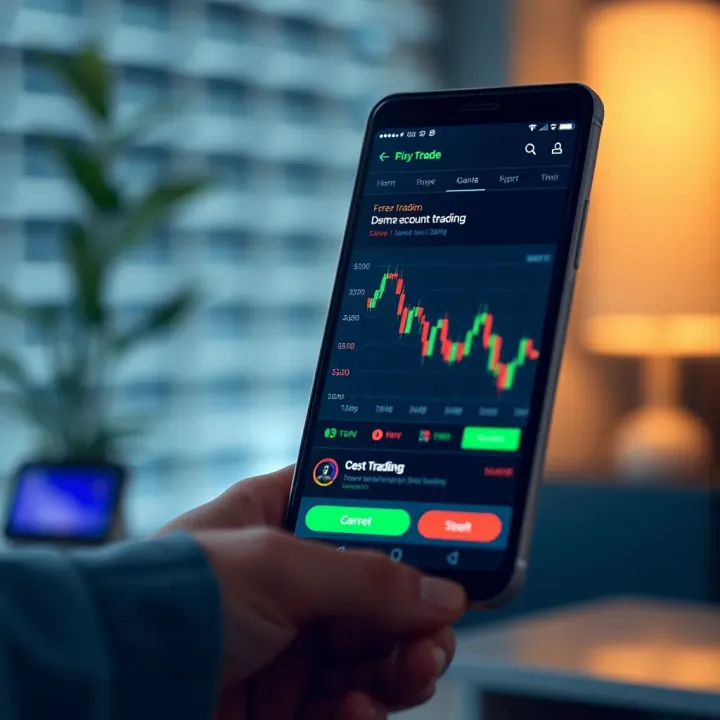
Using these demo modes helps you understand how leverage works, how spreads affect your profitability, and how news events can move the markets. South African traders especially benefit since exchange rate swings and global economic events can be tricky to predict at first.
Practising on a demo account can save you from costly mistakes and build confidence before stepping into live trading.
When choosing a forex trading app, consider factors like user interface, available currency pairs, speed of trade execution, and the accuracy of the demo experience. Some apps even allow you to switch seamlessly between demo and live accounts, making the transition smoother. Keep in mind that demo accounts typically provide virtual funds and may not replicate the exact emotional and market pressures of live trading.
To make the most of a demo account:
Set clear goals, like mastering specific trading techniques or understanding technical indicators
Treat the demo trades seriously to develop discipline
Monitor how news releases affect your trading decisions
Review your trades and learn from errors
Understanding how these apps work and what their demo features offer can make your start in forex trading less bumpy. That way, when you're ready to trade with your own Rands, you’ll have practical experience and fewer surprises.
Understanding forex trading apps is key for anyone interested in trading foreign currencies in today’s fast-moving markets. These apps bring the complex world of forex trading onto your mobile or tablet, allowing you to monitor, analyse, and act on currency price changes wherever you are in South Africa. Their increased accessibility means traders no longer rely solely on desktop platforms or brokers.
One reason these apps matter is their combination of convenience with powerful tools. For example, the MetaTrader 4 app lets you execute trades, check live price charts, and use technical indicators all from your smartphone. This practicality benefits both beginners practising demo trades and seasoned traders making real-time decisions.
Forex trading apps are mobile applications designed to facilitate currency trading by connecting users to forex markets through brokers. They provide features like live price feeds, charting tools, account monitoring, and order placing. Think of them as compact trading terminals fitting into your pocket, offering all essential functions without needing a full desktop setup.
In South Africa, these apps often include additional functions tailored to local traders, such as Rand-based account options or integration with bank EFTs. A good example is the IG Trading app, which supports several account currencies including ZAR, making managing local finances easier.
Mobile apps give traders the chance to stay connected to the market anytime, anywhere—whether you're commuting on a taxi or taking a break at a coffee shop. This immediate connection can be critical when currency prices move on news or economic data releases.
Besides flexibility, mobile apps often come with demo account features. These allow new or cautious traders to try out trading strategies without risking real money. Saving beginners from costly learning curves is vital, especially with forex’s volatility.
Also, mobile apps tend to be user-friendly, with streamlined interfaces and alerts. They simplify complex data into accessible graphs or notifications, helping traders act quickly when needed. For South Africans dealing with data constraints, many apps are optimised for low data use, reducing costs without sacrificing functionality.
Keeping your trading setup mobile saves both time and stress, letting you power trade even during loadshedding or when away from a desktop. With a good app, your trading desk moves with you.
To sum up, forex trading apps are no longer a novelty but a practical tool offering access, flexibility, and safety nets like demo accounts. Knowing their scope helps you choose the right one and trade smarter on the go.
When you begin your journey in forex trading, demo accounts serve as an essential stepping stone. They allow you to practice trading currencies using virtual money in a risk-free setting. This hands-on experience is invaluable, especially for those new to the volatile forex market or for seasoned traders testing new strategies.
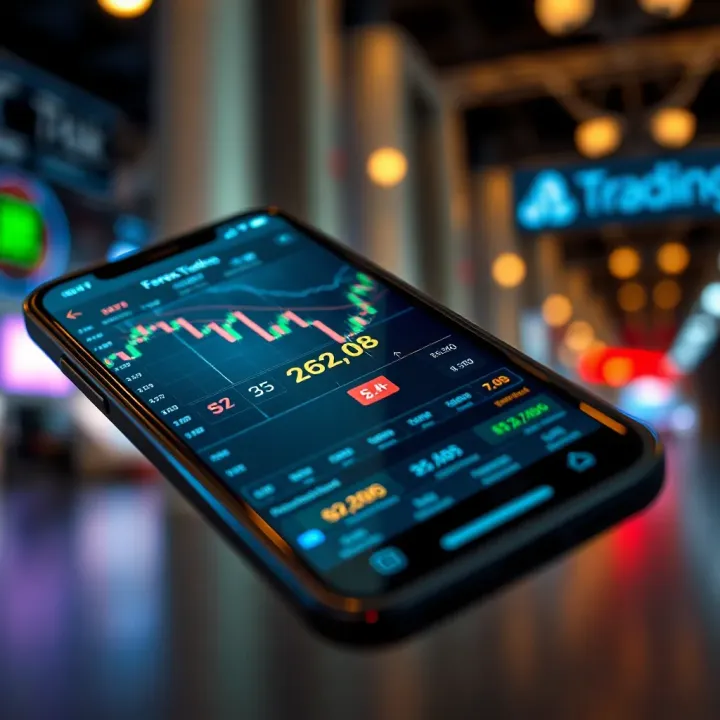
Demo accounts typically mirror the real trading environment closely. They give you access to live price feeds, charting tools, and the full suite of trading options you'd find in a live account. For instance, if you were to try out MetaTrader 4 or 5, you'd see the same currency pairs and spreads as those available during live hours.
This kind of environment enables users to experiment with order types such as market orders, limit orders, and stop-loss orders without the danger of losing actual funds. Moreover, many demo platforms offer insights and analytics that help novices grasp market behaviours. Features such as economic calendars and news feeds often accompany the trading interface, allowing a more realistic experience, reflecting how global events can impact currency values.
Besides mimicking market conditions, demo accounts also let you familiarise yourself with the app's user interface. Whether navigating chart tools, placing trades, or setting alerts, confidence in the platform boosts your readiness when you switch to live trading.
Even though demo accounts provide a close experience, several key differences set them apart from live accounts. The most obvious is the absence of real financial risk; losses and profits are purely virtual. This can sometimes lead to behaviours that aren’t practical in a live environment, such as reckless trading.
Another difference lies in order execution. Live accounts can experience slippage when there's high market volatility—meaning the price at which your order executes might differ slightly from the expected price. Demo accounts generally don’t replicate slippage or the delays caused by internet connection issues, so execution feels smoother.
Additionally, psychological factors are different. When real money is on the line, emotions like fear and greed affect decisions, something users seldom experience in demo mode. This psychological gap means success in a demo doesn’t guarantee the same results live.
Many South African traders find demo accounts helpful for building trading skills, but remembering these distinctions is vital before putting real money at risk.
In summary, demo accounts in forex trading apps offer a vital platform for learning, strategising, and familiarising yourself with trading mechanics without financial exposure. They are a practical training ground that, when used wisely, can prepare you effectively for the live market’s demands.
Using a forex trading app’s demo feature offers practical advantages for traders at various stages. It acts as a low-pressure environment to build skills and confidence, a crucial step before risking real money. Especially for South African traders facing local market quirks and trading costs, a demo account helps navigate unfamiliar waters safely.
One of the standout benefits of a demo account is the ability to learn without risking your capital. Imagine a novice trader in Johannesburg wanting to understand forex basics—such as how currency pairs move or the impact of leverage—without risking even a cent. A demo account simulates live market conditions using virtual funds, so mistakes made here don’t hit your bank account. This setup encourages experimentation; for instance, you could explore the effects of sudden market news on the rand-dollar pair without worry.
Besides experimenting freely, learning on a demo helps grasp essential trading concepts like stop-loss orders or margin requirements. For South Africans wary about forex scams, demo accounts provide a trustworthy way to start without commitment.
A demo account isn’t just for beginners—it’s also a handy tool for seasoned traders who want to refine or test new strategies. Say you’re a trader in Cape Town who follows technical indicators like RSI or moving averages. Before deploying new methods with real money, the demo lets you run these over weeks or months, observing how they react during volatile sessions without any financial downside.
This safe testing ground helps reveal any flaws or unexpected outcomes in your strategy. For example, a momentum tactic that works well during calm markets might falter during Eskom-induced volatility. You can adjust your approach accordingly, saving potential losses.
Beyond trading practice, demo accounts also help users get comfortable with the app itself. Forex apps often come with complex tools: order types, charts, news feeds, and customisable alerts. Navigating these features smoothly is critical when trading live.
For instance, a trader based in Durban might be used to MT4’s layout but need time to get acquainted with Plus500’s interface. Demo mode offers this opportunity without pressure. Being fluent with the app helps prevent costly errors like placing orders wrongly or missing timely exits.
Using a demo account is like learning to drive in an empty parking lot before hitting the busy streets—it builds confidence, sharpens skills, and reduces costly mistakes.
In summary, demo accounts in forex trading apps serve as a practical stepping stone. They protect your wallet while teaching you how markets work, allow for thorough testing of trading methods, and provide a chance to master the app interface before committing real funds. For South African traders, this balanced approach is especially valuable given local market conditions and trading costs.
Choosing the right forex trading app with solid demo features matters more than many think, especially for traders starting out or testing new strategies. A reliable demo account lets you practise risk-free, but it’s only useful if the app’s design, data, and tools represent the real trading conditions closely. This ensures your learning and testing aren’t misleading, giving you a trustworthy stepping stone towards live trading.
An intuitive and simple user interface goes a long way in keeping frustration at bay. Beginner traders often abandon apps that are confusing or cluttered. Look for apps with clear menus, easy navigation, and well-labelled tools. For instance, MetaTrader 5’s layout, despite its advanced features, remains accessible for novices due to logical grouping of trade options and settings. A clean design helps you focus on strategy, not decoding the app itself.
A good demo account shouldn’t just provide virtual cash but also a variety of trading tools resembling the live environment. These include real-time price charts, technical indicators, order types, and risk management features like stop-loss or take-profit. For example, IG Trading’s demo app offers multiple charting styles and hundreds of indicators which help test diverse strategies. Without such tools, practising trades becomes less effective—it’s like trying to play rugby without a ball.
Fast, accurate price feeds are the backbone of forex trading. Demo accounts must stream data nearly identical to live markets, reflecting real spreads and execution speeds. Slow or outdated data can cause false confidence or missed opportunities. South African traders particularly feel the impact when dealing with volatile currencies like ZAR/USD. Apps such as Plus500 strive to provide up-to-date prices, helping users simulate true market conditions in their demo sessions.
Widely regarded as robust platforms, MetaTrader 4 (MT4) and MetaTrader 5 (MT5) dominate South African forex trading circles. Both offer feature-rich demo accounts with live price simulations and multiple trading instruments. MT5, the newer version, adds more timeframes and allows trading CFDs alongside forex. Their broad broker support and strong community forums make them a practical choice for learners wanting to explore demo trading thoroughly.
IG has made a name for itself by blending ease of use with professional-grade tools. Its demo account provides access to over 17,000 markets including forex, commodities, and indices, with real-time prices and news updates. The platform works smoothly on mobile and desktops, ideal for South Africans who trade on the move. Plus, IG offers educational resources integrated with demo use, strengthening practical learning.
Known for a straightforward approach, Plus500 appeals to traders who prefer simplicity without sacrificing functionality. The demo account reflects live market conditions with authentic spreads and execution, useful for building trust in your trading decisions. While it focuses on CFDs, its forex section is competitive and includes risk management options. This app suits those wanting a quick start and easy switching between demo and live accounts.
Selecting a forex trading app with the right demo features can save you time, money, and stress. Prioritise user experience, realistic tools, and accurate data to build your skills confidently before risking real capital.
Choosing carefully means you're not just playing around – you're preparing smartly for the realities of forex trading in South Africa’s fast-paced markets.
Using a demo account wisely can make a big difference in your forex trading journey. It’s more than just playing with pretend money; it's a chance to build skills, understand market behaviour, and test strategies before you risk your hard-earned Rands. To get real value from demo trading, you need to set clear goals, carefully track your progress, and know when it’s time to step into live trading.
Planning your demo trading with specific, achievable goals keeps things on track. For example, rather than aiming to make huge profits quickly, focus on mastering how to read currency charts or learning to place different order types like stop-loss and take-profit. Set limits on the number of trades or on the time spent daily, so you don’t rush or practice mindlessly. Picture yourself practising like you'd study for matric exams — disciplined and steady. This focus means you can spot progress, stay motivated, and avoid chasing unrealistic wins that only lead to frustration.
Journalling your trades is a powerful tool. Many forex apps let you export or save trade histories, so make use of these features. Record the reasoning behind each trade, the outcome, and what you could do differently next time. For instance, if you notice you tend to hold onto losing trades too long, that insight gives you something concrete to work on. South African traders often overlook this step, but it’s key to growing beyond guessing and relying on luck. Over time, reviewing your trade journal helps refine your strategy and builds confidence.
Keeping a detailed trade log isn’t just for pros. It helps you learn from mistakes before real money is at stake.
Transitioning from demo to real trading shouldn’t be rushed. Look for consistent profitability, even in modest amounts, and comfort with the app’s mechanics. Suppose you’ve spent a few weeks hitting your goals, managing risk properly, and learning from errors — that’s a decent signal to consider the move. Also, be ready for emotional shifts. Real trading brings pressure that a demo can’t fully replicate. Start with small stakes in live trading to ease in and avoid heavy losses. Remember, the goal is steady growth, not quick riches.
Making good use of a forex demo account demands intention and reflection. Set clear goals, track your efforts thoughtfully, and move to live trading only when you feel confident and prepared. This approach makes demo trading a serious preparation ground rather than just a game, letting you trade smarter when it counts.
🌍 Learn how different Forex trading sessions affect market moves and volatility. Master session timing to sharpen your trading skills and manage risks better.
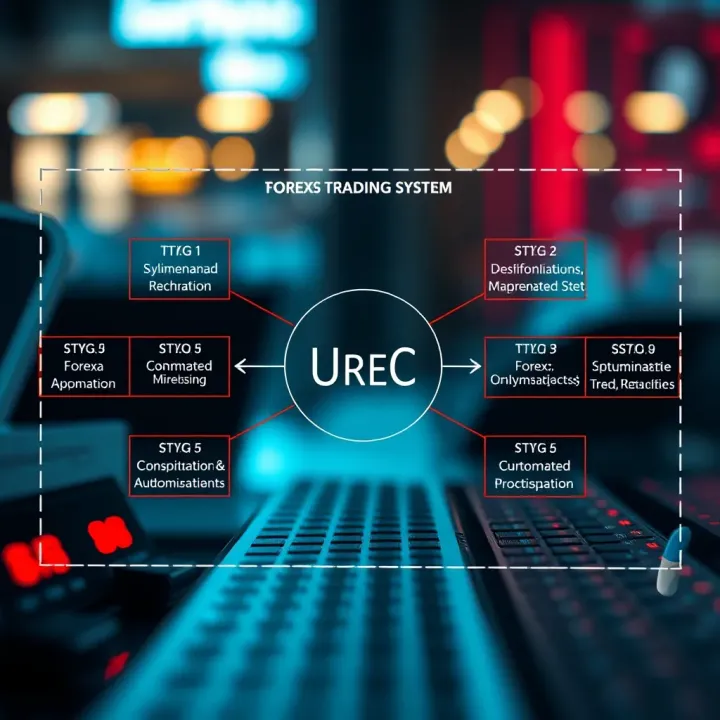
📈 Explore how forex trading systems work, their types, and key components. Get tips on risk management and choose or build your ideal strategy for success.

Discover how forex trading wallpapers 🎨 influence your focus and workspace 🖥️. Tips on picking the right images 📷 for traders in South Africa 🇿🇦.

Explore forex trading in Yokohama 🇯🇵 with insights on local brokers, regulations, and strategies tailored for this market. Trade smart and stay informed 💹
Based on 5 reviews