
Free Forex Trading Simulator Guide for South African Traders
📉 Discover top free forex trading simulators! Learn how to download, use, and improve your skills risk-free with tools perfect for South African traders.
Edited By
Sophie Langley
Forex trading involves buying and selling currencies on the global market, aiming to profit from changes in exchange rates. It’s a busy, 24-hour market where traders across continents react to economic data, political events, and market trends. For South African traders, it offers a chance to diversify investment and earn from global currency fluctuations.
South Africa’s rand (ZAR) plays a crucial role here. Movements in the rand against currencies like the US dollar (USD), euro (EUR), or British pound (GBP) can create opportunities — but also risks. For instance, changes in commodity prices or domestic interest rates often influence the rand’s value.
Trading forex isn’t just guessing which way the rand will move. It requires understanding key concepts such as ‘pip’ (the smallest price movement), ‘leverage’ (borrowing to amplify trades), and ‘spread’ (difference between buying and selling prices). Local regulations also shape forex trading. The South African Reserve Bank oversees currency controls, while the Financial Sector Conduct Authority (FSCA) licenses brokers operating here.
Important: Always choose an FSCA-regulated broker to protect your funds and avoid scams.
Getting started means:
Opening an account with a reputable, FSCA-licensed broker
Practising with demo accounts to understand how trades work
Following South African macroeconomic news impacting the rand
Of course, forex trading carries risk. Leverage can magnify losses, and prices can shift quickly. Using stop-loss orders and managing your allocation carefully helps limit exposure.
In short, forex trading in South Africa requires both familiarity with the global market and attention to local realities. With the right platform, solid knowledge, and risk controls, it can enhance your trading toolkit beyond local shares or bonds. In the sections ahead, we’ll explore practical steps and tips to get you trading confidently.
Getting a solid grip on forex trading and what makes it attractive is key before dipping your toes in. Forex, or foreign exchange, involves the buying and selling of currencies. Unlike buying stocks, here you’re dealing with pairs—like the US dollar against the South African rand (USD/ZAR). These pairs represent how much one currency is worth compared to another, crucial for anyone tracking trade flows or investing abroad.
Trading happens globally, 24/5, thanks to time differences across continents. In South Africa, you’ve got access to this vast market primarily through online brokers. Whether you’re sitting in Cape Town or Johannesburg, the global forex system keeps moving as Asian markets open, then Europe, and finally the Americas. Locally, this means you can be active during your regular hours and catch opportunities anytime the market is live.
At its core, forex trading is exchanging one currency for another with the hope that its value changes favourably. For example, if you believe the rand will strengthen against the US dollar, you might buy USD/ZAR expecting to sell later at a better rate. This trading happens in currency pairs because currencies are always priced relative to one another.
This practice isn’t just for investors but also for companies and banks needing to manage currency risks. For a South African import business, forex trading helps lock in costs, protecting from rand swings which can quickly erode profits.
Globally, forex trading relies on banks, brokers, and electronic platforms to match buyers and sellers. It’s highly liquid and fast-moving because of the massive daily turnover, estimated around $6 trillion worldwide. Because South Africa’s rand is a widely traded emerging-market currency, local traders get decent access and liquidity, though spreads might widen during volatile periods.
Locally, South African traders use internet brokerages regulated by bodies like the Financial Sector Conduct Authority (FSCA). This regulation helps ensure reasonable market fairness. Payment methods also matter here—many brokers accept local methods such as EFT or eWallets, making it easier to fund accounts without currency conversion hassles.
You don’t need a fat bank account or fancy connections to start forex trading these days. Online platforms like MetaTrader stand out, offering user-friendly interfaces with live price feeds. South Africans benefit from brokers tailored for local needs, supporting R-denominated accounts and local payment options.
Trading platforms also provide demo accounts, letting beginners practise without risking real money. This lowers the barrier significantly, helping more people test strategies or learn the ropes on their own time.
The forex market can swing quickly, creating opportunities to profit from both rising and falling currency values. For instance, during an Eskom loadshedding crisis or political uncertainty, the rand often reacts sharply. Traders who understand these dynamics can potentially capitalise on such volatility.
However, this potential comes with risk —prices can move against you just as fast. Effective risk management is essential to avoid being caught out by sudden changes.
Unlike the JSE, which opens from 9 am to 5 pm, forex is open almost round the clock on weekdays. This suits South Africans juggling jobs or studies; you can trade after hours without missing out.
From Sunday evening (African time) when the Asian markets start, right through to Friday afternoon, the forex window stays open. This flexibility means you can take advantage of news events occurring at any global hour—from a US Federal Reserve announcement to European political developments—that impact currencies immediately.
Forex trading’s round-the-clock nature, combined with accessible platforms and the chance to trade volatile currency pairs like the rand, makes it an appealing option for many South Africans interested in financial markets.
Grasping key forex terms and concepts is essential for newcomers to trade smartly and avoid costly mistakes. Understanding the language of forex trading helps you interpret market data quickly and plan your moves with confidence.
The term pip stands for "percentage in point" and is the smallest price change a currency pair can make. For most pairs, one pip equals 0.0001, so if the EUR/USD moves from 1.1200 to 1.1205, that’s 5 pips. This measurement is crucial because profits and losses are calculated based on pip changes.
A lot refers to the trading volume or size of a trade. One standard lot equals 100,000 units of the base currency. Beginners typically start with mini (10,000 units) or micro lots (1,000 units) to manage risk. Knowing lot sizes helps you control exposure and position size.
Leverage allows you to open larger positions with a smaller deposit by borrowing capital from the broker. For example, 1:100 leverage means you can trade R100,000 with just R1,000 in your account. While it can multiply gains, it also magnifies losses, so use it carefully.
Every currency pair has two prices: the bid, which is what buyers are willing to pay, and the ask (or offer), which is the price sellers want. When you sell, you get the bid price; when you buy, you pay the ask price.
The difference between these is called the spread, effectively the broker’s fee for facilitating trades. For example, if the USD/ZAR bid is 18.3000 and the ask is 18.3030, the spread is 3 pips. Lower spreads mean lower trading costs — important if you plan to make frequent trades.
A market order instructs your broker to buy or sell immediately at the best available price. This is useful when you want to enter or exit quickly, but prices can shift slightly in volatile markets.
On the other hand, limit orders let you specify a price to buy below or sell above the current market price. Your trade will only execute if the market reaches that level, offering control but no guarantee of execution.
Stop orders trigger a trade once a certain price is hit to help manage risk or enter strategic positions. For example, a stop buy order is placed above market price to catch upward momentum.
A stop-loss order automatically closes your trade once it hits a specified loss level, preventing bigger losses if the market turns against you. Say you buy EUR/USD at 1.1200 with a stop-loss at 1.1150; if the price falls to that level, the position closes.
Meanwhile, a take-profit order locks in profits once a target price is reached. This is handy for securing gains without constantly monitoring the market.
Properly using these orders helps preserve your capital and makes trading less stressful, especially in South Africa’s sometimes volatile forex environment.
Selecting the right forex broker and platform is a key step for any trader, especially beginners in South Africa. Your choice affects everything from how fees cut into profits to how quickly trades execute and how secure your funds remain. A suitable broker provides a stable, transparent, and user-friendly environment, helping you focus on trading rather than wrestling with technical or regulatory issues.
Ticking the box for local regulation is not just bureaucracy – it's about safety. South African traders should look for brokers authorised and regulated by the Financial Sector Conduct Authority (FSCA). This ensures the broker adheres to rules designed to protect clients, like keeping client funds separate from company money and maintaining minimum capital requirements. For example, a FSCA-regulated broker will provide more security during times of market turmoil or broker financial difficulties.
Understanding fees is vital because they directly affect profitability. Brokers typically make money from spreads (the gap between buying and selling prices) and commissions per trade. For instance, a broker with a tight spread but a commission fee might suit scalpers, while another offering fixed spreads with no commission might appeal to longer-term traders. South African traders should also consider if brokers charge inactivity fees or withdrawal charges, which can add up quietly.
Good customer support saves time and frustration, particularly for beginners. Look for brokers with responsive support available during South African trading hours, ideally with multiple contact methods like live chat, phone, and email. Platform usability matters just as much. A cluttered or confusing interface can lead to costly mistakes. Check if the platform is stable and offers useful features like one-click trading, real-time charts, and easy order modification.
MetaTrader 4 (MT4) and MetaTrader 5 (MT5) are widely popular in South Africa, known for their reliability and extensive features. MT4 is favoured for its simplicity and abundance of expert advisors (automated trading bots), while MT5 offers more advanced tools, including additional timeframes and more order types. Both allow custom indicators, which can help traders tailor strategies. Since many local brokers support these platforms, they're practically an industry standard.
Besides MetaTrader, web-based platforms and mobile apps have grown in popularity. Brokers like IG, Plus500, and ThinkMarkets offer intuitive web platforms that don't require downloads, perfect for traders who switch devices often. Mobile apps are essential for managing trades on the go, especially in South Africa where connectivity varies. Apps usually feature push notifications for price alerts, ensuring you don't miss crucial market moves.
Choosing the right broker and platform can make your trading experience smoother and safer. Always balance features, costs, and support when making your pick.
Protecting your capital is the backbone of any successful forex trading journey. Forex markets can be unpredictable, especially for beginners, so managing risks isn't just a nice-to-have – it's essential. Traders who overlook risk management often find themselves wiped out before they get the hang of things. By understanding the common risks and applying practical strategies, you can keep your losses in check and trade with more confidence.
Market volatility and sudden price moves pose one of the biggest challenges. Forex markets react swiftly to global economic news, political events, or changes in commodity prices (like gold or oil, which affect currencies such as the South African rand). For example, Eskom-related news might cause a sudden dip in ZAR pairs as investors react to potential economic impacts. This unpredictability means prices can swing sharply within minutes, which is a double-edged sword. On the one hand, volatility opens up profit opportunities; on the other, it can wipe out gains or increase losses quickly if you’re caught off guard.
Leverage risks and margin calls are another hazard. Many brokers offer leverage to allow traders to control a larger position than their deposit would normally allow. While this magnifies potential profits, it also increases potential losses. For example, trading with 100:1 leverage means a 1% adverse move can wipe out your entire capital. If your account equity falls close to the broker’s required margin, a margin call follows. This forces you to add funds or close positions, often at the worst time. Understanding how leverage works and sticking to sensible levels is critical to avoid these pitfalls.
Setting stop-loss limits is a straightforward way to protect your money. A stop-loss order automatically closes your trade if the price moves against you beyond a certain point. This prevents small losses from snowballing. For instance, if you buy USD/ZAR at R18.00 and set a stop-loss at R17.80, your position will close automatically if the rand strengthens sharply, capping your loss at R0.20 per unit. Without this safety net, emotional decisions can lead to even bigger losses.
Diversifying trades and limiting exposure helps spread risk across different currency pairs or even asset classes. Rather than putting all your money on one trade, dividing your capital across smaller positions reduces the blow if one trade goes south. If you only trade ZAR-based pairs, you might want to also include USD/EUR or GBP/USD pairs to balance your portfolio. That way, an unexpected local event won’t wipe out your entire capital. Keep position sizes small relative to your total funds, and don’t overextend on any single trade.
Managing risks well means more than protecting your capital – it builds the discipline needed to trade consistently over the long haul. Start small, use stops, control leverage, diversify, and trade smarter rather than bigger.
Starting forex trading in South Africa involves a few clear steps that set the foundation for success. This section breaks down what you need to do—from opening your account right through to placing your first trades—so you aren't left scratching your head once you’ve signed up. Given how dynamic and fast-moving the market is, having a structured approach helps you avoid common pitfalls and manage your money wisely.
Most brokers offer a range of account types tailored to different experience levels and trading amounts. You might find a standard account requiring a minimum deposit of around R1,000, while a micro account could allow smaller amounts, sometimes as low as R100. Selecting the right account type matters because it affects your trade sizes, leverage, and fees.
Funding your account should be as straightforward as possible, considering South African payment preferences. Local methods like EFT (electronic funds transfer) or using credit and debit cards are common, but some brokers also accept PayFast or even cryptocurrencies. Currency conversion can add a hidden cost if your broker operates outside the rand. Always check whether you’ll be charged additional fees or poor conversion rates, especially if the broker’s base currency is USD or EUR.
Getting comfortable with trading before risking actual money makes a world of difference. Most platforms provide demo accounts that mirror real market conditions without financial risk. Use these to test strategies, understand charts, and get familiar with order types. Treat your demo trading seriously; it’s your best chance to stumble safely.
South Africa has a growing network of educational resources and trading communities. Platforms like MyBroadband forums, local Facebook groups, or workshops can help you learn from others’ experiences. Some brokers partner with South African educators or offer webinars too. Engaging with these resources sharpens your knowledge and links you to traders who understand our unique market dynamics.
Before hitting the trade button, analyse currency pairs properly. Look at factors such as economic news from South Africa and trading partners, political events, and technical chart patterns. For example, the USD/ZAR pair reacts to both local inflation figures and US interest rate decisions. Understand how these events move markets to anticipate price swings.
Entering a trade involves more than just picking a pair. Decide your entry point, your stop-loss (a level that limits your loss if things go south), and your take-profit (where you want to lock in gains). Managing trades actively is key—you may adjust stop-loss levels as the trade goes your way to protect profits. Platforms like MetaTrader 4 or 5 provide tools for setting these easily. Remember, patience and discipline in managing your trades are just as important as picking the right moment to buy or sell.
Starting forex trading isn’t about rushing in. It’s about setting up the right account, practising smartly, and managing trades carefully, especially in South Africa’s unique market environment.
📉 Discover top free forex trading simulators! Learn how to download, use, and improve your skills risk-free with tools perfect for South African traders.
📈 New to Forex trading in South Africa? Learn how to pick a local broker, manage risks, and build smart strategies to trade confidently in today's market.
📘 Discover practical forex trading strategies with detailed PDF guides. Learn, apply, and choose reliable resources tailored for South African traders today! 🇿🇦
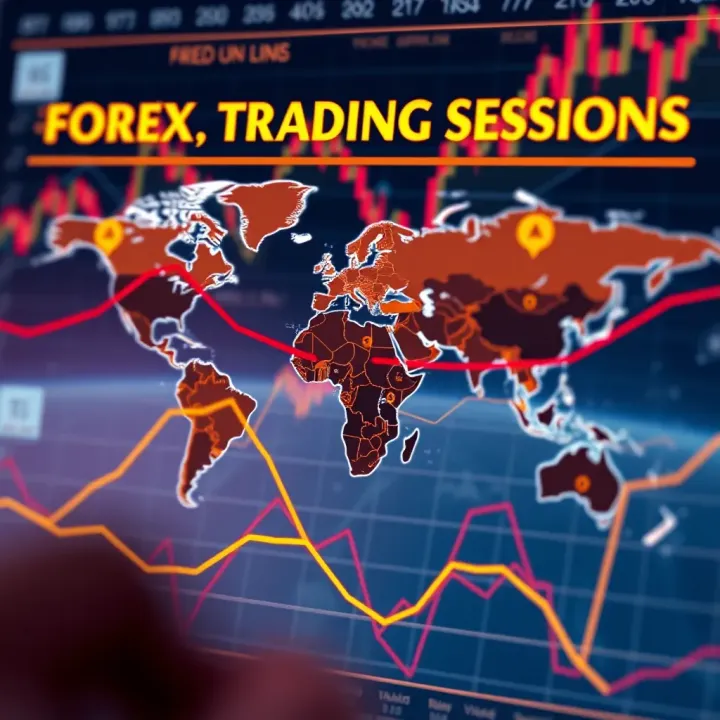
🌍 Learn how different Forex trading sessions affect market moves and volatility. Master session timing to sharpen your trading skills and manage risks better.
Based on 9 reviews