

Understanding Forex Trading Sessions
🌍 Learn how different Forex trading sessions affect market moves and volatility. Master session timing to sharpen your trading skills and manage risks better.
Edited By
James Harrington
Expert Advisors (EAs) have become a key tool for many forex traders, especially those looking to automate parts of their trading strategy. At their core, EAs are software programs that connect to your trading platform and execute trades automatically based on predefined rules. For South African traders, this offers the chance to trade the forex market even when you're away from your computer, or to follow strategies that might be difficult to execute manually.
EAs typically operate on MetaTrader 4 or 5 platforms, popular both locally and globally. They analyse market data — such as price movements, technical indicators, and volume — to decide when and how to enter or exit trades. You can think of them as a skilled assistant who never sleeps, sticking strictly to the rules without letting emotions get in the way.
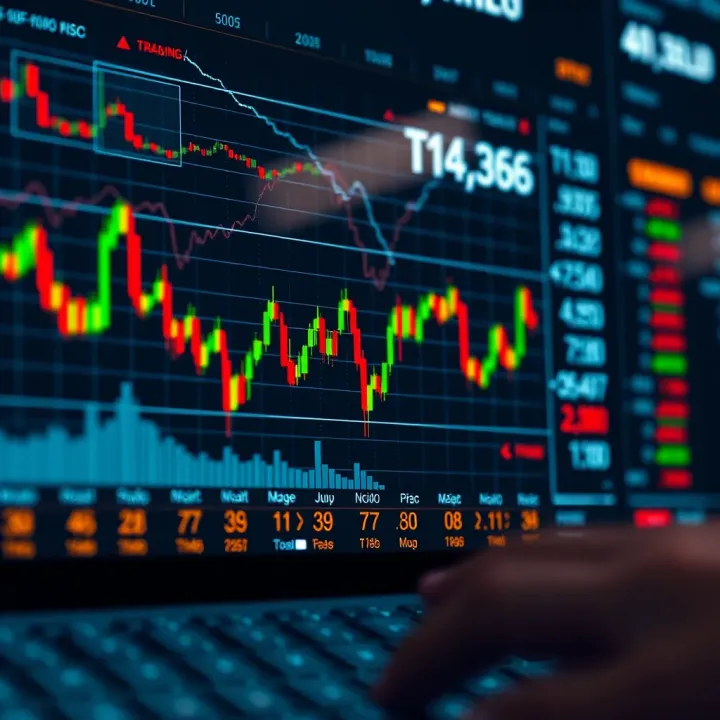
While EAs can save time and bring consistency, they are not a set-and-forget solution. Effective use means understanding the underlying strategy and ongoing monitoring.
Automated trade execution without human intervention
Flexible strategy programming, from simple moving averages to complex algorithms
Risk management settings like stop-loss and take-profit levels
Backtesting capabilities to simulate how they would have performed using historical data
For example, a trader might program an EA to buy a currency pair when the 50-day moving average crosses above the 200-day average, and sell when it crosses below. The EA will then continuously monitor price action and place orders accordingly.
That said, not all EAs perform well, especially in volatile or unexpected market conditions. They can struggle during South Africa's peak news hours or when brokers' execution lags due to internet or server issues, often heightened by local infrastructure challenges like loadshedding.
Managing EAs effectively involves:
Choosing tested and reputable EAs
Running them on reliable internet connections (consider a VPS if needed)
Regularly updating and adjusting parameters
Monitoring performance to intervene if necessary
With the right care, EAs can be valuable additions to a forex trading toolkit. But they demand an informed approach and do not replace a solid understanding of the markets or sound money management practices.
Understanding Expert Advisors (EAs) in forex trading is essential for traders looking to enhance efficiency and consistency in their trading activities. These automated tools can analyse market data, execute trades, and manage positions much faster than a human, which can be a real advantage in a market that's open 24/5 like forex. For South African traders, especially those juggling work and trading, grasping how EAs function helps balance active engagement with the market and practical time management.
An Expert Advisor is a software program designed to work within trading platforms such as MetaTrader 4 or 5. It acts like an automated trader, using a set of pre-programmed rules based on technical indicators to decide when to open, modify, or close trades in the forex market. Rather than waiting for a trader to spot opportunities, an EA can instantly analyse multiple currency pairs and markets to spot potential trades.
The primary role of an EA is to automate the trading process, reducing human emotion and bias. For instance, if your strategy involves trading the EUR/USD pair when the moving averages cross, an EA can execute that method tirelessly and consistently, even while you’re asleep or offline.
Manual trading, on the other hand, requires the trader to monitor charts and make decisions in real time. This hands-on approach allows more flexibility and adjustment to unique market conditions but demands constant attention and can be prone to emotional decisions like panic or greed. Automated trading with an EA removes emotion from the equation, sticking strictly to programmed criteria.
Most EAs integrate seamlessly with popular platforms like MetaTrader, widely used by brokers in South Africa and internationally. MetaTrader provides both the programming environment and execution engine. Once you load an EA onto the platform, it begins analysing market data, indicators, and price movements in real time.
Traders can customise parameters such as stop-loss limits, take-profit levels, and risk exposure inside the EA settings. This flexibility lets you tailor the tool to your risk appetite and trading objectives without rewriting code.
The core strength of EAs lies in their ability to execute trades automatically based on algorithms. When the programmed conditions trigger, the EA sends a trade order to your broker instantly, sometimes within milliseconds. This speed can capture short market moves that manual traders might miss.
Automation also means that EAs can trade continuously, 24 hours a day, allowing you to be active in global forex markets without nonstop monitoring. That said, technical glitches like internet drops or broker downtime can halt EA functioning, so regular supervision remains advisable.
Using Expert Advisors doesn’t eliminate the need for understanding your trading strategy. Think of EAs as tools that work best when paired with a clear plan and regular checks to adjust parameters according to changing market conditions.
Understanding how Expert Advisors operate is your first step toward effective and informed forex trading, especially in a market that never truly sleeps.
Expert Advisors (EAs) come packed with features designed to streamline forex trading and suit varying strategies. Understanding these key features and the popular types of EAs helps traders match the right tool to their needs, ultimately improving decision-making and trade management.
Customisable parameters allow traders to adjust settings like trade size, stop-loss levels, and indicators to fit their risk tolerance and market approach. For instance, you might tweak the moving average period or set a maximum number of open trades. This flexibility means that an EA can cater to different trading styles—from cautious, conservative trading to aggressive, rapid entries.
Backtesting capabilities enable users to test how an EA would have performed on historical data before running it live. This feature is particularly useful for spotting potential flaws without risking actual capital. For example, a South African trader could backtest an EA over periods of local market volatility or during high-impact economic announcements to gauge stability.
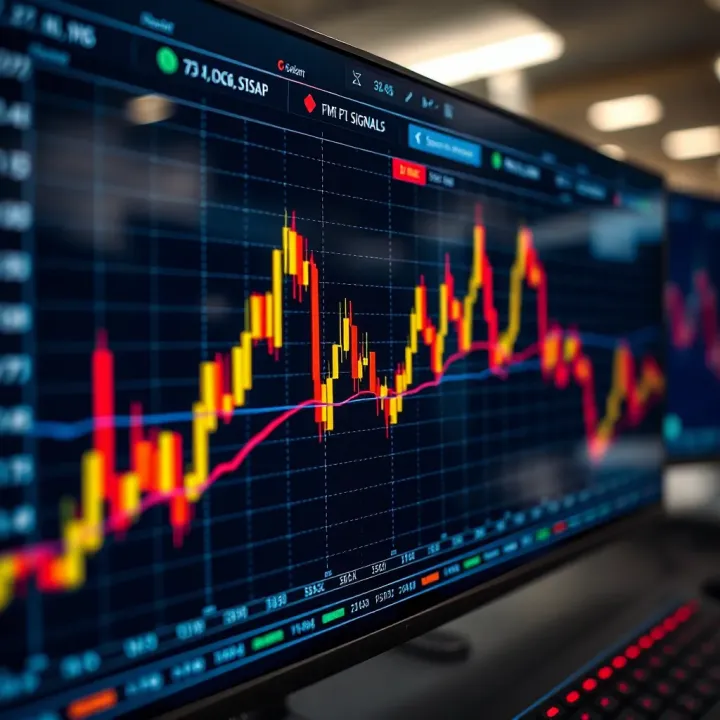
Risk management tools are vital for protecting capital. EAs often include features such as trailing stops, take profit settings, and maximum drawdown limits. These tools help contain losses and lock in profits automatically, which is especially handy during times when you can’t monitor trades constantly—say, during loadshedding or overnight.
Trend-following EAs focus on identifying and riding market trends. They might use moving averages or momentum indicators to trigger trades when prices show sustained direction. A typical example is an EA that buys when the 50-day moving average crosses above the 200-day average. These EAs perform well in clear trending markets but can struggle during sideways movements, so knowing when to switch them off matters.
Mean-reversion EAs operate on the idea that markets tend to revert to an average price after extreme moves. These EAs look for overbought or oversold conditions, entering trades that bet on a pullback. For example, one might use RSI (Relative Strength Index) levels to enter a buy when the market is oversold. This approach is suitable for range-bound markets but can be risky if a strong trend develops unexpectedly.
News trading EAs scan economic calendar events and react to the sudden volatility these cause. They might open or close trades automatically at set times around announcements like interest rate decisions or employment figures. This type of EA needs close calibration and access to real-time news feeds, making it a bit trickier but potentially rewarding during high-impact periods.
Understanding these features and types helps you choose or customise an Expert Advisor that suits your trading style and local market conditions. Whether you want steady trend-following or quick reactions to news, there’s an EA built for that.
Choosing the right EA isn’t just about features, but fitting them to how you trade and the realities of the South African forex market. With proper understanding and management, EAs can be a valuable part of your trading toolbox.
Expert Advisors (EAs) have reshaped how forex traders operate, offering distinct advantages but also harbouring some risks. Understanding these pros and cons is crucial before integrating EAs into your trading routine. They can boost efficiency and reduce emotional slip-ups, but you also need to be aware of technical pitfalls and strategy flaws.
One of the biggest perks of using Expert Advisors is their ability to trade around the clock without the emotional baggage that comes with manual trading. Unlike human traders, EAs stick to their programmed rules and don’t panic or get overconfident during volatile market swings. For example, if the Johannesburg market shuts but the New York session kicks in, your EA continues operating without breaks or fatigue, unlike a human who would need rest or might hesitate due to fear.
This unemotional consistency can prevent common mistakes, such as closing trades prematurely or holding onto losing positions hoping the market will turn. Traders often find that relying on EAs helps them maintain discipline and stick to strategies without second-guessing.
EAs allow traders to run several strategies at once, even across different currency pairs or timeframes. For instance, you might run a trend-following EA on EUR/USD while simultaneously running a mean-reversion EA on GBP/ZAR. Manually juggling so many trades and strategies can be overwhelming, but EAs simplify this complexity.
This capacity to diversify strategies reduces risk because if one approach falters in certain market conditions, others might perform better, balancing overall results. South African traders, facing unique local market hours and volatility affected by global events, can leverage EAs to keep multiple strategies active, ensuring no opportunity slips by when they’re offline or distracted.
Traders can fall into the trap of over-optimising EAs — tweaking the settings so closely to historical data that the strategy fits past market moves perfectly but fails in live trading. This is known as curve fitting. It’s like tailoring a suit that fits perfectly only on your mannequin but not when worn.
For example, an EA that shows outstanding profit results during backtesting on one-year data might underperform when faced with new market conditions, causing unexpected losses. Caution is needed here: relying blindly on EAs with unrealistic historical test results can erode confidence and capital rapidly.
EAs depend on technology — your internet connection, broker servers, and platform stability. Even a brief disconnection or a lag can result in missed trades or executions at unfavourable prices, especially during sharp market moves.
Moreover, sudden spikes due to news events or geopolitical crises can trigger rapid price changes that EAs may not be programmed to handle well. For instance, an EA designed for steady trends may generate a series of losses during erratic sessions such as unexpected SARB interest rate announcements or global trade tensions. These technical risks underline the need for ongoing monitoring rather than a ‘set and forget’ mindset.
Using Expert Advisors wisely means balancing their round-the-clock efficiency with vigilance about their limits. Continual evaluation and adaptation help tame the risks while making the most of their benefits.
Choosing the right Expert Advisor (EA) can significantly impact your forex trading outcomes. This selection process isn't just about picking any automated tool but ensuring it matches your trading style and goals while being dependable. Managing your EA properly after selection is equally important; the forex market is dynamic, and without oversight, even the best algorithms can underperform or fail.
An EA's reliability is often reflected in its performance history, which should be transparent and verifiable. Look for EAs with consistent returns over different market conditions rather than those that shine only during backtests. For example, an EA showing solid gains during volatile periods, like the currency swings seen after Brexit announcements, typically proves more trustworthy than one thriving only during quiet markets. Check if the EA developer provides live trading results and not just backtested data, as real-market performance can reveal issues such as slippage or connectivity problems.
Furthermore, community feedback and forums where South African traders share experiences can be valuable. An EA with a track record of stable performance and prompt updates indicates a reliable tool worth considering.
Your trading goals must guide your EA choice. Are you aiming for steady growth with moderate risk, or do you prefer aggressive, high-risk strategies? Some EAs specialise in trend-following, favouring longer-term positions, while others focus on scalping or news-event trading that demands quick reactions. For instance, if your goal is to preserve capital during Eskom’s loadshedding-related market volatility, an EA designed for risk management and conservative trading suits you better.
Matching the EA’s strategy to your risk tolerance and available capital helps avoid surprises—like a high-frequency EA draining your account faster than you expect. Always align the EA’s parameters with what you intend to achieve and your capacity to absorb losses.
Even though EAs automate trades, they aren’t "set it and forget it" tools. Markets evolve, and an EA optimised six months ago might not handle current conditions well. Regular monitoring allows you to catch underperformance, technical glitches, or shifts in market behaviour early. For example, if your EA starts losing during Gauteng's peak market hours, tweaking stop-loss settings or adjusting trade sizes can help.
Monitoring also helps you spot problems like server downtime or internet interruptions, which are common challenges in South Africa with occasional connectivity or load shedding issues. Being proactive minimises risks and keeps your EA aligned with your trading plan.
Before letting an EA run live with real funds, always try it on a demo account first. Demo trading simulates real conditions without financial risk, allowing you to test how the EA behaves with your chosen broker and under current market circumstances.
For example, South African traders often face data cost concerns; a demo account offers a cost-effective way to observe if the EA sends excessive orders or uses bandwidth inefficiently. Testing also lets you adjust settings to find the balance between risk and reward without the stress of losing money.
Successful EA trading depends on thoughtful selection and ongoing management. Combining reliability checks, strategy fit, and careful maintenance ensures your automated systems work for you—even in South Africa’s unique forex environment.
In short, investing time in selecting and managing your Expert Advisor pays off in smoother trading experiences and better control over your forex journey.
Expert Advisors (EAs) offer South African traders a chance to automate forex trading based on tested algorithms. However, using EAs here requires an awareness of local market conditions, regulatory rules, and practical challenges like loadshedding. Understanding these unique factors helps traders choose the right broker and manage their automated strategies effectively.
Selecting a broker licensed by the Financial Sector Conduct Authority (FSCA) is vital for South African traders. Licensed brokers provide a degree of protection by adhering to local compliance rules, ensuring clients’ funds are safeguarded and trading activities remain transparent. Many FSCA-approved brokers also support Expert Advisors on popular platforms such as MetaTrader 4 and 5, letting traders deploy automated strategies with confidence.
Traders should check if the broker allows EA trading and supports backtesting functionalities. For example, some brokers restrict algorithmic trading during volatile events, which could impact your EA’s performance. Being aware of these broker-specific rules prevents unexpected interruptions in your trading setup.
EAs themselves aren't directly regulated, but the brokers operating within South Africa certainly are under FSCA rules, which aim to protect market integrity. This means your trading activities through EAs must comply with taxation and reporting standards enforced by SARS (South African Revenue Service). Keeping clear records of EA-generated profits and losses is essential when filing tax returns.
Additionally, traders should consider the Protection of Personal Information Act (POPIA) when providing personal data to brokerages and third-party EA providers. Always check that brokers and EA developers handle your information responsibly, avoiding any compliance issues.
Loadshedding can disrupt online trading, especially automated systems relying on a stable internet connection. To manage this, many traders invest in backup power solutions like UPS devices, inverters, or even solar setups to keep their routers and computers running during outages. Some also opt for mobile data as a fallback since fibre and ADSL connections might fail when power drops.
Given that South Africa’s mobile data costs can be high, it's smart to monitor consumption carefully and bundle data plans for peak trading hours. Using EAs with low bandwidth demands can reduce expenses while maintaining performance.
The forex market runs 24/5 globally, but South African traders must factor in local time offsets and key session overlaps — for example, London and New York sessions. EAs programmed without consideration of these windows might trade during thin liquidity periods, leading to slippage or wider spreads.
Adjust your EA to focus on active trading periods that coincide with your broker’s peak execution times. Also, mounting economic events like South African Reserve Bank rate announcements or US jobs data can create spikes in volatility. Either avoid running EAs during these moments or design rules within your EA to handle sudden market swings.
By keeping these factors in check, South African traders can harness Expert Advisors effectively without falling prey to common local pitfalls.
🌍 Learn how different Forex trading sessions affect market moves and volatility. Master session timing to sharpen your trading skills and manage risks better.
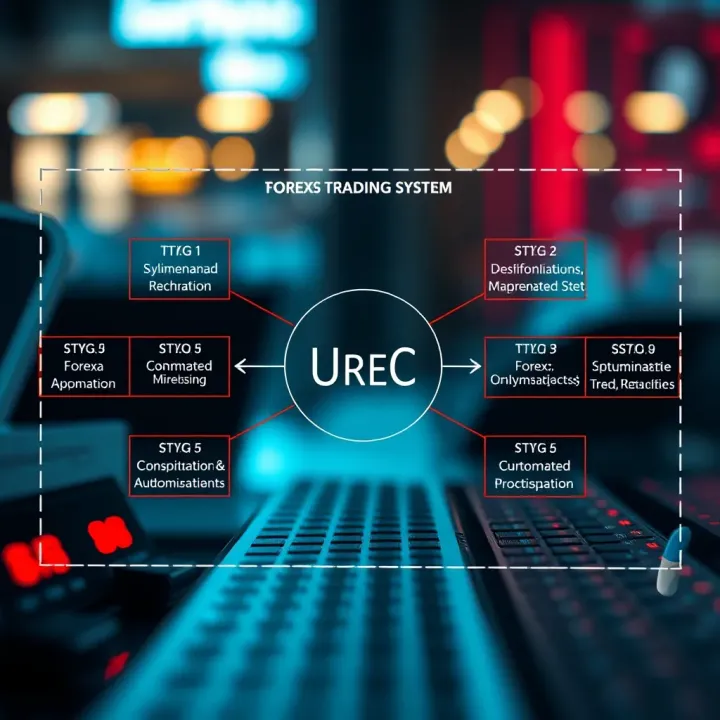
📈 Explore how forex trading systems work, their types, and key components. Get tips on risk management and choose or build your ideal strategy for success.

Discover how forex trading wallpapers 🎨 influence your focus and workspace 🖥️. Tips on picking the right images 📷 for traders in South Africa 🇿🇦.

Explore forex trading in Yokohama 🇯🇵 with insights on local brokers, regulations, and strategies tailored for this market. Trade smart and stay informed 💹
Based on 12 reviews