

Forex Trading Tax Basics in South Africa
📊 Learn how forex trading is taxed in South Africa: key rules, individual vs company trading, deductions, record-keeping & SARS compliance tips.
Edited By
Charlotte Hayes
Binary options trading has grown in popularity among South African traders seeking quick returns. However, many overlook the important aspect of tax compliance, which can lead to costly penalties if handled incorrectly. Understanding how the South African Revenue Service (SARS) treats income from binary options is essential for every trader.
In simplest terms, SARS regards profits from binary options as taxable income, often categorised under trading or investment income depending on your level of involvement. For example, if you trade binary options frequently and treat it like a business, your earnings may be classed as business income, attracting different tax rules than if you trade occasionally as an investor.

Remember: SARS expects full disclosure of all income streams, including those from online and offshore trading platforms. Failure to declare your binary options profits is seen as tax evasion and can lead to fines or prosecution.
Traders should note that tax rates applicable to their binary options profits align with their overall taxable income. South Africa uses a progressive tax system with rates up to 45% for the highest earners. Additionally, if you trade through a registered company or as a sole proprietor, the tax treatment and reporting requirements differ.
Key points to keep in mind:
Who Must Pay Tax: Any individual South African tax resident earning profits from binary options, whether from local or international platforms.
Type of Income: Usually classified as either business income or capital gains, depending on trading frequency and intent.
Reporting Obligation: Declare your profits annually with your income tax return, supported by detailed records.
Penalties: Non-compliance can result in hefty penalties, including interest on unpaid tax and legal action.
For instance, a trader using international binary options platforms like IQ Option or Nadex needs to convert profits to Rand and declare these in the annual SARS tax return. Keeping detailed records of trades — dates, amounts, and outcomes — will help substantiate your declared income.
Being proactive about your tax reporting on binary options trading not only keeps SARS off your back but also builds sound financial habits moving forward. This article will break down the details you need to get it right, from defining income type to handling tax rates and reporting steps.
Understanding what binary options are and how they operate is fundamental for traders and investors, especially when considering tax implications in South Africa. Binary options trading is a type of financial speculation with fixed risks and payouts, often attracting interest due to its simplicity and potential for quick returns. However, grasping the basics and the legal landscape is crucial to avoid unexpected surprises from SARS.
Definition of binary options: Binary options are financial contracts where the payout is either a fixed amount or nothing at all, depending on whether the underlying asset meets a specific condition at expiry. Think of it like a bet on whether a share price, an index, currency pair, or commodity will rise above or fall below a certain level within a set timeframe. For example, you could buy a binary option predicting that the price of the JSE Top 40 ETF will be above R80 per share in the next hour. If it is, you get your agreed-upon return; if not, you lose your initial stake.
This simplicity makes binary options appealing as you know upfront what you stand to gain or lose. The trade outcome boils down to a yes/no scenario rather than complex calculations or partial profits.
How binary options function as financial instruments: These options function similarly to traditional options but with predefined risk-reward scenarios. Because binary options expire in short periods, ranging from minutes to days, they provide quick feedback on trading decisions. They are not about owning the underlying asset but guessing its price movement.
In South Africa, trading binary options usually happens through online platforms that offer various assets like forex, shares, indices, and commodities. The trader makes a fixed investment per option and waits for the outcome. This setup allows individuals with smaller capital to participate in financial markets, but it comes with a higher risk profile due to the all-or-nothing nature.
Regulatory framework: In South Africa, binary options trading is governed under the broader financial regulation umbrella. The activity itself is legal if offered by entities authorised and registered with the Financial Sector Conduct Authority (FSCA). However, caution is necessary as various unregulated brokers claim to offer these services, leading to potential scams or fraudulent schemes.
The FSCA has issued warnings against unlicensed providers and emphasised that only approved financial services providers (FSPs) can legally offer binary options in South Africa. Traders should verify a platform's FSCA registration before investing.
Role of the Financial Sector Conduct Authority (FSCA): The FSCA plays a crucial role in overseeing and regulating binary options trading to protect consumers and maintain market integrity. It monitors compliance, investigates complaints related to misconduct, and issues directives to clamp down on illegal operators.
For traders, the FSCA's oversight means some level of assurance that their investments on regulated platforms comply with South African financial laws and that they have recourse if issues arise. The FSCA also provides resources and guidance to educate the public about the risks associated with binary options trading.
Keep in mind that while binary options offer an accessible way to engage financial markets, their speculative nature and regulatory nuances require you to stay informed and cautious. Verifying broker legitimacy and understanding how these instruments work are first steps towards wise trading and tax compliance.
In short, knowing what binary options really are and the role of South African regulations helps set a solid foundation for navigating your tax duties and protecting your investments.
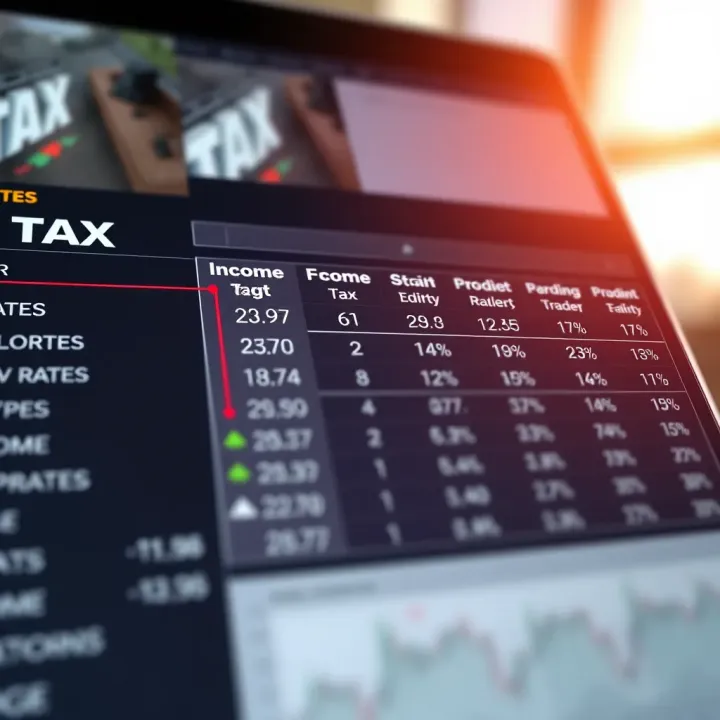
Understanding how taxable income from binary options trading is classified and treated under South African tax law is essential for staying on the right side of SARS. This section explores how earnings from trading are viewed, helping traders know what income to declare and how it affects their tax responsibilities.
In South Africa, the distinction between income and capital gains greatly impacts tax treatment. Earnings from binary options can either be seen as trading income or capital gains, depending on the nature of the activity. Income from trading is taxed fully as part of your normal taxable income, while capital gains are subject to a lower effective rate through capital gains tax (CGT). For example, if you're actively buying and selling binary options regularly, SARS is more likely to consider your profits as income rather than capital gains.
This classification matters because active trading often counts as a business activity, whereas investing implies a more passive approach. When trading actively — say, making multiple binary option trades daily over several months — SARS expects you to report profits as taxable income. In contrast, if a person buys a position occasionally and holds it for some time, treating it more like an investment, the profit might fall under CGT rules.
Profits from successful binary options trades are generally treated as ordinary income and included in your taxable earnings for the year. This means you pay tax on gains at your applicable marginal rate, which can range from 18% to 45% depending on your total income bracket. For instance, if you earn R50,000 net from binary options trading, this amount will be added to your other income and taxed accordingly.
Importantly, SARS expects traders to declare all earnings — not just the wins but the net outcome after accounting for trade losses. Even if your wins and losses offset, you must report the full trading activity to provide a clear picture of your taxable income.
Keep detailed records of every trade's result to ensure you can justify your declared income and avoid unnecessary penalties.
Profits from binary options usually form part of your gross income, so they should be included when completing your annual tax return. SARS views these earnings not as casual windfalls but as part of your comprehensive financial income. Therefore, failure to declare such profits can lead to penalties or interest on underreported income. Precise reporting helps maintain compliance and avoids complications during SARS audits.
Overall, knowing how SARS classifies your binary options earnings helps you assess tax obligations realistically, plan your filings, and secure peace of mind during tax season.
Trading binary options in South Africa comes with tax obligations that traders must recognise and fulfill. Declaring your earnings to the South African Revenue Service (SARS) is not just a good practice—it’s required by law if you make taxable profits from trading. Understanding when and how to report these earnings helps you avoid penalties and keeps your tax affairs in order.
You need to declare binary options earnings if your profits surpass certain thresholds set by SARS or if you engage in trading frequently enough to be considered an income source rather than an occasional investment. SARS does not set a unique threshold specifically for binary options, so general trading income is treated the same as other income streams. Usually, any taxable income, no matter the amount, should be included in your tax return.
Reporting deadlines align with the annual tax return cycle. Typically, individual taxpayers must submit returns by 31 October each year, or later if using SARS's eFiling system. Missing this timeline can trigger interest or penalties, so mark your calendar and prepare your documents early enough.
Binary options trading generates taxable events primarily when you realise profits—meaning when you close winning trades. For instance, if you open a call or put option and it ends in the money, the positive return you receive counts as taxable income. Losses on trades, while unfortunate, may offset gains but do not exempt you from declaring net profits.
Keeping detailed records of your trades is essential. SARS expects taxpayers to substantiate their declared income, especially when it involves active trading or complex instruments like binary options. Without accurate records, you risk an audit with little backing for your declared figures, which can lead to penalties or reassessments.
Ideal documentation includes:
Trade history statements from your trading platform, showing dates, types of options traded, amounts wagered, and results
Bank statements evidencing the flow of funds linked to trading activity
Correspondence with brokers or platforms, including fee breakdowns or confirmations
Maintaining digital copies organised by date or trade helps when filling out your tax return. Also, even though you can rely on electronic records, it never hurts to have backups stored offline or in secure cloud services. This attention to record-keeping makes your SARS submissions smoother and keeps you prepared if SARS asks for proof.
Accurate and timely declaration of binary options income, backed by solid records, safeguards your tax compliance and prevents costly headaches with SARS.
By adhering to these obligations and procedures, you’re ensuring your trading remains not just profitable but also above board in South Africa's tax eyes.
Grasping tax rates and permissible deductions is key to managing your tax bill from binary options trading effectively. Knowing how SARS taxes your earnings ensures you budget appropriately and avoid nasty surprises when it comes to paying tax. Plus, claiming relevant deductions can reduce your taxable income, which means you keep more of what you earn.
South African Revenue Service (SARS) applies a progressive tax system. That means the more you earn, the higher rate you pay on the additional income. For the tax year 2023/24, individual tax rates start at 18% for annual taxable income up to R237,100 and increase through several brackets up to a top marginal rate of 45% for income above R1,731,600.
Binary options profits are often treated as taxable income, not capital gains. So, your earnings get added to your other income sources — like your salary or other trading profits — and taxed accordingly. For example, if your total income including binary options winnings is R600,000 for the year, SARS will apply the corresponding marginal rate for that bracket, which is 31% for income between R414,700 and R577,100 and then 36% for the amount exceeding R577,100.
Some factors influence your effective tax rate beyond these brackets. Medical aid contributions, retirement annuity fund payments, and allowable deductions can reduce your taxable income. On the other hand, if binary options trading forms your main source of income, SARS may consider you a trader running a business, with additional tax obligations and potential provisional tax submissions.
You may deduct legitimate trading-related expenses from your taxable income to lighten your tax load. Relevant costs include internet and data costs, a portion of your cellphone expenses if used for trading, financial journal subscriptions, and trading platform fees. Suppose you spend R5,000 on data packages specifically for accessing brokers' platforms and analysing trading signals — this amount could be deducted.
However, not all costs qualify. SARS requires that expenses be directly linked to generating taxable income to qualify. Personal costs or those not directly related can't be offset. Plus, it’s wise to keep meticulous records and receipts of these expenses because SARS may request proof during an audit.
Tip: Keep a dedicated folder or digital archive of all trading-related expenses. Good records make claiming deductions straightforward and help avoid headaches.
In short, understanding how tax rates apply and which costs you can claim helps control your after-tax earnings from binary options trading. That knowledge keeps your finances cleaner and your tax matters well organised.
Navigating tax compliance for binary options trading can be tricky in South Africa, especially because SARS keeps a close eye on unreported income from these relatively under-the-radar financial activities. Many traders underestimate the risk of non-compliance or fail to maintain proper records, which can lead to hefty penalties and audits that disrupt one’s financial standing. Understanding common pitfalls and how to avoid them saves both time and money, while also reducing stress.
Failing to declare profits from binary options trading, or underreporting income, can trigger fines and interest penalties by SARS. These charges can escalate quickly, particularly if SARS views the offence as wilful or negligent rather than accidental. For example, a trader who forgets to report R50,000 earned over a tax year might face an initial penalty of 10% of that amount, with interest accruing on top until the debt is settled. The longer the delay, the worse it gets, sometimes doubling the original tax liability.
An audit can follow if SARS suspects underreporting or discrepancies in your tax return. This process can be intrusive and time-consuming, with auditors demanding detailed trade records, bank statements, and communication with brokers. Besides the obvious financial risk from adjustments or penalties, audits can disrupt daily life and business operations. For example, if SARS picks up inconsistencies in your binary options reporting, you may have to provide proof of every trade dating back several years, which is a hassle without proper documentation.
Getting help from a tax professional with experience in trading income is one of the smartest moves for binary options traders. These experts understand SARS’s approach and can help you classify income correctly, claim legitimate expenses, and submit accurate returns. Even small errors can raise red flags, so a consultant’s eye can prevent costly mistakes. For instance, a financial advisor might spot that a trader can deduct certain platform fees or data costs, reducing taxable income fairly.
SARS eFiling provides a user-friendly platform for submitting returns and tracking your tax status. Traders should upload trade statements and keep digital copies of all relevant documents. This not only helps when filling in returns but also serves as a backup in case of audits. Other tools like budgeting apps or spreadsheet trackers can help maintain a clear overview of profits, losses, and expenses throughout the year—making tax time much less stressful.
Keeping accurate records and staying proactive with SARS’s systems is your best defence against penalties and audits. It pays to plan ahead and keep everything above board.
In short, understanding these compliance challenges ensures you keep your trading profits safe from avoidable tax troubles. Plan your tax approach carefully, keep sound records, and consult an expert when in doubt to stay secure with SARS.
📊 Learn how forex trading is taxed in South Africa: key rules, individual vs company trading, deductions, record-keeping & SARS compliance tips.

💰 Learn how forex trading is taxed in South Africa. Discover tax rules, record keeping, expenses, and common mistakes to avoid for traders.

📊 Learn how forex trading profits are taxed in South Africa 🇿🇦, essential record-keeping tips, who must pay tax, and how to stay SARS compliant 📈💼

🔍 Learn how to spot legitimate binary options platforms in South Africa 🇿🇦. Stay safe by understanding scams, regulations, and smart trading tips.
Based on 14 reviews