

Effective Forex Trading Strategies for Steady Gains
Discover practical forex trading strategies 📈 for steady success. Learn risk management, analysis techniques, and tips to adapt in any market.
Edited By
Henry Collins
Forex trading can feel like a tough nut to crack, especially with so many strategies flying around. But the truth is, consistent success hinges on applying a few solid principles that are both practical and tested over time. This section sets the stage for traders and analysts keen to navigate the forex market with a sharper edge, particularly in the South African environment where currency dynamics can be quite unique.

South Africa’s rand (ZAR) is known for its volatility influenced by local economic factors like commodity prices, political developments, and Eskom's power challenges. Traders need to keep an eye on these as they often lead to sharp currency moves. For instance, unexpected loadshedding stages can spark short-term rand weakness, while solid trade surplus reports might support the currency.
Effective forex trading rests on three pillars: technical analysis, fundamental analysis, and risk management.
Technical Analysis: Use charts and indicators such as moving averages, RSI (Relative Strength Index), and Fibonacci retracements to identify entry and exit points. For example, spotting a confluence between a support zone and an RSI indicating oversold conditions can give a good entry signal.
Fundamental Analysis: Monitor economic data releases, interest rate decisions by the South African Reserve Bank (SARB), and global influences like the US Dollar index movements. Understanding geopolitical events and trade relations, especially with major partners like China, can offer a clue to currency direction.
Risk Management: Never risk more than you can afford to lose. A common rule is to cap exposure to 1-2% of your trading capital per trade. Using stop-loss orders is essential to limit losses during unexpected market swings.
Successful forex traders treat trading like a business: with clear rules, discipline, and a constant eye on managing risk.
Here are actionable tips to get started:
Keep a trading journal to reflect on decisions and outcomes.
Use a demo account on platforms like IG or Plus500 to test strategies without risking real money.
Stay updated with local news — unexpected political developments or economic decisions can shift the rand hard and fast.
Adhere strictly to your risk limits; don’t chase losses.
In the next sections, we’ll break down each strategy in detail with concrete examples tailored to trading the rand and other major currency pairs relevant to South African investors.
Gaining a solid understanding of the basics behind forex trading sets the stage for any successful strategy. Without knowing how the market operates and the forces that influence currency prices, traders often fly blind and risk heavy losses. This section breaks down essential elements that every trader should grasp, particularly for those trading from South Africa where local factors can add extra layers of complexity.
Forex trading always involves pairs of currencies, such as the USD/ZAR (US dollar versus South African rand). When you buy one currency, you simultaneously sell the other. The price quoted reflects how much of the quote currency you need to acquire one unit of the base currency. Traders focus on currency pairs because their values fluctuate depending on supply and demand, economic news, and global events.
Understanding the nature of these pairs is practical for timing trades. For example, the rand often reacts sharply to South African Reserve Bank (SARB) interest rate announcements or Eskom load shedding reports, affecting USD/ZAR or EUR/ZAR continuously during those moments.
The forex market operates 24 hours but isn't uniformly active throughout the day. It opens from Sunday 9 pm SAST to Friday 9 pm SAST, covering four main sessions: Sydney, Tokyo, London, and New York. For South African traders, the London session (starting at 8 am SAST) is usually the most active and liquid, coinciding with local trading hours.
Knowing when these sessions overlap can highlight periods of higher volatility and tighter spreads — good opportunities to trade. For instance, the overlap between London and New York sessions (3 pm to 5 pm SAST) often sees increased activity, impacting currency pairs involving the rand.
Leverage lets you control larger forex positions with a smaller amount of your own capital (margin). For example, a 1:100 leverage means you can trade R1,000 for every R10 of your funds. While this boosts potential profits, it magnifies losses equally, which can quickly wipe out your trading account if you’re not careful.
South African brokers typically offer regulated leverage limits for retail traders to protect them from excessive risk. It's vital to understand how margin calls work and never overextend your account. Using conservative leverage ratios and solid risk management will help preserve your capital over time.
Currency values respond strongly to economic data. Indicators like GDP growth, inflation rates, unemployment figures, and trade balances give insights into the health of an economy. For South African traders, watching SARB’s inflation reports or the quarterly GDP release can guide decisions on the rand’s short to medium-term direction.
For example, stronger-than-expected inflation might signal an interest rate hike by SARB, often supporting the rand. On the flip side, weak GDP growth might trigger selling pressure on the currency.
Politics are often unpredictable but have a direct impact on currency stability. Election cycles, policy shifts, strikes affecting key sectors (like mining or transport), or geopolitical tensions can spook markets. South Africa's exposure to domestic political issues or international trade disputes can lead to sudden rand volatility.
Traders who follow political developments closely stand a better chance of anticipating when the market might spasm. For instance, during major ANC party conferences or budget announcements, volatility often picks up.
Beyond fundamentals, market mood drives currency movements. Sentiment reflects traders’ collective psychology: fear, greed, optimism, or pessimism. If the overall mood is risk-averse, investors tend to dump emerging-market currencies like the rand and flock to safe havens such as the US dollar.
Identifying prevailing trends—whether bullish or bearish—through price action or sentiment indicators helps traders position themselves accordingly. Momentum plays a key role here; once a trend builds, it often continues until a clear reversal signal appears.
Solid forex trading depends on understanding these foundational elements. This knowledge helps you interpret market behaviour, choose the right times to trade, and manage risks better, especially in South Africa's unique trading environment.
By focusing on currency pairs, market hours, leverage, and the key drivers of currency shifts, traders can approach forex with greater confidence and improved chances of consistent success.

Picking the right forex trading strategy is key to making consistent profits rather than chasing quick wins or suffering big losses. A solid strategy gives you a plan to navigate the ups and downs of the market, helps control emotion-driven decisions, and allows you to adapt to different conditions. For South African traders, this means considering local market times and rand volatility while applying approaches tested worldwide.
Using chart patterns and price action involves reading historical price movements to predict future trends. Traders spot formations like head and shoulders, double tops, or flags, which often signal potential reversals or continued trends. For example, seeing a clear bullish engulfing candle after a downtrend might suggest a buying opportunity. Price action is valuable because it strips away complicated indicators and focuses on raw market behaviour, which can be quite straightforward during volatile rand sessions.
Popular indicators: Moving averages, RSI, MACD help smooth out price data and highlight momentum or trend changes. Moving averages create a line reflecting average prices over set periods—for instance, the 50-day moving average shows recent price direction. RSI (Relative Strength Index) indicates when a currency pair might be overbought or oversold, useful in spotting potential reversals. MACD (Moving Average Convergence Divergence) gives insight into trend strength and momentum shifts. These indicators can serve as early warnings or confirmations alongside visual patterns.
Timeframes and their impact on strategy matter a lot. Scalpers might look at 1-minute or 5-minute charts, seeking quick entries and exits during short spikes, suitable for markets like USD/ZAR when liquidity is high. Swing traders, on the other hand, may focus on daily or 4-hour charts to capture medium-term moves, often using technical setups prepared over several days. Your choice of timeframe should match your availability, risk tolerance, and style.
Analysing economic reports and news releases ties directly to currency movement. For South African traders, data like GDP growth, employment stats, or trade balances can cause sharp rand shifts. Watching when Statistics South Africa releases data or following global reports from the IMF and World Bank helps anticipate major moves. Quick reactions to this information can separate winners from losers.
Understanding interest rate decisions by SARB and others is crucial since rates affect currency demand. The South African Reserve Bank (SARB) meetings often shape rand performance. Hikes may strengthen the rand, attracting investors seeking yield, while cuts can weaken it. Internationally, central banks like the US Federal Reserve or European Central Bank also influence global trends, impacting pairs common in South African forex trading, such as USD/ZAR or EUR/ZAR.
Assessing global economic events broadens your view—things like geopolitical tensions, commodity price shifts (think platinum or gold), or trade conflicts can send ripples through the forex market. For instance, Eskom’s impact on economic activity can indirectly affect the rand, as can international sanctions or agreements. Keeping an eye on such events helps you adjust strategies accordingly.
Merging technical signals with fundamental insights provides a well-rounded approach. Technical tools can fine-tune entry and exit points while fundamentals establish whether the broader conditions support the trade. For example, if technicals indicate an uptrend in USD/ZAR but SARB signals a potential rate cut, you might delay a buy decision or tighten stops.
Examples of integrated trading setups could include waiting for a chart pattern to complete after a major economic report confirms the underlying trend. Suppose a positive South African GDP print is followed by a bullish breakout above resistance with strong volume and confirming MACD signals, that setup offers higher confidence. Combining approaches helps avoid false signals and sharpen timing.
A trading strategy that combines both technical analysis and fundamental awareness gives the best shot at consistent success in the often unpredictable forex market.
Choosing a strategy that fits your style, time commitment, and risk appetite—and grounding it in both price behaviour and economic realities—sets you on the right path to becoming a disciplined, successful forex trader.
Managing risk is not just a side consideration for forex traders—it’s the backbone of consistent success. Without proper risk controls, even the best strategies can crumble. Protecting your capital ensures that you stay in the game long enough to benefit from favourable market moves, especially when trading the often unpredictable forex market.
Setting stop losses and take profits is a fundamental tactic for risk control. A stop loss automatically closes your trade if the currency price moves against you beyond a certain point, limiting losses before they balloon. For example, if you buy USD/ZAR at R15 and set a stop loss at R14.80, your maximum loss is fixed, preventing a deep hit on your account if the rand unexpectedly strengthens. Take profits work the same way but lock in gains once the price reaches your target. This mechanical approach stops emotional decisions during volatile market swings.
Position sizing relative to capital means adjusting the amount you risk per trade according to your total trading funds. If you have a R50,000 trading account, risking 2% per trade means your maximum loss on any position is R1,000. This limits damage from a series of losses, preventing rapid depletion of your funds. It also works alongside stop losses to maintain a sustainable trading approach. Larger positions increase potential rewards but come with higher danger, so matching position size to your risk tolerance is critical.
Avoiding overtrading and revenge trading protects your mental and financial health. When traders lose, the temptation to quickly jump back in and recover can cause impulsive trades without proper analysis – revenge trading. Overtrading wears down focus and often results in mounting losses. For example, after a tough session, a trader might open numerous risky positions off the cuff, hoping to bounce back fast, only to worsen losses. Recognising these urges and pausing to re-evaluate preserves capital and keeps your strategy disciplined.
Considering exchange rate volatility of the rand is vital when managing risk locally. The rand often reacts sharply to domestic political shifts, commodity prices, and global risk sentiment. Sudden swings can trigger stop losses or drastically alter profit prospects. For instance, Eskom's load shedding announcements or unexpected SAB president speeches can push ZAR sharply weaker. Traders need wider stop loss margins or more conservative position sizes during these times to cope with the rand’s swings.
Market conditions during volatile local events like elections, Budget speeches, or global shocks require extra caution. Such periods cause abrupt price moves outside normal patterns. The 2019 South African national elections, for example, saw spikes in rand volatility, catching many traders off guard. Expecting quiet markets around these events is risky; instead, adjusting trading frequency and size or stepping aside temporarily can save losses.
Broker selection and regulatory compliance should never be overlooked. South African traders must use brokers licensed by the Financial Sector Conduct Authority (FSCA) to ensure fair treatment and fund safety. Reliable brokers minimise the risk of slippage, requotes, or unfair practices which eat into your capital. Furthermore, access to local payment methods reduces delays and fees, helping you manage your capital effectively.
Effective risk management is your forex safety net. It guards your capital, reduces emotional pitfalls, and adapts to South African market realities, giving you a better chance to succeed consistently.
By understanding and applying these risk management principles, you safeguard your trading journey against the unpredictable and often harsh forex environment.
A trader’s mindset is often overlooked, yet it plays a vital role in achieving consistent success in forex. You can have the best strategy, but without the right mental approach, sticking to it through tough patches is tough. Developing the right mindset means managing emotions, setting realistic expectations, and maintaining discipline. This approach helps you navigate the market’s ups and downs without getting derailed by fear, greed, or impatience.
Losses are part and parcel of forex trading — no one escapes them. Accepting this reality is crucial. Instead of seeing losses as personal failure, view them as a natural element of trading that offers learning opportunities. For instance, a trader might lose on a rand/dollar trade due to unexpected political news causing volatility. A reaction based on frustration can lead to rash decisions, but a calm analysis helps refine strategy for future trades.
Managing expectations also matters. New traders often expect quick riches, but forex demands time and effort. Setting realistic goals helps you stay grounded and avoid chasing unrealistic profits that promote reckless behaviour. It’s better to aim for steady, small gains that accumulate over time.
Fear and greed can cloud judgement and lead traders astray. Fear may cause premature exits from good trades, while greed tempts one to chase profits beyond safe limits. For example, fearing loss might prompt you to close a position early in the rand/euro market before reaching your planned target.
Overcoming these emotions requires awareness and practice. Many successful traders use predefined entry and exit points, limiting emotional interference. This way, they stick to their plan regardless of the market’s noise.
Discipline means following your trading plan consistently, even when the market tempts you to deviate. Patience is waiting for the right setup instead of forcing trades out of boredom or FOMO (fear of missing out).
A disciplined trader respecting patience might skip trades during loadshedding interruptions or unreliable internet, avoiding impulsive decisions that could cost more in the long run.
Recording your trades in a journal helps you track what worked and what didn’t. Note factors like entry and exit points, market conditions, emotions felt, and outcomes. Over time, this habit reveals patterns—both in the market and your behaviour—allowing smarter decision-making.
For example, you might notice your trades perform best during Asian market hours or after certain economic announcements, guiding you to trade smarter next time.
Clear, attainable goals give your trading focus and purpose. Rather than vague aims like “make money,” aim for measurable targets: a specific monthly return or limiting losses to a set percentage. This clarity helps in planning your trades and managing risk.
Goals should evolve as you gain experience. Starting with modest goals avoids burnout and maintains motivation.
No trading strategy works forever. Market conditions change with new economic data, regulations, and events. Reviewing your results regularly and adjusting your approach keeps you in sync with the market.
If you find your current method underperforming during the rand's volatility due to local elections, consider integrating fundamental analysis to better anticipate swings. Being flexible rather than rigid protects your capital and boosts long-term success.
A solid trading mindset combined with disciplined routines and continuous learning lays a foundation many traders neglect but few can ignore for consistent gains.
Starting strong in forex trading requires more than just picking a strategy. The practical steps to get going play a big role in avoiding rookie mistakes and setting a solid foundation for consistent success. This includes choosing the right broker and platform, testing your approach thoroughly, and staying educated as markets shift.
Before opening an account, it’s wise to check if the broker is properly regulated. In South Africa, look for brokers licensed by the Financial Sector Conduct Authority (FSCA). This ensures they meet local regulatory standards, protecting your money and personal information. An FSCA-registered broker must adhere to strict rules on client fund segregation and transparent fees, so you won’t wake up to an unexpected hole in your account or trouble withdrawing your funds.
Using local payment options can simplify deposits and withdrawals. Brokers supporting popular South African methods like EFT (electronic funds transfer), instant EFT services, and even card payments make it easier and faster to move your money. This is crucial for reacting quickly to market opportunities or pulling funds out without long delays or excessive fees. If you rely on international methods only, you might face delays or unfavourable exchange rates, eating into your available capital.
Your chosen trading platform must support the tools your strategy depends on. For example, if you use indicators like RSI or MACD, the platform should offer these together with advanced charting options. Features such as one-click trading, automated alerts, and easy order placement can make a difference when markets move fast. Popular platforms like MetaTrader 4, MetaTrader 5, or TradingView are widely used because of their flexibility and extensive features.
A demo account gives you a risk-free space to test your strategy with virtual funds. Take it seriously by simulating real trading conditions, including position sizes and stop losses. This practice helps you familiarise yourself with market dynamics and the mechanics of your platform without losing money.
If you prefer pencil and paper or a spreadsheet, paper trading lets you jot down trades as if they were real, tracking your decisions and outcomes. This old-school method sharpens discipline, holding you accountable to your trade rules even without technology.
Tracking and evaluating your demo results is crucial. Look beyond just the wins and losses; analyse which setups worked, where you hesitated, and if you followed your rules consistently. This review lets you spot weaknesses early, fine-tune your strategy, and avoid costly mistakes once you trade live.
Testing your strategy thoroughly before you risk hard-earned cash saves frustration and builds confidence, especially in the volatile forex market.
Keeping up to date with economic events — like SARB interest rate decisions or US job reports — is essential. Economic calendars help you spot when important data drops, so you can prepare or avoid trading during high volatility if your strategy isn’t suited for it. Trusted news channels and financial sites offer real-time analysis relevant to the rand and global currencies.
Joining South African trader groups or forums can provide useful insights and support. Speaking with others helps you learn about broker experiences, market quirks during local events, and new strategies. Networking also keeps you accountable and motivated, which is vital to staying disciplined.
Markets aren’t static. What worked in a rising rand environment might falter during loadshedding disruptions or shifts in SARB policy. Good traders adjust their tactics by reviewing performance regularly and responding to fresh trends, rather than sticking rigidly to one approach.
In short, these practical steps form the backbone of successful forex trading. They help you start safely, build your skillset, and adapt with confidence when the market throws curveballs.
Discover practical forex trading strategies 📈 for steady success. Learn risk management, analysis techniques, and tips to adapt in any market.
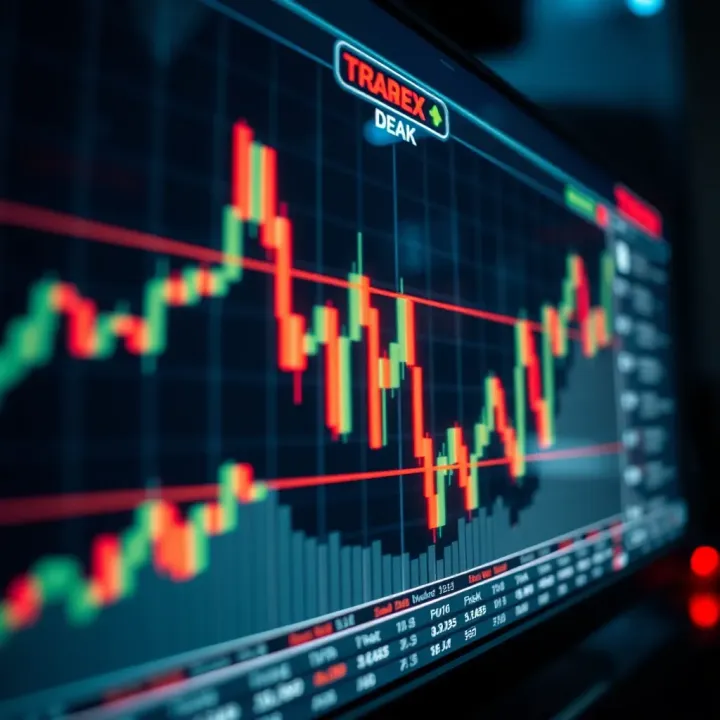
📈 Discover proven forex trading tips including smart strategies, risk control, and market analysis to boost your success and trading confidence.

Explore practical forex trading strategies 📈 for consistent success in South Africa 🇿🇦. Learn risk management, market adaptations, and essential techniques.
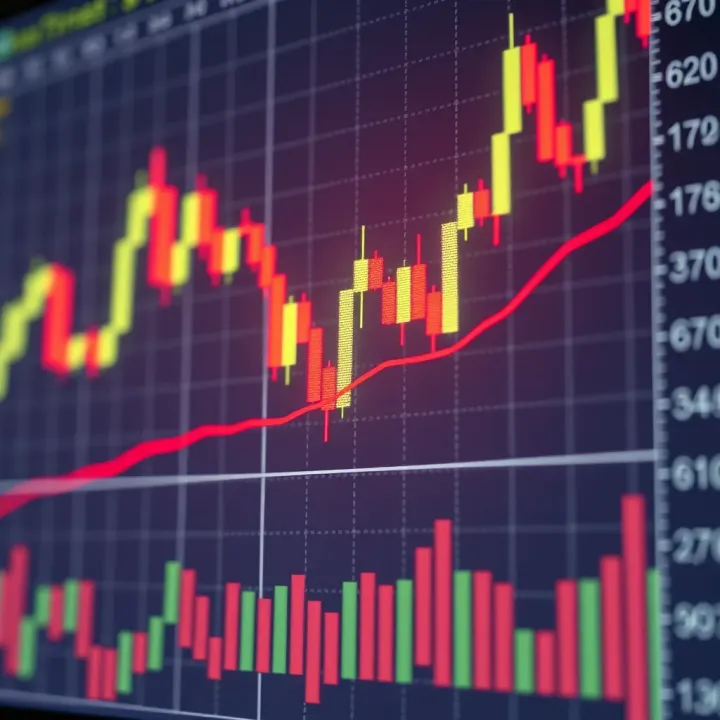
📈 Discover practical forex trading tips and strategies to boost your decisions, manage risks, and improve confidence in the markets today!
Based on 9 reviews