

Understanding Forex Trading Sessions
🌍 Learn how different Forex trading sessions affect market moves and volatility. Master session timing to sharpen your trading skills and manage risks better.
Edited By
Henry Lawson
Forex trading, or foreign exchange trading, allows individuals and institutions to buy and sell currencies in a global marketplace. In East London, South Africa, this form of trading has gained traction among investors looking to diversify portfolios beyond rand-based assets.
The market operates 24 hours a day during weekdays but much of the action occurs when major economies are open, including London, New York, and Tokyo. Currency pairs like USD/ZAR (US dollar against South African rand) are particularly relevant to local traders, given the rand’s susceptibility to domestic economic factors and global influences.
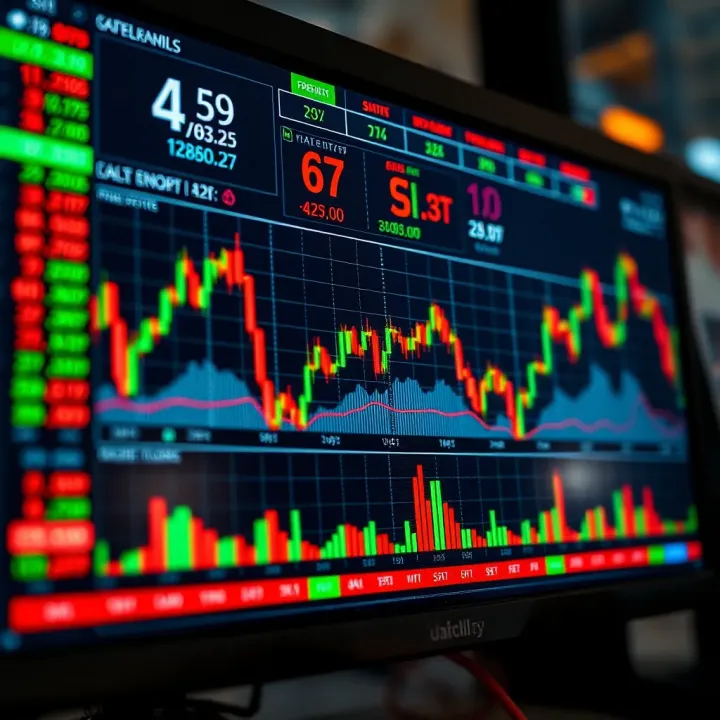
South African traders in East London face unique considerations. Factors like Eskom loadshedding stages can disrupt internet connectivity and power supply, affecting trading times and platform reliability. Many rely on mobile data packages that can be costly depending on the provider and data consumption.
Importantly, forex trading here comes under the watchful eye of the Financial Sector Conduct Authority (FSCA), ensuring brokers comply with regulatory standards. This protects traders from scams but also requires due diligence when selecting a broker—whether local or international.
Trading forex isn’t a guaranteed way to make money; it demands careful strategy, proper risk management, and a good understanding of both market dynamics and local economic conditions.
Beginners often start with demo accounts offering virtual funds for practise without financial risk. This hands-on approach familiarises traders with software functions, order types like market and limit orders, and how leverage amplifies both profits and losses.
In this guide, we'll break down key elements South African traders in East London should know—from choosing compliant brokers and reading market signals, to managing risk against local challenges like load shedding interruptions and data costs. The goal is to provide a practical footing for anyone wanting to engage in this fast-paced market with a clear understanding of the realities involved.
Understanding forex trading basics is the foundation for anyone keen to navigate this market confidently. East London, with its growing interest in financial markets, offers a fertile ground for South Africans wanting to engage in currency trading. This section sets the stage by explaining essential concepts like the forex market structure, trading sessions, and key terms, tailored specifically for locals.
Forex trading involves buying one currency while selling another; this is why currencies are quoted in pairs, such as the USD/ZAR (US Dollar/South African Rand). The value changes reflect how much one currency is worth compared to the other. For a trader in East London, understanding how the rand moves against major currencies helps in making informed trading decisions that can protect investments or open new opportunities.
Forex trading happens 24 hours a day during weekdays, but activity fluctuates with different global sessions: Asian, European, and American. Each session has its peak hours, influenced by local market openings in financial hubs like London or New York. East London traders need to know these timings to plan their trades around higher liquidity periods, reducing spreads and increasing chances of executing trades at favourable prices.
Before diving in, beginners should get familiar with terms like "spread" (the difference between buying and selling price), "leverage" (borrowing capital to increase trade size), and "pips" (the smallest price change in a currency pair). Knowing these not only helps in reading charts and broker platforms but also plays a part in risk management strategies.
East London is benefiting from better access to fintech solutions, with mobile banking apps and digital payment methods becoming more widespread. These technologies allow traders to fund accounts and manage trades on the go, even during loadshedding hours, provided they've planned with reliable backup power. For instance, a local trader might use FNB’s app alongside a Telkom fibre connection to stay connected to the market.
Platforms like MetaTrader 4 and 5, plus newer ones supported by South African brokers such as IG and Plus500, offer intuitive interfaces, real-time data, and automated trading options. The availability of these tools on mobile and desktop makes forex trading accessible for East London users who may not have physical access to financial districts.
There’s a growing network of local traders sharing tips through online forums, WhatsApp groups, and occasional meetups in East London. This sense of community helps beginners avoid common pitfalls and learn from experienced traders who understand South Africa's unique economic backdrop, including how rand volatility often ties to local political events and commodity prices.
Getting to grips with these basics in the context of East London gives traders a significant edge. It’s not just about understanding forex globally, but applying that knowledge locally, with practical tools and a community at hand.
Understanding the local regulatory and legal environment is a key step for forex traders in East London. This knowledge keeps you on the right side of the law and helps you avoid costly mistakes, like falling prey to unlicensed brokers or mishandling your tax obligations. Getting a grip on how things work in South Africa ensures you trade confidently and within clear boundaries.
The FSCA monitors financial services providers in South Africa, including forex brokers. Before trading with any broker, confirm that they hold FSCA approval. This means they've met specific standards like capital requirements, operational transparency, and fair treatment of clients. Local FSCA-registered brokers offer a layer of protection, making it easier to seek recourse if problems arise. For instance, a trader who unknowingly signs up with an unregistered offshore broker may find it difficult to recover funds or address complaints.
South Africa has seen its share of forex scams, where fraudulent firms lure traders with promises of quick profits. The FSCA actively offers warnings about such entities and maintains a public list of unregistered companies. Staying informed of FSCA alerts helps traders avoid shady operations. Also, genuine brokers typically provide clear contract terms and regular statements, which can help you spot red flags early. If a broker pressures you for money or guarantees returns, that's a big warning sign.
Forex trading profits are viewed as taxable income by SARS. Whether forex activities qualify as a business or investment income depends on your trading frequency and intent. Regular traders treating forex as their main income should register for tax and declare gains accordingly. Losses can sometimes offset profits but it's wise to keep detailed records. For example, a part-time trader marking occasional wins must still declare the income in their annual tax return to avoid trouble later.
South Africa's Reserve Bank regulates foreign currency flows under the Foreign Exchange Control Regulations. Sending large sums offshore or transferring forex profits may trigger reporting and approval requirements. For traders moving funds between South Africa and overseas brokers, it's vital to comply with these rules to avoid penalties or fund seizures. Keeping transactions transparent and within set limits means you won't get caught out. If unsure, consulting a tax advisor or forex-specialised accountant familiar with these controls pays off.
Staying on top of FSCA rules and tax laws isn't just bureaucratic hassle—it actually protects your investments and smoothens your trading experience. The key is to trade boldly but within the guardrails laid out by South African authorities.
By understanding how FSCA oversight safeguards you, managing your tax duties properly, and respecting forex control regulations, you'll navigate East London's trading scene much more confidently and securely.
Picking the right forex broker is a critical step for anyone in East London wanting to trade currencies effectively. A broker isn't just a middleman — they provide the platform, tools, and support you'll rely on daily. For local traders, it's about finding a broker that aligns with South African regulations, language preferences, and specific trading needs.
The Financial Sector Conduct Authority (FSCA) is South Africa's watchdog for financial services, including forex brokers. Choosing a broker with FSCA approval offers some peace of mind since they must follow strict rules designed to protect traders from scams and malpractice. For example, an FSCA-regulated broker will segregate client funds from operational accounts, making it harder to misuse your money.
Besides local regulation, global licences from authorities such as the UK's Financial Conduct Authority (FCA) or Australia's Australian Securities and Investments Commission (ASIC) can add credibility. These bodies enforce strong standards, often more rigorous than domestic ones. For East London traders, brokers with multi-jurisdictional regulation tend to have better safeguards and more transparent operations.
The trading platform is your workspace, so it must be reliable and user-friendly. Brokers often offer popular platforms like MetaTrader 4 (MT4) or MetaTrader 5 (MT5) that provide advanced charting, technical indicators, and automated trading options. These tools help you analyse currency pairs and execute trades efficiently.
Some brokers also provide proprietary platforms customised for specific strategies or mobile trading. For instance, if you need to monitor positions during load shedding periods, a mobile-friendly app with local language support might be vital. Also, ensure the platform supports demo accounts so you can practice without risking actual money.
Seamless deposits and withdrawals in South African Rand (ZAR) are essential for convenience and cost-saving. Brokers that support local payment methods like EFT (electronic funds transfer) or major South African banks (FNB, Absa, Standard Bank, Nedbank) make transactions smoother and quicker.
Some international brokers may rely heavily on foreign payment methods, which can cause delays or additional fees. Look out for brokers offering instant or near-instant ZAR deposits and withdrawals, which help you react quickly to market moves without waiting days for funds to clear.
The spread is the difference between buying and selling prices — a broker's main way to charge you. Some offer fixed spreads, which stay constant regardless of market volatility, providing predictability but sometimes at a slightly higher cost. Others offer variable spreads that can shrink during quiet market times but widen sharply during high volatility.
Commissions are separate fees some brokers charge per trade instead of or alongside spreads. For East London traders, it pays to calculate the effective cost by adding spreads and commissions together. A low spread but high commission might end up costing more, especially if you trade frequently.
Leverage lets you control larger trades with a smaller deposit. South African regulations typically limit leverage to 1:100 or lower to protect traders from excessive risk. While higher leverage might look tempting, it can quickly wipe your account if the market moves against you.
Margin requirements are the funds you must keep in your account to hold positions. Brokers with strict margin calls can close your trades earlier than expected, which affects your strategy. Understanding these rules helps you manage risk better and avoid nasty surprises during sudden price moves.
Choosing the right broker means balancing regulatory protection, useful tools, cost efficiency, and convenient payment options. For East London traders, these factors make a real difference in both everyday trading and long-term success.
Starting out in forex trading can feel like stepping into a busy market without much guidance. This section aims to give beginners in East London clear, practical advice that helps build confidence and manage risks right from the start. Given the fluctuations of the financial markets and local challenges like loadshedding affecting connectivity, having a firm grasp of how to approach trading safely and wisely is essential.
Demo accounts and virtual trading offer a great way to practise forex trading without risking your hard-earned cash. Many brokers approved by the Financial Sector Conduct Authority (FSCA) provide demo platforms that simulate real-market conditions, allowing you to test strategies and understand market behaviour before going live. For example, using a demo account on MetaTrader 4 or 5 lets you experiment with currency pairs like USD/ZAR or EUR/ZAR without worry. It’s like learning to swim in a kiddie pool before jumping into the deep end.
Using educational resources and local workshops can also give beginners a leg-up. There are many online resources tailored for South African traders, including webinars, YouTube tutorials, and free courses available through platforms like FNB’s Investwell or Stockbrokers SA. In East London, local financial literacy events or workshops provide an opportunity to ask questions face-to-face with experienced traders—something you definitely don't get online. These resources help you build a sound foundation in forex principles, chart reading, and fundamental analysis relevant to global and local economic events.
Setting stop losses and take profits is a cornerstone of managing risks in forex trading. A stop loss automatically closes your trade if the market moves against you by a certain amount, limiting potential losses. Conversely, a take profit order locks in gains when the market reaches your target price. For example, if you buy GBP/ZAR at 20.50 and expect it to rise, you might set a stop loss at 20.00 to avoid deeper losses, and a take profit at 21.00 to secure your profit. This approach prevents emotional trading decisions, which can often lead to bigger losses.
Diversifying trades to minimise exposure means not putting all your capital into one currency pair or strategy. Instead, spread your investments across different currencies or even other asset classes where possible. For instance, alongside trading USD/ZAR, you might include EUR/USD or commodities like gold as a hedge against currency fluctuations. Diversification can soften the blow when one market shifts unexpectedly, which happens quite often given South Africa’s economic ups and downs.
Starting carefully with practical tools and risk management protects your investment and helps you grow steadily as a trader in East London.
By following these practical tips, you not only build your forex trading skills but also approach the market with the caution and knowledge needed to navigate its ups and downs successfully.
Forex trading in East London brings its own set of hurdles that traders need to overcome to succeed. Addressing these challenges upfront helps you avoid costly mistakes and improves your resilience in a volatile market. Understanding the local landscape—both economic and infrastructural—can make a noticeable difference in your trading outcomes.
Understanding local economic impacts is vital for forex traders based in East London. The South African rand often reacts sharply to domestic news such as changes in interest rates by the South African Reserve Bank (SARB), budget announcements, or political developments. For example, an unexpected repo rate hike can cause the rand to strengthen quickly, affecting currency pairs like USD/ZAR or EUR/ZAR. Traders who keep an eye on economic calendars and local news can anticipate these moves better and adjust their strategies accordingly.
On the flip side, South Africa's economic challenges—like fluctuating commodity prices or escalating loadshedding stages—can spark sudden currency dips. For instance, when Eskom announces an increase to Stage 4 loadshedding, the rand sometimes takes a hit due to concerns about economic productivity. Being aware of these local triggers helps traders avoid surprises and manage their positions more cautiously.
Timing trades around global market hours is equally important. Forex is a 24-hour market, but liquidity and volatility peak at certain times. The overlap between the London and New York sessions usually offers the most active trading periods where spreads tighten, and opportunities arise. For East London traders, this means waking up early or staying up late to connect with these windows when the rand is most actively traded.
Alternatively, the Asian session offers quieter conditions but can present less volatile setups suitable for beginners wanting to avoid wild swings. Knowing when the major forex centres are open helps you plan your trading day effectively and avoid being caught flat-footed during low-liquidity hours, which often leads to slippage and unpredictable price movements.
Handling internet outages and loadshedding is a real concern in East London. Losing connection mid-trade or at a crucial market moment can be costly. Many traders have backup plans like using mobile data when landlines drop out or investing in uninterruptible power supplies (UPS) systems paired with inverters or solar solutions to bridge the gap during load shedding.
For example, a trader might miss an important stop-loss trigger due to a sudden power cut, exposing them to larger losses. Having alternative power and internet sources minimises these risks and allows continuous monitoring of market moves.
Choosing reliable mobile and broadband providers can make or break your trading setup. Providers like Vodacom, MTN, and Telkom offer different coverage quality in East London. It's wise to test several providers and consider bundling services or using dual SIM devices so you can switch networks when one falters.
Look out for data packages that offer stability and speed, not just low cost. Forex platforms demand consistent real-time updates where delays can mean the difference between profit and loss. Traders often share experiences on forums and local groups, giving invaluable heads-up on which providers currently offer the best reliability.
Preparing for technical hiccups and understanding local market influences turn challenges into manageable aspects of your forex trading journey in East London. Staying informed and equipped ensures you trade not only with skill but also resilience.
🌍 Learn how different Forex trading sessions affect market moves and volatility. Master session timing to sharpen your trading skills and manage risks better.
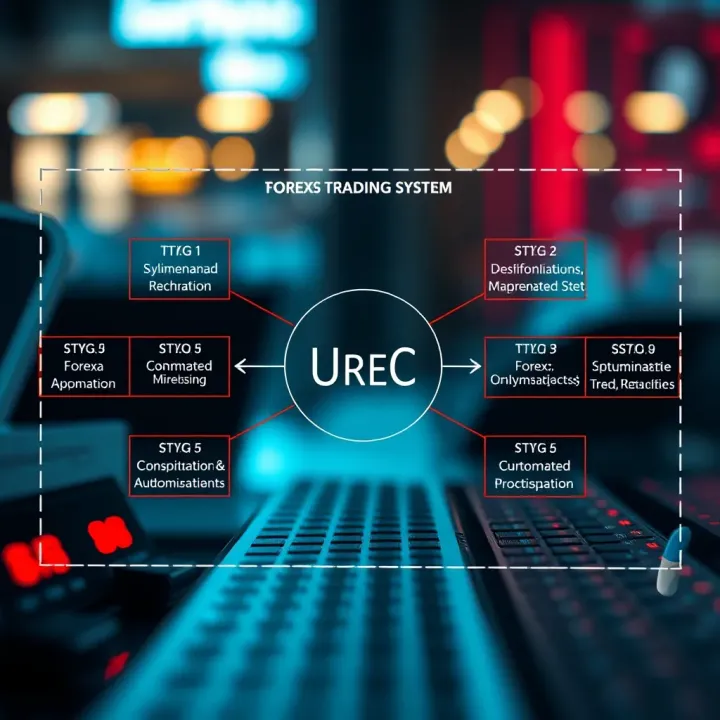
📈 Explore how forex trading systems work, their types, and key components. Get tips on risk management and choose or build your ideal strategy for success.

Discover how forex trading wallpapers 🎨 influence your focus and workspace 🖥️. Tips on picking the right images 📷 for traders in South Africa 🇿🇦.
Explore forex trading in Yokohama 🇯🇵 with insights on local brokers, regulations, and strategies tailored for this market. Trade smart and stay informed 💹
Based on 11 reviews