

Choosing Good Swing Trading Stocks in South Africa
Looking for good swing trading stocks in South Africa? 📈 This practical guide covers key traits, analysis tips, risk management, and how to trade smarter.
Edited By
Thomas Grey
Day trading and swing trading are two common approaches in the stock market, each with its own rhythm and style. For South African investors navigating the JSE (Johannesburg Stock Exchange), understanding these methods can make a real difference in crafting a strategy that fits your goals and lifestyle.
Day trading involves buying and selling shares or other financial instruments within the same trading day. This means closing all positions before the market closes to avoid overnight risks. It’s fast-paced and requires constant attention, quick decision-making, and access to reliable market data and technology. For example, a day trader might capitalise on the morning volatility after the market opens or respond rapidly to economic news from both local events and global influences like the SARB’s repo rate changes.
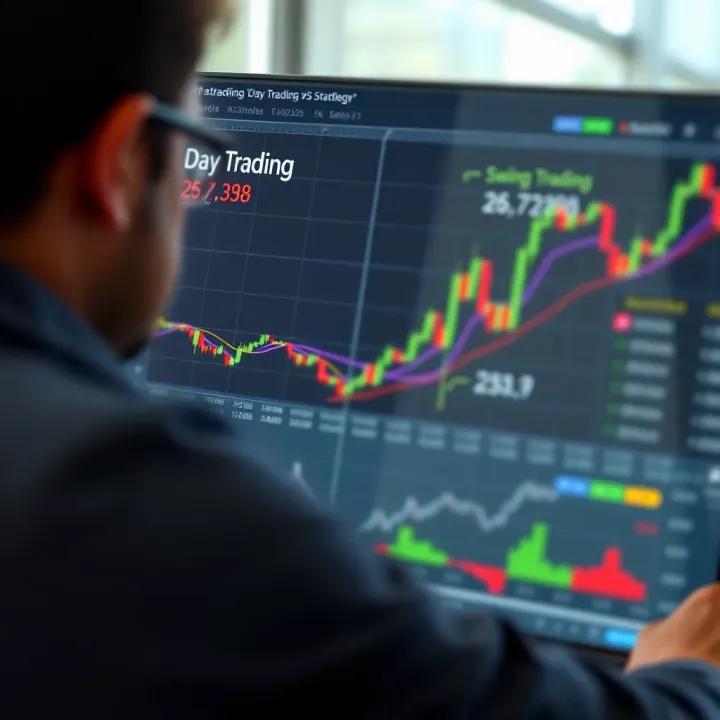
On the other hand, swing trading is more laid-back by comparison. Traders hold positions for several days or weeks, aiming to profit from expected shifts in the market trend. This approach suits those who cannot monitor the markets all day but still want to actively engage. For instance, a swing trader might spot a rising trend in a stock like Sasol following a favourable energy sector report and hold the position until there’s a clear sign of reversal.
These strategies suit different personalities and resources: day trading demands time, quick reflexes, and tolerance for stress; swing trading looks better for those balancing trading with other commitments.
Both methods carry risks and need sound risk management. With day trading, rapid moves can lead to quick losses, especially considering costs like broker fees or tax implications on frequent trades. Swing trading risks include overnight market gaps that can shift prices sharply due to news while the market is closed.
When deciding which style fits you, consider your daily schedule, your risk appetite, and your capital available for trading. Also, think about the tools and platforms you’ll need. Day trading often requires top-notch real-time data feeds and charting software, whereas swing trading can work with simpler tools and a more measured pace.
In the South African context, factors like the local economic climate, load shedding disruptions, and sector-specific news (mining, agriculture, retail) play into both styles, shaping when and what to trade.
Understanding the core differences between day trading and swing trading helps you carve out an approach that matches your style, resources, and objectives in the vibrant South African markets.
Understanding the key trading styles is essential for anyone wanting to navigate the markets effectively. It shapes how you approach risk, manage your time, and pick tools for analysis. Different styles work better depending on your trading goals and lifestyle.
This section sets the scene by breaking down two popular methods: day trading and swing trading. This comparison helps you figure out which style suits your resources, skills, and tolerance for market ups and downs. For example, a trader in Johannesburg who juggles a day job might find swing trading more manageable, while a full-time trader in Cape Town could juggle rapid day trades.
Day trading involves buying and selling financial instruments within the same trading day. The core principle is to profit from small price movements, often cancelling out overnight risk by closing positions before the market closes. This hands-on approach requires keen attention to price action and quick decisions.
One important aspect is that day traders usually work with short timeframes, such as one-minute to fifteen-minute charts. Trades are frequent—sometimes dozens a day—taking advantage of small but consistent price swings. For example, a day trader in South Africa might scalp shares listed on the Johannesburg Stock Exchange (JSE), swiping quick gains between market opens and closing.
Swing trading takes a longer view, aiming to capture gains from ‘swings’ or trends over several days to weeks. Instead of focusing on tiny fluctuations, swing traders look for more substantial price moves tied to technical patterns or fundamental news.
Typical holding periods range from two days up to a few weeks. This approach suits traders who can't monitor the market constantly. For instance, a swing trader might spot a mining stock showing bullish signals on the weekly chart and ride the trend until the price reaches resistance, even if interrupted by Eskom loadshedding or limited online access.
Both styles have their perks and pitfalls, but the choice comes down to your schedule, risk appetite, and how hands-on you want to be with your trades. Understanding these basics gives you a solid footing before you dive deeper into their nuances.
Understanding the key differences between day trading and swing trading helps you choose the method that best suits your personality, resources, and trading goals. These differences touch on how often trades happen, the capital needed, costs incurred, and the risks involved. In South Africa, where factors like data costs and loadshedding can disrupt trading, knowing these distinctions becomes even more practical.
Day trading demands rapid-fire decisions because traders open and close positions within the same trading day. This means you need to react quickly to price swings and market news, often within minutes or even seconds. For instance, a day trader tracking shares of Sasol might decide within moments to sell if a sudden development affects oil prices. This pace requires sharp focus and a tolerance for constant market noise.
Swing trading slows the rhythm down. You hold positions for days or weeks, giving you more time to gather information, assess charts, and determine when to enter or exit. A swing trader might spot an uptrend in Naspers shares and ride it over several days, making more measured decisions. This approach suits those preferring less stress and who cannot watch the market all day.
With day trading, exposure to overnight risks is cut since positions close before the market shuts. This eliminates the chance of waking up to unexpected gaps caused by after-hours news or global events—a relief during uncertain times. On the other hand, swing trading carries overnight risk. Holding shares over weekends or public holidays means your investment could be affected by developments outside market hours. While this adds risk, it also opens opportunities to capture bigger price moves.
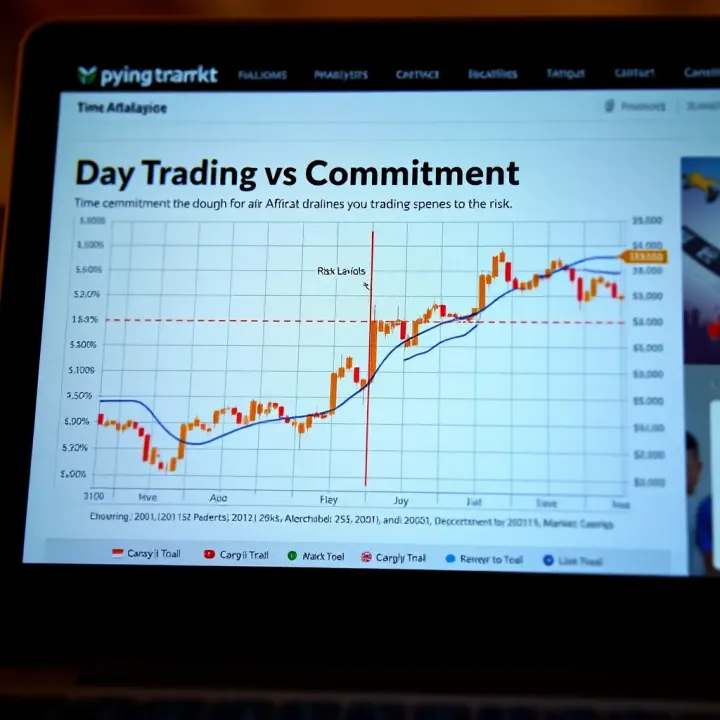
Day trading usually requires a larger amount of capital upfront. In South Africa, brokerage firms and the JSE (Johannesburg Stock Exchange) expect active day traders to meet minimum margin requirements or maintain a certain account balance. This is necessary because rapid trades and margin usage can amplify both gains and losses. For example, a day trader betting on short-term ETMETF movements might need tens of thousands of rand to manage risk and cover margin.
Swing trading generally asks for less immediate capital since you're not constantly entering and exiting markets. You can start swing trading with smaller amounts while focusing on shares or ETFs, making it more accessible, particularly for beginners or part-time traders.
High-frequency trading in day trading leads to multiple transactions daily, which means brokerage fees and commissions can quickly add up. Even with competitive fees by local brokers like EasyEquities or Standard Bank Online Share Trading, costs can erode profits unless carefully managed.
Swing traders trade less often, reducing brokerage expenses. Fewer trades mean less pressure to offset costs through large returns. This makes swing trading a cost-effective alternative if fees are a concern.
Day traders face the challenge of handling intraday volatility. Markets can be choppy, and news or data releases can send prices swinging fast. Managing this requires strict risk controls, often in the form of stop-loss orders. Poor control might see losses multiply before you can close positions.
Swing traders encounter longer-term volatility. Though less frantic, price swings over days or weeks can be substantial. The key is to understand market trends and avoid holding during highly uncertain periods. Proper position sizing helps limit exposure to these swings.
Day trading offers chances for quick, smaller profits repeatedly. But it also risks rapid losses if markets turn against you. For example, poor timing in a volatile Blue Chip share could wipe out gains made earlier in the day.
Swing trading aims for bigger moves over time. Holding Blue Label shares during a favourable sector rally might yield healthy returns. However, losses can grow if the market takes a downturn while positions are held.
Both methods have their own risk-reward balances. Choosing one means understanding how you handle stress, capital limits, and market exposure.
In summary, your choice between day trading and swing trading depends on how active you want to be, how much money you can afford to risk, and how you manage the ups and downs of the market. For South African traders, these practical differences also intersect with local conditions like market hours, trading costs, and the realities of power reliability.
Trading requires sharp tools, and the choice between day trading and swing trading often depends on which tools fit your approach best. Each method employs distinct strategies when it comes to analysing market movements and making decisions. Understanding the practical use of technical and fundamental tools can save you time and money, especially in the busy South African trading environment.
Day traders rely heavily on technical analysis tools that give immediate insight into price movements. Commonly used charts include candlestick and bar charts displayed on short timeframes, such as 1-minute, 5-minute, and 15-minute intervals. Indicators like Moving Averages (particularly the 9 and 21-period), Relative Strength Index (RSI), and Bollinger Bands help spot entry and exit points quickly during the trading day.
For instance, a day trader might watch the 9-period exponential moving average (EMA) crossing over the 21-period EMA to signal a quick buy or sell decision. These tools help day traders react swiftly to volatility without getting stuck in long-term market noise.
Real-time data feeds are non-negotiable for day trading. Every second counts when opportunities can disappear as fast as a taxi van rushes through peak-hour traffic in Johannesburg. Platforms like EasyEquities or IG offer live streaming prices, but even a brief delay can turn profit into loss. This is why many local traders invest in high-speed broadband and even backup connections to stay connected during loadshedding or unexpected outages.
Without accurate, up-to-the-second data, day trading becomes a guessing game, raising the risk of costly mistakes.
Swing traders lean more on fundamental analysis alongside technical cues. They spend time understanding a company’s health, sector trends, and economic indicators that affect stock prices over days or weeks. For South African investors, this might mean monitoring earnings releases from JSE-listed companies like Sasol or Naspers, or tracking currency volatility that impacts mining shares.
Beyond fundamentals, swing traders use technical signals like trendlines, Fibonacci retracements, and volume analysis to time their trades. These provide clues about when to join or exit a trend, reducing the risk of holding onto positions too long. For example, a swing trader might wait for a stock to bounce off a defined support level combined with improving volumes before buying.
By blending both approaches, swing traders balance patience and precision. They avoid getting caught up in the daily market noise but still react to meaningful shifts. This approach suits traders who can spare some time each day but prefer not to be glued to screens all day long.
Understanding these toolsets helps you decide which trading style suits your skills, time availability, and appetite for market risk, especially under South Africa’s unique market and infrastructure conditions.
Trading isn’t just about charts and numbers—it also takes a significant mental toll, depending on the style you choose. Those psychological and lifestyle factors often get overlooked but play a massive role in how successful and sustainable your approach will be. In South Africa’s dynamic market environment, understanding these aspects can mean the difference between burning out or thriving.
Day trading demands rapid-fire decisions. Traders need to monitor their screens closely throughout the trading session, reacting to price swings in seconds or minutes. This pace can ramp up stress levels quickly. For instance, a trader caught in a sudden market move during Gauteng’s morning rush might feel intense pressure to act immediately or risk losing out. This constant need to be ‘switched on’ can lead to fatigue and emotional drain if not managed well.
Using clear trading plans and strict stop-loss orders can help ease that pressure, but it’s no small feat staying calm when trades move against you in real time. It’s not for everyone, especially if you already juggle a busy job or family commitments.
Swing traders face a different challenge: the anxiety of holding positions overnight or even for several days. There’s always a chance that a news event or company announcement – such as a sudden interest rate hike by the Reserve Bank or unexpected political developments – could wipe out gains before you get a chance to sell.
In South Africa, where markets can be volatile and unpredictable, managing that overnight risk requires a level of patience and trust in your analysis. Unlike day trading, you won’t be glued to your screen every hour but will need to live with the uncertainty that comes from market gaps or unexpected events. This is less intense day-to-day but can weigh on the mind over time.
Day trading demands several uninterrupted hours daily. South African markets open from 9 am to 5 pm, so you’ll likely need to be present or semi-focused during this window, often starting earlier to prepare and staying later to review positions. For example, a Johannesburg-based trader might start at 8 am to get ready and only stop by 6 pm once they've accounted for all trades and market changes.
This schedule can suit someone without a full-time job, but many find it tough balancing this intensity with other responsibilities. Missing a few hours could mean losing out on important opportunities or falling behind on trend changes.
In contrast, swing trading requires less daily screen time. You might spend an hour or so analysing charts and news each evening after work or on weekends. This makes swing trading more manageable for people with busy days or those who can’t afford strict daily sessions.
Day trading fits best with people who thrive under pressure and can dedicate consistent hours to watching markets closely, often those working freelance or with flexible schedules. Someone based in Cape Town, for example, working from home might find they can juggle day trading with family demands during school hours.
Swing trading, by contrast, is more adaptable to various lifestyles, including full-time workers or students who want exposure to the markets but cannot commit to full market hours. It also suits those who prefer a slower, more considered approach, avoiding the frenzied hustle of the trading floor.
Whether you prefer the rapid buzz of day trading or the steadier rhythm of swing trading, your mental stamina, daily schedule, and stress management style will strongly guide which approach fits you best.
Choosing the right trading approach depends heavily on factors unique to South African traders. Local infrastructure, available technology, and market access shape day-to-day trading experiences. Understanding these peculiarities helps both day and swing traders make informed decisions, balancing opportunity with practical constraints.
Local brokerage options play a big role in how accessible trading is here. South Africans can use well-established brokers like Standard Bank Online Trading, PSG Online, or Independent Securities, which offer access to the Johannesburg Stock Exchange (JSE) and other global markets. These platforms usually provide research tools and user support tailored to the local market, ensuring easier navigation for traders at all levels.
Some smaller, digital-focused brokers like EasyEquities have made stock trading more affordable and accessible to younger traders or those with less capital. This broadens opportunities, especially for swing traders who can hold positions longer and benefit from fractional shares. However, day traders often need platforms that enable fast execution and real-time data, which could limit options with cheaper brokers.
Connectivity can be a challenge for some South African traders, given variable internet speeds and data costs. Reliable, high-speed internet is critical for day trading, where milliseconds can matter. Areas outside major cities such as Johannesburg, Cape Town, or Durban might experience slower or less stable connections, increasing risk for fast-paced trading.
On the other hand, swing traders have more flexibility since their trades span days or weeks, which lowers the strain on constant internet performance. Still, having consistent access to market data at key decision points is essential.
Power interruptions remain a major issue affecting South African traders. Eskom's loadshedding means traders can lose power during crucial market hours, which is a particular headache for day traders who depend on continuous access and quick decisions.
Swing traders tend to be less affected by sudden power cuts since their focus is on longer-term price moves, and they are less reliant on intraday updates. But power outages can still disrupt timely research or order placements, so a contingency plan is necessary.
Backup solutions for trading continuity are indispensable. Traders often invest in uninterruptible power supplies (UPS) or inverters coupled with battery systems or solar setups to keep their devices running during loadshedding. Some choose to trade from locations with backup power or coworking spaces that guarantee uninterrupted electricity.
Moreover, mobile data as a backup internet source can be a lifesaver during fibre outages or poor fixed-line connections. South Africans should weigh these infrastructure realities seriously before committing to day trading, where every moment counts. Swing trading offers a bit more breathing room but still requires careful planning to manage disruptions adequately.
For South African traders, understanding local infrastructure and platform choices is vital. It’s not just about picking a trading style—it's also about shaping strategy around the realities of everyday challenges like loadshedding and internet reliability.
Looking for good swing trading stocks in South Africa? 📈 This practical guide covers key traits, analysis tips, risk management, and how to trade smarter.

Find the best trading app in South Africa with our practical guide 📱. Compare fees, features, safety 🔒, and usability to pick the right fit for you.

🌍 Learn the essentials of forex trading, from currency pairs to risk management, with practical tips tailored for South African traders. 📈💰

Explore top Forex trading seminars in South Africa 🇿🇦. Learn how to select the best seminar, key topics, and tips to get the most from your experience 📈📝.
Based on 8 reviews