

Basics of Forex Trading for South Africans
🌍 Learn the essentials of forex trading, from currency pairs to risk management, with practical tips tailored for South African traders. 📈💰
Edited By
Hannah Richardson
Trading in financial markets offers various avenues, and two popular options are binary and forex trading. Understanding how these differ is key if you're considering dipping your toes into either in South Africa. Each market has unique features, risks, and strategies that you ought to know before committing your hard-earned Rand.
Binary trading is fairly straightforward — it’s a bet on whether the price of an asset will rise or fall within a set timeframe. For example, you might predict that the price of gold will be above R900,000 by the end of the day. If you're right, you collect a fixed payoff, often around 70-85% of your stake. If not, you lose your original investment. The simplicity comes with a catch: most trades are short-term, and the fixed risk/reward ratio may limit your profit potential.
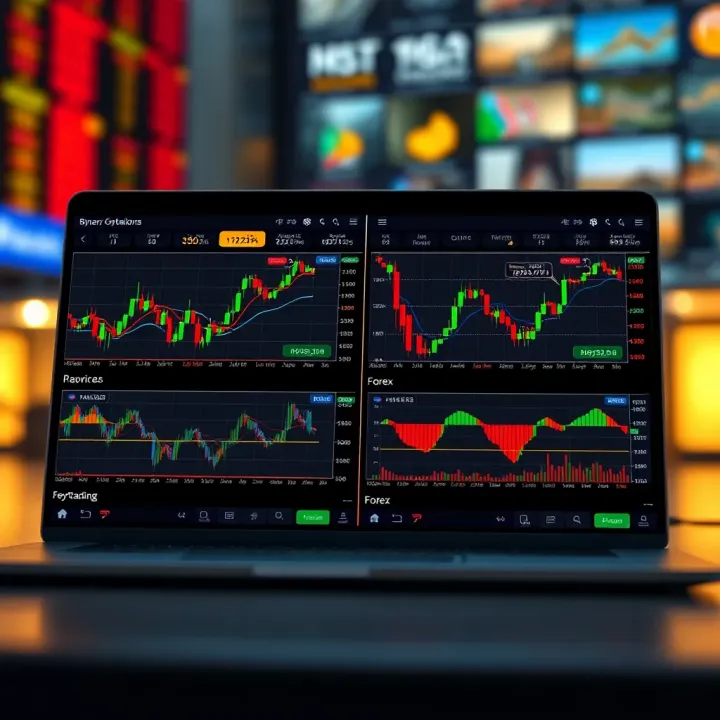
In contrast, forex trading involves buying and selling currency pairs like USD/ZAR to profit from exchange rate fluctuations. Let’s say you believe the rand will strengthen against the dollar; you can buy ZAR/USD and sell when the rate increases. Unlike binary options, forex trading lets you hold positions for hours or even days, offering greater flexibility. It also comes with leveraged trading, meaning you can control a bigger position than your capital, which boosts both potential profit and risk.
Binary trading is like a quick punt with known payoffs, while forex trading demands deeper market knowledge and risk management due to its complexity.
One major difference is how regulatory oversight works in South Africa. Forex trading platforms are generally regulated by the Financial Sector Conduct Authority (FSCA), which means they must comply with local laws and client protection standards. Binary options platforms have faced tougher scrutiny recently due to their high-risk nature and misuse by unscrupulous brokers.
When planning your approach, remember these core points:
Binary trading suits those who prefer a fixed risk trade with simple yes/no outcomes.
Forex trading requires understanding currency markets, technical analysis, and managing margin and leverage.
Both demand a solid grasp of market factors and disciplined money management.
Knowing these basics upfront will help you decide which style fits your goals and tolerance for risk better. The following sections will break down risks, strategies, and how to safely navigate South Africa's trading landscape.
Grasping the basics of binary and forex trading is fundamental for anyone keen on entering these markets, especially for South African traders navigating unique local challenges. Knowing how each works helps you choose the right approach and manage risks effectively.
How binary options work: Binary trading involves predicting whether an asset's price will rise or fall within a fixed timeframe. It's a straightforward yes-or-no choice — for example, will the price of gold be above R30,000 by 3 pm? If your prediction is correct at expiration, you earn a fixed payout; if not, you lose your stake. This simplicity makes binary options popular, but remember, the all-or-nothing nature means losses can happen quickly.
Basic terminology and concepts: In binary trading, terms like "strike price" (the price level you're betting on), "expiry time" (when the option closes), and "payout" (the fixed return on a correct prediction) are key. Understanding concepts such as "in the money" (correct guess) or "out of the money" (incorrect guess) is equally important. Unlike traditional investing, you’re not owning the asset — just placing a bet on its direction.
How the foreign exchange market operates: Forex trading is the buying and selling of currencies against one another. Unlike fixed payouts in binary options, profits and losses in forex depend on how much the currency’s value moves. Forex runs 24 hours on weekdays, facilitating continuous market access, which suits active traders. South Africans can engage via brokers offering localised services, often dealing with US dollar (USD) and South African rand (ZAR) pairs.
Common currency pairs traded: Traders often focus on major pairs like EUR/USD (Euro/US dollar), GBP/USD (British pound/US dollar), and USD/ZAR (US dollar/South African rand). The USD/ZAR pair is especially relevant for South African traders due to its fluctuating exchange rate impacting imports, exports, and investments. Understanding how geopolitical events or local economic data affect these pairs can provide trading edges.
Knowing the key features of binary and forex trading helps you decide which aligns with your risk appetite and trading style, particularly when local factors like exchange rates or internet stability come into play.
Understanding the key differences between binary and forex trading is essential for anyone navigating these financial markets, especially for South African traders seeking to make informed choices. While both involve currency speculation, they differ significantly in mechanics, risk profiles, and payout structures. Grasping these distinctions helps traders pick the method that suits their objectives, risk appetite and trading style.
Binary trading operates on a simple premise: you predict whether the price of an asset will be above or below a certain level at expiry. If correct, you receive a fixed return (often between 70% and 90% of your stake). If wrong, you lose your initial investment. This clarity on potential profit and loss before entering a trade can appeal to those who prefer straightforward, all-or-nothing bets. For instance, a R1,000 binary trade promising an 80% return yields R800 profit if successful, but you lose R1,000 if it isn’t.
Contrast this with forex trading, where profits or losses vary depending on price movement size and trade size. Instead of fixed payouts, your gain or loss grows with how much the currency pair moves in your favour or against you. For example, buying R10,000 worth of EUR/ZAR with a favourable 100-pips movement could mean a R500 profit or loss depending on your position size and leverage. This potentially larger but less predictable outcome attracts traders comfortable with dynamic risk-reward swings.
Binary trades have predefined expiry times—ranging from a minute to months—after which the contract settles automatically. This expiry timing frames the bet and removes any option to close positions early. It’s quite like placing a bet at the races and waiting for the final result.
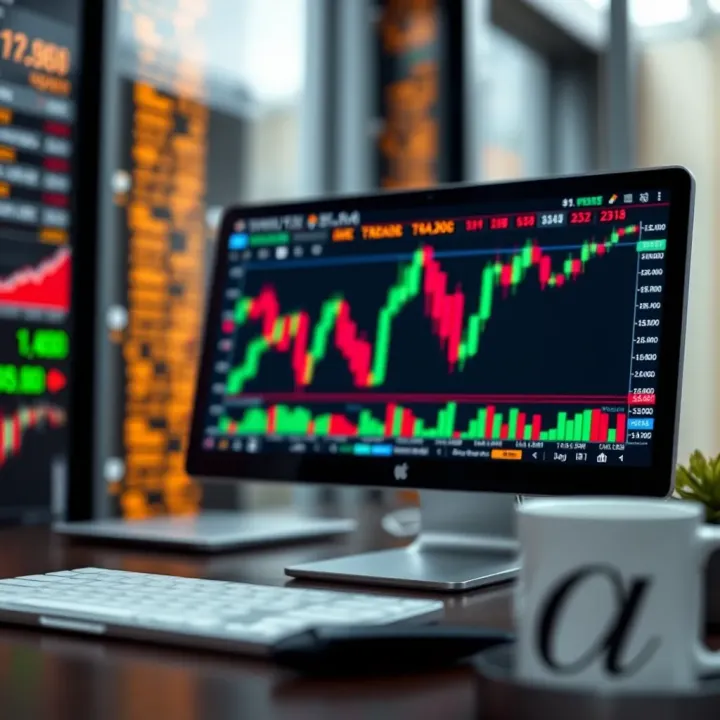
Forex trading offers more flexibility. You can open and close positions anytime during market hours, allowing active management. For South African traders, this flexibility matters during periods like loadshedding or internet hiccups when quickly exiting a position may prevent substantial losses. For example, if the rand suddenly weakens during a volatile session, you can sell off your position immediately instead of holding until a forecasted time.
Binary trading limits both upside and downside. Your maximum loss equals your upfront stake, and profit is capped at the defined return percentage. This setup makes budgeting easier but restricts upside potential. Imagine betting R500 on a binary option; you know upfront you either lose R500 or earn R400 to R450 if you’re right.
Meanwhile, forex trading exposes you to potentially unlimited profit or loss depending on the market’s movement and your exposure size. While this opens doors to bigger gains, it also means losses can exceed your initial deposit if proper risk controls fail.
Knowing these profit and loss limits helps you decide whether you prefer the certainty of capped returns or are comfortable navigating the broader swings of forex.
Leverage in forex trading multiplies your exposure, allowing you to control a larger position with less capital. South African brokers commonly offer leverage up to 1:100 or more. While leverage can boost profits, it also magnifies losses. For example, with 1:100 leverage, a 1% adverse move wipes out your entire invested capital.
Binary trading rarely involves traditional leverage. Since payouts are fixed and stakes known upfront, there’s little need to magnify positions. This makes binary trading less complex in terms of margin requirements but restricts the scope for magnified profits.
Traders new to forex should be cautious with leverage, especially considering the rand’s volatility. Oversized leveraged bets can lead to rapid losses, while binary’s fixed-risk structure often suits beginners or those preferring clear limits.
Understanding these differences helps South African traders weigh their options realistically. Binary trading offers simplicity and fixed risk, making it easier to budget losses. Forex trading demands more active management and acceptance of variable outcomes but provides wider profit potential with leverage. Both paths can suit different trading goals amid local market conditions.
Managing risks is one of the most practical skills a trader can develop, especially when navigating volatile markets like binary and forex trading. These markets can move sharply in either direction, so understanding common risks and having strategies to control them helps protect your capital and maintain consistent performance.
Market volatility impacts: Market volatility refers to how much and how quickly prices move. In forex trading, the rand-dollar exchange rate, for instance, can swing dramatically due to political announcements or economic data releases. Such fluctuations can quickly erode profits or deepen losses if unprepared. For binary options, volatility can cause a trade to flip from profitable to unprofitable before expiry, making timing and market read crucial.
The South African market can be especially sensitive to local events. For example, Eskom loadshedding announcements tend to unsettle the rand, affecting forex pairs linked to ZAR. Traders need to remain aware of these triggers as they can disrupt planned strategies or increase risk unexpectedly.
Platform reliability and regulation: Using a broker or trading platform that shares trustworthy operational history and falls under credible regulation is vital. South African traders should look for brokers authorised by the Financial Sector Conduct Authority (FSCA). An unregulated platform might suffer outages or unexplainable delays during crucial market moves, leaving you unable to close or adjust trades.
Poor platform reliability can lead to slippage, execution delays, or even unfair trade rejections. Binary trading platforms, in particular, have faced scrutiny for opacity in payout terms and withdrawal processes. Checking client reviews, ensuring clear terms, and opting for FSCA-regulated brokers can reduce these risks substantially.
Stop-loss orders for forex: A stop-loss order sets a predetermined price to exit a trade, limiting losses if the market moves against you. For example, if you buy EUR/ZAR at R18.50, you could set a stop-loss at R18.30, so your loss caps at R0.20 per unit. This easy tool helps in managing downside risk, especially when the market turns unexpectedly volatile.
Stop-loss orders serve as an automatic safety net and help you avoid emotional decision-making during rapid market swings. However, keep in mind that in extremely volatile conditions, slippage could cause your exit price to deviate from your stop-loss, although this is less common with regulated brokers.
Bet sizing and time limits for binary: Because binary trades have fixed payouts, controlling how much you risk on individual trades through bet sizing is crucial. You might decide to risk only 1–2% of your trading capital per binary trade to avoid large drawdowns.
Time limits also matter. Different expiry times affect how market volatility impacts your trades. Short expiry times can be riskier, especially during news releases that move prices unpredictably. Selecting trades with expiry times that match your analysis and market conditions increases the chance of success while managing risk exposure.
Smart risk management in binary and forex trading isn’t about avoiding risk entirely; it’s about keeping losses manageable so that your winning trades can grow your account steadily.
By understanding these risks and applying tools like stop-loss orders, bet sizing, and expiry time choices, traders can better navigate the ups and downs of both markets. For South African traders, factoring in local market quirks like loadshedding and rand volatility provides an extra layer of preparedness to trade smarter and safer.
Mastering trading takes more than just understanding the basics; having effective strategies is what helps you stay ahead and protect your investments. Whether you're trading binary options or forex, employing the right approach can be the difference between consistent profits and unnecessary losses. This section breaks down practical strategies tailored to both markets so you can make informed, confident moves.
Trend following and technical indicators play a big role in binary trading. Since binary options often focus on short-term price movements, spotting and following trends is crucial. For example, if the chart shows a clear upward momentum across a 5-minute candle, you might place a call option expecting the price to stay higher at expiry. Technical indicators such as Moving Averages or the Relative Strength Index (RSI) help confirm these trends and signal overbought or oversold conditions. This method suits traders who can monitor charts closely and time their entry and exits precisely.
Event-based trading opportunities involve reacting to scheduled news releases or economic reports that influence markets sharply. Binary traders can benefit from predictable volatility spikes, such as when the South African Reserve Bank announces interest rate decisions or when US non-farm payroll figures hit the street. Since binary options have fixed expiry times, setting trades around these events can offer high reward potential if you anticipate correctly. But beware: unexpected outcomes or delays can turn these trades sour quickly, so strict risk management is essential.
Fundamental and technical analysis form the backbone of forex trading strategies. Fundamental analysis looks at economic indicators, geopolitical developments, and central bank policies to gauge currency strength. For instance, if the South African rand weakens due to rising inflation figures, a forex trader might short the ZAR/USD pair. Technical analysis complements this by identifying price patterns, support/resistance levels, and momentum through tools like Fibonacci retracements or Bollinger Bands. Combining both analyses offers a balanced view that covers the big picture and price behaviour.
Currency correlations and diversification help reduce risk and improve trading decisions. Some currency pairs move in sync—like the EUR/USD and GBP/USD often rise or fall together—while others behave inversely. Spotting these relationships allows traders to avoid overexposure or hedge bets smartly. For example, if you hold a long position in USD/ZAR, taking a shorter position in ZAR/JPY might offset specific risks related to the rand. Diversifying trades across several pairs avoids putting all your eggs in one basket, especially in volatile markets influenced by shocks such as Eskom loadshedding or sudden policy shifts.
Successful trading depends on clear strategies tailored to market conditions and individual risk tolerance. Whether you favour quick binary plays around events or a deeper forex analysis combining fundamentals and charts, understanding these approaches will help you trade smarter and more sustainably.
For South Africans interested in trading binary options or forex, practical tips tailored to the local environment are vital. The financial markets don’t operate in a vacuum here — factors like regulation, payment options, currency fluctuations, and infrastructure realities affect your trading experience. Getting these right helps protect your investment and improves your chances of success.
Choosing a broker with proper licensing is a must. South Africa’s Financial Sector Conduct Authority (FSCA) regulates certain brokers, ensuring they meet minimum standards of fairness and transparency. If a broker is FSCA-registered, it means they’ve passed checks on their financial health and business practices. Some brokers may be licensed in other jurisdictions, but in those cases, research their reputation and regulatory frameworks carefully.
Regulation reduces the risk of scams — unregulated brokers might withhold withdrawals or manipulate prices. For example, an FSCA-regulated broker is required to segregate client funds to prevent misuse. This means your trading money is kept separately from the broker’s operating capital, offering you a degree of safety.
Look for brokers that offer multiple payment options including EFT (electronic funds transfer), credit/debit cards, and popular e-wallets suitable for South African clients. Ease of deposits and withdrawals affects how fast you can access your funds.
Currency handling matters, too. Brokers who allow accounts to be held and traded in ZAR save you from constant conversion fees and fluctuating exchange rates. For instance, if your trading account is in USD, every deposit or withdrawal must be converted at the prevailing rand-dollar rate, which can eat into your profits. Paying attention to these details can reduce costs over time.
The rand is known for its volatility, reacting to local and global events like commodity prices, political developments, or SARB interest rate decisions. For forex traders, these swings can present opportunities but also unexpected risks.
If you’re trading currency pairs involving ZAR, monitor factors such as changes in the repo rate, mining export reports, or geopolitical news. Ignoring these can lead to surprise losses, especially when paired with leverage. For binary traders, such sudden shifts may determine if your prediction hits or misses at expiry.
Eskom’s loadshedding often disrupts power supply unpredictably. During scheduled (or unscheduled) outages, maintaining an active internet connection for trading platforms becomes a challenge.
To stay connected, many traders invest in uninterruptible power supplies (UPS), generators, or solar backup systems, especially if trading during active market hours. Also, having a mobile data plan as a backup to your home fibre or ADSL can keep you online when fibre goes down. Even milliseconds matter in trading — dropping connection could mean missing crucial trades or exits.
Being prepared for local infrastructure hiccups is just as important as having a solid strategy. Safe, reliable access to your trading platforms ensures you don't lose out due to uncontrollable external factors.
Following practical steps around broker choice, payment facilities, currency exposure, and infrastructure readiness sets you up for smoother trading in South Africa’s unique market conditions.
🌍 Learn the essentials of forex trading, from currency pairs to risk management, with practical tips tailored for South African traders. 📈💰

Explore top Forex trading seminars in South Africa 🇿🇦. Learn how to select the best seminar, key topics, and tips to get the most from your experience 📈📝.

Stay alert to forex trading scams targeting South Africans 🚨 Learn key signs, protect your money, and report fraud to keep investments safe.
📈 Ready to start forex trading in South Africa? Learn how to choose brokers, register your account, and get top tips for beginners. Start smart today!
Based on 12 reviews