

Choosing the Best Forex Trading School Near You in South Africa
Looking for a forex trading school near you in South Africa? Discover how to pick the right course, understand costs, credentials, and explore online options 📈💡
Edited By
James Whitaker
Choosing the right forex broker can be a tricky task, especially with so many options available to South African traders today. The forex market is huge and fast-moving, so you need a broker that’s not only reliable but also suits your personal trading style and needs.
Why does the broker matter? The broker acts as your gateway to the forex market, handling your trades and providing the platform you’ll use daily. A bad broker can cost you more than just money — it can waste your time, frustrate your efforts, and even put your funds at risk.
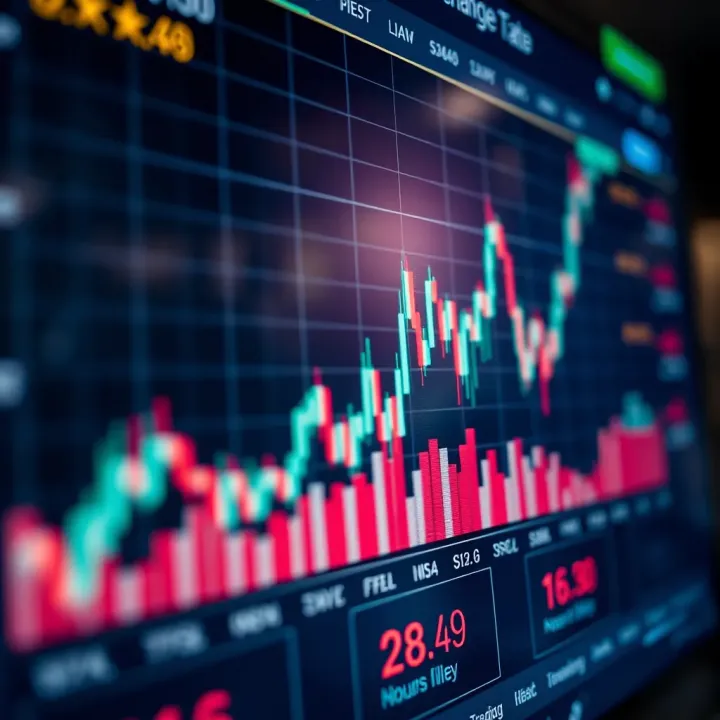
A trustworthy broker is your first line of defence against scams, unfair fees, and poor execution.
In South Africa, the landscape is unique. Brokers must comply with the Financial Sector Conduct Authority (FSCA) regulations. Checking that your broker is registered with the FSCA is not just a formality — it ensures they meet standards around client money protection and transparency.
Traders should look beyond just regulation, though. Consider what trading platforms the broker offers. For instance, MetaTrader 4 and 5 are popular worldwide, but some South African brokers also provide proprietary platforms tailored to local needs. Ease of use, stability, and access via mobile devices matter here.
Fees and spreads also have a real impact on your bottom line. South African traders often deal with the challenge of currency conversion and payment methods, so check what deposit and withdrawal options your broker supports. Look for brokers with transparent fee structures, avoiding hidden charges.
Account types are another key factor. Beginners might prefer micro or demo accounts to practice without risking real money. Experienced traders could benefit from accounts that offer higher leverage or advanced charting tools.
Lastly, consider customer support availability, especially if you trade from different time zones or prefer assistance in local languages. Brokers with responsive local offices or dedicated SA teams can be a big help.
This article will unpack these points further, offering practical advice to help you pick the best forex broker for your South African trading journey.
Forex trading brokers play a vital role in connecting traders to the currency markets, serving as the gateway to buying and selling foreign currency pairs. For South African traders, grasping what brokers actually do helps avoid costly mistakes and ensures better decision-making when choosing who to trade with. Whether you're an investor seeking to diversify or a financial advisor recommending options, recognising these roles lays a clear foundation.
At its core, a forex broker acts as the middleman between you and the global forex market. Because individual traders don’t trade directly on the interbank market, brokers provide access to that liquidity pool. For instance, if you want to buy US dollars with rands, the broker executes this transaction on your behalf. They consolidate orders, making smaller trades practical and speeding up the process for retail clients.
Apart from connecting traders to the market, brokers handle the execution of trades swiftly to capitalise on changing currency prices. Good brokers maintain strong ties with liquidity providers—major banks or financial institutions—to ensure prices are competitive and slippage is minimal. Imagine trying to trade during a sudden rand volatility; a broker's ability to execute your trade fast and at the quoted price makes a big difference.
Another key part of what brokers provide is the platform where you can actually trade. Platforms like MetaTrader 4 or 5, cTrader, or proprietary software are the user interfaces that display currency charts, order management tools, and account details. Especially with mobile compatibility rising in South Africa, having a reliable, fast platform that runs smoothly on smartphones can be critical for timely decisions.
Market makers are brokers who set their own bid and ask prices, effectively becoming the counterparty to your trades. They're suited for beginners because they tend to offer fixed spreads and guaranteed liquidity. However, since they take the opposite side, conflicts of interest might arise if traders consistently profit. An example local South African broker might operate this way.
Electronic Communication Network (ECN) and Straight Through Processing (STP) brokers route your trades directly to liquidity providers without stepping in as a counterparty. This setup usually means tighter spreads and more transparent pricing. For serious South African traders who seek the best market prices and prefer dealing with global banks rather than the broker, ECN/STP brokers provide an edge.
Some brokers combine market making with ECN features to offer more balanced services. This hybrid approach allows them to act as a counterparty during low liquidity but pass orders to external providers during high volume. For instance, during peak trading hours in Johannesburg while the rand is most active, hybrids can help smooth execution and pricing.
Choosing the right type of broker depends on your trading style, risk tolerance, and expectations about transparency and costs. Understanding these basics sharpens your trading approach and safeguards your funds effectively.
By starting with this clear grasp of what forex brokers do and knowing the main types available, South African traders can better navigate the often complex forex landscape and select brokers that fit their unique needs.
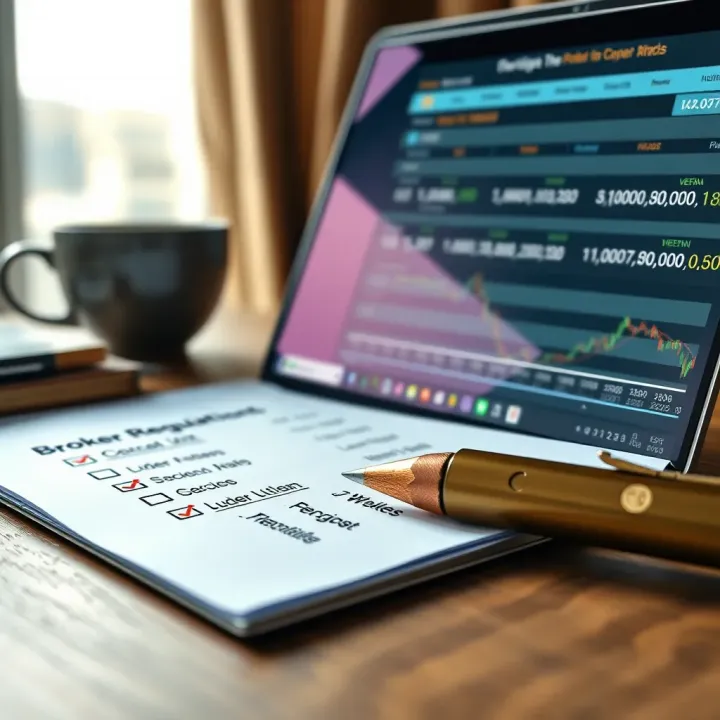
Navigating the forex market safely requires more than just trading skills; regulation and security are central to protecting your investment. In South Africa, these elements ensure brokers operate fairly and transparently, giving traders confidence in their dealings. Understanding how regulation works, especially the role of the Financial Sector Conduct Authority (FSCA), can help you pick a broker that’s both trustworthy and compliant with local laws.
The FSCA oversees and regulates financial markets and entities in South Africa, including forex brokers. To operate legally, brokers must obtain a licence from the FSCA, demonstrating they meet strict criteria related to financial soundness, governance, and compliance. This licensing process isn’t just paperwork; it helps weed out fly-by-night operators who might cut corners or disappear with clients’ funds.
Moreover, licensed brokers must keep clear records and conduct regular audits. This oversight provides a layer of accountability, meaning if a broker acts improperly or breaches rules, the FSCA has the authority to impose fines, suspend, or revoke licences. For traders, choosing an FSCA-licensed broker lays a stronger groundwork of trust and legal protection.
Customer protection is another cornerstone of the FSCA’s role. The regulator requires brokers to store client funds separately from their own operating capital—a practice known as fund segregation. This means your deposits are shielded from a broker’s business risks, such as insolvency. Plus, the FSCA mandates brokers to maintain minimum capital requirements to remain solvent, reducing the chance of sudden collapse.
Regulation serves as a shield against fraudulent brokers. With plenty of offshore operators targeting South African traders, those without FSCA oversight can run scams, offering fake platforms or withholding withdrawals. The FSCA’s licensing acts like a filter, steering you towards brokers who meet South African legal standards.
Fund security and segregation are critical safeguards. Imagine a broker mixing your trading money with their own business funds. If they hit a rough patch, your cash could vanish in a heartbeat. Segregated accounts prevent this, assuring you that your money is kept separate and available.
Dispute resolution mechanisms add another layer of comfort. Should differences arise—perhaps over trade execution or withdrawal delays—the FSCA monitors brokers to ensure fair treatment and provides channels to escalate complaints. That said, not all brokers offer equal ease of access to dispute processes, so checking how complaints are handled upfront is wise.
Choosing an FSCA-regulated broker doesn’t guarantee smooth sailing, but it significantly lowers the risks by providing a framework that demands transparency, fairness, and security.
In short, when picking your forex broker, look closely at their FSCA status. It signals more than just legality; it can save you from costly headaches and protects your funds from common pitfalls in the forex market.
Picking the right forex broker comes down to understanding the key features that will directly affect your trading experience and profitability. These features determine how easily you can access the markets, how much you'll pay in fees, and the level of support and resources you'll receive. For South African traders, it’s especially important to consider brokers offering platforms that work well with local conditions, reasonable fee structures, and account options suitable for different experience levels.
Most brokers serving South African traders offer globally recognised platforms like MetaTrader 4 (MT4) and MetaTrader 5 (MT5). These platforms are popular because of their reliability and the wide range of tools they provide. Beyond that, some brokers offer proprietary platforms tailored for ease of use and integration with their services. For example, the JSE's linked brokers sometimes offer platforms with direct access to SA-based assets along with forex, which can be helpful if you're managing an all-in-one portfolio. Choosing a platform that aligns with your trading style and technical skills is key.
Given the prevalence of smartphones in South Africa, mobile compatibility isn’t a luxury; it’s a necessity. A broker with a robust mobile app lets you trade and monitor positions even when you’re away from a desktop. This is especially useful during loadshedding or when you’re commuting. Look for apps that allow full functionality, including chart viewing, order placement, and access to account details. MT4 and MT5 have solid mobile versions widely used here, but some localised brokers offer apps optimised for lower data consumption, which can save costs.
Good charting and analysis tools let you read the market’s pulse clearly. Look for brokers whose platforms provide various chart types, technical indicators, and customisable timeframes. For example, in forex trading, spotting trends and entry points hinges on clear visuals of price action. Access to real-time news feeds and economic calendars embedded in the platform can also give you an edge. A broker offering these tools means you don’t have to rely on separate software, helping you stay focused.
Brokers typically charge via spreads (the gap between buy and sell prices), commissions per trade, or a combination of both. Some market makers offer fixed spreads, which can be appealing for beginners wishing to avoid unpredictable costs. ECN (Electronic Communication Network) brokers, common among experienced traders, offer variable spreads but charge commissions per lot. Understanding the broker’s charging model helps you estimate your trading costs upfront.
High spreads or commission fees can quickly erode profits, especially for active traders who open multiple trades daily. Even a seemingly small difference in spread can make a substantial impact over time. For instance, a broker charging a spread of 2 pips versus one charging 1 pip means paying double the cost in spreads for each trade. Always weigh these costs against the level of service and execution speed you receive — a slightly higher fee might be worth it if your trades are executed swiftly and without slippage.
Broker offerings often include various account types to cater to traders with different budgets and risk tolerance. Standard accounts usually require larger deposits and offer tighter spreads, suitable for experienced traders. Mini accounts cater to beginners or those wanting to trade smaller volumes with less capital, lowering the barrier to entry. For example, a mini account might allow trading with as little as R500, letting new traders learn with less financial pressure.
In South Africa, the Financial Sector Conduct Authority (FSCA) regulates leverage to protect traders from excessive risk. Leverage allows you to control larger positions with smaller capital, but it amplifies both profits and losses. FSCA limits leverage to 1:100 on most currency pairs, which aims to balance opportunities and safety. While some offshore brokers offer higher leverage, this comes with greater risk and often less regulatory protection.
Most brokers offer free demo accounts, which mimic live trading without risking real money. These accounts are vital for familiarising yourself with the platform, testing strategies, and understanding market behaviour. A good demo account replicates live market conditions closely. It’s wise to use demos before committing funds, especially if you’re new to forex or trying out a new broker.
Selecting a broker wisely involves balancing access, costs, and risk controls. The right features in your broker's offering can make the difference between frustration and success in forex trading.
By focusing on these key features, you can streamline your search and settle on a broker that meets your practical trading needs and safeguards your investment under South African conditions.
Choosing a forex trading broker involves more than just ticking boxes on features and fees. South African traders often run into unique challenges that can affect both the ease and safety of their trading experience. Understanding these hurdles helps in making smarter decisions and avoiding pitfalls specific to our market.
Risks of Unregulated Entities
Opting for offshore brokers can be tempting, especially when local options seem limited or fees appear lower. However, the risk of dealing with unregulated entities is significant. Such brokers often operate without South African Financial Sector Conduct Authority (FSCA) oversight, leaving traders vulnerable to scams or poor business practices. Without local regulatory protection, it's much harder to recover funds or resolve disputes if something goes wrong. For instance, some traders in South Africa have reported difficulties withdrawing money from brokers based offshore who suddenly vanish or refuse payouts.
Currency Conversion and Deposit Issues
Another practical snag with offshore brokers relates to currency conversions and banking. When depositing funds, South African traders might face higher fees due to currency exchange between the rand and foreign currencies like the US dollar. Banks may also flag or delay these transactions due to compliance and reporting requirements under FICA (Financial Intelligence Centre Act). Additionally, withdrawing profits can become complicated if the broker doesn’t support South African banking systems or requires convoluted wire transfers, which may add costs and processing delays.
Connectivity and Power Stability Concerns
Loadshedding continues to disrupt daily life across Mzansi, and forex traders aren’t exempt. Sudden power cuts can interrupt trading platforms, force disconnections from real-time data feeds, and stall execution of trades at crucial moments. Even if you’re following a clear strategy, you might miss opportunities or suffer losses if the platform drops offline unexpectedly. Johannesburg traders experienced this firsthand during stage 4 loadshedding when scheduled blackouts coincided with volatile forex sessions.
Using Backup Power Solutions
To navigate the challenge of loadshedding, many traders invest in backup power options. Uninterruptible Power Supplies (UPS) provide short-term relief by allowing devices to stay powered just long enough to save trades and shut down cleanly. Solar power setups with battery storage have become ever more popular, especially in areas with frequent outages. Mobile internet such as Vodacom’s LTE network paired with a portable power bank can also help sustain a stable connection when home electricity is down. While these solutions add to your upfront costs, they drastically reduce the risk of losing control during critical market movements.
South African traders need to not only focus on brokers' qualities but also on practical local issues like regulation and loadshedding that directly affect trading stability and fund security.
By being aware of these common challenges, you improve your chances of a smoother, safer trading experience suited to South Africa’s unique financial and infrastructure landscape.
Picking the right forex broker isn't just about flashy platforms or low spreads. It’s about matching what you need as a trader. You want a broker that keeps your trading smooth, safe, and responsive to your style and goals. This means doing your homework on what brokers offer and how they support you, especially in a local context.
Going through reviews and ratings gives insight beyond what brokers advertise. But don’t just look at star ratings. Dig deeper into trader feedback about withdrawal speed, platform reliability, and hidden fees. For example, a South African trader might notice complaints about a broker’s delays processing ZAR deposits. Reviews on forums like BabyPips or MyBroadband can highlight such practical issues, helping you avoid costly surprises.
Demo accounts let you test-drive a broker's platform with virtual money. This isn’t just for beginners—experienced traders find out if the tools and order execution fit their style before committing real cash. For instance, if you prefer trading on MT4 or MT5, demoing helps check if the broker offers fast, glitch-free versions. Plus, using a demo account shows if you’re comfortable with the platform’s layout, charting tools, and support options.
Having support within South Africa means quicker, easier communication in your time zone and language. It’s a relief when you can call or live chat during local office hours instead of waiting overnight. South African brokers or those with local offices often understand our market quirks, including how loadshedding or bank delays might affect deposits. A broker with local support can solve issues faster, preventing a broken trade or stuck withdrawal.
Trading is a skill that grows with good education. Brokers that provide webinars, tutorials, and market insights tailored to South African traders add real value. These resources prepare you for local market conditions and regulatory updates. For example, some brokers run sessions explaining how FSCA rules affect leverage limits or taxes on forex profits. That kind of knowledge helps you trade smarter, not just riskier.
Taking time to research brokers thoroughly leads to fewer headaches and better trading results. It’s more than platform features—consider real-world support and learning opportunities too.
By combining these practical tips, South African traders can make smarter choices that protect their money and improve confidence in forex trading.
Looking for a forex trading school near you in South Africa? Discover how to pick the right course, understand costs, credentials, and explore online options 📈💡
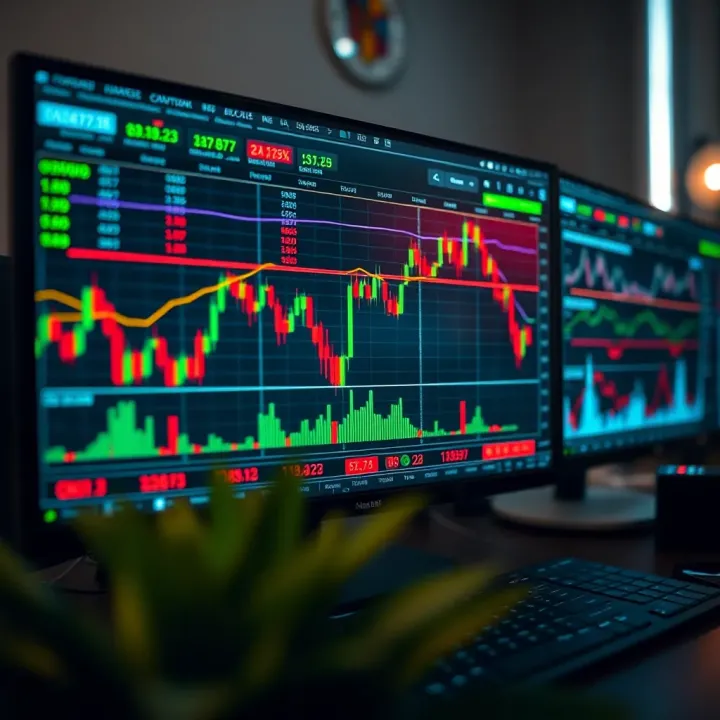
Explore top forex trading software for South African traders 🇿🇦. Find trusted platforms, key features, and tips to choose tools that match your goals 📊💡.

📘 Looking to start forex trading? Discover how to choose the right forex school in South Africa and boost your skills for better market success! 🚀

🌍 Learn the essentials of forex trading, from currency pairs to risk management, with practical tips tailored for South African traders. 📈💰
Based on 9 reviews