
Best Trading App in South Africa: A Simple Guide
Find the best trading app in South Africa with our practical guide 📱. Compare fees, features, safety 🔒, and usability to pick the right fit for you.
Edited By
Laura King
Choosing the right trading app in South Africa isn’t as simple as downloading the first one that pops up in the app store. You want an app that fits your trading style, keeps your money safe, and plays by the rules here. The local market has its quirks — like high data costs and the impact of loadshedding on online services — so the app you pick should be reliable even when power or internet falters.
Start by identifying what kind of trader you are. If you’re a casual investor, apps with easy interfaces and educational tools, such as EasyEquities or ThinkMarkets, might suit you. More experienced traders might prefer platforms like IG or Standard Bank’s online trading app, which offer advanced charting and a wider range of instruments.
Security is non-negotiable. Look for apps that are regulated by the Financial Sector Conduct Authority (FSCA) and offer features like two-factor authentication. Consider how your personal data is protected and whether the app complies with South Africa’s Protection of Personal Information Act (POPIA).
Don’t overlook the costs involved. Some apps eat into profits with high transaction fees or hidden charges. Also, data usage can add up — apps that let you customise data settings or work well on slower connections help manage costs in a country where mobile data is pricey.
Once you’ve settled on an app, make sure to download it from trusted sources like the Apple App Store or Google Play Store to avoid counterfeit duplicates with malware. After installation, take your time setting it up. Update your profile accurately and enable all recommended security features.
Trading apps are tools, but how you use them matters just as much. Choose wisely, use securely, and keep your local realities in mind for a smoother trading experience.
In the next sections, we’ll break down key features to watch for, guide you through compliance checks, and walk you through safe downloading and setup steps to get you trading with confidence.
Trading apps have become vital tools for South African traders and investors looking for convenient access to financial markets. These apps enable you to buy, sell and monitor assets directly from your cellphone or tablet, which fits well with busy lives or those living outside major cities. Understanding what trading apps are and how they operate is crucial to choosing one that suits your needs and security requirements.
In South Africa, where data costs and connectivity can fluctuate, selecting the right trading app affects not just your trading success but also your expenses and peace of mind.
A trading app is a software application designed for mobile devices, allowing users to trade financial instruments such as stocks, currencies, cryptocurrencies, and commodities. These apps connect you to financial markets by providing real-time data, executing trades, and managing your portfolio on the go. Unlike traditional desktop platforms, trading apps offer the flexibility of trading anytime and anywhere, which is handy for managing investments during Eskom loadshedding or while commuting.
Stock trading apps let you buy and sell shares listed on the Johannesburg Stock Exchange (JSE) and sometimes global exchanges. They usually offer features like live price updates, charts, and news feeds to help you make informed decisions. For example, apps like EasyEquities have gained popularity by making share trading affordable and accessible, even for beginners with R100 or less. Stock trading apps often simplify complex shareholding processes, making investing easier for retail traders.
Forex apps facilitate trading in foreign currencies, allowing users to speculate on exchange rate movements between currency pairs such as USD/ZAR or EUR/ZAR. Since South Africa is sensitive to rand fluctuations, forex trading can be attractive for those looking to hedge risks or seek profit from currency swings. These apps often require quick decision-making and provide tools like leverage and technical indicators. Apps such as IG Markets or Plus500 offer South African users access to forex markets with regulated brokerages.
Cryptocurrency apps enable buying, selling, and storing digital coins like Bitcoin, Ethereum, and local tokens. Given the growing interest in crypto within Mzansi, there are several local and international apps tailored for South African users. These platforms usually support rand deposits via EFT and include wallets for secure storage. Apps like VALR or Luno combine ease of use with security measures suited to South Africa’s fintech space.
Trading apps for commodities and derivatives provide access to products like gold, platinum, oil, or futures contracts linked to these assets. South Africa’s rich mineral resources mean commodities trading remains important for investors seeking exposure beyond stocks or currencies. These apps often require a sound understanding of complex trading instruments but can diversify your portfolio. For instance, some brokers offer CFDs (contracts for difference) allowing South African traders to speculate on gold prices without owning the physical metal.
Each type of trading app caters to different investment goals and risk appetites. Knowing these categories drives smarter choices, especially when considering fees, security, and the app’s local relevance.
When picking a trading app, certain features can make or break your experience. Especially in South Africa, where connectivity, security, and local regulations play a significant role, it's worth paying attention to what each app offers. These key features ensure you trade efficiently and safely, while keeping costs manageable.
A clear, intuitive interface is not just a luxury; it's essential. Imagine opening an app where you struggle to find basic functions like placing an order or reviewing your portfolio. Apps like EasyEquities provide a clean layout that beginners and seasoned traders alike can navigate without getting lost. Look for apps with customisable dashboards and straightforward navigation so you can trade without unnecessary clicks or confusion. This reduces errors and speeds up reactions to market movements.
Security cannot be compromised. Your trading app should use multi-factor authentication (MFA), protect your data with encryption, and clearly state how your information is stored and used. For example, apps regulated by the Financial Sector Conduct Authority (FSCA) usually comply with strict security protocols. Also, check if the app offers biometric logins like fingerprint or face recognition. These features keep your account safe against unauthorised access, which is critical given rising cyber threats.
Trading apps that provide access to real-time market data, charting tools, and economic news have a clear advantage. For instance, an app that integrates local market indexes like the JSE Top 40 alongside international data can help you make informed decisions. Extra features such as economic calendars, expert analysis, and alerts about price movements help you stay ahead without visiting multiple websites. This consolidated info saves time and helps in spotting opportunities.
Costs might seem small at first but can add up quickly. Be sure to review the app’s fee structure including commissions, spreads, withdrawal fees, and minimum deposits. Some apps charge a flat fee per trade, others a percentage; knowing this upfront helps avoid surprises. Also, check payment options—does the app accept instant EFT, credit cards, or support e-wallets like SnapScan? Payment methods influence how swiftly you can fund your account or withdraw profits.
Responsive customer support is vital, especially when technical issues arise or you encounter unexpected trading glitches. Look for apps offering local helplines, WhatsApp support, or live chat during South African business hours. This level of accessibility ensures timely help. Moreover, consider language options and whether app menus accommodate local languages or slang. These small touches make for a smoother trading experience.
Choosing the right trading app means balancing ease of use, security, practical tools, affordable fees, and dependable support — a combination that helps you trade confidently in South Africa's financial markets.
Understanding the regulatory environment is a must when it comes to trading apps in South Africa. Without compliance, you risk your money and personal information falling into unsafe hands. Regulations bring peace of mind by setting clear rules for how these apps operate and protect you as a user. In practice, using an app approved by South African authorities means your trades are monitored under legal frameworks designed to prevent fraud, insider trading, and other malpractice.
The Financial Sector Conduct Authority (FSCA) is the watchdog responsible for overseeing financial services, including trading apps. Its role involves licensing and supervising providers to ensure they follow the law and treat customers fairly. For example, the FSCA requires that trading apps implement measures like transparent pricing and dispute resolution processes. If a certain platform isn’t FSCA-authorised, you’re basically operating in the dark — which carries risks of invalid contracts and data breaches.
To avoid scams or unreliable services, always check if the trading app is officially registered with the FSCA. Most legitimate providers display their licence numbers clearly on their websites or app stores. You can also confirm registration through the FSCA’s public registry. Never download an app from unofficial sources; stick to Google Play Store or Apple App Store to avoid malicious imitations. Also, look for apps with strong security features like two-factor authentication and end-to-end encryption — these help safeguard your data.
"A trading app with no clear compliance with South African regulations is a red flag. Always do your homework before trusting your hard-earned Rands."
Trading through apps doesn’t exempt you from tax obligations. The South African Revenue Service (SARS) treats profits from share sales, forex dealings, or cryptocurrency trades as taxable income. Depending on your circumstances, this income might fall under capital gains tax or ordinary income tax. It’s smart to keep accurate records of all transactions from your trading app because SARS may request proof during audits. If you earn large sums or trade frequently, consider consulting a tax advisor familiar with the latest regulations to avoid surprises during tax season.
Being aware of these regulations and tax rules empowers you to trade confidently and legally in the South African market. Always verify the compliance status of your trading app and stay on the right side of SARS.
Getting a trading app up and running may seem straightforward, but taking a methodical approach helps you avoid hassles and protects your financial interests. This section breaks down the key steps to get your chosen app working right on your device, ready for trading.
Before you download any trading app, check if your device meets the system requirements. Many trading apps require a minimum Android or iOS version, and enough storage space to run smoothly. For example, some apps may need Android 8 or later, or iOS 13 and above. If your phone or tablet is too old, the app might crash or not function properly. Also, devices with limited RAM or slow processors can struggle with real-time market updates, which could lose you valuable trading signals.
Always get your trading app from the official app stores like Google Play Store or Apple’s App Store. Downloading from reputable sources helps you avoid fake apps stuffed with malware or scams. Avoid third-party sites and links shared in social media posts unless they are from official company channels. A legitimate app will have clear developer information, user reviews, and regular updates. For instance, a popular South African forex trading app like ThinkMarkets will be verified and have thousands of downloads on the Google Play Store.
South African regulations require financial service providers to verify their clients' identities under the Financial Intelligence Centre Act (FICA). When you open an account on a trading app, you'll likely need to submit official documents such as your South African ID or driver’s licence, and proof of residential address. This identity verification step protects against fraud and money laundering. It’s quite routine, but some apps can take a day or two to complete this process, so factor this into your plan.
Once verified, linking your bank account or debit/credit card is key to funding trades or withdrawing profits. Most South African trading apps support major banks like FNB, Standard Bank, Absa, and Capitec. Some apps also offer EFT payments or integration with M-Pesa. Make sure the payment methods you choose are secure and convenient. Also, check if there are any fees for deposits or withdrawals, as these can vary widely. For example, some apps may charge a withdrawal fee of R50 or more, which might add up over time.
After registration and funding are sorted, explore the app settings to tailor notifications, market alerts, and trading preferences to your style. Some apps offer demo accounts where you can practise trading without risking real money. Use this feature to familiarise yourself with the interface, trade execution, and chart tools. Also, consider setting price alerts for your favourite stocks or currencies to stay on top of market moves. Getting comfortable with these settings helps you trade confidently and avoids costly mistakes early on.
Following these steps carefully ensures you don’t waste time or risk security when starting out. A well-prepared set-up is the foundation for successful trading.
Using a trading app in South Africa demands more than just a quick download and a bit of dabbling. To really make the most of it, you need sharp strategies tailored for local conditions — from wrangling data costs in a country where mobile data is pricey, to keeping pace with market movements that often swing unexpectedly.
Data expenses can bite deep if you're not careful, especially when using trading apps that constantly refresh to provide live prices and news. Many traders in Gauteng or the Western Cape set their app to update less frequently or use Wi-Fi whenever possible. Some providers even offer data bundles that include free or discounted access to their trading platforms. For instance, Checkers’ mobile app integrates with select data providers to offer such perks. This can help you trade without the nagging worry of a heavy data bill.
Plus, connectivity can be patchy in rural areas or during loadshedding, when mobile towers might be less reliable. Keeping an offline watchlist or setting price alerts that notify you via SMS can be a good workaround. Also, avoid trading during bad signal times to prevent execution errors.
South African markets react quickly to local developments such as SARB interest rate announcements or changes in Eskom’s loadshedding stages. Using apps that provide real-time news feeds, access to JSE updates, and alerts about economic changes can keep you ahead. Consider apps that integrate financial calendars to remind you of crucial dates such as SARS tax deadlines or RSA budget speeches.
Staying informed also means tuning into local channels like MyBroadband or BusinessTech for daily market insights. This way, you're not solely relying on your app’s notifications; you get a broader view of the trading landscape.
Keep a close eye on both global and local events, as trading on the JSE or currency markets often hinges on sudden political shifts or commodity price swings.
Scams targeting South African traders are sadly common, from phishing SMS and fake customer support calls to bogus trading platforms promising Rands-fast gains. Always confirm the app’s legitimacy with the Financial Sector Conduct Authority (FSCA) and stick to well-reviewed apps like EasyEquities or SatrixNOW.
Never share your RICA-verified ID details or banking credentials via unsecured channels. Also, avoid apps that require upfront deposits without proper FSCA approval. If an app’s flashy promises sound too good to be true, they probably are.
To stay safe, enable two-factor authentication, regularly update your app, and be sceptical of unsolicited trading tips, especially through WhatsApp or social media.
With the right approach, your trading app can be a powerful tool — but it pays to be cautious and smart about how you use it in Mzansi’s unique environment.
Find the best trading app in South Africa with our practical guide 📱. Compare fees, features, safety 🔒, and usability to pick the right fit for you.
Discover the best trading apps in South Africa 📱. Learn about key features, safety, user experience, and costs to pick your ideal platform with confidence!
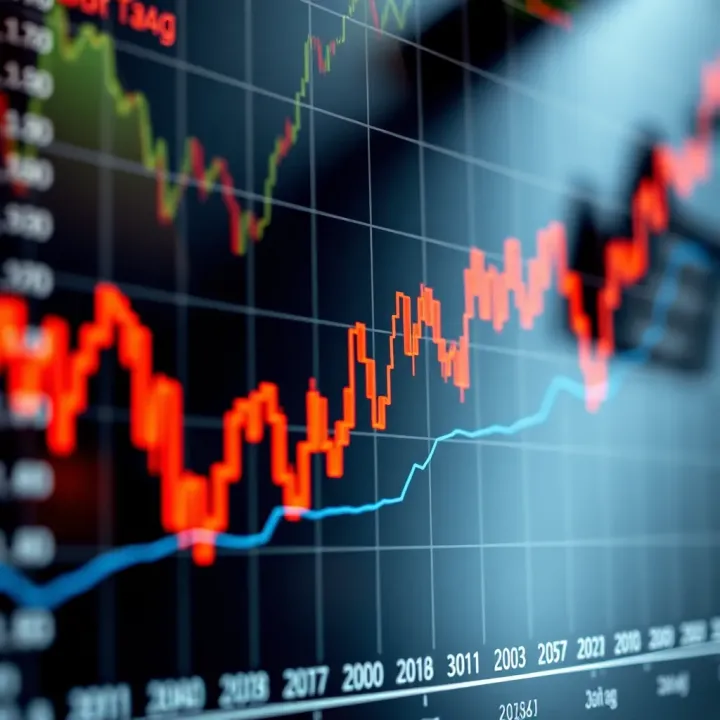
🌍 Learn the essentials of forex trading, from currency pairs to risk management, with practical tips tailored for South African traders. 📈💰

Explore top Forex trading seminars in South Africa 🇿🇦. Learn how to select the best seminar, key topics, and tips to get the most from your experience 📈📝.
Based on 13 reviews