
Forex Trading Tutorials for South African Traders
📈 Discover forex trading tutorials designed for South African traders. Learn key concepts, strategies, risk management, and tools to boost your skills today.
Edited By
Isabella Hughes
Binary trading robots have become increasingly popular tools for traders looking to automate their investment decisions in binary options markets. These software programs operate by analysing market data and executing trades based on predefined algorithms, taking much of the manual guesswork off a trader's shoulders.
In South Africa, where access to global financial markets is growing, understanding how these robots work can be a significant advantage. Unlike traditional trading where you watch screens and place trades yourself, a binary trading robot monitors price movements and automatically buys or sells options, usually within short timeframes.
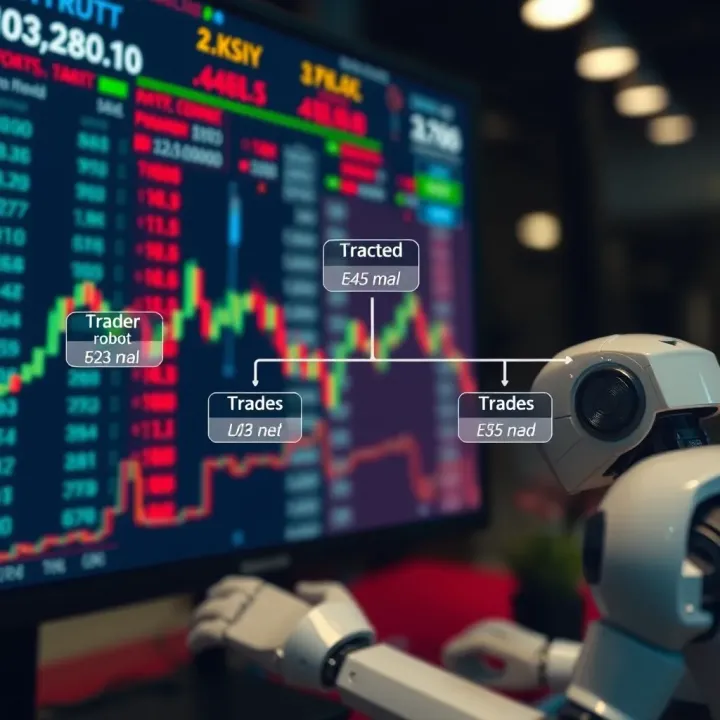
To put it simply, binary options are contracts that pay out a fixed amount depending on whether an asset's price moves above or below a certain level at expiry. The robot's task is to spot patterns or market signals that suggest which way the price will go, then to act swiftly to lock in trades.
Using a binary trading robot doesn't guarantee profits, but it can reduce the emotional stress of trading and speed up decision-making – especially during volatile periods.
These robots can follow various strategies: some rely on technical analysis indicators like moving averages or RSI (Relative Strength Index), others might factor in news sentiment or volatility levels. For the South African trader, picking a robot that suits your preferred market (forex, indices, or commodities) and your risk appetite is key.
Here are a few aspects to consider:
Automation level: Does the robot let you define trading parameters, or is it fully hands-off?
Customisation: Can you adjust settings to reflect local market hours and liquidity?
Track record: Is there verifiable performance data, preferably from South African users?
Compatibility: Does it integrate smoothly with popular local and international brokers?
In short, a binary trading robot acts like an assistant who never sleeps, scanning markets and placing trades while you focus on other commitments. Still, it demands a good understanding of its workings and close attention to strategy and risks, especially given South Africa's unique regulatory environment and market conditions.
This guide will take you through how these robots operate, their pros and cons, and what to watch out for when choosing one tailored to South African traders.
Understanding how binary trading robots operate is key for South African traders keen on dipping their toes into automated binary options trading. These tools aim to remove the day-to-day hassle of trading while potentially improving efficiency and consistency. Knowing their inner workings helps traders decide when and how to rely on robots, balancing their advantages against the risks.
Binary options are a simplified form of trading where you predict whether an asset's price will be above or below a certain level at a set time. The outcome is all or nothing — either a fixed payout or a total loss of the stake. This straightforward structure appeals to many because you know your maximum risk upfront.
A variety of assets are open for binary options, including currencies like the rand against the US dollar, major stocks listed on the JSE, commodities such as gold or platinum, and indices like the Top 40. This range allows traders to pick markets familiar to them or diversify in search of better opportunities.
The main draw of binary options lies in their simplicity and the chance to make profits with relatively small investments. However, they carry risks: quick expiry times can lead to losses if the market swings unpredictably. Additionally, the all-or-nothing nature means there’s no middle ground — the trader either wins or loses the entire bet. This high-risk, high-reward dynamic means discipline and strategy are essential.
Binary trading robots make decisions by analysing market data against predefined criteria. These robots use algorithms that interpret technical indicators or price movements to decide if a trade’s conditions meet preset thresholds. For example, a robot might trigger a buy when a moving average crossover signals upward momentum.
Algorithms inside these robots generate trade signals by processing patterns, volumes, and momentum along with historical data. This automated analysis happens much faster and without the fatigue or emotional distraction humans face. However, the complexity of the algorithm and its tuning greatly affect its performance. For instance, a robot that overfits past data might fail in live markets.
After decision-making, trade execution happens automatically through integrations with trading platforms. The robot places trades immediately upon signal confirmation, helping to capture fleeting opportunities. This speed and consistency in execution are vital, especially in the fast-paced binary options market where delays could turn a potential profit into a loss.
Trading robots can help simplify complex analysis and remove emotional trading mistakes, but traders should stay alert and monitor performance regularly to ensure their robot remains effective under changing market conditions.
By grasping these operational elements, South African traders can better assess how to integrate binary trading robots into their strategy and manage risks sensibly.
Binary trading robots offer both practical benefits and notable limitations that South African traders need to weigh carefully. Understanding these factors helps avoid common pitfalls and make informed decisions about integrating automation into your trading approach.
Automated binary trading robots handle market analysis and trade execution quickly, saving traders hours they might otherwise spend monitoring charts or news updates. For example, a busy person in Johannesburg juggling a full-time job can still engage in trading without having to watch markets all day.
These robots can scan multiple assets simultaneously, executing trades at speeds beyond human capability, which can be vital in fast-moving markets. This efficiency can free up time for traders to focus on strategy refinement or other work.
One key strength of bots is they stick to pre-set rules and avoid emotional decision-making. In volatile markets, fear and greed often lead traders to make impulsive moves, resulting in losses.
For instance, during sudden Eskom load-shedding announcements impacting the rand, many traders might panic-sell. A robot won't react emotionally, potentially preserving capital through disciplined execution of trades based on data rather than sentiment.
Before risking real money, traders can use robots to backtest strategies against historical market data. This rehearsal helps identify what works and what doesn't without financial risk.
For example, a trader testing a trend-following robot on forex pairs can adjust parameters based on past performance, refining their approach before live use. This practical trial-and-error simplifies strategy optimisation.
Relying solely on robots can lull traders into a false sense of security. Markets are influenced by factors that no algorithm can fully capture, such as political events or sudden economic policy changes.
A trader who blindly trusts a robot during a major local event like national budget release risks losses if the system isn't designed to account for such variables. It's important to maintain active oversight and understand the robot's limits.
During extreme market swings, robots programmed with fixed rules might execute trades that amplify losses. Unlike a human trader who might pause or adjust strategy, a robot lacks discretion and can compound mistakes.
For example, sudden rand depreciation following a ratings downgrade could produce erratic price moves where automated strategies struggle. Traders should configure robots with safeguards like stop-loss limits.
The popularity of binary trading robots has spawned many scams and poorly developed software, with false promises of guaranteed profits or unrealistic returns.
South African traders should be cautious, verifying software credibility through user reviews, proven track records, and regulatory compliance. Falling for a sketchy product can lead to data breaches or financial loss.
Robots can be a helpful tool but always remember: automation in trading doesn't mean no risk. Stay vigilant and combine robot use with your own market understanding.
In summary, binary trading robots can improve efficiency and remove emotional bias, especially for South African traders balancing busy lives. However, overreliance, market complexity, and fraud risks require careful consideration and ongoing trader involvement.
Understanding the technology behind binary trading robots is key for traders who want to make informed decisions about using them. These tools rely heavily on algorithms and data indicators to spot trading opportunities and execute trades efficiently. Knowing how these technologies work helps traders choose the right robot and use it effectively within the unpredictability of South Africa’s financial markets.
Binary trading robots typically employ a range of technical analysis tools that examine past price movements to predict future trends. These include indicators like the Relative Strength Index (RSI), Bollinger Bands, and stochastic oscillators, each offering different insights on market momentum or volatility. For example, an RSI below 30 might signal an oversold asset, prompting a buy signal in the robot’s system.
These tools matter because they help the robot respond quickly to changing market conditions without emotional bias. For traders in South Africa, where market moves can sometimes be abrupt due to external factors like currency fluctuations, these automated signals offer a structured way to approach trading decisions.
Moving averages smooth out price data to identify the overall direction of an asset. Simple Moving Averages (SMA) and Exponential Moving Averages (EMA) are common examples. Robots use these to gauge whether a market is trending up or down, helping decide whether to enter or exit trades.
Trend indicators prevent unnecessary trades during sideways markets by signalling clear trend starts and stops. For instance, a robot might trigger a call when the short-term EMA crosses above the long-term EMA, indicating an upward trend. This avoids chasing false signals in volatile or choppy markets typical in some emerging economies.
Volume indicators look at the number of trades in a given period to confirm price movements. A price increase with rising volume suggests strength behind the move, which robots can capitalise on for higher confidence trades. Momentum indicators, like the Moving Average Convergence Divergence (MACD), measure the speed of price changes, alerting to potential reversals.
For South African traders, reacting to momentum and volume is especially useful during events like earnings releases or central bank announcements, where market reactions can be quick and intense.
Not all trading robots work on every platform. Compatibility with widely used platforms such as MetaTrader 4 (MT4), MetaTrader 5 (MT5), or proprietary South African brokers' platforms is essential. A robot that doesn’t integrate well might result in delayed orders or failed trades.
When choosing a robot, South African traders should check if it supports their preferred broker’s trading environment. For example, some brokers focus on forex and binary options specifically and may have different APIs or execution protocols.
Application Programming Interfaces (APIs) allow trading robots to communicate directly with brokerage platforms for real-time data and instant trade execution. This connection increases efficiency by cutting out manual order entry and reducing human error.
Robots that use robust APIs, like those provided by major brokerages, can perform complex strategies reliably. For traders dealing with split-second opportunities in binary options, ensuring the robot uses a reliable API is non-negotiable.
A user-friendly interface means traders can easily customise settings such as risk levels, trade durations, and asset selection. This flexibility allows the robot to better align with individual trading styles and risk appetites.
Some robots also let users backtest strategies using historical South African market data, helping traders refine their approach before going live. Intuitive controls prevent costly mistakes, making the trading process less daunting and more transparent.
The technology behind these robots isn’t just about flashy features but practical tools that help traders operate smarter, not harder. Familiarity with the tech builds confidence and control in navigating South Africa’s trading scene.
Picking a reliable binary trading robot is essential for South African traders seeking to protect their investment and optimise returns. It’s not just about finding the flashiest software but knowing which tools match your trading style, risk appetite, and financial goals. Considering the local market particularities—like data costs, internet speed, and regulatory frameworks—makes this decision even more significant.
Checking user feedback and testimonials is a practical starting point. Traders often share honest experiences about how effective a robot is at making successful trades or whether its customer support is responsive. For example, if multiple users complain about delayed payouts or buggy software, it signals caution. Genuine reviews highlight real-world performance rather than just marketing promises.
Verified performance records offer concrete evidence of a robot’s trading history. Unlike colourful claims on websites, third-party audit reports or screenshots of verified trades can confirm if a robot really delivers consistent profits over time. South African traders should watch out for platforms that provide detailed performance stats audited by independent firms—this adds a layer of trust.
Red flags to avoid include promises of guaranteed profits, requests for unusually large upfront fees, or pressure tactics to buy quickly. Robots claiming to be a "sure thing" hardly ever are. Beware of missing contact details or no clear company address, which often indicate scammy operations. A solid robot offers transparency on its methods and actual risks.
Subscription versus one-time payments form the common payment models you’ll encounter. Subscription models might charge a monthly fee for ongoing access and updates, while one-time payments often provide lifetime use but might lack continued support. South African traders should weigh ongoing costs against what updates or assistance they receive.
Hidden charges and commissions can erode your trading profits. These may include withdrawal fees, commissions on wins, or extra charges for certain features. For instance, some robots appear cheap upfront but take percentages from your earnings. Always read the fine print and ask upfront about all possible fees.
Trial periods and refunds are great to test a robot without full commitment. Many trustworthy providers offer trial versions or money-back guarantees so you can assess the software under your trading conditions. This trial window is crucial to determine if the robot functions smoothly with your chosen broker and market.
Customer support availability is vital when dealing with automated tools, especially for traders still getting the hang of robots. A responsive support team can help fix glitches quickly or explain features clearly. Look for providers offering support during South African business hours via multiple channels—phone, email, or chat.
POPIA and data privacy considerations have become non-negotiable with tightening South African laws. Any robot you choose must comply with the Protection of Personal Information Act (POPIA), ensuring your personal and financial data is handled safely. Confirm their privacy policies are clear and that data encryption is standard.
Regulatory alignment for South African traders means checking if the robot or its affiliated brokerage complies with the Financial Sector Conduct Authority (FSCA) regulations. Given binary options trading’s tricky legal landscape here, using robots tied to authorised brokers helps protect you from potential legal or financial pitfalls.
Choosing wisely not only safeguards your money but also provides peace of mind when trading automatedly under South Africa's unique financial environment.
When using binary trading robots, security and regulatory aspects are key for South African traders. These factors protect your investments and personal data, and ensure you stay within legal boundaries. Understanding these can help you avoid scams or penalties, especially given South Africa's evolving financial landscape.
Protecting personal and financial information is non-negotiable. When registering with a binary trading robot, you share sensitive data like ID numbers and banking details. A trustworthy robot provider will use encryption to protect this info, meaning your data is scrambled during transmission to avoid hacking. For example, look for SSL certification on websites—usually shown by a padlock symbol in the browser’s address bar. Also, never share your login credentials, and use strong, unique passwords.
Secure connection and software updates go hand in hand. Make sure your device has reliable antivirus software and a firewall activated to avoid malware or ransomware attacks. Many trading robots auto-update their software to fix security gaps, but it’s wise to check if these automatic updates are active. An outdated robot risks vulnerabilities that cybercriminals could exploit. For instance, some users on local forums report losses after using outdated versions that allowed unauthorised access.
Recognising phishing and fraud attempts is crucial in the trading world. Phishing involves fake emails or sites mimicking your robot provider to steal your details. Always verify the sender’s email and avoid clicking on suspicious links. If a robot provider offers guaranteed profits or asks for payment upfront without much proof, treat this as a red flag. South African traders have encountered scams masquerading as binary robot offers promising quick wealth—these often vanish with invested funds.
The Financial Sector Conduct Authority (FSCA) regulates trading activities within the country, including those involving binary options. Its role is to protect consumers by making sure service providers meet compliance standards and operate transparently. Knowing the FSCA’s guidelines helps you weed out unlicensed robot providers. Always check whether the platform or robot is registered with the FSCA.
The legal status of binary options trading in South Africa is nuanced. Binary options themselves are legal, but the FSCA banned unauthorised forex and binary options providers due to fraud concerns. This means many international robots may operate illegally within South Africa, lacking the required licensing. This creates a risk for traders using such platforms because you may not have legal recourse if problems arise.
Implications for robot users include the need to verify the provider’s legitimacy and understand your rights. Using an unregulated robot increases the risk of financial loss with little protection. South African traders should prioritise robots linked to FSCA-approved brokers who meet local standards. Besides legal compliance, secure trading practices reinforce protection against fraud.
Staying alert to security risks and regulatory requirements is your best defence in the complex world of binary trading robots. Keep your personal info tight, update software regularly, and trade with FSCA-compliant services to trade smart and safe.
By focusing on these security and regulatory basics, South African traders can better navigate the binary options market and minimise risks associated with automated trading tools.
📈 Discover forex trading tutorials designed for South African traders. Learn key concepts, strategies, risk management, and tools to boost your skills today.

💰 Discover how to trade gold in forex with tips on price drivers, strategies, risk management, and insights tailored for South African traders!
📊 Discover how South African traders can master Forex Trading View with step-by-step tips on charts, indicators, risk management, and seamless platform integration.
📉📈 Understand binary trading for South African investors: learn how to predict asset prices, manage risks, explore strategies, and comply with local rules safely.
Based on 12 reviews