

Guide to Free Binary Options Signals in South Africa
📊 Discover how free binary options signals work, where to find reliable ones, and practical tips to use them effectively in trading for South African traders.
Edited By
Benjamin Reed
Binary options trading signals act as a kind of beacon for traders, guiding them on when to enter or exit a trade. These signals are essentially suggestions based on market analysis, pointing out potential opportunities in the fast-paced binary options market. For South African traders, understanding how these signals work can make a real difference, especially given the volatile nature of global markets and local economic factors.
The signals come from a variety of sources. Some are generated by algorithms scanning live market data for patterns. Others are provided by experienced analysts who study market trends and news events. It’s important to know that not all signals are created equal. Some might be overly optimistic or lack clear data backing, while others rely on sound analysis and reliable indicators.
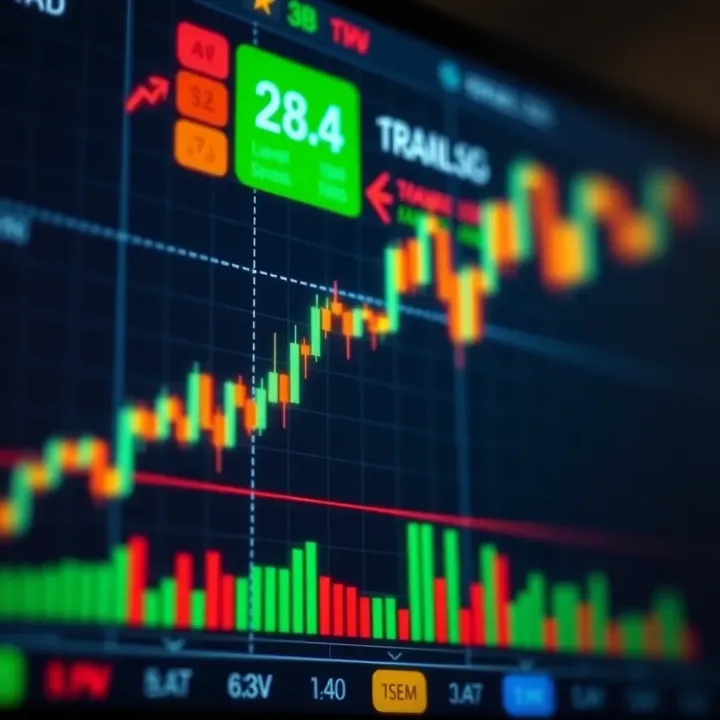
Here’s how trading signals typically work:
Signal Type: They suggest a call (predicting the asset price will rise) or a put (predicting it will fall).
Entry Point: The ideal moment to open a position.
Expiry Time: The timeframe within which the trade should close to stand a chance of profit.
For example, a signal might advise purchasing a call option on a popular South African stock listed on the JSE, expecting it to rise within 15 minutes. If the price moves as anticipated, the trader profits. If not, they risk losing their stake.
Binary options trading signals can simplify decision-making, but blindly following them without scrutiny often leads to losses.
The key is assessing signal quality. Look for signals backed by clear data and a trustworthy track record. Some services provide performance histories so you can verify how often their calls were profitable. Always consider the risk—no signal guarantees success.
In the South African context, traders must also factor in local market hours, currency fluctuations affecting underlying assets, and regulatory considerations. Effective use of signals means blending them with your own research and risk management strategies, not relying solely on them.
By grasping what binary options trading signals are and how they operate, you set the foundation for smarter decisions and better control of your trading outcomes. The sections ahead explain how to choose credible signals, mitigate common risks, and integrate signals into your broader trading plan.
Understanding binary options trading signals is central to making informed decisions in a market that moves fast and offers little room for error. These signals act like traffic signs on the trading road, providing cues on when to enter or exit a binary options trade. For traders, especially those new to the scene or juggling multiple markets, signals can simplify decision-making and potentially improve trading outcomes.
Unlike long-term investments, binary options trades often last minutes or hours, so timely, reliable signals can make a tangible difference. That said, signals are tools, not guarantees—knowing how they work and when to trust them is key.
Binary options are straightforward instruments where traders predict whether an asset’s price—say, gold or the JSE Top 40 index—will rise or fall by expiry. You either win a fixed payout or lose the initial stake. This "all or nothing" nature makes timing and accuracy crucial. In practice, traders don't hold assets but rather speculate on price direction within set time frames, from minutes to hours.
For example, you might predict the rand will strengthen against the US dollar in the next 30 minutes. If your guess pans out, you earn a return; if not, your stake is lost. This simplicity attracts many but also demands precision.
Trading signals serve as alerts that suggest optimal trading opportunities, indicating the likely direction of an asset's price within a given timeframe. They can save time by cutting through market noise, especially when conditions fluctuate quickly due to, say, unexpected Eskom load-shedding effects or geopolitical news.
Practical use might involve receiving a signal that the rand will weaken based on recent economic data releases or market sentiment. Traders can then decide to buy or avoid a particular binary option accordingly. However, signals reflect probabilities, not certainties, so it's essential to understand their limitations and integrate them with your own analysis.
Signals can be generated manually by experienced analysts who review charts, news, and economic indicators. This hands-on approach can capture nuances a robot might miss, like a sudden strike affecting mining shares.
On the flip side, many traders rely on automated systems or 'robot' software programmed to scan markets using pre-set rules. These algorithms react faster than humans but might lack the broader context, leading to false alerts during unusual market behaviour.
For instance, a robot might signal a call option on platinum during a regular uptrend, unaware that a labour dispute just erupted, which could quickly reverse the trend.
Signals often come from technical indicators like moving averages, Relative Strength Index (RSI), or Bollinger Bands. These tools help identify trends, overbought or oversold conditions, or volatility shifts.
Fundamental data, such as interest rate decisions by the South African Reserve Bank (SARB) or changes in commodity prices relevant to local exporters, also feed into signal generation. By combining technical and fundamental insights, traders get signals grounded in market realities rather than just numbers.
Remember, a strong signal comes not just from a single indicator but from a mix of factors pointing in the same direction.
In practice, say you spot an RSI showing an oversold rand and a positive SARB announcement; a reliable signal might suggest the currency's recovery soon, helping you time a binary options trade.

With these basics, you can better appreciate what binary options trading signals are and how they fit into a logical trading strategy tailored to your market conditions and risk appetite.
Understanding the types and sources of trading signals is vital for making informed decisions in binary options trading. Each type offers distinct advantages and risks, so knowing where signals come from and how they're generated helps you pick those most suited to your trading style and risk appetite.
Subscription-based providers charge a regular fee for access to their trading signals, offering a structured and often well-researched flow of information. These services usually provide frequent updates and detailed analysis, which can be appealing for traders who prefer to follow expert advice rather than decipher the data themselves. For example, some South African traders subscribe to internationally recognised services that use a mix of technical indicators and market sentiment to recommend trades. However, subscription costs vary widely, and it’s crucial to assess if the value justifies the expense.
Reputable versus questionable sources plays a huge role in signal reliability. Reputable providers often have a track record of transparency, showing past performance and using clear methodologies. Questionable sources may promise unrealistic returns or use pressure tactics to get you to sign up or deposit funds. For instance, some online adverts claiming guaranteed profits can be scams targeting novice traders. Assessing credibility includes checking for reviews, regulation, and community feedback. A warning sign is when signals lack explanation or historical data.
Copy trading platforms allow traders to replicate the trades of experienced individuals in real-time. This can be handy for those who want a more hands-off approach but still stay involved in the market. Platforms like eToro have popularised this model globally, while some South African brokers integrate similar features. Copy trading offers an immediate way to benefit from expertise, but it’s important to understand the strategy of the trader you follow and not blindly copy every move.
Forums and trader groups provide informal signals shared by community members. Platforms like Reddit’s r/Forex or local Facebook groups exchange ideas, tips, and signal snippets. While these can offer valuable insights and different market perspectives, the quality is highly variable. It’s wise to combine signals from these groups with your own research, as some members might share signals based on guesswork or insufficient analysis.
Algorithmic generation uses computer programs to analyse market data and generate trading signals automatically. These algorithms look at trends, indicators, and patterns at speeds beyond human capacity. South African traders sometimes use automated tools integrated into broker platforms, especially when juggling multiple assets or limited on time.
The pros and cons in practical use of automated signals boil down to consistency versus control. Algorithms can remove emotion and operate around the clock, making them useful in volatile markets or during loadshedding to keep trading uninterrupted. Conversely, they may fail to adjust to sudden market shocks or unusual events where human judgement thrives. One pitfall is overreliance on robots without checking market news or local factors affecting asset prices.
Choosing the right type of signal depends on your trading goals, risk tolerance, and how deeply you wish to engage with market analysis. Mixing signal sources, coupled with your own insight, tends to yield the best results for South African traders navigating binary options.
When it comes to binary options trading signals, not all signals are created equal. Evaluating the quality and reliability of the signals you use can save you from costly mistakes and help you trade with more confidence. Signals should ideally serve as helpful guides rather than guaranteed keys to success. Understanding which providers offer trustworthy and actionable information is essential for any serious trader.
Accuracy rates are one of the most telling indicators of a signal provider's value. In simple terms, this refers to how often the signals they send out actually lead to profitable trades. For example, a provider boasting a 90% success rate but lacking transparency might be exaggerating or cherry-picking data. Reliable providers typically show consistent accuracy between 60% and 75%, which is reasonable given the volatility in markets. If a signal provider consistently delivers above-average rates backed by verifiable data, it could be worth considering for your trading strategy.
Moving on, transparency of performance history is a must-have trait in trustworthy signal services. Credible providers openly share detailed records of their past signals, including both wins and losses. This often takes the form of verified records on third-party platforms or downloadable reports. Such transparency allows traders to understand the provider's track record without taking their word on face value. For example, some services provide a month-by-month performance breakdown to highlight trends and reliability over time, which helps you judge whether to trust their current signals or not.
Regulation and credibility offer another important layer of security. While the binary options market remains loosely regulated in many areas, providers registered with recognised authorities such as the Financial Sector Conduct Authority (FSCA) in South Africa typically follow mandatory compliance and operational standards. This means they are subject to oversight and must adhere to consumer protection rules, reducing the chance of falling victim to unscrupulous traders. Always check if the signal provider or associated broker holds a valid licence — skipping this step is like driving without a licence.
One major caution sign is when providers make unrealistic promises. Claims like "100% win rate" or "guaranteed profits every day" are usually too good to be true. The reality is that markets fluctuate and no system can predict outcomes perfectly. Providers pushing such claims are often designed to lure traders in with false hope before introducing costly upsells or poor-quality signals. It's best to stay sceptical and seek providers who communicate risks honestly rather than promising a sure fix.
Another red flag is the use of pressure tactics and hidden fees. Legitimate services let you consider their offer on your own terms rather than bombarding you with urgent calls or limited-time offers. Likewise, watch out for providers who hide costs within subscriptions or require upfront fees without clear explanation. A genuine signal provider will be upfront about subscription terms, any setup charges, and cancellation policies. For instance, a service demanding immediate payment with threats of losing access should raise alarm bells.
Choosing reliable binary options trading signals requires careful scrutiny. Focus on accuracy, transparency, and regulation to avoid costly pitfalls and scams.
By keeping these points in mind, you can filter out unreliable signal providers and focus on those that genuinely support your trading journey in South Africa's financial markets.
Using trading signals can be a handy tool, but only when you blend them smartly into your own approach. Signals alone don’t guarantee wins; they’re more like a helpful signpost rather than a full map. The real value comes when signals are combined with your own insights and solid risk management practices.
Relying solely on trading signals without your own judgement often leads to trouble. Signals can be delayed, inaccurate, or generated from outdated data. For instance, if a signal advises a particular binary option at a time when unexpected news breaks locally or internationally, ignoring that news can cause unnecessary losses. By keeping a critical eye, you guard yourself from following poor advice blindly.
To get the most out of trading signals, treat them as starting points. Spend time on market research—look at economic calendars, monitor news relevant to the assets you trade, and keep an eye on technical levels like support and resistance. Combining this context with signals helps you decide when to trust them or when it’s smarter to sit out. For example, a signal might suggest a trade on the rand, but if the South African Reserve Bank (SARB) hints at interest rate changes, your research might tell you to pause.
Even with good signals, every trade carries risk. Setting clear limits on how much you’re willing to lose helps avoid blowing your budget after a few bad calls. Binary options trade quickly—deciding your max loss per trade and sticking to it can save you plenty of heartache. While binary options don’t offer traditional stop-loss orders like share trading, knowing when to say no and having a daily or weekly loss cap can act as your safety net.
Not all signals deserve equal commitment. If you’re uncertain about a signal’s validity or macroeconomic factors warning you to be cautious, reduce the trade size. For example, instead of risking R1,000 on a doubtful signal, consider R200. This approach means your losses stay manageable while letting you test different types of signals with less risk.
South African traders must factor in global market times, especially when trading assets tied to overseas markets like the US dollar or European indices. Signals generated outside South African market hours may coincide with low liquidity or higher volatility. That’s a recipe for unpredictable outcomes. Scheduling your trades when both the global market and your broker’s platform are active can improve execution and reduce slippage.
Choosing a broker properly authorised by the Financial Sector Conduct Authority (FSCA) isn’t just legal compliance—it also safeguards your funds and trading rights. Many local and international brokers claim to offer binary options, but only a licensed provider is obliged to uphold transparent practices and investor protection. Remember, dealing with unregulated firms increases the chance of unfair treatment or even scams. If you’re new to this, taking time to verify broker credentials is well worth the effort.
Use trading signals as one piece of your toolkit, not the whole strategy. Blend them with solid research, smart risk limits, and sensible broker choices to trade confidently and responsibly in the South African market.
Navigating the legal and regulatory framework is essential for anyone involved in binary options trading. This section sheds light on how South African rules shape trading practices, protect consumers, and maintain market integrity. Understanding these elements not only helps you stay within the law but also shields you from potential scams.
The Financial Sector Conduct Authority (FSCA) is South Africa’s watchdog for financial services, including binary options trading. Its role is to oversee and regulate trading platforms and brokers offering binary options to South African clients. The FSCA aims to ensure transparency, fairness, and consumer protection by setting and enforcing standards.
For example, the FSCA regularly publishes warnings about unregistered brokers and scams targeting local traders. This helps prevent loss of funds to illegal operators. If a platform is FSCA-registered, you can expect it complies with South African financial laws, giving you more confidence when trading.
Only brokers licensed by the FSCA can legally offer binary options trading services to South Africans. Licensed brokers must meet certain capital requirements, conduct regular audits, and adhere to consumer protection rules. This includes clear disclosure of risks, transparent fee structures, and proper handling of client funds.
Choosing a non-compliant or offshore broker can be risky. Such brokers might not follow South African rules, making it difficult for traders to seek recourse if something goes wrong. Always check the FSCA register before opening an account to verify the broker’s licensing status.
If you suspect fraudulent activity or a scam related to binary options, the FSCA provides an official channel for complaints. You can submit reports about suspicious brokers or misleading advertising, which the authority investigates.
Timely reporting can prevent others from falling victim and can trigger enforcement action. It’s advisable to keep records of all communications, transactions, and promotional material when lodging a complaint. Besides the FSCA, you can also report concerns to consumer protection bodies like the National Consumer Commission.
Regulations can evolve, so staying updated is vital. The FSCA frequently issues notices about changes in the regulatory environment affecting binary options. For instance, updates on sanction policies, new compliance requirements, or emerging risks often appear on their website and media.
Subscribing to financial news portals or following the FSCA on social platforms helps you spot developments early. Being informed ensures you remain compliant and can adapt your trading activities to align with the latest rules, reducing surprises or penalties.
Remember: trading binary options without understanding the legal landscape is like driving without knowing the road rules—you could end up in trouble faster than you'd expect.
By keeping legal and regulatory factors front of mind, traders in South Africa can trade more securely and confidently, avoiding pitfalls that come with unregulated or unscrupulous operators.
📊 Discover how free binary options signals work, where to find reliable ones, and practical tips to use them effectively in trading for South African traders.

📚 Find trusted free binary options trading books in this guide! Learn key strategies, risk management tips, and avoid common mistakes for smarter trades.

Discover how free binary options signals work 📈, what to consider before using them, and tips to spot reliable providers for safer trading in South Africa 🇿🇦.

Discover how free forex trading signals ⚡ can guide your trades with practical tips on evaluation and smart use, helping you navigate the forex market confidently.
Based on 12 reviews