
Guide to Free Binary Options Trading Books
📚 Find trusted free binary options trading books in this guide! Learn key strategies, risk management tips, and avoid common mistakes for smarter trades.
Edited By
Henry Walker
Automated binary options trading has become a popular method for traders keen on using technology to execute deals quickly and without emotion. Instead of manually deciding when to buy or sell, automated trading uses software programmed with algorithms to spot market signals and act on them immediately.
At its core, binary options trading is a straightforward concept: you predict whether a particular asset’s price will be above or below a certain level at a set expiry time. Instead of owning the asset, you place a bet on the outcome. The automated side means software takes over this betting process based on clear rules built into the system.
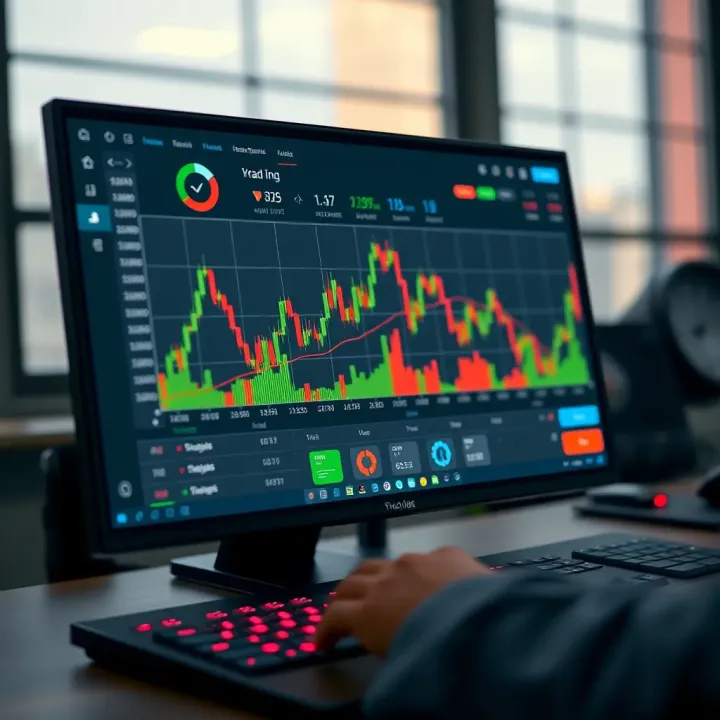
Consider this example: A trader wants to bet on the Rand/US Dollar exchange rate movement. Rather than constantly watching the charts, they set up an algorithm to automatically buy a call option if the rate falls below R14.50 and shows signs of rising. The software executes trades without the trader needing to intervene, helping avoid impulsive decisions that often plague human traders.
This automation cuts down reaction time to milliseconds, perfect for fast-moving markets. It also removes emotional bias. Traders sometimes let fear or greed influence choices, but an algorithm sticks to the plan consistently.
A key takeaway is that automated trading is only as good as its programming. Flawed algorithms or poor market data can lead to losses just as easily as manual errors.
So, automated binary options trading simplifies execution, strives for efficiency, and reduces emotional distraction. For South African traders, this means potential opportunities even during limited trading hours or bouts of loadshedding—as the software keeps working as long as the device has power and internet.
But it is not foolproof. Like all trading, risks remain. Understanding how these systems function is essential before committing money. Lets explore the mechanisms, pros, and cons next.
Automated binary options trading offers a practical way to engage in financial markets by using software to make trades based on predetermined rules. For traders and investors, especially in South Africa’s fast-moving markets, this helps cut out emotional bias and reacts faster to market changes than manual trading could allow. It also provides access to markets during hours when live decision-making might be difficult.
Binary options are financial contracts that allow you to predict whether an asset’s price will be above or below a certain level at a specific time. Think of it like betting on whether the rand-dollar exchange rate will rise above R18.00 by 3 pm. If your prediction is correct, you get a fixed payout, usually a percentage of your stake. If not, you lose the amount you invested. It’s a simple yes-or-no trade with clearly defined risk and reward.
Binary options can be based on various assets such as stocks listed on the JSE, commodities like gold, or even market indices. This simplicity makes them appealing, but it’s important to understand the underlying mechanics clearly before trading.
Automation came into play because human traders can struggle to act quickly or consistently, especially when emotions like fear or greed take over. Automated binary options trading relies on software — often called trading bots — which follow pre-set rules or algorithms. These rules might include when to enter a trade, when to exit, and how much to invest based on market indicators.
For example, a trading bot might be programmed to watch the price of platinum and automatically place a trade if the price moves above a moving average by a certain percentage. This can happen within seconds, far quicker than a manual trader could react.
Automation also helps with consistency. A bot won’t hesitate or second-guess, which reduces the risk of impulsive trading decisions. It can also monitor multiple assets simultaneously, something practically impossible for most human traders.
While automation can speed up decisions and enforce discipline, it’s vital to set thoughtful rules and keep monitoring system performance. Market conditions change, and no automated system guarantees profits.
Just like any financial tool, understanding what you’re getting into, the costs, and risks involved is essential before diving into automated binary options trading. This introduction sets the foundation for deeper exploration into how these systems function, their benefits, and what to watch out for in South Africa’s trading environment.
Automated binary options trading systems rely on technology to manage trades without constant human input. This hands-off approach makes trading more efficient, especially for fast-moving markets. Understanding how these systems operate helps traders assess their usefulness and potential risks.
Algorithms are sets of instructions that the system follows to make trading decisions. In automated binary options trading, they analyse price movements, market trends, and other data points to decide when to buy or sell options. Trading bots are the software tools that execute these instructions automatically, often in milliseconds. For example, a bot might track the price of gold and place a trade predicting whether it will rise or fall within a short timeframe.
The precision of these algorithms can reduce errors caused by human emotion or fatigue. Still, they require careful programming to react appropriately under different market conditions. South African traders should note that bots can operate 24/7, capturing opportunities even outside typical market hours.
Automated systems use various strategies based on historical data and market analysis. Some common strategies include:
Trend-following: The bot identifies and trades in the direction of prevailing price trends.
Mean reversion: Betting that prices will return to an average after moving sharply away.
News-based trading: Using real-time news feeds to anticipate sudden market moves.
Each strategy suits different market conditions and trader goals. For instance, a trend-following strategy might work well during a steady economic cycle but perform poorly in choppy or unpredictable markets.
Traders must define clear rules and limits before letting automation take over. These rules include:
Entry and exit points: Specific signals that trigger buying or selling options.
Risk thresholds: Maximum loss limits to prevent significant drawdowns.
Trade size: How much capital to allocate per trade.
For example, a trader might set the system to exit a trade if losses exceed R500 or lock in profits once a 10% gain is reached. Setting these parameters helps control risk and ensures the system operates within the trader's comfort zone.
Successful automated trading combines sound strategies with well-defined rules to balance opportunity and risk. Without clear parameters, even the best algorithms can lead to unexpected losses.
By understanding how automated binary options trading systems work, South African traders can better decide whether these tools fit their trading style and goals. Practical knowledge of the underlying algorithms, strategies used, and rule-setting ensures more informed and confident trading decisions.
Automated binary trading systems offer clear advantages, but they are not without challenges. Understanding both sides helps traders make informed decisions and avoid common pitfalls. This section outlines practical benefits like speed and emotion-free trading, then highlights limitations and technical issues, before covering how to manage realistic expectations.
One of the biggest draws of automated trading is speed. Algorithms monitor multiple assets and execute trades in milliseconds, much faster than any human could react. For instance, during volatile market moves, the system can lock in profits or cut losses before emotions cloud judgement.
Also, automation removes the emotional aspect that daily traders grapple with—fear, greed, or hesitation. A bot sticks to predetermined rules without wavering. Imagine you’re dealing with load-shedding interruptions or distractions at home; an automated system won’t lose focus. This can prevent rash decisions like doubling down on a losing trade out of frustration.
Moreover, these platforms often allow backtesting of strategies using historical data. This makes it easier to refine trading rules before risking real money. Buying into software that can run overnight while a trader rests can open new ways to engage with financial markets without needing constant attention.
Despite the perks, automation isn’t foolproof. Technical glitches, such as software bugs or connectivity dropouts, can cause missed trades or errors. For example, if your internet drops during a trade or the server experiences downtime, you could lose the opportunity or face unexpected results.
Algorithms perform only as well as their design allows. Many popular strategies rely on historical patterns that may no longer apply during sudden economic shifts, like currency swings caused by unexpected SARB announcements or geopolitical events.
Another limitation is over-optimisation, known as "curve-fitting," where a strategy works brilliantly on old data but falters in live markets. Plus, some automated systems offer a limited scope, focusing on a few assets or binary options with inflexible durations, restricting trader choice.
It’s crucial to remember that automated tools are not a magic bullet. While they help handle routine decision-making and speed, they cannot guarantee profits. South African traders should expect a learning curve, including trial and error.
Start with small amounts to test how the system reacts under real market conditions and track performance diligently. Be ready to step in manually if needed or pause the system during loadshedding or unpredictable market events.
Effective use of automation means combining technology with sound risk management and situational awareness. It’s about using software as an assistant, not a replacement, to your trading acumen.
By knowing the strengths and limits of automated binary trading, you can better position yourself for steady, thoughtful engagement with this tool rather than chasing quick wins or falling prey to overhyped promises.
Navigating the world of automated binary options trading in South Africa requires a solid grasp of the risks and legal factors involved. Given the rapid pace and complexity of these automated systems, understanding these aspects can protect your investments and help avoid costly mistakes.
Security is a major concern with automated binary options. Scammers often target unsuspecting traders who might be lured by promises of quick returns. Fake brokers can disappear with your funds, or software might be rigged to lose deliberately. For example, reports have surfaced of trading platforms using bots programmed to only perform losing trades, ensuring clients lose their deposits rapidly.
Phishing and identity theft are also real threats. When registering on trading sites, sensitive personal and banking data is at risk if the platform doesn't have solid encryption or secure data storage. South African traders should be especially cautious on lesser-known platforms that lack transparency or have poor reviews.
South African traders must pay attention to local laws regulating financial trading. The Financial Sector Conduct Authority (FSCA) oversees investment products and trading platforms. However, automated binary options trading often falls into a grey area, with many providers operating offshore and outside FSCA's direct jurisdiction.
This lack of strict local oversight means you might be dealing with brokers unregulated in South Africa, increasing your risk. The FSCA regularly issues warnings about unregistered foreign brokers targeting South Africans. These platforms don't necessarily comply with local consumer protection rules or dispute resolution mechanisms.
Traders should also be mindful of the Financial Intelligence Centre Act (FICA), which mandates verification of identity to prevent money laundering. Genuine brokers comply with FICA requirements, asking for proper documentation before allowing trades.
Before placing your trust – and money – with an automated trading platform, verify its credibility carefully. First, check if the broker holds a valid licence from a reputable regulator, such as the FSCA, the UK’s FCA, or Cyprus’s CySEC. Licences from such bodies indicate that the broker adheres to certain standards.
Second, research user reviews and complaints on forums and trusted financial websites. A red flag is consistent reports of withdrawal delays or account freezes.
Third, test their customer support responsiveness. Legitimate brokers usually have local or accessible support through phone, email, or chat services.
Always carry out due diligence before trusting an automated binary options broker — your financial security depends on it.
In summary, South African traders interested in automated binary options trading need to be vigilant about security risks and the legal landscape. Understanding the limits of regulatory oversight and verifying broker legitimacy are key steps to trading smarter and safer. This way, you avoid falling into avoidable traps while engaging in automated trading.
Automated binary options trading can seem like a tempting shortcut to quick profits, but in South Africa's unique market environment, practical strategies make all the difference. Knowing how to choose the right platform, manage risks effectively, and begin cautiously is essential to avoid common pitfalls and protect your investment.
Selecting a dependable automated trading platform is your first critical task. Look for platforms with a solid reputation, transparent fee structures, and local customer support. For example, platforms that integrate with popular South African payment methods or support Rand-based accounts can make withdrawals and deposits far easier. Avoid those promising unrealistic returns overnight, as these often turn out to be scams or unreliable software.
Check that the platform offers clear performance analytics and allows you to customise trading algorithms or rules. Some local brokers offer demo accounts, which let you test the automated system using simulated money without risking real funds. Use this opportunity fully to evaluate ease of use, speed of execution, and overall reliability.
Risk management remains fundamental even with automation. Set clear limits on how much capital you expose per trade, often not exceeding 1-2% of your total trading fund. This reduces major losses during volatile market swings common in emerging markets like South Africa.
Diversify strategies where possible. Don’t rely solely on one trading algorithm or asset. For example, mix trades on currency pairs such as ZAR/USD with commodities like gold or oil, which behave differently under economic pressures. Automated platforms usually allow multiple strategies to run concurrently, helping smooth out exposure.
It’s also wise to set automatic stop-loss rules or daily loss caps within the trading software. These fail-safes prevent catastrophic losses if markets turn sharply against you.
Begin with a small investment to test your automated system under real conditions. For instance, allocate just R1,000 to start, even if your available capital is higher. Observe how the software performs during different market hours, especially considering Eskom’s loadshedding impacts on internet or power reliability.
Regular monitoring is necessary because no software is perfect. Keep track of not just profits or losses, but also execution speed and error rates. If performance drops, pause trading immediately and adjust settings or consider switching algorithms.
Tip: Maintain a trading journal to record decisions, platform responses, and external factors like major economic events or local news affecting markets.
Taking these pragmatic steps helps South African traders navigate automated binary options trading with greater confidence and control. Remember, automation is a tool, not a golden ticket. Approach it sensibly, stay well informed, and you stand a better chance of making your money work smarter.
📚 Find trusted free binary options trading books in this guide! Learn key strategies, risk management tips, and avoid common mistakes for smarter trades.
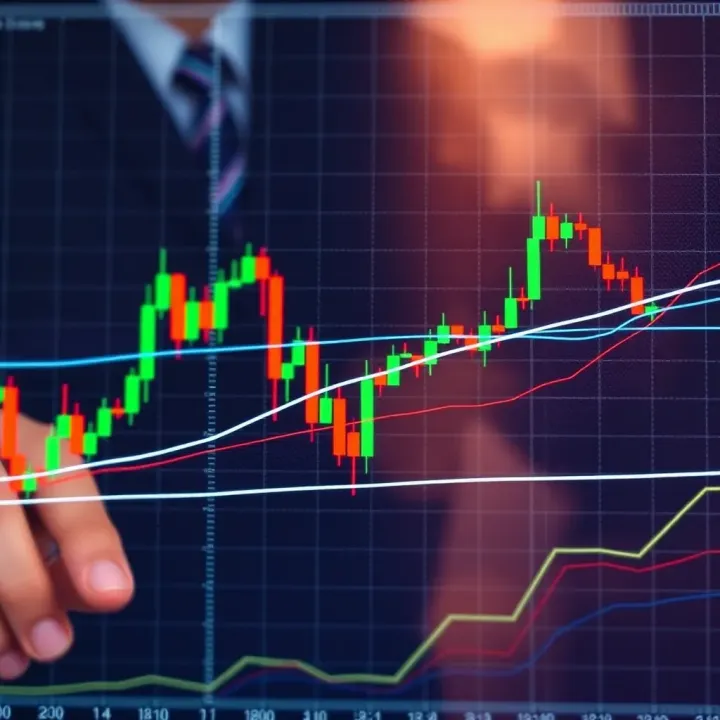
📊 Master graphic trends analysis in binary options trading! Learn to read charts, spot patterns, combine indicators, and trade smarter in South Africa.
📊 Discover how free binary options signals work, where to find reliable ones, and practical tips to use them effectively in trading for South African traders.
🤑 Learn how to use free money offers in binary options trading safely. Discover key tips, risks, withdrawal rules & strategies to boost your trading success!
Based on 5 reviews